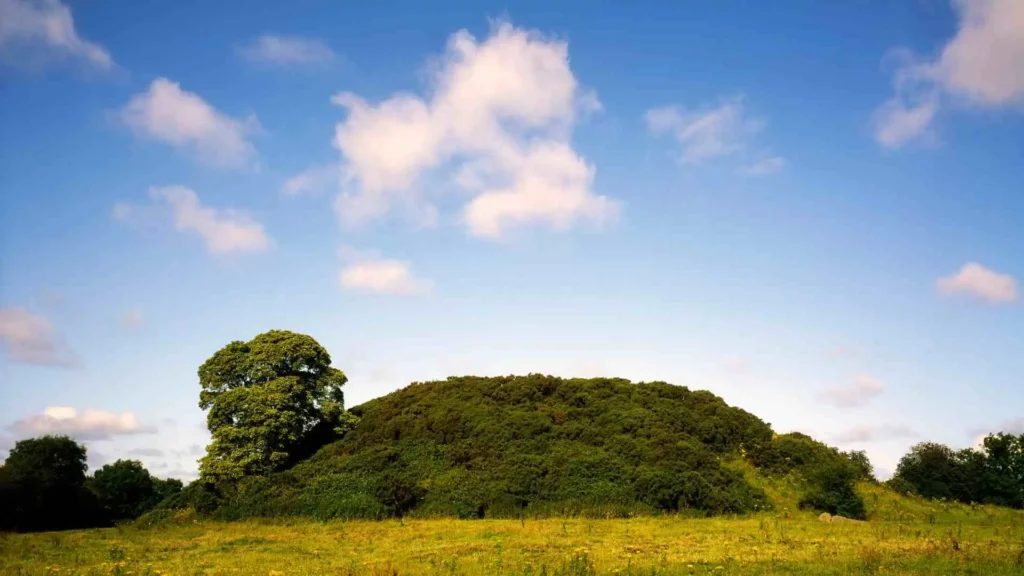

Heritage Week 2026: Dates, Events & Visitor Guide in Ireland
Ireland’s rich heritage is not limited to museums; rather, it can be seen through its historical castles, local arts and crafts, beautiful scenery, or even community people who are proud of their heritage. Each year, the National Heritage Week offers tourists the opportunity to experience various aspects of Irish heritage through thousands of events in Ireland during the August Bank Holiday.
Whether it is spending quality time with your family, participating in cultural events for free, or just the curiosity to know about the fascinating heritage of Ireland, the National Heritage Week is for everyone. Heritage walks, historic house tours, and wildlife trips in Ireland are part of National Heritage Week.
In this guide, you will find out everything about the National Heritage Week in 2026, including dates, the theme, popular events, and many other things that make it worth visiting this year.
What Is National Heritage Week?
National Heritage Week is the largest annual celebration of the heritage of the country, and it is celebrated in Ireland. The festival takes place annually in August, and the purpose of the celebration is to encourage visitors from communities, families, schools, tourists, and so on to visit different sites from the fields of archaeology, history, nature, folklore, and traditions.
The celebration is coordinated by the Heritage Council, and it is part of a wider campaign which is known as European Heritage Days, and it is coordinated by the European Union and the Council of Europe with the participation of over 40 countries.
One of the most interesting aspects of the event is that many of its activities are free.
National Heritage Week 2026 Dates
| EVENT | DETAILS |
| Festival Dates | 15–23 August 2026 |
| Duration | 9 Days |
| Theme | Heritage at Risk |
| Organiser | The Heritage Council |
| Events Held | More than 2000 nationwide |
| Admission | Many activities are free |
Each year, the celebration begins on the third weekend of August and continues through the following weekend, creating nine days filled with heritage-focused experiences across Ireland.
Heritage at Risk: The 2026 Theme
The National Heritage Week 2026 theme is “Heritage at Risk”.
The ongoing programme addresses certain features of Irish heritage which need urgent attention and are endangered of extinction in Ireland.
The features are:
- Historic buildings needing conservation
- Craftsmanship and skills
- Archaeological monuments
- Local traditions and folklore
- Native wildlife and habitats
- Cultural practices handed down from generation to generation
Under this theme, communities should think about ways of preserving heritage for future generations.
Heritage is not limited only to historic castles and monuments. Special events are organised in small villages in order to celebrate their culture via folklore, music and crafts.
Why National Heritage Week Matters
National Heritage Week is not only a celebration but also an educational drive for fostering appreciation and protection of Ireland’s heritage.
Some of the main goals of this initiative include:
- Heritage Awareness
- Conservation and Preservation
- Community Support
- Connecting Youth with Irish History
- Celebration of Biodiversity and Environment
- Ireland’s Cultural Identity
The significance of heritage in relation to tourism, education, well-being, and economy has been illustrated by it.
What Events Can You Expect During National Heritage Week?
One of the factors behind the success of National Heritage Week is the diversity of events that are organised all around Ireland.

Guided Heritage Walks
Historians or voluntary guides organise tours around historically significant villages, cities, archaeological places, and heritage trails.
One can get to know some facts which are normally not mentioned in the guide books.
Historic Buildings Open to the Public
Many historical houses, castles, churches, gardens, and heritage places offer free or discounted admissions during the week.
Moreover, some restricted buildings are opened for the visitors during the event.
Nature and Wildlife Activities
The natural heritage of Ireland is recognised by way of:
- Forest walks
- Wildlife watching
- Bird watching
- Biodiversity talks
- Beach visits
- River conservation
This helps people appreciate Ireland’s distinct ecosystems.
Traditional Crafts and Skills
Local communities have organised exhibitions for Irish crafts, such as:
- Stone masonry
- Basketry
- Irish Music
- Heritage gardening
- Blacksmithing
- Woodwork
These exhibitions assist in conserving the skills which have been passed from generation to generation.
Family-Friendly Activities
National Heritage Week is designed for all ages.
Families can enjoy:
- Treasure hunts
- Heritage trails
- Children’s workshops
- Storytelling sessions
- Interactive museum events
- Educational games
Many activities are specifically designed to make Irish history engaging for younger audiences.
A Brief History of National Heritage Week
However, National Heritage Week has now become one of the most successful festivals in Ireland. The Heritage Council has been assigned the duty of the organiser of the festival on behalf of the Department of the Environment, Heritage & Local Government from 2005.
Since then, the festival has undergone many changes because of the participation of the following organisations:
- Local Authority Water Programme
- Irish Landmark Trust
- Design & Crafts Council Ireland
- Community heritage organizations
- Local authorities
- Schools and volunteers
Nowadays, there are over 2,000 events taking place in various cities, towns, villages and rural areas.
National Heritage Week and European Heritage Days
National Heritage Week is an Irish form of the European Heritage Days, which is considered to be one of the largest cultural participation events in Europe.
The programme involves more than 40 countries annually, and millions of people are invited to the places that relate to history, culture, museums and nature.
Thus, the joint activity helps to celebrate the cultural heritage of Ireland and Europe.
Tips for Enjoying National Heritage Week
The following tips would help you utilise the time available to you during National Heritage Week 2026:
- Plan ahead and book your event because most of them turn out to be very popular.
- Go to your nearest program for community-based events.
- Wear comfortable footwear for your heritage walks.
- Bring rainproof clothes because of the unpredictable weather in Ireland.
- Be punctual for your tours and family events.
- Try to visit all nearby cafes and markets.
- Share your experience through social media.
Final Thoughts
National Heritage Week is a yearly event that carries a lot of importance in Ireland. During this week, people come together to celebrate the special natural landscape, cultural heritages, and traditions of their country. Everybody will find something suitable for themselves, from the one who admires archaeological sites to the one who likes to explore the beauty of natural scenery.
In case you are going to visit Ireland in August 2026, include National Heritage Week in your schedule. Mark this guide and consult the official programme of events.