

Best cut of beef for roast in Ireland | How to choose and cook the right cut
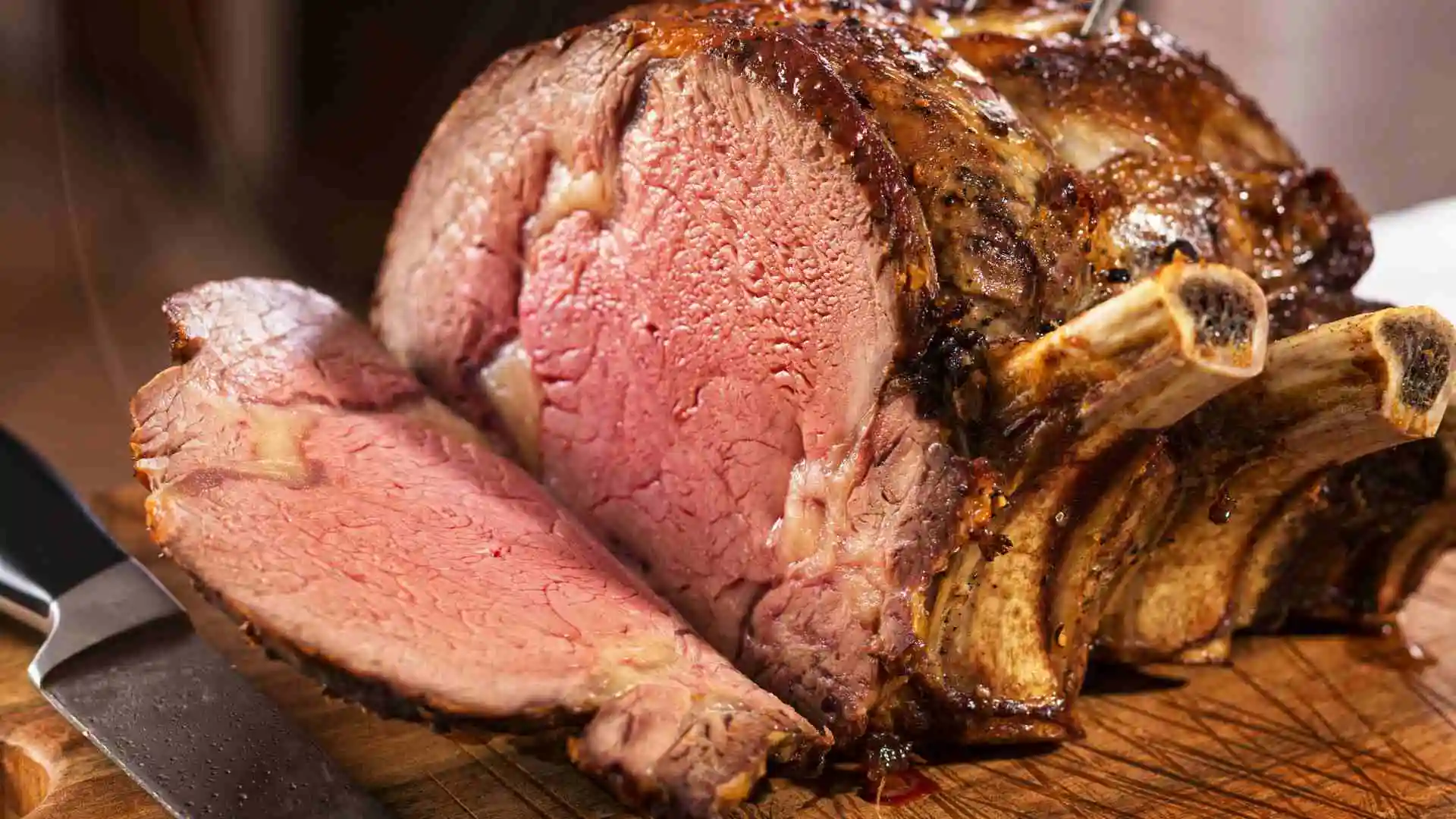
Choosing the best cut of beef for roast is very important. Because a good cut of beef will lead to a delicious and tender meal. If you are hosting a special dinner or creating a Sunday family roast, the type and quality of the beef roast cust will enhance or ruin the meal. All cuts of beef roast do not respond the same to heat, seasoning, and slicing. There are some cuts of beef that are tender as they exist. While others require time over low heat to allow the toughness of the cut to break down and deliver the desirable tenderness and flavour profile.
How to Choose the Best Cut of Beef for Roast
When you choose a roast you should first decide the cooking method. If you are using it for a boiled beef dish you should look for the tougher cuts of meat with connective tissues – chuck and briskets. If you are dry-roasting, you should look for the leaner cuts of meat with good marbling.
Also, think about how well you will serve it. For slices of roast beef, consider the more uniform shapes such as top rump or sirloin. If you are shredding the meat then a chuck roast is preferable. It all depends on your budget, cooking times and textural preference.
When buying beef in Ireland, always look for the Bord Bia Quality Mark on the packaging. This is your assurance that the beef is Irish-born, reared and slaughtered to approved standards. Where possible, buy from your local Irish butcher rather than a supermarket shelf — they will often stock aged Irish beef that has been hung for two to three weeks, which produces a far deeper flavour and more tender texture than fresh-cut meat.
Roast Beef Cuts by Type and Use
Ribeye Roast (Standing Rib Roast)
The type of beef cut you choose depends on the usage of the meat. Here are some of the most popular bereft cuts for roast.
The ribeye roast is a prime cut of beef with a very high fat content with marbling that adds flavour and tenderness. The ribeye roast is also the best cut of beef for roast beef recipes. It is particularly good for bone-in cuts of ribeye roast which have rib bones attached for increased moisture. This is one of the most tender beef cuts to be served. It would be a great option for a special occasion, like preparing a festive roast for Christmas in Ireland.
In Ireland, ribeye roast is sometimes sold as “rib of beef” or “côte de boeuf” at premium butchers. It is worth asking your butcher to prepare it on the bone, as this adds considerably to the flavour during cooking.
Tenderloin Roast (Chateaubriand)
Cut from the loins, the tenderloin is the cow’s most tender muscle. And also the most expensive. The tenderloin does not have the rich beef flavour of the ribeye, but it does have excellent texture. The tenderloin is best served medium rare and is also where presentation counts the most.
Top Sirloin Roast
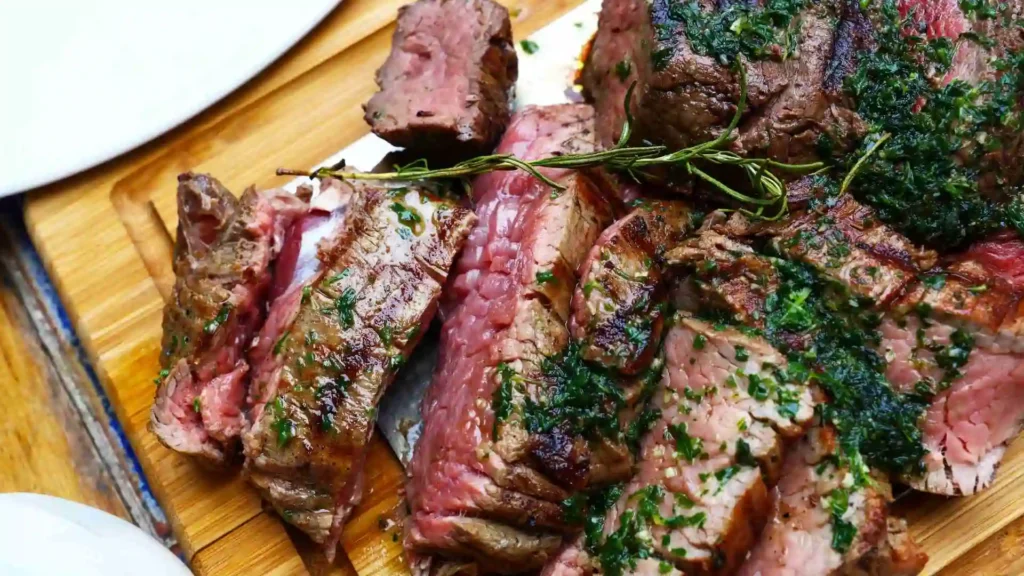
Top sirloin represents a balance among tenderness, taste and price. It is a lean cut, but it is still flavourful. Perfect for oven roast beef, that is perfect for slicing thin for gravy style meals. The cut enjoys popularity on both American and Irish beef cuts.
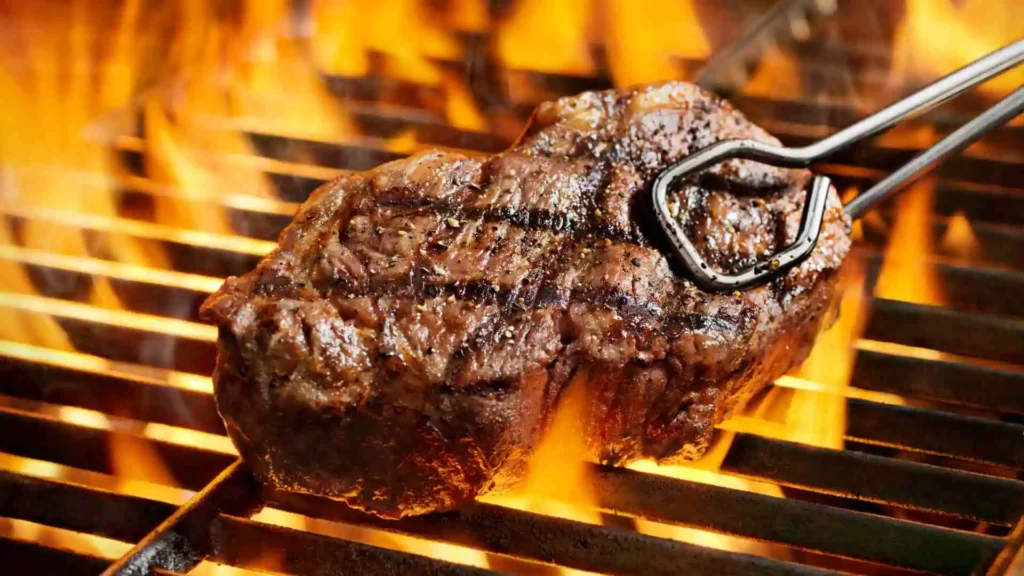
In Irish butcher shops, sirloin joints are usually sold boned and rolled for easier carving. Start it at a high heat — around 220°C or 200°C fan — for the first 20 minutes to develop a good crust, then reduce to 180°C for the remainder of the cooking time.
Tri-Tip Roast
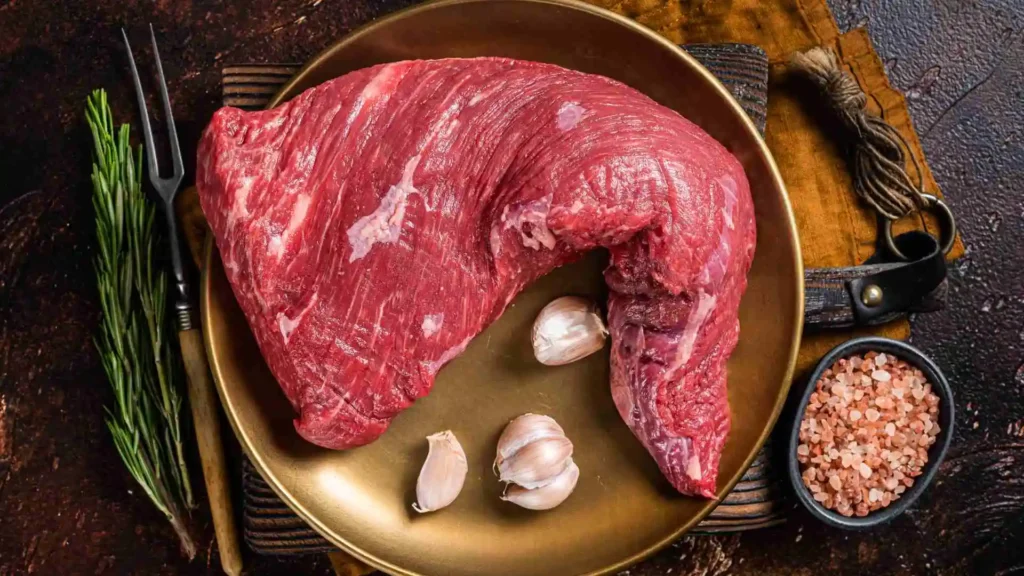
There are many cuts of beef but the triangle roast comes from the bottom sirloin. It has a nice lot of flavour and some fat. This cut is not traditional in Irish cooking. However, it has many cooking methods and can be grilled or roasted in the oven. Always cut against the grain to maximise tenderness.
Chuck Roast
The chuck is a shoulder cut that is full of connective tissue and fat. It is not sedentary right away. It will become tender with long, moist cooking. Use this cut for low and slow beef dishes such as pot roast or for shredded beef for sandwiches and tacos.
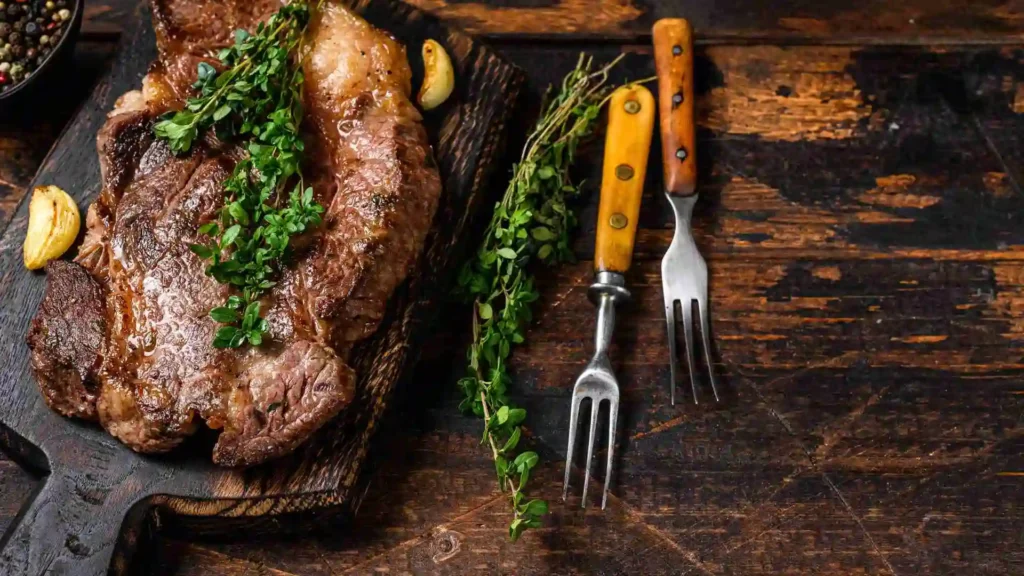
In Irish kitchens the chuck roast is a great match for a traditional braised beef dish with root vegetables, a splash of Guinness and a low oven for three to four hours. The connective tissue melts down into the cooking liquid, producing a rich sauce that is hard to beat on a cold evening.
Brisket
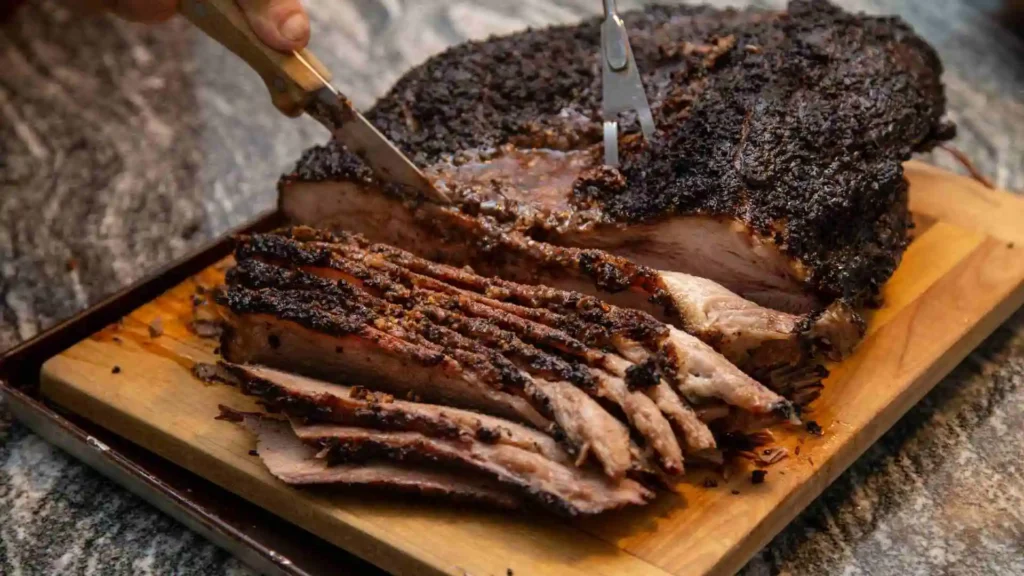
Yet another tough cut, brisket is meant to be cooked low and slow. A process that takes many hours, it becomes buttery and juicy. Brisket is not intended to slice like a traditional roast, but is great for shredded BBQ or roast beef.
Rump Roast
The rump roast is a cut from the hindquarter. The cut is lean and has a very beefy taste. The price is right, but it can be dry if cooked wrong. These cuts of meat should be prolonged in an oven at a lower temperature. The bulk nature of this meat is ideal for meal prep or large families.
Brown the rump roast in a hot pan on all sides before transferring it to the oven. This seals in the juices and develops a darker, more flavourful crust. Cooking it fat side up in the roasting tin allows the fat to baste the meat naturally as it renders down.
Silverside
Silverside is a lean cut taken from the outer side of the hindquarter. It sits alongside topside and is very commonly found on the shelves in Tesco, Dunnes Stores and SuperValu across Ireland. It is slightly tougher than topside, and while it can be dry-roasted, it rewards a slower, lower approach with plenty of basting or a small amount of liquid in the tin. Silverside is also the traditional cut used for corned beef, which remains a firm favourite in Irish households. When cooking silverside as a roast, keep the heat low — around 160°C fan — and allow roughly 25 to 30 minutes per 500g for a well-done result. Serve thinly sliced with a good horseradish or mustard on the side.
Eye of Round Roast
This is a very lean, firm cut and has little marbling. It looks like a tenderloin but does not have the same texture. Cook it to medium and slice thinly. A nice cut for use as cold roast beef and also cold sliced sandwich meat.
Sirloin Tip Roast
Often confused with top sirloin, this cut is from the round. It is lean and moderately tough. It is best either marinated, or rub with seasoning, then roast and slice thinly.
Irish Beef Cuts: Top Rump vs Topside
Two popular traditional Irish beef cuts are topside and top rump. Both of these cuts are taken from the hindquarter and are very lean. Understanding the top rump vs topside question will help you to decide on the best cut of beef for roast.
Topside is very lean and is a good cut for slicing cold. When roasted, the topside can dry out very easily, unless it is well basted, or cooked in plenty of fat. Topside is best served cold, with a condiment such as mustard or horseradish.
Top rump has more marbling than topside and is more forgiving when cooking time is not exact. A top rump roast will give you a much juicier roast served hot and sliced. This cut is very popular across the country as the choice for Sunday roast beef.
Cooking Methods – Slow Cook vs Oven Roast
Slow-cooked beef works best with tougher cuts like chuck, brisket, and shin. These cuts contain a lot of connective tissue that melts into the beef during long, moist cooking. You turn fairly tough cuts of protein into luxurious braises and stews. Most home cooks will have greater success with an oven roast beef using a leaner, more tender cut of beef, such as ribeye, top rump or sirloin. Dry roasting will bring out even more flavour in a cut of meat this good, as well as ensure, when done correctly, a juicy piece of beef. You should always use a meat thermometer and understand doneness.
| Cut | Tenderness | Flavour | Cooking method | Best for |
| Ribeye roast | Very | Rich | Oven roasting | Special occasions |
| Tenderloin roast | Extremely | Mild | Oven roasting | Elegant dinners |
| Top sirloin | Moderately | Good | Oven or grill | Everyday meals |
| tri-tip | Medium | Bold | Oven, grill, BBQ | Versatile dishes |
| Chuck roast | Tough | Deep | Braising, slow cooking | Stews, shredded beef |
| Brisket | Tough | Smoky | Low & slow | BBQ sandwiches |
| Rump roast | Medium | Beefy | Oven roasting | Family meals |
| Eye of round | Firm | Mild | Oven, slicing thin | Roast beef sandwiches |
| Sirloin tip | Firm | Moderate | Roasting, slicing thin | Budget roasts |
| Topside | Lean | Mild | Oven, slicing cold | Sliced roast beef |
| Top rump | Leaner than sirloin | Juicy | Oven roasting | Sunday roasts |
Tips on Buying and Storing Roast Beef Cuts
Choose beef that has a lot of fine white marbling and bright red colour. Avoid greyish or brownish tones. For top quality roasts, check with your local butcher. They often carry some unique Irish cuts of beef that supermarket butchers would not carry. Which are as unique as some of the Irish expressions you’ll hear when chatting with a local butcher.
Fresh beef can be put in the fridge (0–4°C) to be eaten within 3 days. If freezing fresh beef it should be tightly wrapped using cling film and foil to prevent it from freezer burn. Once cooked thawed beef should be refrozen within a couple of hours (ASAP ideally).
Allow the beef ‘rest’ after roasting and before cutting. Resting your beef allows all the juices that have been cooked to redistribute throughout the meat so that you eat delicious and juicy beef.
Conclusion
Whether you’re cooking for a group or a small number of people, the correct cut of beef roast matters. For occasions where tenderness and flavour are paramount, we suggest ribeye or tenderloin cuts of beef. Chuck and brisket will stand up against all the slow-cooked beef recipes in your favourite cookbooks. If you’re deciding between top rump and topside, consider your intended use as a hot roast or cold roast slices.
Let your budget, taste and method guide you. Know your cuts of beef roasts and you will make great meals time and time again.The next time you visit the butcher or supermarket, you’ll know exactly which cuts of roast beef to select. Choose wisely, cook with care, and enjoy the incomparable flavour of a perfectly roasted beef dish.