
Nollaig na mBan | Origins, Rituals & How Ireland Celebrates Today
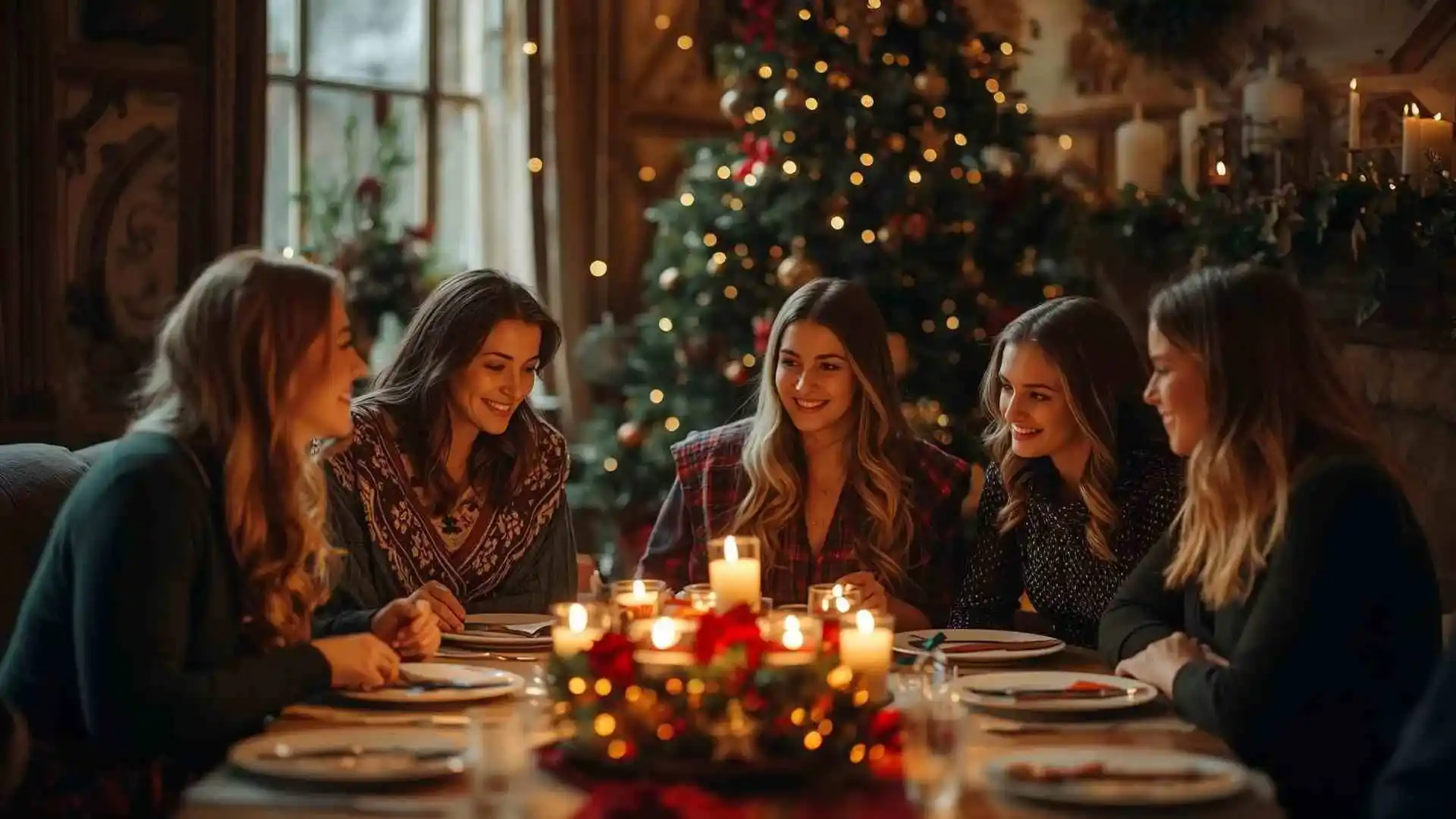
Nollaig na mBan (Null-ig na Mon in other words Women Christmas) is a special Irish day observed every January 6th. This day is the same as the Christian holiday of the Epiphany (or Twelfth Night), which is the official end of the Christmas season in Ireland.
The Epiphany glorifies the coming of the Epiphany Magi (Three Kings) to pay homage to the Christ Child. Nollaig na mBan is a sign of recognition to the women of the house, who do massive work during the hectic Christmas season.
It is also called Little Christmas or Old Christmas, and it gives the women time to relax, socialise, and symbolically end their household tasks prior to the New Year actually coming.
Historical Origins and Folklore
To understand its meaning, it’s important to look at how it developed across centuries of Irish traditions.
Origins of the Holiday – Jan 6, Epiphany, Twelfth Night Connection
Nollaig na mBan takes a strong philosophical foundation in the historical tradition of celebrating the termination of the twelve days of Christmas. January 6th has two meanings: it is the Twelfth Night, when the Christmas decorations must be taken down, and the feast of the Epiphany.
In some traditions, the Epiphany was considered a more important holiday than Christmas Day itself. The tradition of celebrating women on the day was probably an act of social conformity and not a religious one.
It is a result of the extreme fatigue experienced by women who attended weeks of planning, cooking, and entertaining during St. Stephen’s Day celebrations. The emphasis had moved away from the biblical Magi to the women who were the mainstays of the domestic Christmas celebration.
Folklore and Superstitions
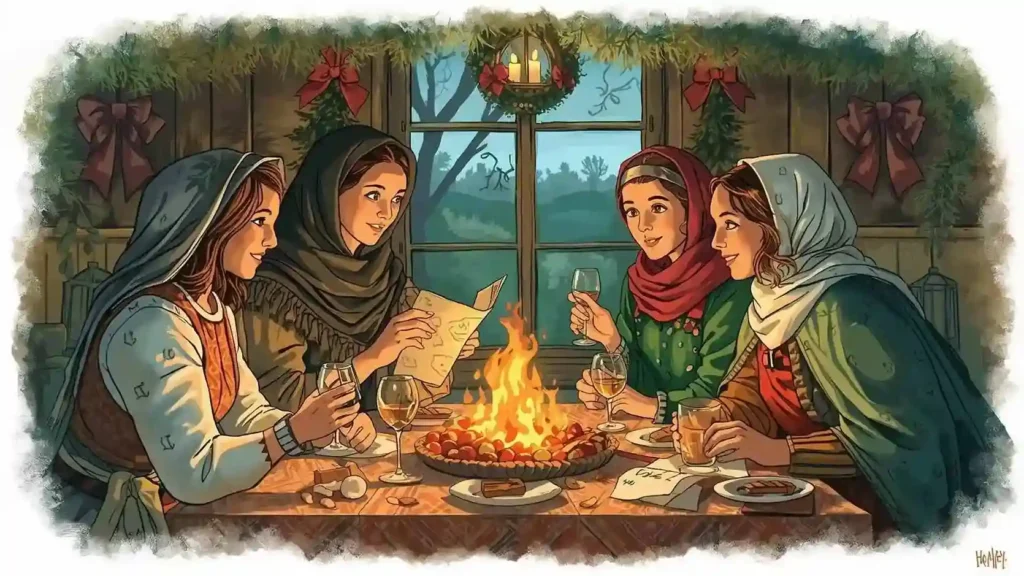
The symbolic acts and superstitions played an important role in Folklore across Ireland. The burning of the Christmas holly and other decorations was practised as a cleansing ritual. It meant that the holiday was over and bad omens should not be experienced in the new year.
The kitchen was an additional symbol. All domestic activity was customarily set aside, and women were not allowed to engage in any laborious activity. Not even knitting or sewing, as it was thought to be a bad omen.
Rituals were very common, whereby candle lighting would be done as a sign of a good year. The basic rituals of fortune telling by using water or tea leaves would be done. Such traditions offered an ending to the season full of rituals, strictly observed.
Traditional Customs and Rituals of Nollaig na mBan
The cultural practices and customs are what make this day truly unique. The main idea is to provide rest to the women of the house after a week of chaotic celebrations.
Role Reversal: Men Take Over Chores
The role reversal in the home was the distinguishing tradition of Nollaig na mBan. On this day, all the domestic tasks were supposed to be done by men, who were expected to cook, clean, remove the decorations, and handle the children.
This break, which was symbolic, was a realisation of the hard-working women. The idea was to give the women a day of complete rest. This was old-fashioned compensation.
Women’s Social Gatherings
Women would go out to meet their friends and neighbours and would gather in their local tea rooms and pubs. Their domestic responsibilities were put on hold.
These were pure female social events, a day of unity and fellowship. These parties were generally small, and they consisted of tea and a slice of Christmas cake or plum pudding which had been stored away.
In other regions, women would use the remaining money they had at Christmas to hold a small party. It was an opportunity that was enjoyed by women each year to relax and share stories without their families.
Food and Drink Traditions
Food traditions of Nollaig na mBan are based on the use of the remnants of the Christmas delicacies. Although the main meal was being prepared by men (who, at best, were doing a basic job), the social meals centred on the extravagant, leftover holiday baking.
It was the usual fare: slices of the rich fruitcake at Christmas and barmbrack and big cups of tea.
The meaning of the food did not lie in a new feast but rather in the luxurious celebration of the end of the season in pleasant company. Even in a few places, the little money saved by the Christmas budget was expended on another glass of stout or one celebratory drink.
Rituals and Superstitions
Other rituals, in addition to the mere burning of holly, heralded the end of the season. By midnight, all traces of Christmas were to disappear from the house.
The household was cleansed or blessed in some Western countries. The other candles that were lit during the festive season were either blown out or burnt off completely, indicating the end of the sacred time of the year.
These tiny personal gestures were essential to provide good fortune to the coming year and to reverently get out of the Christmas season.
Decline, Regional Variations, and Revival Over Time
Like many rural traditions, there came major shifts in Nollaig na mBan in the 20th century, but recently, it bounced back with a revival.
Decline Across Ireland
Similar to a lot of the traditional practices, Nollaig na mBan experienced a massive drop in the 20th century. Urbanisation, social change, and the growing modernisation of Ireland resulted in the loss of lots of practices, which were rural-based and were more domestic.
With the onset of the redefinition of conventional gender roles, the essence of a day off for women who had been doing the job all along also became less universal. The tradition was largely buried for a while in the memory of the very old.
Strongholds of Tradition
Although the general decline was great, the tradition was remarkably strong in some sections of the country, especially in Cork and Kerry in the southwest.
Even in the decline, the custom did not completely die out in these strongholds; women still gathered in groups, usually in pubs or community halls. Such territories preserved the social meaning of the day, which has become culturally strong.
Modern Revival Efforts
Over the past 20-30 years, Nollaig na mBan has enjoyed a major and vigorous contemporary revival. This is usually necessitated by an interest in the revived Irish heritage and a need to celebrate female solidarity.
New celebrations involve systematic cultural fetes, massive person-community events, book events, and advanced pub nights. The spirit does not change: a day of finding the women in the community.

The day has also been adopted by charities, making the celebrations a fundraiser for the cause of women and bringing the long-held tradition a fresh and strong aim.
What Nollaig na mBan Means for Women Today
It carries a renewed message today. It has become a day to acknowledge and celebrate women’s contributions, strength, and their community ties.
Symbolic Recognition of Women
Nollaig na mBan is now a very strong symbolic identification of the domestic, social, and cultural work done by women on a daily basis. But the Christmas season is such a hectic one.
Although in modern families, the distribution of chores may be more fair, the tradition supports the importance of the role women play in the context of family and community life. It is time to recognise and appreciate this effort together.
Community and Social Aspect
Female solidarity is still at the centre of the contemporary celebration. The day is committed to women and to supporting other women, their friendship, and making them feel a part of the community.
It might include a formal dinner, a coffee morning out, or going to a pub. It is a time off work, children and home to have female company and a party.
Modern Celebrations
Modern holidays are varied and common. These range from small and intimate groups of friends to large, open events such as festivals or gala dinners. The day has been redefined and adapted to modern life without losing the essence of history.
The cultural redefinition has been directed to giving women a voice, achievements, and issues that are pertinent to women in Ireland. This makes the tradition pertinent, not stagnant. The day has turned into more of a cultural rest day than just a rest day.
How to Celebrate Nollaig na mBan in 2026
There’s no single way to celebrate Nollaig na mBan, but here are some ideas for you to make this year’s celebration more meaningful.
Hosting Gatherings
There is nothing more genuine than going out with the significant women in your life to celebrate Nollaig na mBan.
- Tea Party: Have an Irish tea party where the emphasis is placed on good conversation and rest.
- Book a Dinner: Have dinner with your female friends, and leave all the cooking and clearing up to the restaurant (or the men at home).
- Social Visits: Pay impromptu visits to female family members and neighbours just in the same manner it used to be done in olden days.
Food and Drink
Incidentally, include the traditional in your party:
- Barmbrack and Cake: Serve the final of the celebratory sweets, such as Christmas cake, plum pudding, or a freshly baked barmbrack.
- A Special Toast: Raise a glass of something celebratory, be it tea, stout, or bubbly, to the women of the household and the community.
Incorporating Old Customs
As a male partner, or other family member, seize the chance to have a real role reversal.
- Take care of the house: See to it that the men do everything related to chores, cleaning, and childcare on January 6th.
- Take Down Decorations: Deconstruct all Christmas decorations ritualistically.
- Symbolic Acts: Light a special candle or safely burn a small piece of old holly from one of your decorations, which marks the end of the period of festivities.
Conclusion
Nollaig na mBan is an Irish beauty, an enduring Irish culture which marks a strong end to the Christmas season. Founded in the strict old system of the Epiphany calendar, it has been transformed from a domestic rest, a needful holiday, into a glossy, contemporary expression of feminine solidarity and identification. And no matter the nature of the occasion, be it a small tea party or a big community affair, the essence of Women’s Little Christmas is the same. The occasion to celebrate women who are the glue of the family and the community.