
Bog Bodies Dublin Guide, See Ancient Remains at National Museum
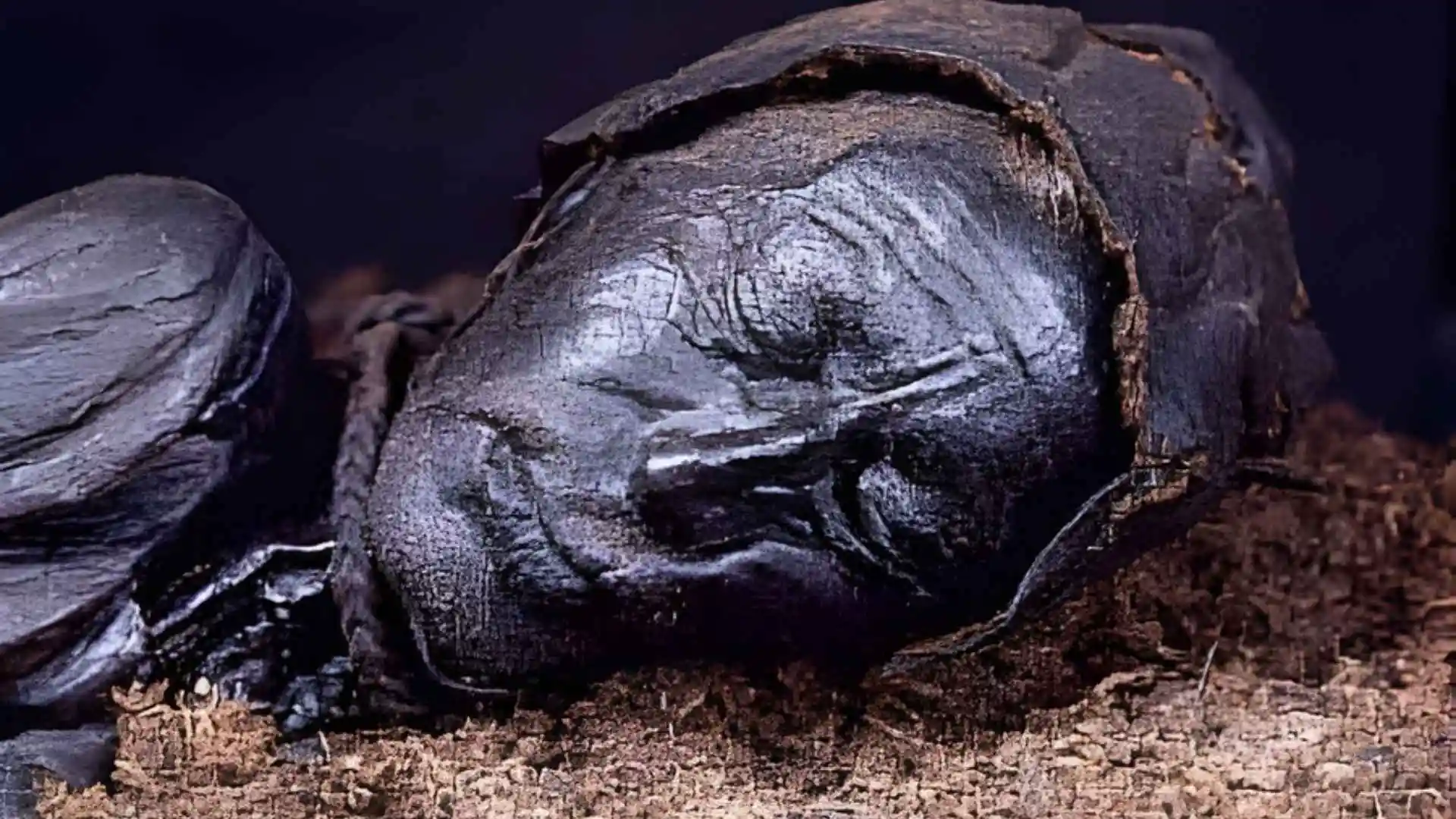
Bog bodies Dublin are ancient human remnants found in peat bogs. Certain environmental conditions in peat bogs slow the natural decomposition process of human bodies. These environmental conditions include low-oxygen, waterlogged, and acidic environments, to stop bacteria from breaking down the body tissues. It allows different body parts, such as hair, skin, and even internal organs, to survive for thousands of years.
Famous bog bodies from Dublin have provided useful insights into ancient rituals and life. These preserved bog bodies have helped researchers understand early European life and culture. It also shows the significance of natural preservation in peat bogs.
History of Bog Body Discoveries in Ireland
Irish bog bodies have an interesting history of discoveries. The early bog bodies discoveries in Ireland happened accidentally when locals found them while turf cutting. They mistook the human remains for recent burials before researchers realized that these were ancient humans. The history of these bog bodies dates back to the Iron Age (500 BC- 400 AD). Initially, these humans were buried as part of tradition or punishment. With the passage of time, turf cutting and modern research discovered them. Improved and modern archaeological methods helped to save these discoveries, changing these accidental discoveries into valuable archaeological finds. Now, these discoveries serve as evidence of ancient Irish life.
Major Bog Bodies on Display in Dublin
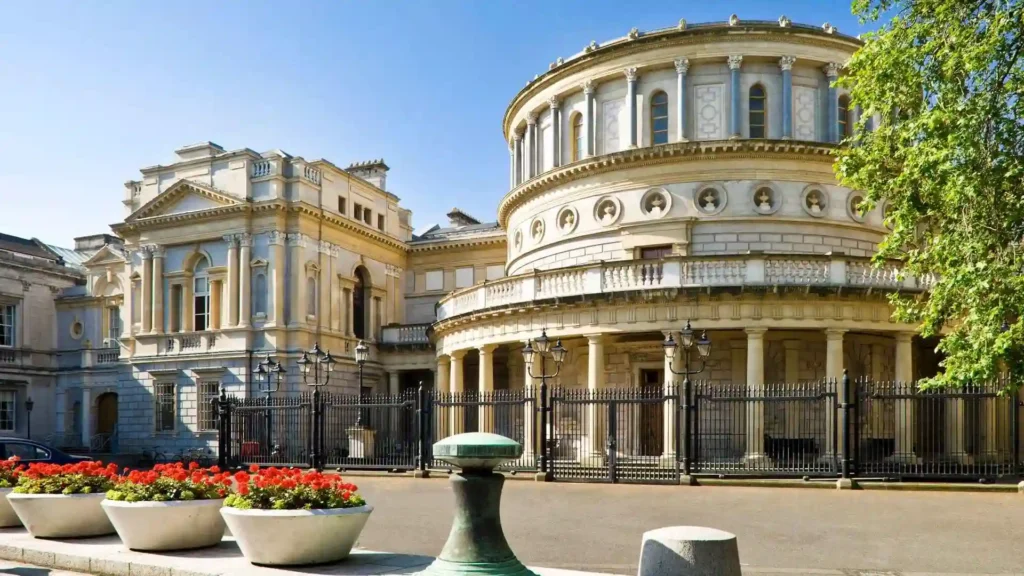
The National Museum of Ireland is the major place to hold the preserved human remains.
Many exhibitions take place, where these bog bodies are displayed along with other weapons and objects. The ritual objects and weapons show how these remains are connected to kingship and ritual practices of that time. Some of the victims were buried along the tribal boundaries and offer insights into ancient Irish political life.
Old Croghan Man
Old Croghan Man, discovered in 2003, is one of the most famous Iron Age Bog bodies in Dublin. It was found in County Offaly and is now exhibited in the National Museum in Ireland. Scientists, using the Radiocarbon method, declared it to be from the Iron Age, over 2000 years ago. The long stature and well-preserved nails showed that the man was not a labourer and belonged to a high social status. The remains from his stomach suggested that the last meal he had was wheat and butter milk. Evidence of violence helped researchers understand how he died. He was buried as a part of a ritual sacrifice or political practice. Old Croghan Man Dublin exhibitions present him as an example of the Iron Age bog bodies in Dublin research.
Clonycavan Man
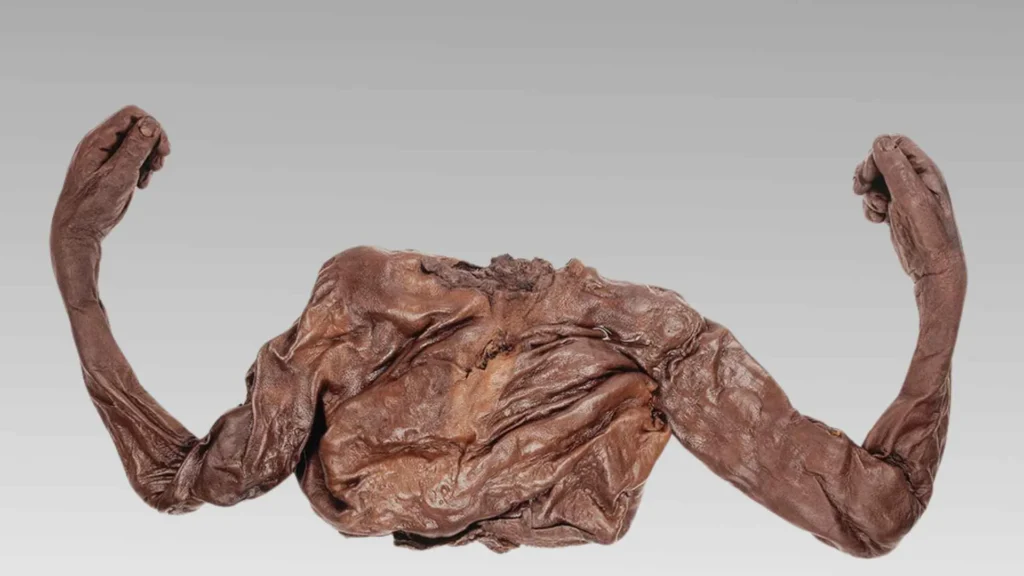
Clonycavan Man, Dublin, highlights the advanced bog bodies that Dublin has preserved. It was discovered in 2003 in County Meath. He lived around 2300 years ago during the Iron Age. Modern scientific methods and forensic research show that he died because of fatal blows to his head. The blows were likely from an axe. Scientific studies have discovered that the use of hair gel by him shows his elite social status. His remains were part of the National Museum of Ireland, portraying a picture of kingship and sacrifice. Clonycavan man symbolises the social structure and violent practices of Iron Age Ireland.
Other Bodies (Gallagh Man, Baronstown West Man, Cashel Man)
Gallagh Man, Baronstown, and West Man, Ireland, are some other examples of bog bodies. Gallagh Man, found in 1821, dates to the Iron Age. It is an apt example of violence, ritual killing, strangulation, and forceful burials.
Baronstown West Man was discovered in 1953. He was buried in leather layers, which shows proper burial practices.
Cashel Man was discovered in 2011 in Laois. It dates back to 2000 BC, which makes it one of the oldest preserved bog bodies. These bog bodies provide evidence of ancient Irish life, social beliefs, and ritual violence.
Archaeology and Science Behind Bog Bodies
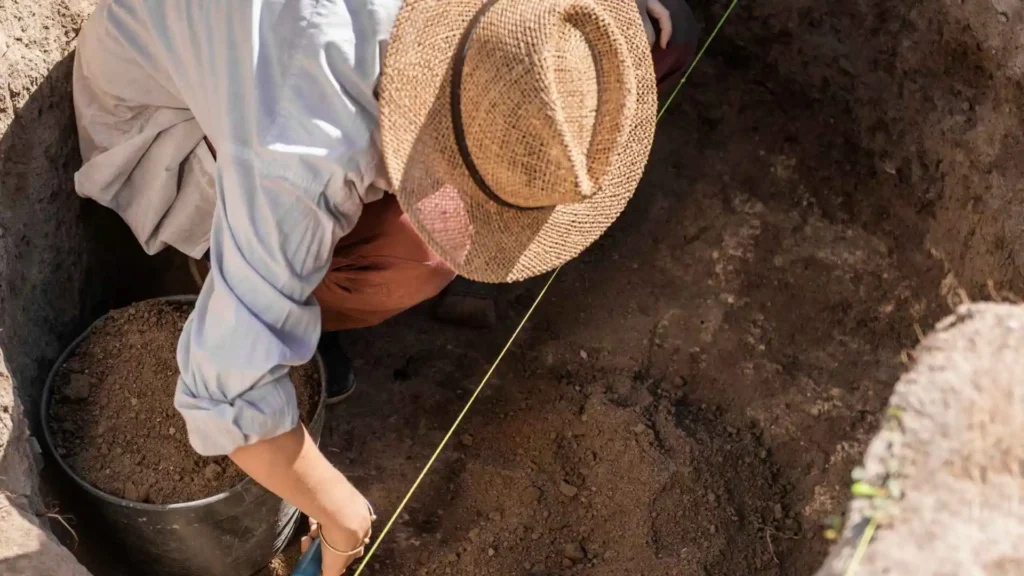
Modern archaeology of bog bodies in Ireland uses the latest scientific methods and tools to study these human remains. These scientific tools include CT Scanning, DNA analysis, Palaeodietary analysis, and fingerprinting, etc. CT scanning is used to examine bones, fractures, and internal structures in detail. DNA analysis helps to determine genetics, ancestry, and possible relatives. Palaeodietary analysis helps to examine the stomach content, the food they had, and isotopes in nails and hair. If the bog bodies are well-preserved, fingerprinting is also possible. This bog body research in Dublin and across Ireland helps reconstruct ancient lifestyles, showing a clear picture of prehistoric societies.
Ritual, Kingship, and Theories of Death
There is a debate about why the bodies were buried in bogs. There are various theories related to the bodies buried in bogs. Some suggest the sacrifice theories related to kingship and sovereignty rites. Failed rulers were killed and buried. Some explanations tell about the boundary rituals, where bodies were buried near the boundary for spiritual protection. Certain individuals with criminal charges were also buried in bogs. Modern scholars combine these ideas and conclude that these burials may have social, political, and religious purposes. These explanations show how power, belief, and law shaped early Irish society.
Visiting Bog Body Exhibits in Dublin
If you plan to visit the Dublin bog bodies National Museum displays, pay a visit to the National Museum of Ireland. The museum is also featured among the best free museums in Ireland, making it an easy addition to any Dublin itinerary.
- It is located on Kildare Street in Dublin city centre.
- The museum is open from Tuesday to Saturday, 10 am to 5 pm. For Sunday and Monday, it is open from 1 pm to 5 pm, with the last entry around 4:30 pm.
- Admission is free for all kinds of visitors. However, if you are a large group, you need advanced booking.
- For the best experience at bog bodies Ireland exhibitions, consider visiting during weekdays, mornings, or early afternoons.
How Bog Bodies Change Our View of Ancient Ireland
Bog bodies have transformed the way historians view ancient Ireland. They have helped historians learn much more about how people lived and their social lives. The discoveries about diet through stomach remains depict the food, such as grains and dairy, that they had. Different scientific methods help to explore the evidence of health conditions, social status, and ritual behaviour. Evidence of violence represents the complex belief system, the rule of power and authority at that time. It is also visible from the bog bodies that Irish society was organised and culturally rich. Historians and researchers, with the help of bog bodies, see a new Iron age Ireland with spiritual, social, and political beliefs.
Recent and New Research in Bog Body Studies
Research in bog bodies through discoveries and scientific research has continued in recent times. The latest find is the Ballymacombs More Woman, which was discovered in 2023 in Northern Ireland. This latest discovery is still under study. According to the research, the body is of a young Iron age woman. She died a violent death, possibly for ritual reasons. The latest studies are proof that modern forensic science keeps refining the earlier research.
Also, the recent academic projects are focusing more on landscapes, pollen, environment, and bog formations. The purpose is to understand the reasons for putting bodies in bogland.
Bog body archaeology 2026 is expected to focus more on DNA sequencing, isotope mapping, and digital scanning. New studies and discoveries continue to reshape the understanding of prehistoric societies.