
Fionn Mac Cumhaill Legends, Fianna Leader in Irish Mythology
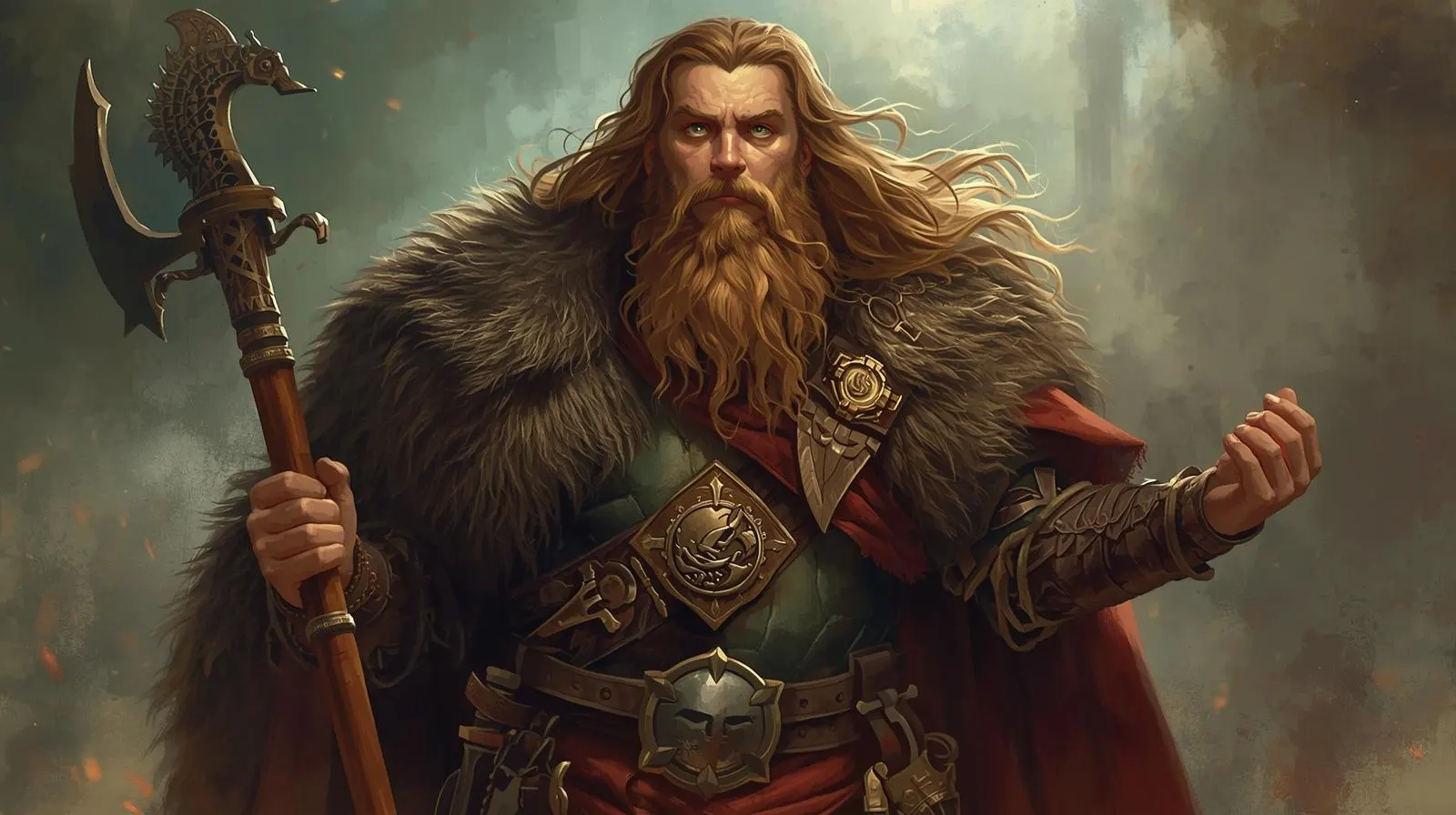
Irish mythology is incomplete without Fionn Mac Cumhaill, one of the most famous heroes in the Fenian cycle of Legends. Described as the leader of Fianna, he was an experienced fighter and hunter. Wisdom, poetry, and prophetic abilities have made him memorable. Many stories depict him gaining supernatural knowledge from the Salmon of Knowledge. Eating the Salmon strengthens his role as a warrior and sage.
From a cultural perspective, he embodies leadership qualities. His character shows a deep connection between folklore and Irish identity. Fionn’s stories have a profound influence on literature, place names, and storytelling traditions.
His name is often anglicised as Finn McCool, used in English-speaking contexts. Its pronunciation varies, with the Irish form reflecting Gaelic linguistic sounds.
Origins and Early Life of Fionn
Talking about Fionn’s early life, he had a powerful lineage. His father, Cumhail, was the commander of the Fianna. After he was killed in a battle, his mother got scared about his safety and sent him into hiding. These early life stories prepared Fionn Mac Cumhaill for leadership, destiny, and survival.
Two warrior women, Bodhmall and Liath, raised Fionn. They taught him combat, survival, and hunting skills in the wilderness. Their training prepared him as a fighter and thinker for his future leadership roles in Fianna.
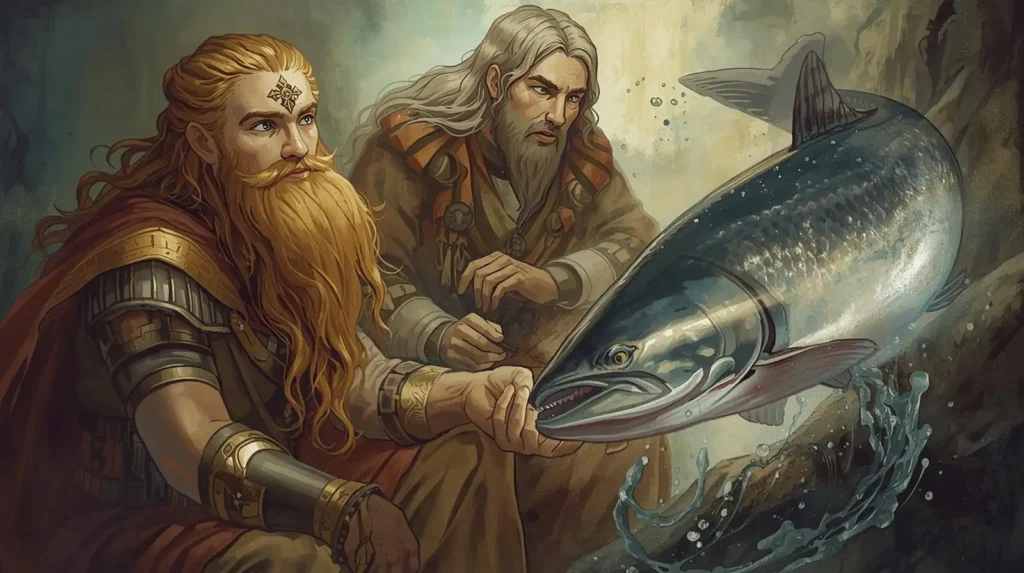
The Salmon of Knowledge story is the most famous story from his youth. In Irish mythology, the Salmon was believed to have all the world’s wisdom. The poet Finegas tried all his life to catch this fish. When he finally saw this, his student Fionn Mac Cumhaill accidentally tasted it and gained great wisdom. While cooking the Salmon, he burnt his thumb and put it in his mouth for instant relief. As a result, he gained all the wisdom the Salmon had.
Major Legends and Adventures
Fionn Mac Cumhaill appears as a warrior, leader, and wise figure in the Fenian Cycle of Irish mythology. These legends combine romance, adventure, and supernatural elements. Over the years, these tales have shaped Ireland’s folklore and storytelling traditions. Many stories were orally transmitted, preserving Irish culture and heroic traditions such as bravery, wisdom, and loyalty.
Salmon of Knowledge
The Salmon of Knowledge story is a vital part of Fionn’s wisdom. He worked for a poet, Finegas. Finegas spent ages catching salmon. Salmon was considered to possess all the world’s wisdom. Fionn, while cooking the salmon, burnt his thumb and put it in his mouth. As a result, he acquired deep wisdom that salmon are believed to have.
The story symbolizes that knowledge and wisdom often come through luck. It also shows respect for nature, wisdom, and learning. Salmon represents the hidden knowledge that is given only to those who are worthy of it.
The Giant’s Causeway Legend
The Giant’s Causeway legend tells of Fionn’s enmity with a Scottish giant, Benandonner. According to folklore, Fionn built a pathway across the sea to fight the giant. When Fionn saw that Benandonner was much larger than he had expected, he ran back home. His wife disguised him as a baby. Benandonner thought, after seeing the baby, that if the baby is of this size, the father must be enormous. He got scared and ran back to Scotland, destroying that pathway Fionn had built.
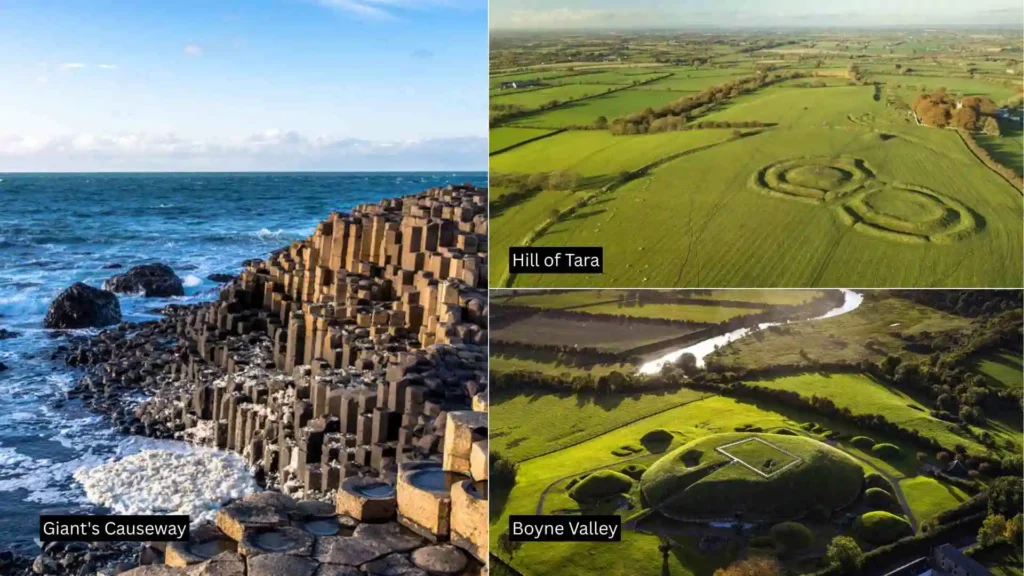
Today, the Giant’s Causeway is the real site in Ireland, made of hexagonal columns formed by volcanic activity. In ancient days, people used myths to explain the existence of natural landscapes, blending science, storytelling, and heritage.
The Pursuit of Diarmuid and Gráinne
The Pursuit of Diarmuid and Gráinne is a tragic folklore. According to the story, Gráinne was committed to marry Fionn. However, she fell in love with another young warrior, Diarmuid. He was a trusted warrior of Fionn, but he deceived him. Gráinne cast a magical spell on him and forced him to elope with her. Fionn and Fianna chased them across Ireland.
The story revolves around the themes of loyalty, love, and fate. Some versions of the story also show that Fionn later helped Diarmuid, despite being betrayed. Eventually, Diarmuid died from a magical boar wound, making the story a tragic one.
Tír na nÓg and Oisín
Oisin legend shows a link between Fionn’s family and Tír na nÓg and Oisín, an Irish land where people never age. Osin, Fionn’s son, fell in love with a woman in that land. He travelled there with her. He lived happily with her for a short time. However, when he came back, hundreds of years had passed.
The story explores themes of time, loss, and the pull between the human and supernatural worlds. It also shows that Fionn’s legacy continues through his son’s adventures in the Irish mythical land.
Fionn’s Role in the Fenian Cycle
The Fenian Cycle is one of the primary cycles of Irish mythology and focuses on the adventures of the Fianna, led by Fionn Mac Cumhaill. Unlike the other mythical cycles, the Fenian cycle focuses on stories of heroism, honour, nature, and destiny. These stories were traditionally passed down orally and survive today among popular Irish folklore stories , but later they were saved in manuscripts.
Fionn is the central character of the cycle as the leader of the Fianna, an elite group of hunters and warriors. They protected Ireland from threats and protected it. Fianna was famous not only for fighting and hunting, but also known for poetry, wisdom, and respect for nature. Fionn is portrayed as a wise leader, especially after gaining knowledge from the Salmon.
The most famous folktales depict his adventures. These folktales include the Pursuit of Diarmuid and Granne, Oisin’s journey to Tir na nOg, and other adventures. The cycle shaped Ireland’s heroic identity, as it is one of the most influential parts of Irish folklore.
Cultural Legacy and Influence
Fionn Mac Cumhaill has left a profound impact on Irish culture. His stories continue to influence literature, folklore studies, tourism, and national identity to this day. Many places in Ireland and artworks are named after Fionn and Fianna. Fionn’s legends inspire the giant-themed festival. Events celebrating local myths and storytelling take place in Ireland and Northern Ireland.
Various folklore figures, including Fionn, have appeared in modern media. A folklore-themed stamp collection also evidences the celebration of legendary figures. Overall, Fionn represents an ideal Irish hero: strong, wise, and loyal to his land.
Places You Can Visit Linked to Fionn
There are several locations in Ireland associated with the legends of Fionn Mac Cumhaill.
- Giant’s Causeway: As per folklore, it was built by Fionn Mac Cumhaill to fight a Scottish giant.
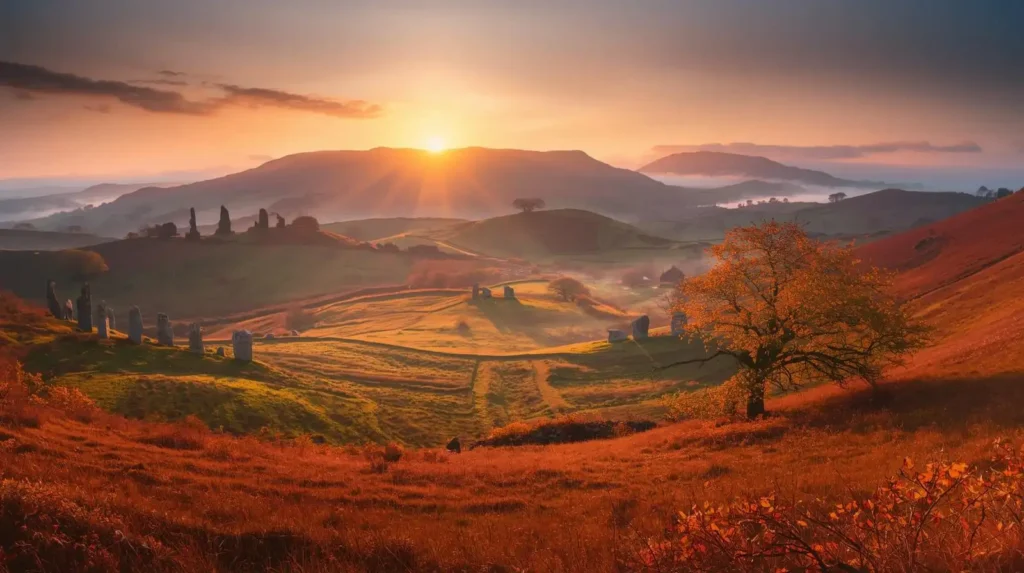
- Hill of Tara (County Meath): An ancient ceremonial site linked to early kingship traditions.
- Boyne Valley (County Meath): This ancient monument and myth-rich site represents a perfect picture of Ireland’s legendary past.
Travel tip: Most of these sites are part of Ireland’s “Ancient East” tourism route.
This makes it easy to visit multiple myth-related places in one trip.
Conclusion
Fionn Mac Cumhaill is Ireland’s most fascinating legendary figure. As a warrior and leader of Fianna, he represents wisdom, leadership, and loyalty. His stories have a profound impact on Irish folklore, cultural traditions, and storytelling. In recent days, his legacy is visible in festivals, tourism, folklore, and heritage sites. Fionn continues to represent the heroic spirit of Ireland from ancient tales to modern-day festivals. His name today shows a connection between myth and national identity.