
Selkie Mythology in Irish Folklore and the Meaning Behind the Legend
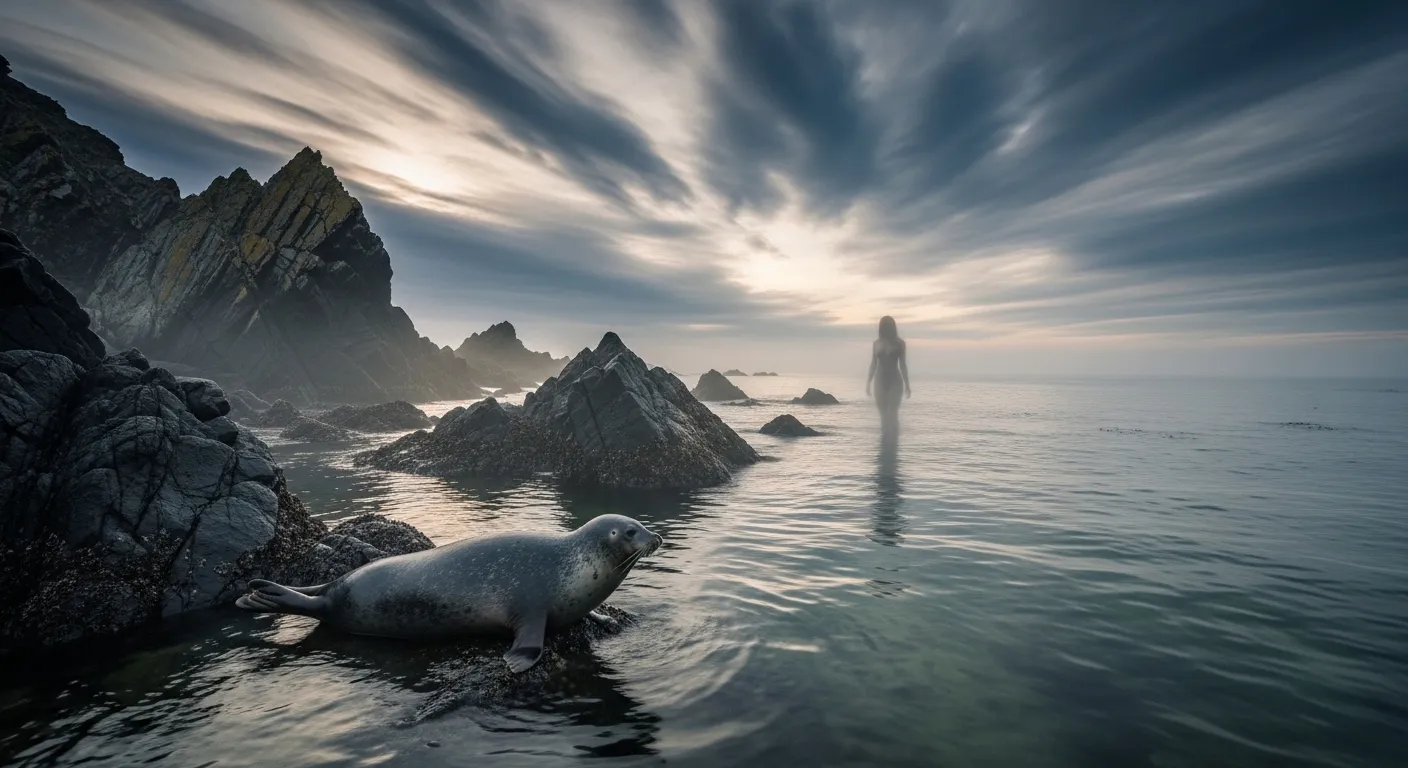
Selkie mythology is one of the most intriguing parts of Irish folklore, especially in coastal areas where seals have long been part of everyday life. In old stories told along the Atlantic shoreline, selkies are described as seal beings that can step onto land and take human form by removing their seal skin. These legends were passed down through generations in places where the sea shaped daily living, and where unusual sights along the shore often became part of local storytelling.
What makes selkie mythology stand out in Irish tradition is the emotional weight behind the stories. They are rarely told as tales of fear. Instead, they focus on longing, belonging, loss, and the pull of the sea. In many ways, selkies are remembered less as magical creatures and more as figures caught between two lives, unable to remain fully in either world.
What Is a Selkie in Irish Mythology
A selkie is a mythical being that lives as a seal in the sea but becomes human when it comes ashore and removes its skin. In Irish folklore, the best known stories usually describe female selkies who appear on isolated beaches at night, leaving their seal skin hidden nearby before walking on land in human form.
A common belief in these stories is that if someone finds the seal skin and hides it, the selkie cannot return to the sea. This becomes the centre of many legends, where a fisherman or local man keeps the skin hidden and the selkie is forced to stay on land.
Over time, she may live in a house, marry, and raise children, yet she never fully loses her connection to the sea. The hidden skin always represents the part of her life that cannot be replaced. That is why selkie mythology carries such strong emotional meaning in Irish storytelling.
Where Selkie Mythology Comes From
Selkie mythology appears in both Irish and Scottish folklore, particularly in places where seals were common along rocky coasts and offshore islands. The word selkie comes from an old Scots term for seal, but the legend became firmly rooted in Irish oral tradition through centuries of coastal storytelling.
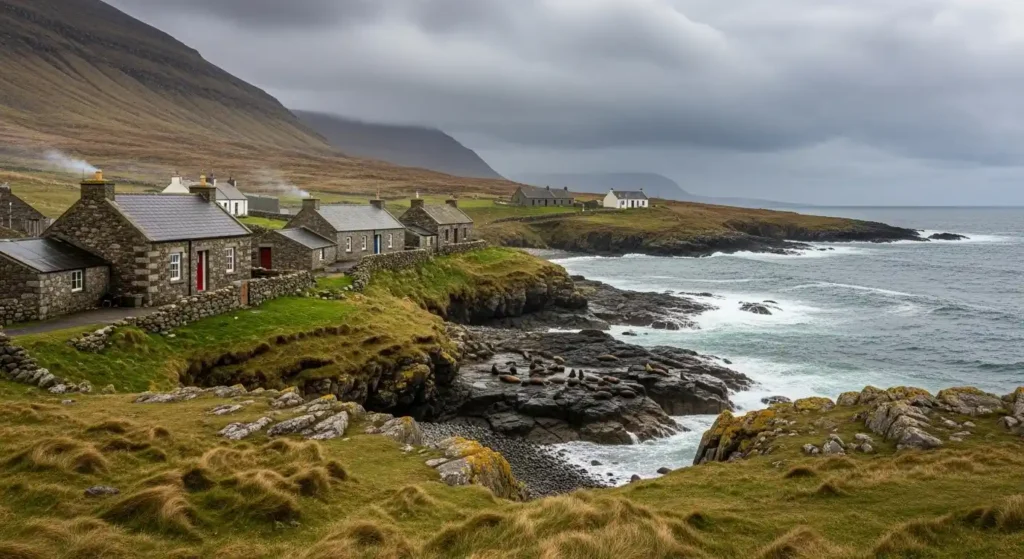
In Ireland, these stories were strongest in counties such as Donegal, Mayo, and Galway, where fishing communities lived closely with the Atlantic and often gave special meaning to sea life. A seal watching from the water was never always treated as an ordinary animal. In older traditions, some believed seals carried something almost human in their nature.
This belief likely grew from the way seals move, observe, and return to the same shorelines. In isolated places where folklore remained strong, that was enough to turn a sea creature into a lasting legend.
Why Selkies Hold Such a Strong Place in Irish Folklore
Selkies remain memorable because their stories deal with emotions that still feel familiar today. Many Irish legends describe a selkie woman who lives on land for years but never fully settles into that life, even when she becomes part of a family.
The sea remains present in every version of the story. It may not always be spoken about directly, but it is always there in the background, waiting.
When the hidden seal skin is finally found, the selkie returns to the water without hesitation. In many stories, she leaves quietly. In others, she is later seen as a seal near the shore, watching from the sea but never returning.
This ending gives selkie mythology its lasting power. It reflects the idea that freedom and identity cannot be held forever by someone else, no matter how much time passes.
How Selkies Differ From Mermaids
Selkies are often confused with mermaids, but Irish folklore treats them very differently. A selkie is fully seal in the sea and fully human on land. A mermaid remains half human and half fish at all times.
This difference shapes the kind of stories attached to each figure. Mermaids are usually linked with warning, mystery, or unusual appearances at sea. Selkies are more closely tied to family life, emotional conflict, and difficult choices.
That human side is why selkies often sit naturally beside other stories about irish mythological creatures, where supernatural beings often reflect ordinary human struggles.
Selkie stories are quieter than many other legends, but they often leave a stronger emotional impression because they feel close to real life.
Irish Coastal Places Linked With Selkie Stories
Some of the strongest Irish selkie traditions come from western and northern coastal counties, where seals remain common today. Donegal is especially associated with these legends because of its remote beaches, offshore islands, and long history of oral storytelling.
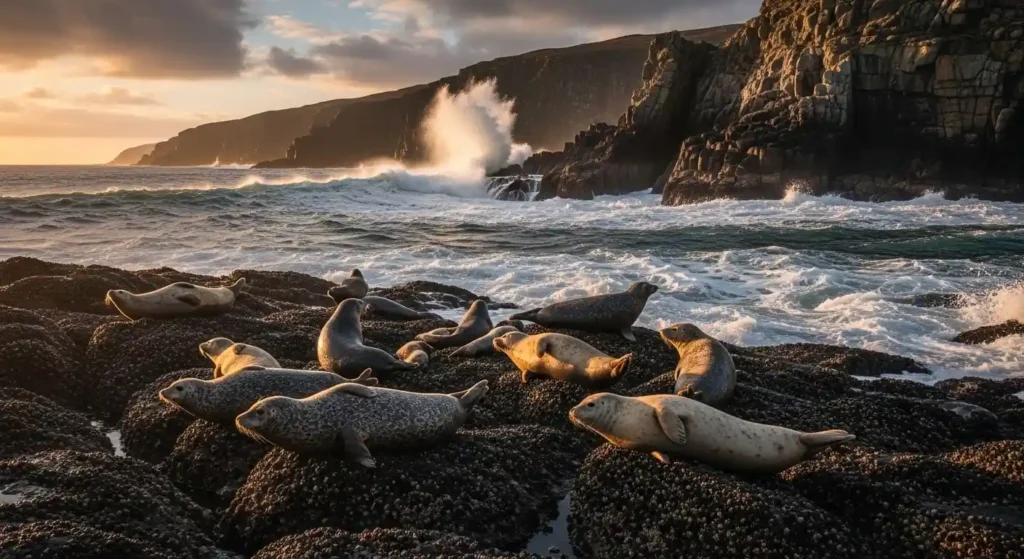
Mayo and Galway also have strong links, particularly in communities where fishing shaped daily life for generations. In these places, old stories often described seals gathering near the shore under moonlight, with some people believing they were waiting to return to human form.
The natural setting helped keep the mythology alive. Quiet beaches, heavy sea air, and distant seal calls created the kind of atmosphere where stories like this felt believable.
Even now, seeing seals near the Irish coast still brings the old folklore to mind for many visitors and locals alike.
What Selkies Symbolise in Irish Culture
Selkie mythology has lasted because it carries meaning beyond folklore. At its heart, the story often represents freedom, identity, and the difficulty of belonging in two places at once.
The seal skin symbolises a true self that cannot be permanently hidden. Even when a selkie lives on land for years, the sea remains part of who she is.
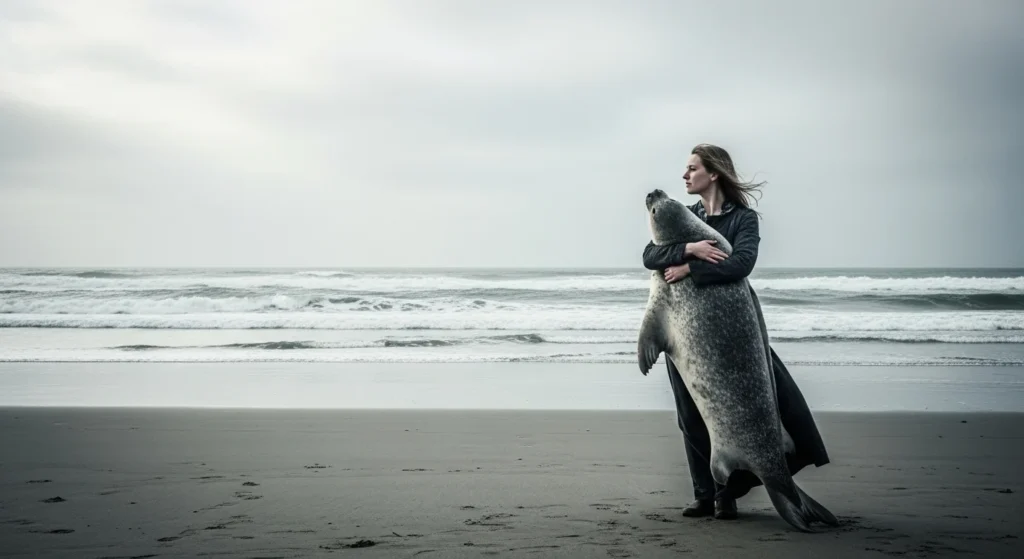
Many readers today connect this with wider themes of migration, separation, and longing, all of which have deep roots in Irish history and storytelling.
That is also why selkie mythology fits naturally within wider Irish Myths and Legends, where many traditional stories explore what happens when someone stands between two worlds.
Why Selkie Mythology Still Interests Readers Today
Selkie mythology continues to interest readers because the stories still feel relevant. They are simple in structure but rich in meaning, which makes them easy to revisit in modern writing, film, and folklore studies.
The legend also remains closely tied to Irish landscapes. Seals are still part of daily coastal life in many parts of Ireland, so the image behind the story has never disappeared.
When folklore remains connected to places people still visit, it tends to survive longer in public memory.
That is one reason selkie mythology continues to hold a strong place in Irish cultural storytelling.