
The Banshee in Irish Folklore: Origins, history & symbolism
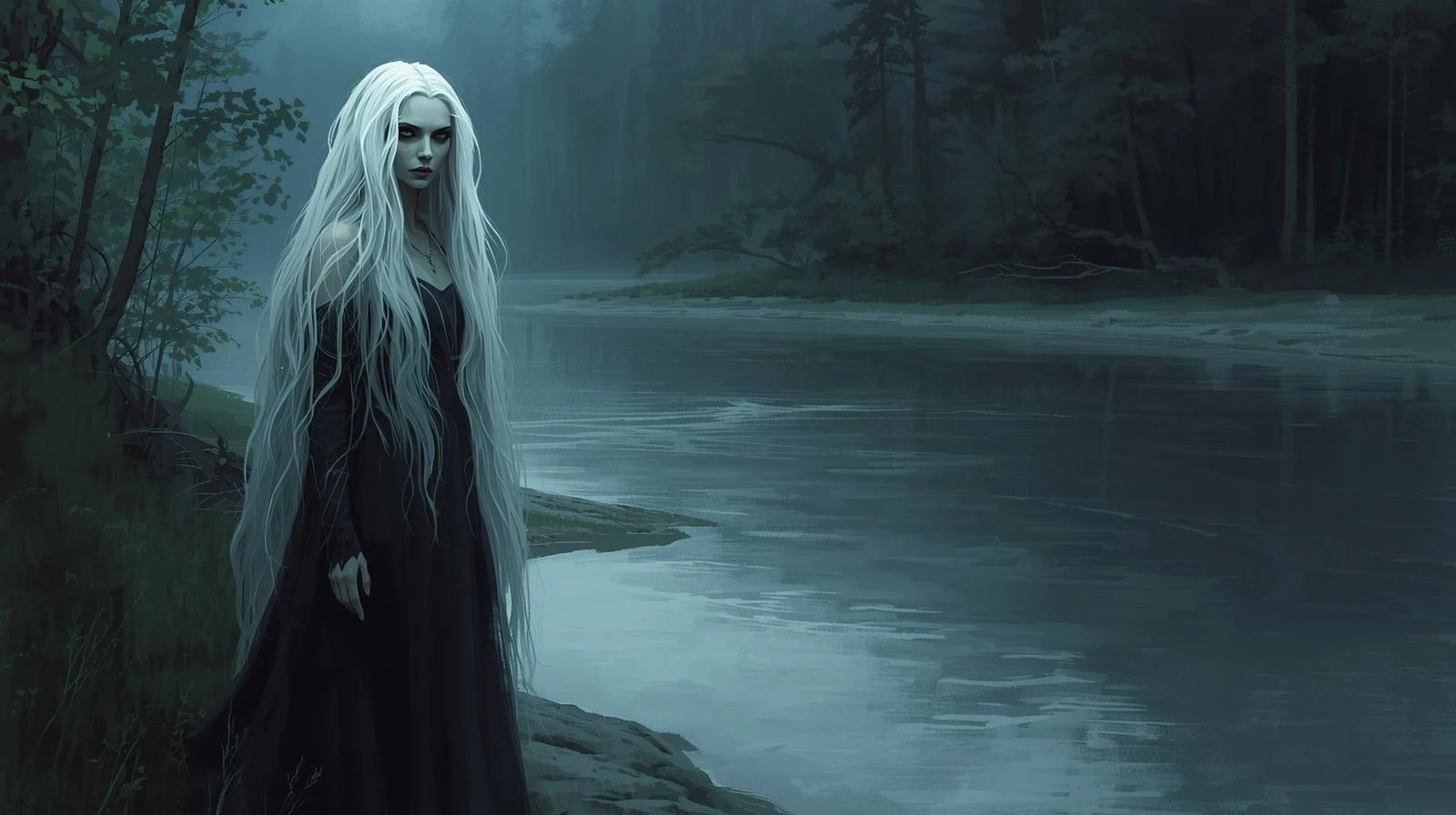
The Banshee is one of the most frightening and persistent figures in Irish folklore. But what is a banshee, exactly? Based on the Old Irish bean sí (meaning, literally, woman of the mound or fairy woman), she is not a ghost in the modern meaning of the word, but an isolated spirit of the Sidhe. The main purpose of her mythology is that of a harbinger, an omen of death who seems to be telling the ancient Irish families of an imminent loss.
Although her name is given different pronunciations and spellings, including bean sídhe or the Anglicised banshee, her meaning is the same throughout the island. She is a supernatural being whose wailing presence fills the divide between the living and the spirit realm. As opposed to the evil spirits of contemporary horror, the traditional folklore identifies her as an effective, albeit frightening, guardian of descent.
The banshee appears in many stories found across Irish Myths and Legends, where spirits and heroes shape Ireland’s storytelling tradition.
Origins of the Banshee Legend
The history of the banshee is closely associated with the old Irish tradition of keening (caoineadh). Traditionally, the Irish funerals used to have women who would sing lamentary tunes in honour of the dead.
The first reference in Irish literature is the 8th century, but the lore was probably much earlier, as part of the Celtic belief systems in which some spirits were bound to the land and therefore to the people.
Historians tend to associate the bean sí with the goddess Morrigan, who is a deity of war and destiny. The idea developed over time, accelerating to a family-related spirit.
It was believed that the only five great families of Ireland, that is, the O’Neills, O’Briens, O’Connors, O’Gradys, and Kavanaghs, had a special banshee, but the list was extended by intermarriages.
How the Banshee Is Depicted
Accounts of how a banshee looks are terribly different across different regions, and they may well be due to the fears of the beholder. She is widely known to exist in three different forms:
- The Young Woman: A fair-haired and fair-faced, long-haired girl of dreamy features.
- The Matron: A respectable-looking lady, who wears grey or white, and is frequently seen with a silver comb in her hair.
- The Old Hag: A horrible, shrivelled creature, of a flushed eye and patched garments.
Folklore indicates that she is able to switch between these states at will. Some of the sightings state that she wore a shroud or a green dress with a grey cloak, but they all share similarities of her long hair and that she is in a state of eternal mourning.
According to numerous legends, the appearance of a silver comb on the ground is a warning. It is a part of the bean sí, and it can be picked up, which will result in direct contact with the spirit herself.
The Sound of the Banshee’s Cry
The banshee scream is the most popular feature of this legend. The sound has been described as a low rhythmic melody up to a soul piercing wail that is capable of shattering glass.
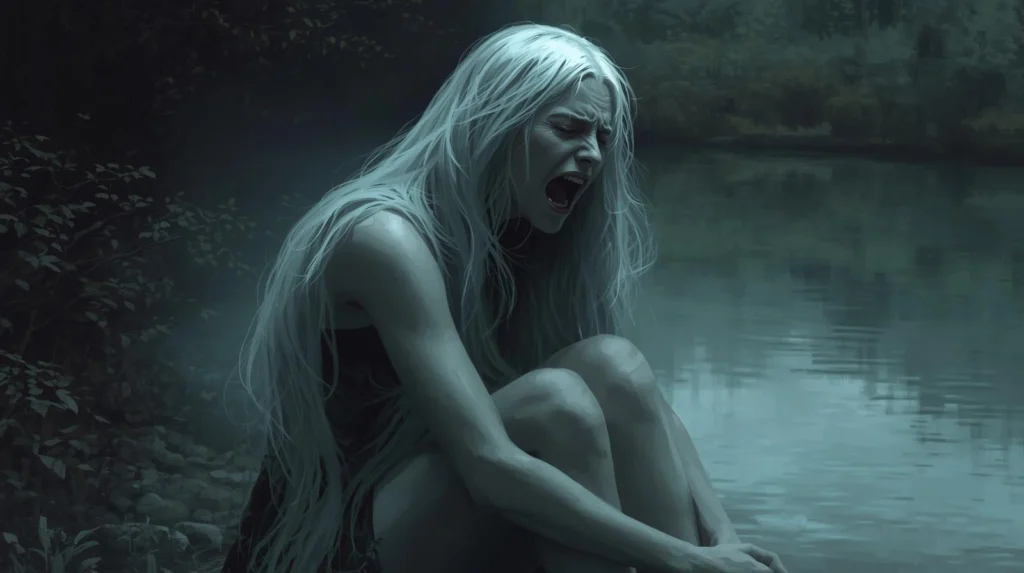
In most stories, the scream is heard three evenings before a murder is committed. The cries of a barn owl, or the night-time mating of a red fox, can be so human and disturbing in the darkness of the Irish countryside that sceptics are likely to cite them.
| Region | Description of Sound |
| Leinster | A high-pitched, piercing shriek that echoes through valleys |
| Munster | A low, rhythmic humming or keen similar to a traditional funeral song |
| Connacht | A sound resembling two stones being struck together or a heavy, grief-filled sob |
| Ulster | A sudden, sharp cry that begins and ends abruptly |
Banshee Stories and Regional Legends
The mythology of the banshee is spread throughout geography. The county of Clare has a legend of the O Briens, the Banshee of Bunratty, who was said to haunt the castle walls when one of the leading members of the family was about to die.
In the same way, there exists a long-standing tradition of the O’Neill family of Tyrone of a White Lady who visits in the dark corners of the local woodlands.
In other local legends, the banshee is even more directed. For example, she is washing blood-streaked clothing of those who are soon to die in battle, especially in Mayo. She has this in common with her Scottish cousin, the Bean-niggh.
These tales support the notion that the banshee is not an arbitrary monster, but a ghost who is obligated to particular bloodshed and places.
Are Banshees Real? Beliefs vs. Skepticism
Although modern science provides psychological and acoustic explanations of the sightings, the tradition of the banshee as a cultural reference point in Irish culture is strong. The sceptics state that the “banshee” is the personification of grief or ignorance of natural phenomena.
Nevertheless, within the profile of cultural beliefs, there is an indication that the legend could have been used in a functional manner. It helped to prepare families for the eventuality and offered a ritualised framework to mourning.
It is something of interest that the bean sí of Ireland is sometimes likened to the Scottish Bean-nighe. The Scottish edition is often portrayed as a sign of a bloody death, but the Irish banshee is usually perceived with a sense of grief rather than vengeance. To the believer, she reminds one of the thin veil separating this world and the next.
Banshee in Popular Culture and Media
The myth has experienced a revival in the popular media in recent years. In The Banshees of Inisherin (2022), the spirit was used as a metaphor of the imminent death of a friendship and the shadow of the Irish Civil War.

The banshee has been used in video game adaptations such as World of Warcraft and The Witcher. But in these cases, the spirituality tends more towards the claims of the screaming monster than the Irish lamenting spirit.
The trend of these contemporary interpretations has changed the way people view horror, usually losing the sense of tragedy and nuance in the original folklore.
Banshee Symbolism and Interpretations
The banshee is symbolically the embodiment of general sorrow. We see her as a mother of the family line as she cries over her children. It is much like a wider network of Irish superstitions that explain life, death and daily life. Her meaning has been interpreted by scholars as the transition between the pagan past and the Christian present.
She is not only a death omen to many but a representation of the Irish heritage that will always remain so. She is the supreme reminder that in Irish society, there are no deaths without mourners.
Conclusion: Why the Banshee Still Matters
The legend of the banshee can continue to exist due to the fact that it involves the universal phenomenon of death. She is not just a ghost story, but it is a cultural symbol that shows how much Ireland revered history as well as the afterlife. The bean sí can be perceived as a literal spirit or as the psychological representation of sorrow, but it is an important aspect of the Irish identity. It is something that reminds us that even after death, we are still attached to our origin. Through her legend, Ireland keeps on telling the old tales which are whispered to the wind and heard in the silent parts of the night.