

The Ultimate Guide to Vegetable Garden Layout in Ireland
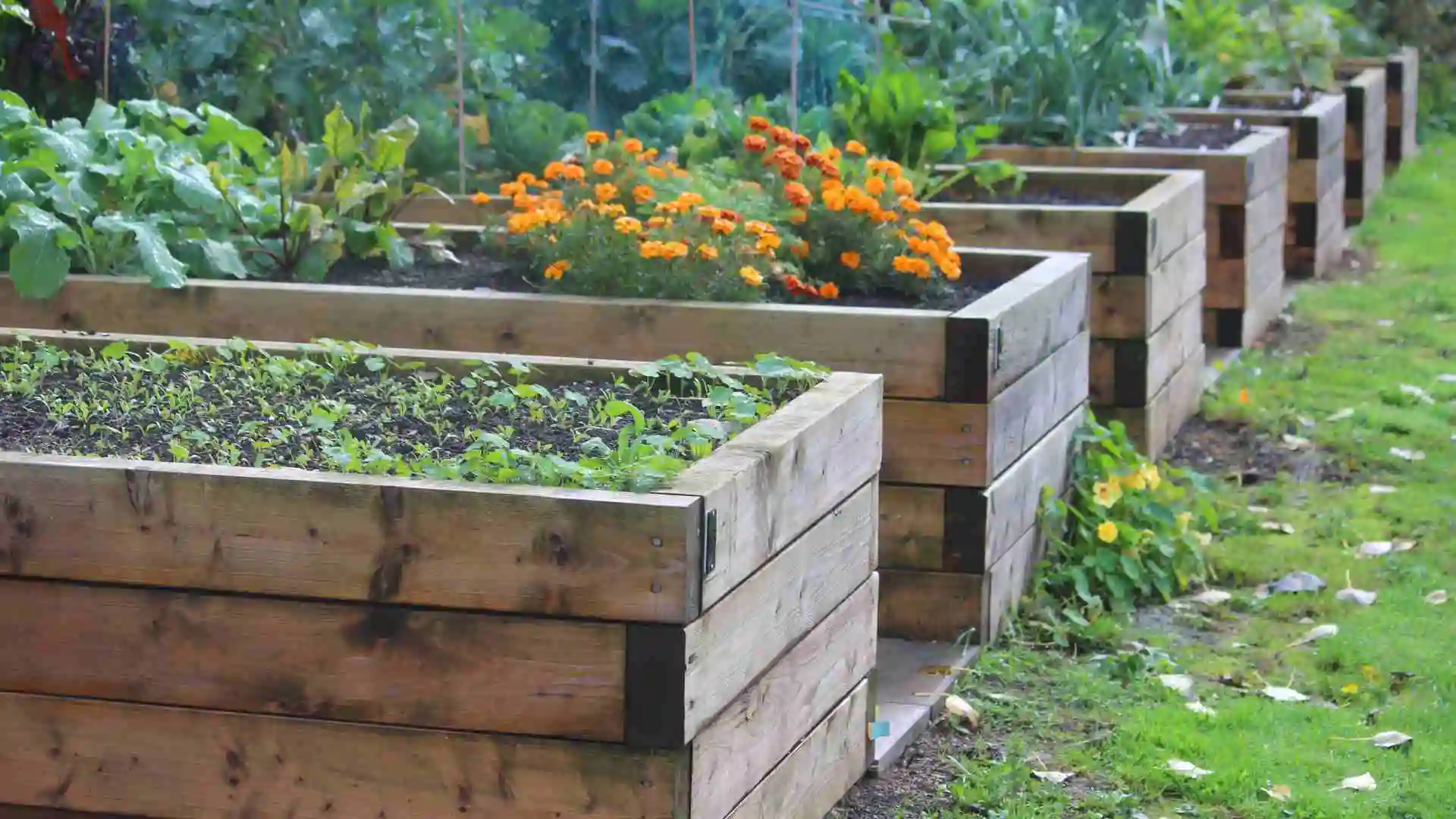
A well-thought-out vegetable garden layout is the first step to a productive, attractive garden. Ireland’s mild, often wet climate means your layout needs proper drainage, good sunlight, and easy access for maintenance.
A well-planned vegetable garden layout can reduce the occurrence of plant diseases, maximize the space, and produce a good harvest in the backyard. Let’s have a look at some clever vegetable garden ideas and spacing designs that will help anyone establish a flourishing vegetable patch.
Position & Size of Raised Beds
The best garden layout tips depend on where and how you place your raised beds.In Ireland, bed size and placement are key due to regular rain, cool weather, and limited sunshine.
Below are some factors that make position and size an important factor for a vegetable garden layout.
Where to Place Raised Beds
Vegetables require sunlight for photosynthesis. Most of them require at least 6 hours of direct sunlight daily. In Ireland, South and Southeast facing positions are preferable. Shaded areas and low-lying frost pockets should also be avoided.
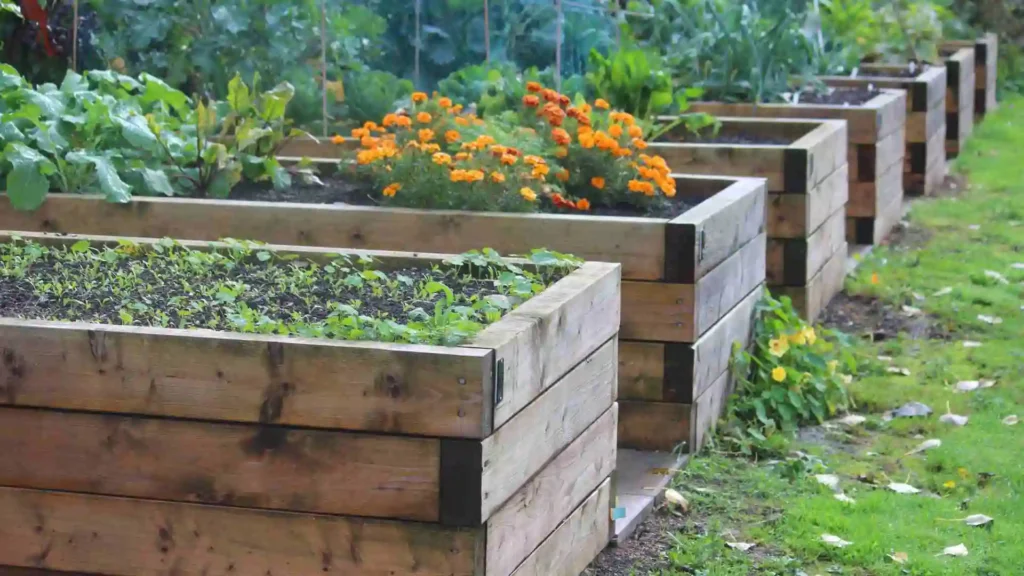
Windbreaks such as hedges, fences, or buildings provide adequate protection against the wind. Coastal or exposed sites require more shelter. Placing beds near trees should also be avoided. They tend to block sunlight and compete for nutrients, harming the overall health of the beds.
Ideal Raised Bed Sizes and Dimensions
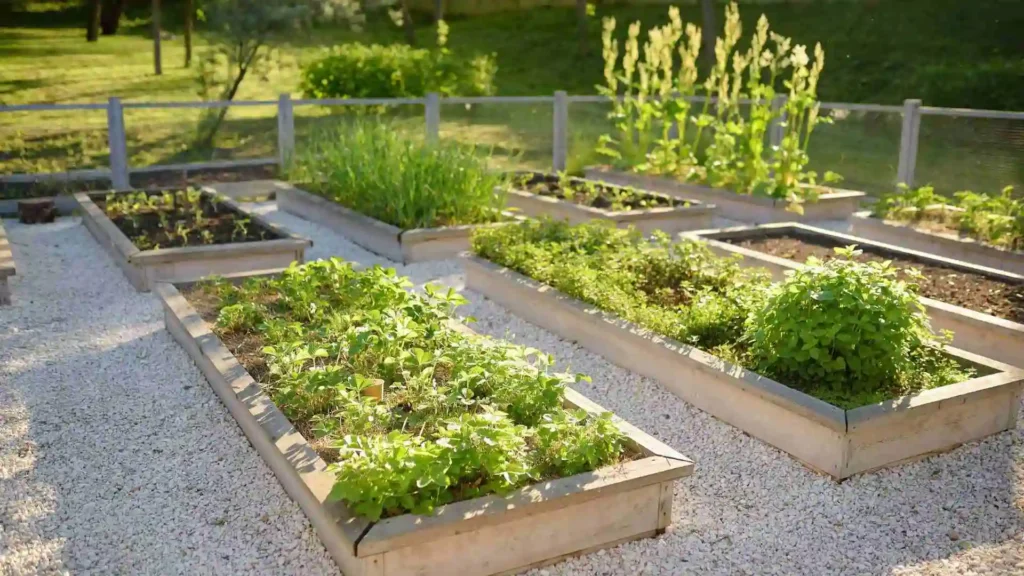
Raised vegetable garden layout should not exceed the width of 1 to 1.2 meters. This will ensure that both sides have access without stepping on soil. Stepping on soil compacts it, which hinders root growth.
Extra Layout Tips for Success
It is more convenient and warm to place the raised vegetable garden closer to the house. Use cloches, fleece covers, or tunnels for masking to extend the growing season.
Position beds beside a sunny wall to increase warmth for heat-loving crops. By planning wisely, you can optimize productivity in any backyard vegetable garden.
Soil Preparation & Compost
Proper soil preparation and composting are critical elements for garden planning for long-term health. Ireland’s soil is quite heavy and wet, particularly in the western regions. Creating raised beds allows you to construct better soil from scratch using a healthy blend of topsoil and compost.
Whether you are starting a basic vegetable garden layout or expanding a more established plot, the health of the soil remains the most important thing. Compost improves texture, fertility, and overall water management for the soil.
How to Build Healthy Soil in Raised Beds
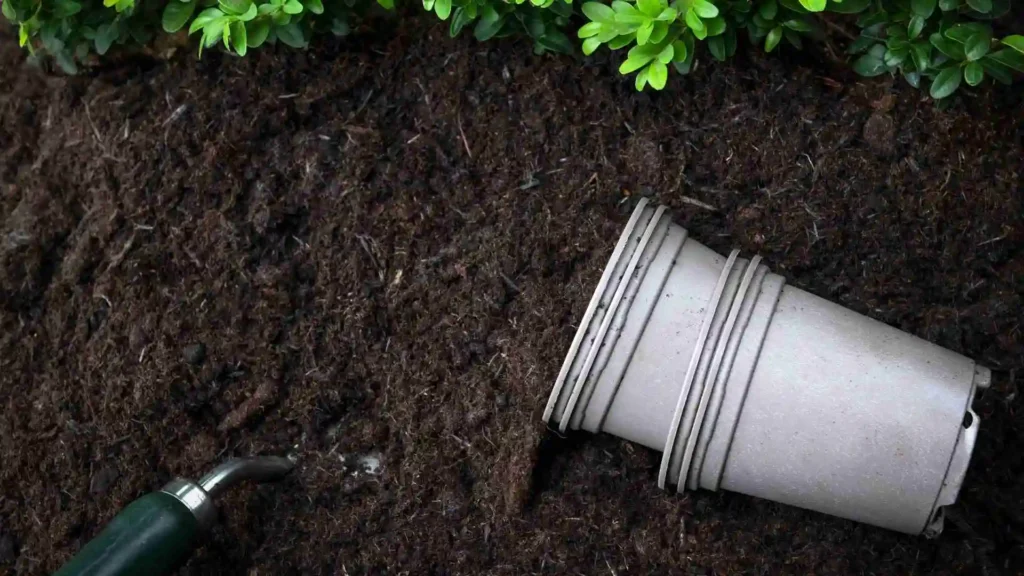
If starting on grass, suppress weeds by laying newspaper or cardboard. Fill the beds with half compost and half topsoil. Use your own garden compost if it’s ready and well rotten.
Don’t use fresh compost containing sticks or weeds. This blend of topsoil and compost retains moisture without holding on to excess water. It also warms up faster in spring. This is vital in Ireland’s cool spring months. Let’s have a look at tips that can help you build a healthy soil.
Where to Find Compost in Ireland
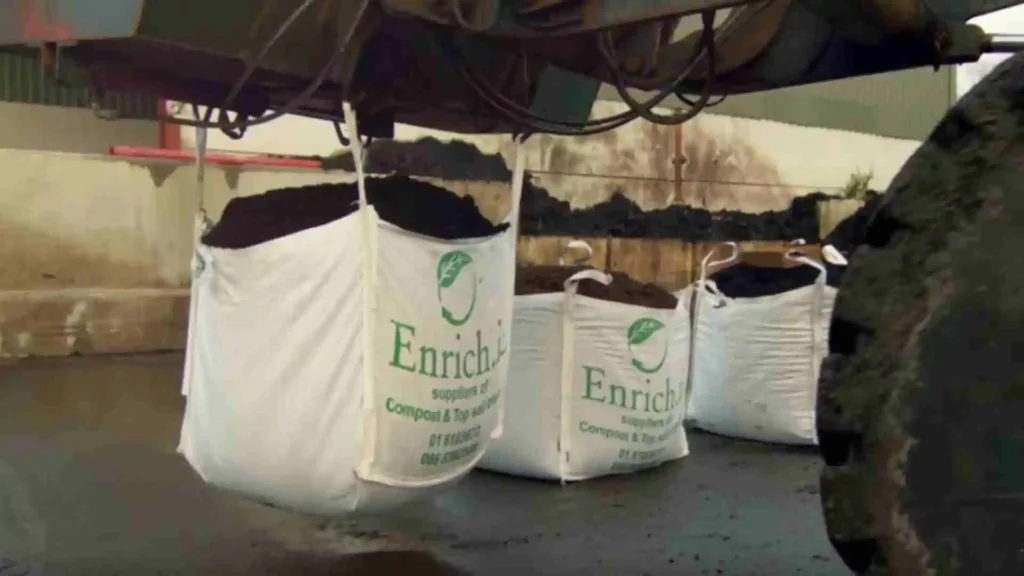
Local suppliers have some great offerings. Envirogrind (Donegal) produces sterilized compost from green waste. Enrich (Meath) also makes quality compost suitable for growing food. Both options stand safe, chemical-free, and eco-friendly.
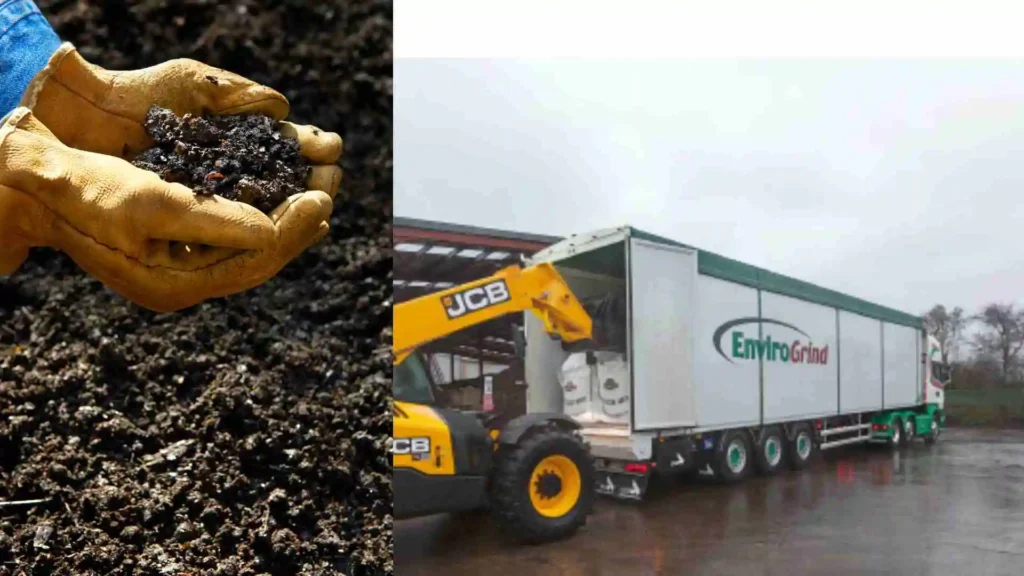
To keep your soil fertile, you must add compost yearly. You can also mix seaweed, well-rotted manure, or leaf mold. This adapts to both extensive gardens and small raised vegetable garden beds.
Crop Rotation Keeps Soil Productive
Rotating crops helps avoid nutrient depletion and pest infestation. You can also use homemade weed killer for pest control. Hence, if you alter beds annually, you can ensure sustainable long-term garden development. This will also increase the harvest.
You should try a three-year cycle:
| Year | Crops |
| Year 1 | Brassicas (kale, cabbage, broccoli) |
| Year 2 | Root crops (carrots, beetroot, potatoes) |
| Year 3 | Legumes and others (beans, onions, spinach) |
Space-Saving Layouts
Not everyone has a spacious backyard. However, this shouldn’t stop you from growing your own food. Vegetable garden layout plans and spacing can help transform even the most minor patch into a productive oasis.
With some garden planning, containers, vertical plantation, and raised beds can help maximize every meter. No matter the experience, novice or seasoned pros, you will find these garden layout ideas helpful.
Use Raised Beds & Containers
Apart from being orderly, raised beds are also neat. You can build a compact 4×4 foot square raised bed and segment it into squares. This technique is referred to as square-foot gardening, and it allows for efficient control of spacing.
Aside from the backyard, pots and buckets can also be placed on patios or balconies. Ensure large containers have drainage holes to allow for proper water flow. Tomatoes, peppers, and leafy greens thrive in containers quite well.
Go Vertical
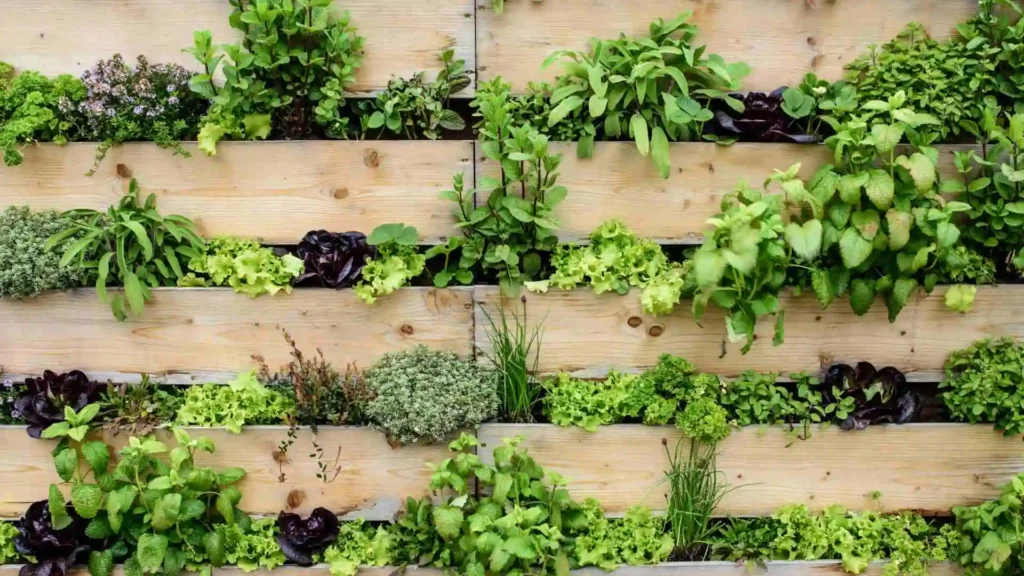
Vertical gardening is booming in today’s world, especially in urban settings. To maintain ground space, hang planters with herbs and small greens on walls or fences.
Supports such as cages, stakes, and trellises are perfect for vertical crops. These can be pole beans, peas, and cucumbers. With vertical gardening, you can improve air circulation and save space.
Intensive Planting and Succession
Intensive planting involves compact crops. These include carrots, lettuce, spinach, and bush beans that can be planted close together in small sections.
This helps reduce moisture loss and weeds. Coupling this practice with Succession Planting gives you an all-year-round ability to cultivate crops. These tricks are beneficial for smaller Irish gardens.
Growing Vegetables in Irish Conditions
Seasons in Ireland are advantageous for some crops. However, they still demand careful layout planning. Frequent rains, cool summertime temperatures, and high humidity will have an impact on what and how you grow.
Make Use of Ireland’s Rain
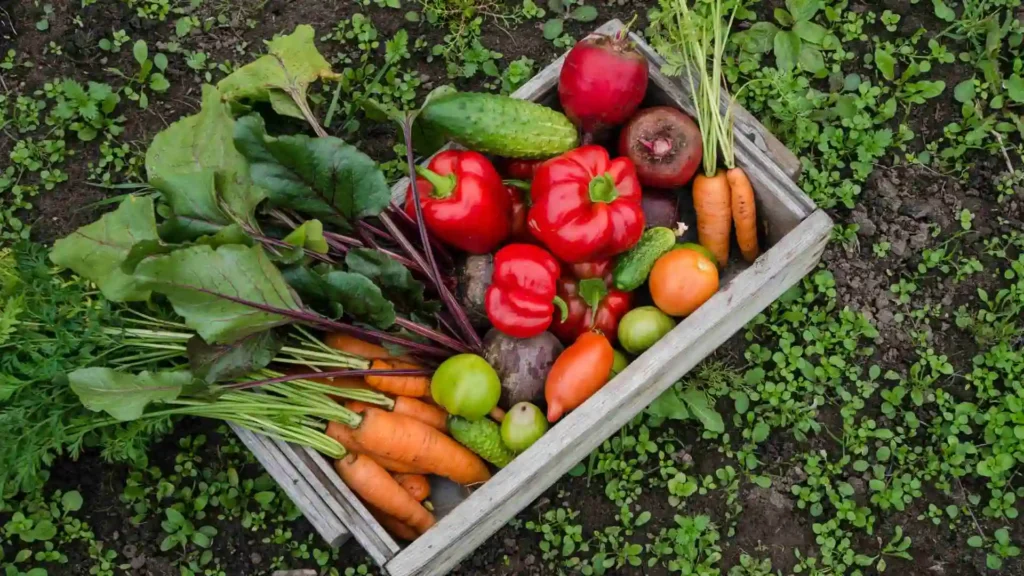
Counties of Ireland, especially the South West are renowned for their wet weather. It is suited for beginners to grow lettuce, spinach, kale, and pak choi. These plants flourish in damp conditions. They are also quick to mature and thrive in regions with less sunlight.
For novice gardeners, these crops help build confidence. Waterlogging is a concern with vegetables growing in places with too much moisture. Elevated boxes with loose soil packed with compost help retain moisture. This also helps prevent root rot.
Drainage and Shelter Are Crucial
Irish soil is like clay. Hence, raised beds help to reduce the soil’s heaviness. They can also warm up more quickly during spring. Container gardening is also helpful in places with heavy rains and flooded soil.
Shelters like fences or hedges can protect the garden from cold winds. This will help provide a faster and healthier crop. You can easily add this feature to your vegetable garden layout plans and spacing guide.
Polytunnels and Protected Growing
Polytunnels are great for producing tender crops such as tomatoes, cucumbers, and aubergines. With this technique, you can grow crops even in early spring and late autumn. You can start by planting the seeds indoors.
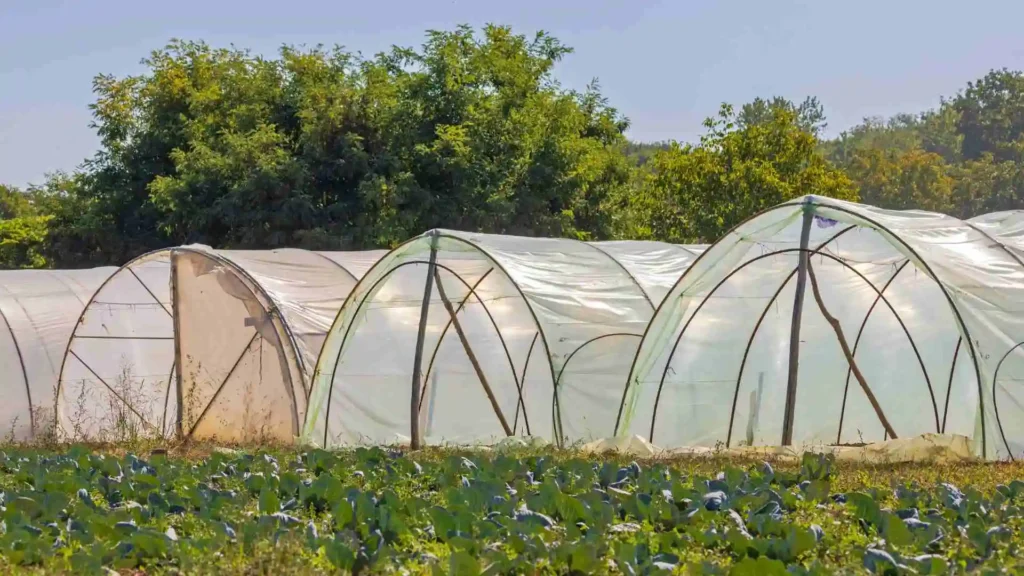
Later, when the weather gets warmer, transplant them into the tunnels.
You must ensure proper air circulation through the polytunnels to mitigate fungal issues. Remember to water the soil directly instead of sprinkling the leaves. This will help prevent blight, especially in humid regions.
Vegetables That Thrive in Ireland
Search for Irish-grown seeds or local heirloom varieties. These perform better in raised vegetable garden bed layout systems tailored for the Irish climate. You must select crops that enjoy cool, wet weather.
These include:
- Kale, cabbage, and leeks for winter
- Lettuce, beetroot, and carrots from spring
- Courgettes and squash in summer
- Chives, mint, parsley, oregano and other Mediterranean herbs
Companion Planting & Tools
Incorporating companion planting into your vegetable garden layout enhances plant health while naturally controlling pests. By placing compatible plants together, you can improve their growth. This also increases space utilization.
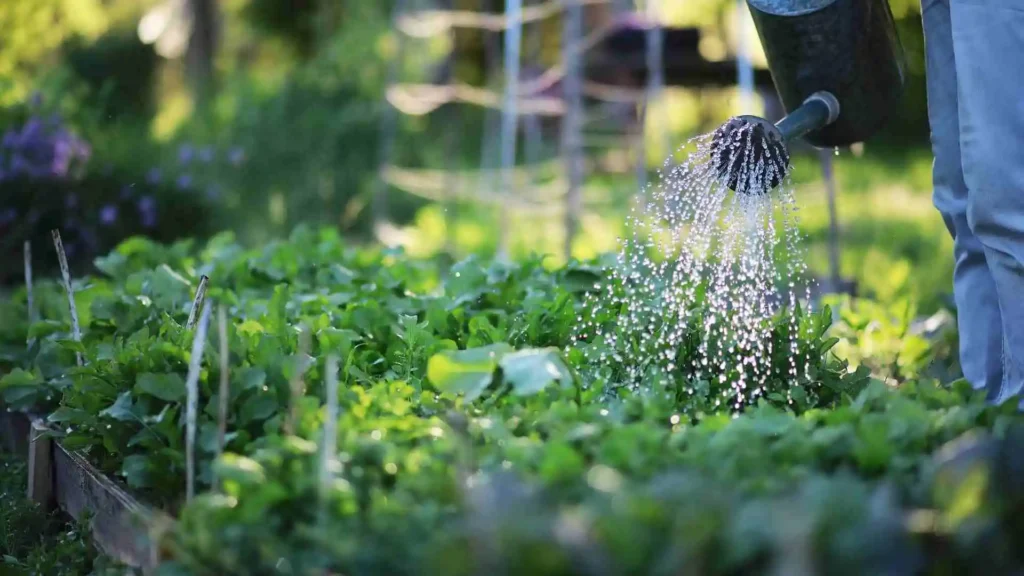
For companion planting, you can utilize planning tools. They will help you create a well-balanced, productive garden tailored to your environment and needs. Below, we have a few simple layout templates.
Row Gardening:
Optimal for extensive gardens. Create rows as pathways where crops can be planted. Group related crops together for yearly rotation.
Raised Bed Gardening
You can control soil, drainage, and layout. Combine basil and tomatoes with carrots. Cucumbers and peas make good pairs, too.
Square-Foot Gardening
Each raised bed is divided into 1-foot squares. Perfect for beginner basic vegetable garden layout plans. Assign one tomato to each square, 4 lettuces, 9 beetroot, or 16 radishes.
Vertical Gardening
Great for bush beans, dwarf peas, and herbs. Use shelves and trellises. Shade-loving plants such as lettuce thrive underneath.
Valuable Tools for Garden Planning
Before planting, you can test different vegetable garden layout ideas using several tools. This is to ensure optimal spacing, enhanced productivity, and improved utilization of your backyard vegetable garden.
You can garden plan properly with these tools:
| Tools | Purpose |
| Fryd | Free app to plan life cycles and pest issues along with layout monitoring. |
| VegPlotter | Map out raised beds, plan crop rotations, and check spacing needs. |
| Gardena MyGarden | Allows visual planning of beds, paths, and furniture placement. |
| Garden Planner by Small Blue Printer | Drag-and-drop design with plant spacing and seasonal growth timelines. |
Conclusion
In Ireland, your vegetable garden layout is essential for a healthy, productive garden. A well-planned layout will ensure proper management of water, sun, and wind, along with soil and plant health. With raised beds, containers, or polytunnels, efficient spacing, and companion planting are immensely beneficial.
Even a small backyard vegetable garden tailored to Ireland’s climate can yield impressive produce. All you need is the proper layout and planning. By employing proven methods and strategically expanding, you can enjoy an abundance of fresh produce throughout the year.