
Northern Lights in Ireland: When and Why Aurora Borealis Appears
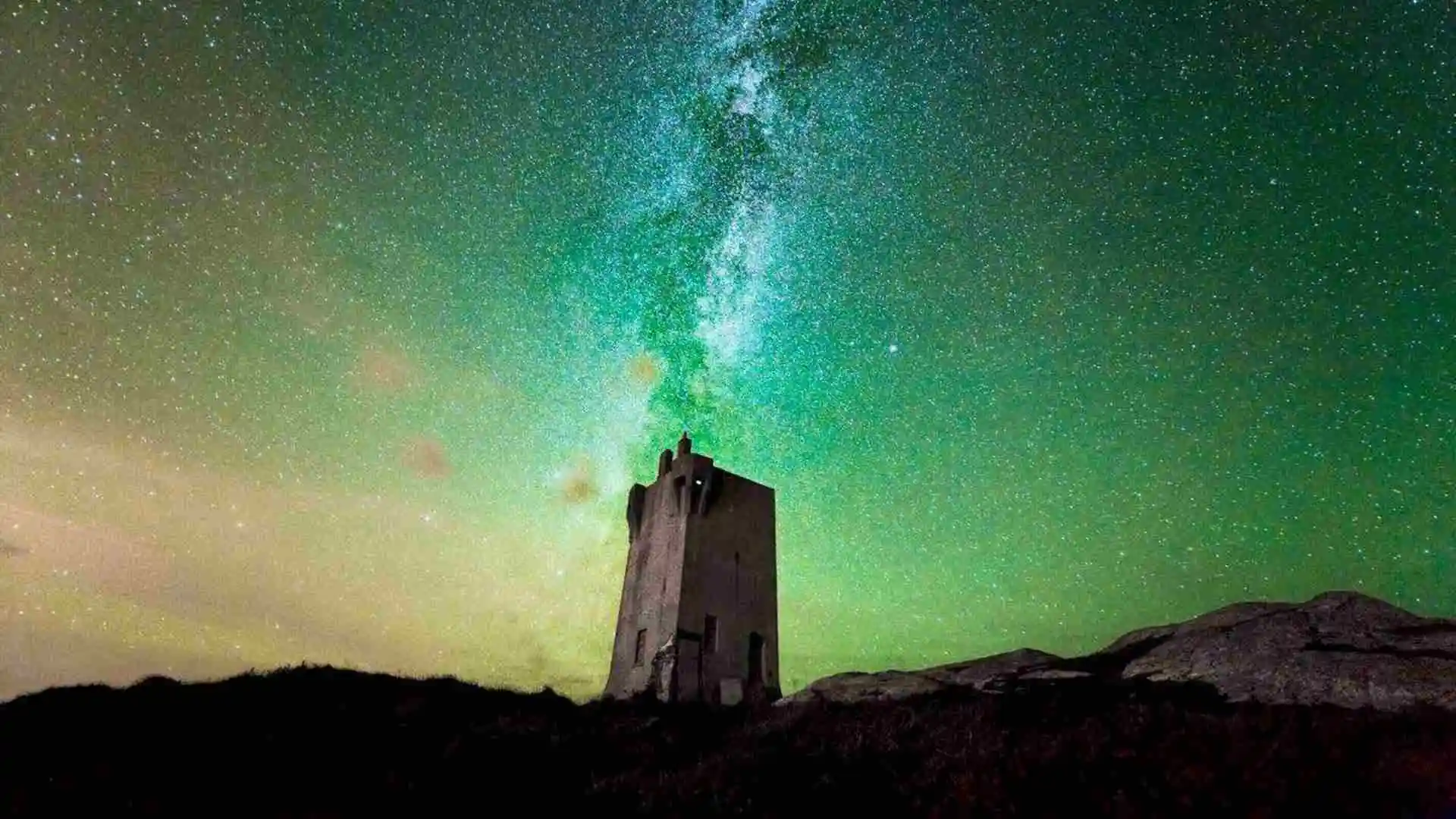
The Northern Lights, also known as the Aurora Borealis, are usually associated with Arctic regions, but they can occasionally be seen in Ireland under the right conditions. Recent interest in “Northern Lights Ireland” has grown after rare sightings across parts of the country, leaving many people wondering how, when, and where this natural phenomenon appears.
This guide explains why the Northern Lights can be visible in Ireland, where sightings are most likely, and what conditions need to align.
What Are the Northern Lights?
The Northern Lights are a natural light display caused by charged particles from the sun interacting with Earth’s magnetic field. When these particles collide with gases in the atmosphere, they produce moving curtains of light in shades of green, pink, purple, and red.
Normally, this activity is concentrated near the Arctic Circle, which is why sightings in Ireland are uncommon.
Can You See the Northern Lights in Ireland?
Yes, it is possible, but rare.
Ireland lies on the southern edge of typical aurora visibility. Most of the time, solar activity is not strong enough for the lights to reach this far south. However, during strong geomagnetic storms, the auroral zone can expand, allowing the Northern Lights to become visible over Ireland.
Why Do Northern Lights Sometimes Appear in Ireland?
Northern Lights become visible in Ireland when there is intense solar activity, such as:
- Solar flares
- Coronal Mass Ejections (CMEs)
- Strong geomagnetic storms
These events push auroral activity further south than usual. When combined with clear skies and darkness, they can result in visible aurora displays across parts of Ireland.
This is why sightings tend to generate sudden public interest and increased online searches.
Where Are the Best Places to See Northern Lights in Ireland?
Low light pollution and open horizons are key. The best chances are usually found in northern and coastal areas, including:
- Donegal – Malin Head, Fanad Peninsula, Inishowen
- Mayo – Achill Island, Mullet Peninsula, Downpatrick Head
- Sligo – Mullaghmore Peninsula
- Northern Ireland – Antrim Coast
In rare cases of strong solar storms, auroras have also been reported in more central or eastern areas.
Best Time of Year to See the Northern Lights in Ireland
While sightings are never guaranteed, conditions are generally more favourable during:
- Months: October to April
- Time: Between 9pm and 2am
- Conditions: Dark, clear skies with minimal cloud cover
Longer nights and reduced daylight during winter increase visibility chances.
Tips for Spotting the Aurora Borealis in Ireland
- Follow space-weather and aurora forecast updates
- Check cloud cover before heading out
- Travel away from city lights where possible
- Use a camera — aurora colours often appear stronger in photos
Patience is essential, as aurora displays can appear and disappear quickly.
Is It Safe to See the Northern Lights?
Yes. Aurora activity poses no risk to the general public. The effects of strong solar storms mainly impact satellites, navigation systems, and aviation routes rather than people on the ground.