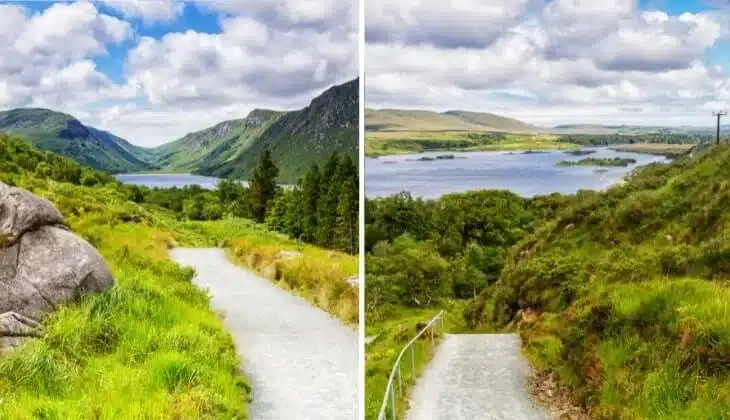

Saltee Islands | What it’s really like to stand among thousands of puffins
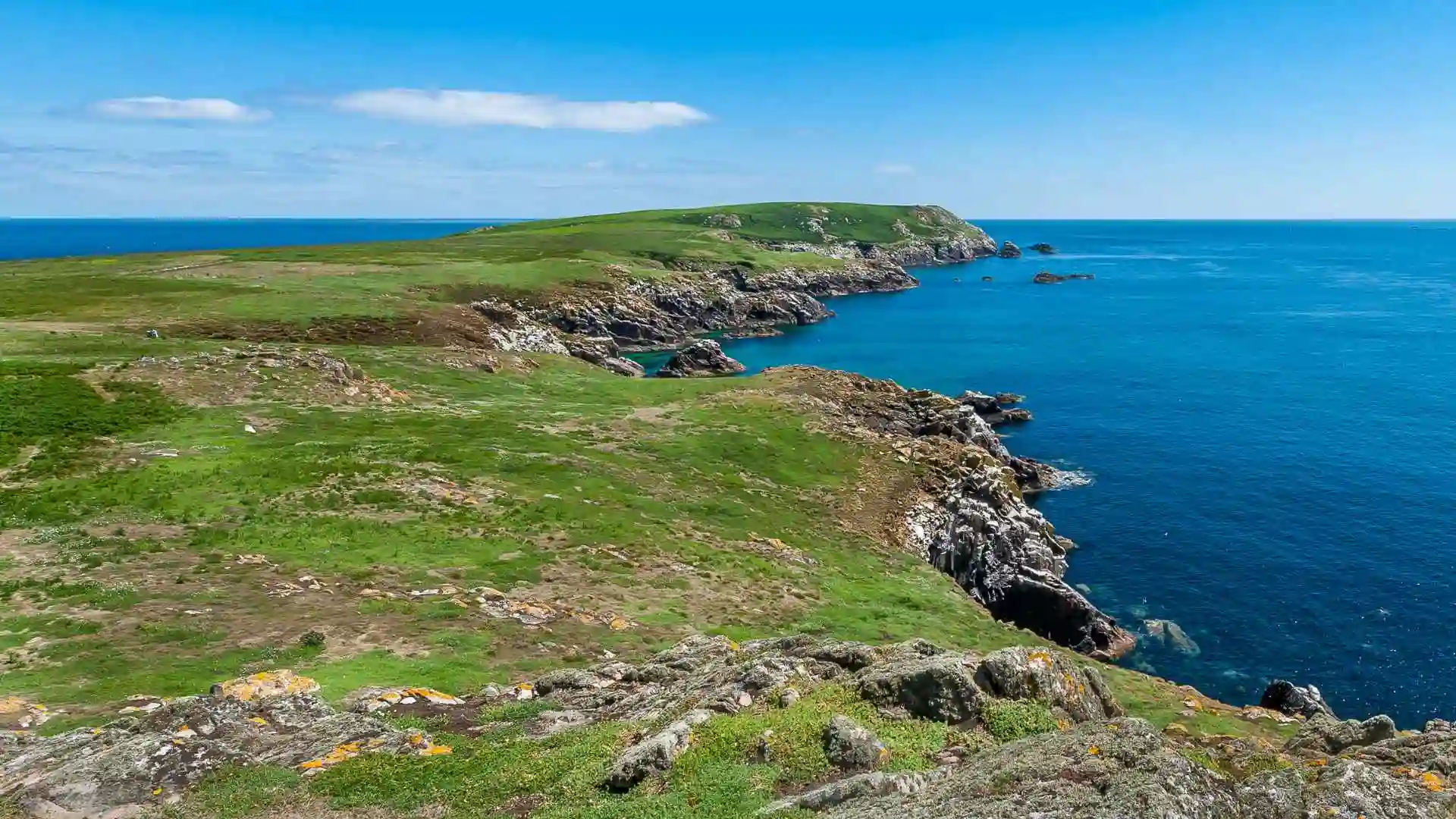
Imagine being perched on a rocky headland with thousands of seabirds nesting and nose-to-nose with a curious Atlantic puffin.
If you’re planning a day trip to explore the top things to do in Wexford, a visit to the county’s best wildlife sanctuary must be on top of your list. Before you go, you should have all the facts about the boat timetable, tips for safety, and advice on how to catch a glimpse of some of the county’s famed wildlife.
This comprehensive article on the Saltee Islands offers you all the information required for a hassle-free island experience, including the logistics, history, and packing tips.
Some quick need-to-knows about the Saltee Island
Here are some important and helpful facts to guide you to the pier and cruise line without any problems.
The Saltee Islands are two unspoiled islands 5 km off Kilmore Quay in South County Wexford.
The Saltee Islands ferry: Only Great Saltee can be landed on by the public day-trippers, landing on Little Saltee is not allowed to preserve the fragile ecosystem.
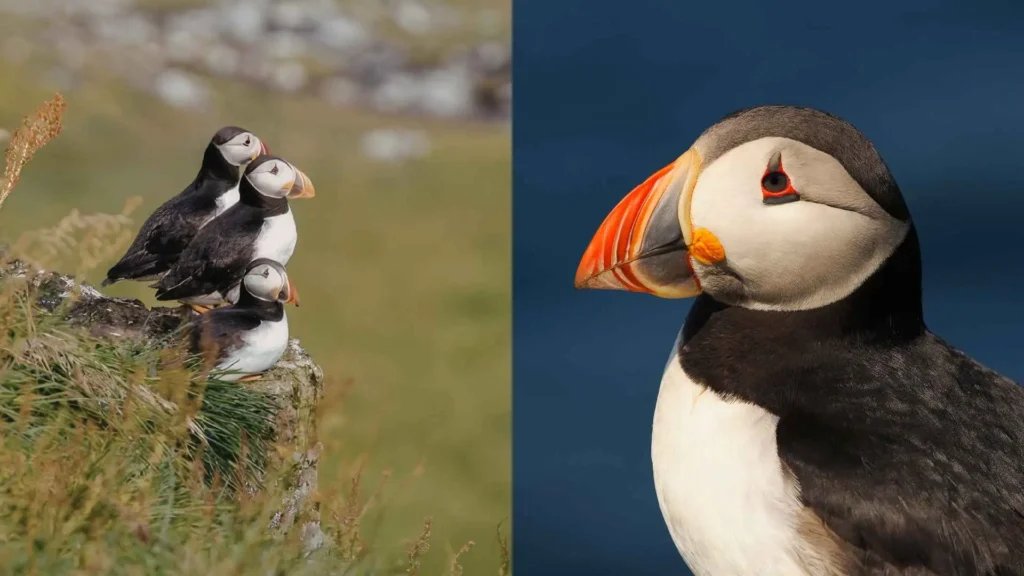
The puffins: Great Saltee is home to the internationally renowned migratory birds, the only summer-breeding birds of the steep, high grassy cliffs.
Warning 1: On the entire island there are no public toilets, no garbage cans, and no shelter. When it rains, it gets you wet.
Warning 2: Wet landings will be necessary to reach the shore.
About the Saltee Island
A brief history
The Saltee Islands are privately owned by the Neale family, who took possession of the islands from the eccentric Prince Michael the First in 1943, when he claimed they were his own.
The family currently offers public day visits, with a generous time frame from 11.00 am until 4.30 pm. Visitors are encouraged to adhere to the main house’s private property boundaries and Leave No Trace principles.
Flora and Fauna
Great Saltee is one of Ireland’s most important bird sites with an international profile for its maritime biodiversity. Early in the summer, the interior meadows bloom in a thick profusion of sessile bluebells and bracken.
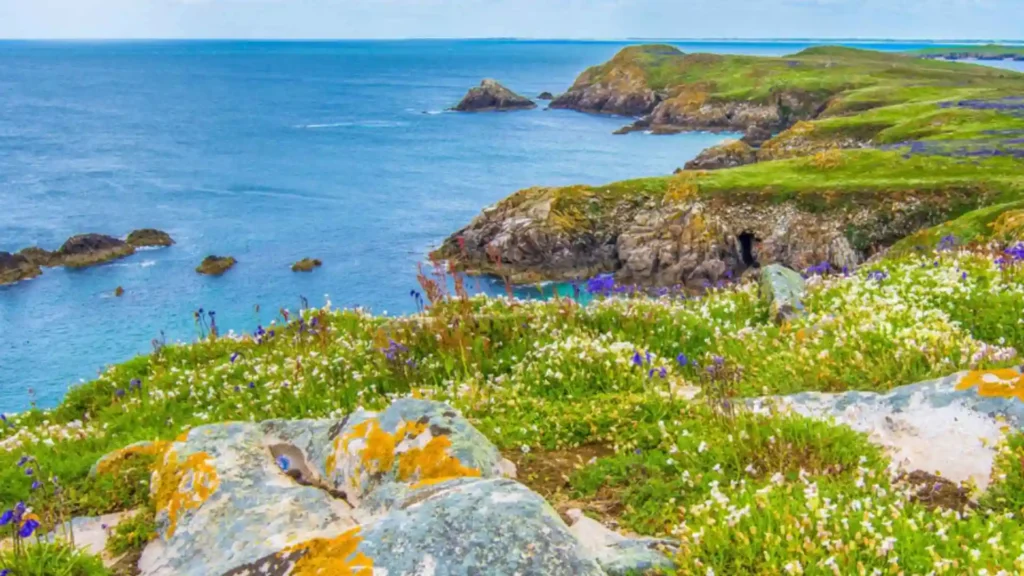
The sheer rock faces and perimeter shelf formations provide a dense breeding support base for thousands of breeding seabirds and a resident population of grey seals.
The Saltee Island Ferry
Where it leaves from
Kilmore Quay is the main pier at the fishing marina, and the main ferry licensed to depart from it is the Saltee Ferry.
How long it takes
When crossing the sound to the open sea, it takes 20-30 minutes depending on the swell from the Atlantic and the weather.
How much it costs
Adults are charged €45 and children under 12 €20 for a return trip. The number of visitors is limited to preserve the environment, so it is best to make a reservation online ahead of time.
When it runs
Sailings run daily from April to September, however, all sailings are subject to change at a moment’s notice if the weather becomes rough.
The wet landing
The ferry is unable to land on the island as there is no pier on Great Saltee. Rather, the crew will supply you with a life jacket and take you in a small, shallow-draft inflatable dinghy to shore.
This smaller boat will land you right into the surf, where you will have to wade into the water (to thigh level) and onto damp, seaweed-covered boulders. Packed water sandals or a pair of rolled-up pants or waterproof hiking boots are a must to make a safe transition to dry land.
1. Walk along the coast
After the ‘wet landing’, a steep, grassy, unmade footpath leads you uphill to the top of the island. The perimeter tracks are approximately 1 ½ – 2 hours’ walking and offer dramatic views of the Wexford coastline from the panoramic viewpoint.
It is very wild and uncultivated, long pants are highly recommended, as the paths are narrow and brambles and stinging nettles are a problem for your legs.
2. And keep an eye out for birds, seals and shipwrecks
On the northern and eastern cliffs, great noisy colonies of razorbills, black-legged kittiwakes and common guillemots crisscross these cliffs, alongside the Atlantic puffin.
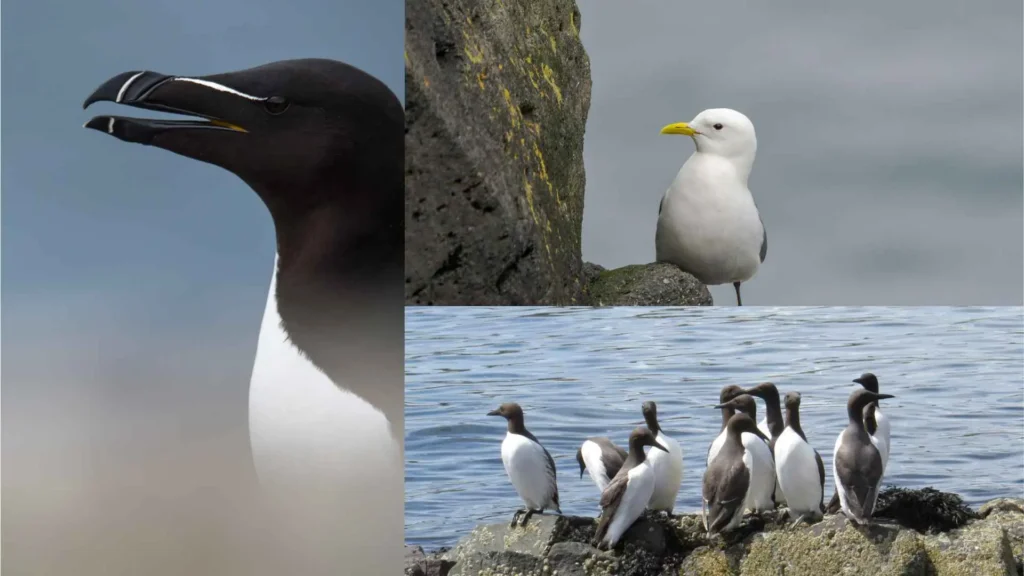
On the wave-cut rock platforms along the way, grey seals can be seen basking on the rocks or swimming in the shallow water. Historically, the waters around the Saltees are treacherous and contain lots of historic shipwrecks under clear turquoise waters.
3. Visit one of the more unusual features on Great Saltee
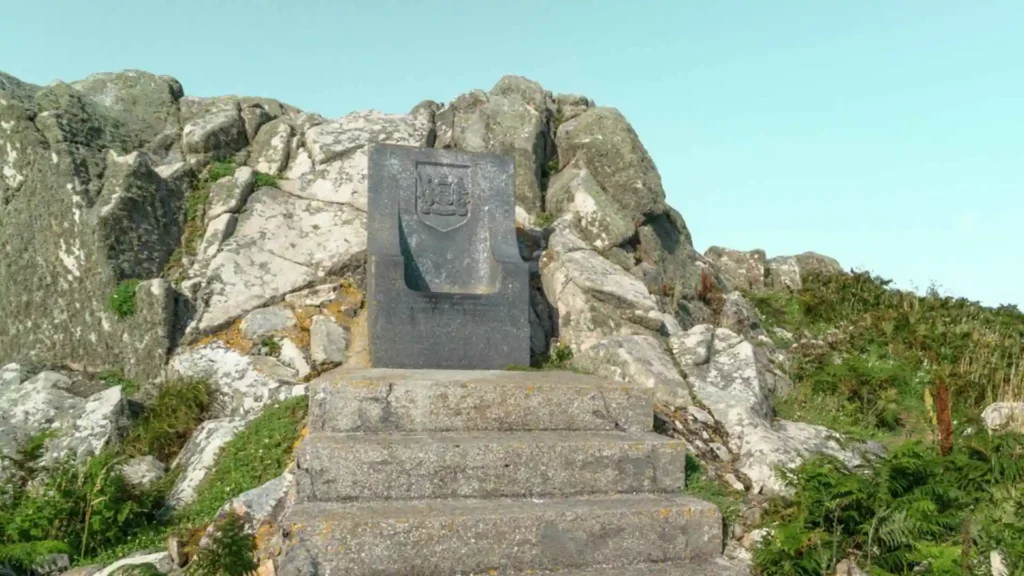
The historic monument is the chair of Prince Michael. It is carved out of solid stone and has an eccentric inscription in which he asserts his sovereign right to the islands. It offers a neat (if somewhat bizarre) offbeat attraction in a very natural setting.
When is the best time to see puffins on the Saltee Islands?
April–May: Puffins come back to the island and are actively burrowing their nesting areas and establishing their nesting territories.
Peak Season: June–Mid-July, when the chicks hatch, this is when the photographers will have the best opportunity to photograph adults flying back with sand eels in their mouths.
Late July–August: The breeding cycle is finished by the first of August, and the entire colony is on the open ocean for the winter.