
Best things to do in Sligo | Top picks you’ll love to explore
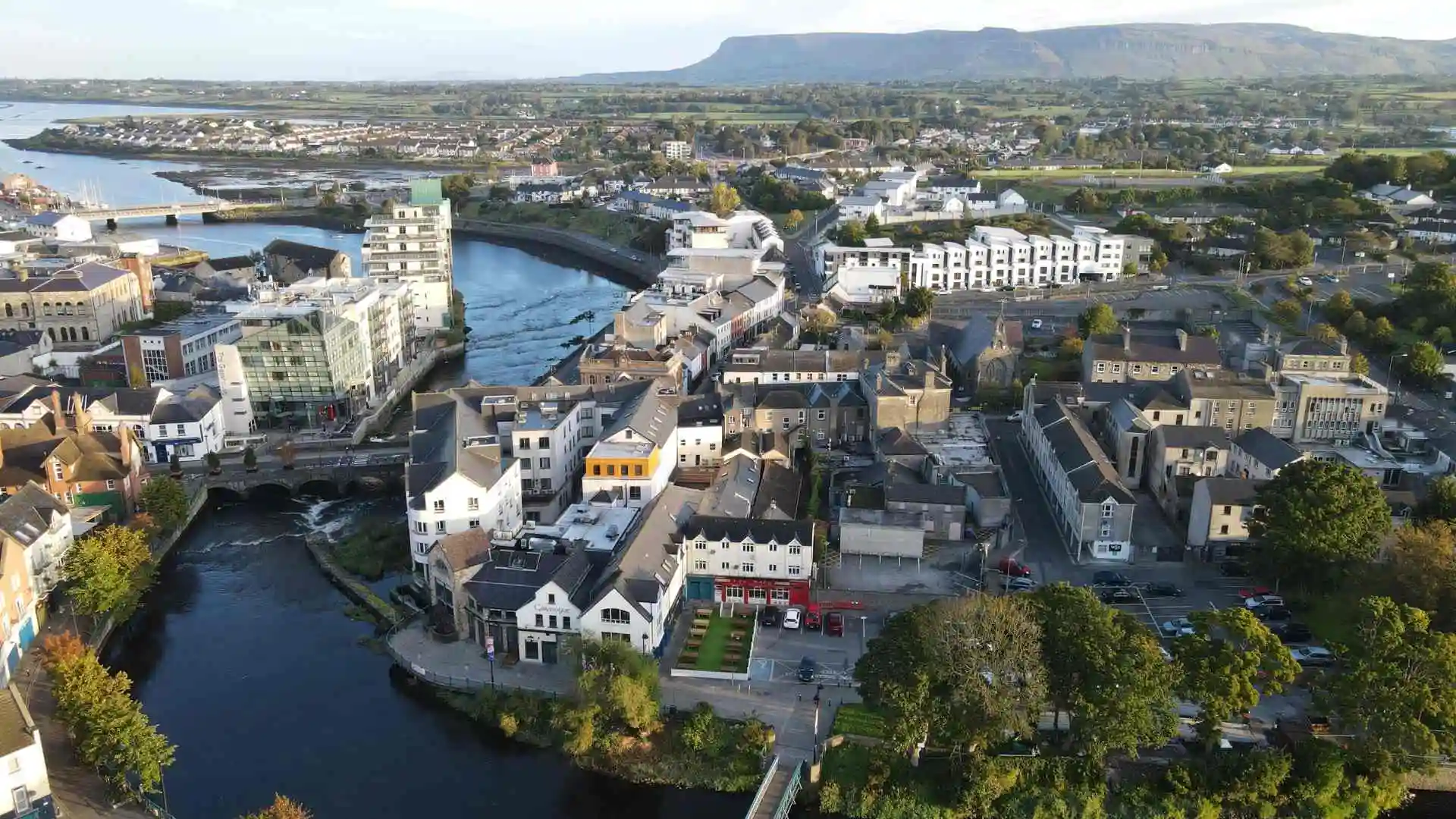
Sligo is a curious part of Ireland, in which the rugged Atlantic coast intersects with the literary past and fantasy landscapes. The Yeats Country, as it is now called, was the long-time inspiration for the poet W.B. Yeats, whose presence can be sensed in the quiet churchyards and the shading of the great plain-topped Benbulben mountain.
You may be tempted by the Wild Atlantic Way or the echo of its megalithic tombs, Sligo offers a proper Irish experience that is a balance between adventure and culture.
Best things to do in Sligo
Sligo is a place characterised by the variety of its landscape, where everything can be found: tough mountain walks, peaceful walks along the lakes, and archaeological sites.
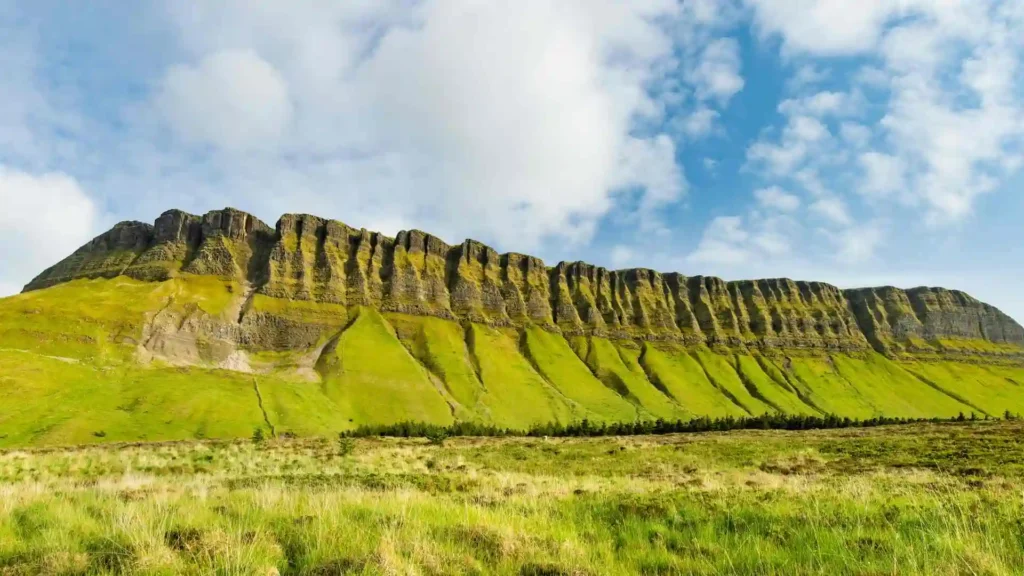
Benbulben
The foremost landmark in Sligo, Benbulben forms part of the Dartry Mountains, and is said to possess a distinct table-top form. The climb of the mountain is strenuous and it requires experience. The Forest Walk at the bottom is family-friendly and has a spectacular view of the rock face.
Strandhill Beach
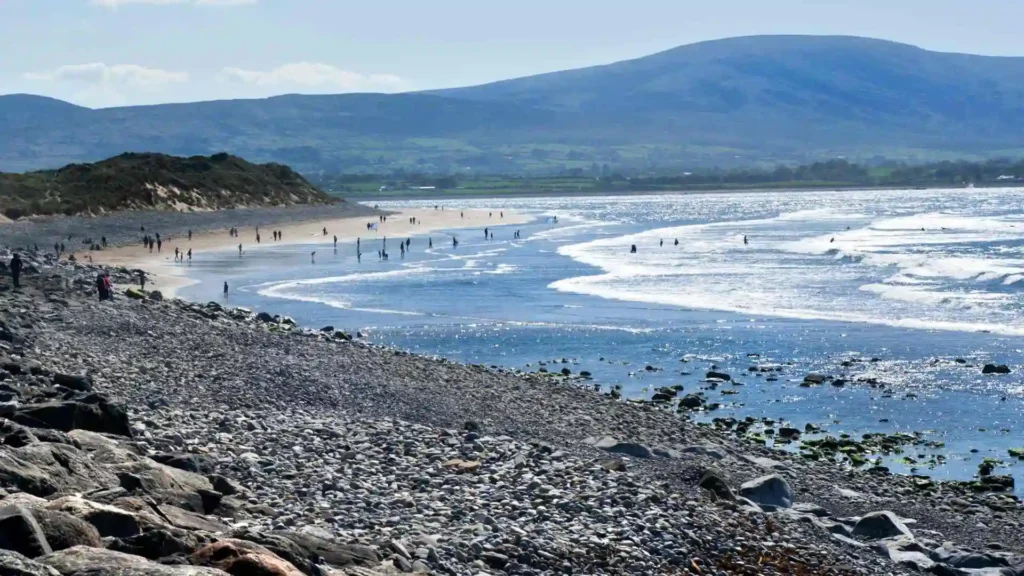
Strandhill is a busy seaside resort that is a prime surfing destination. The huge tides make the water unsafe to swim in, yet the beach is perfect for a long walk or watching surfers riding the Atlantic waves.
Knocknarea and Queen Maeve Trail
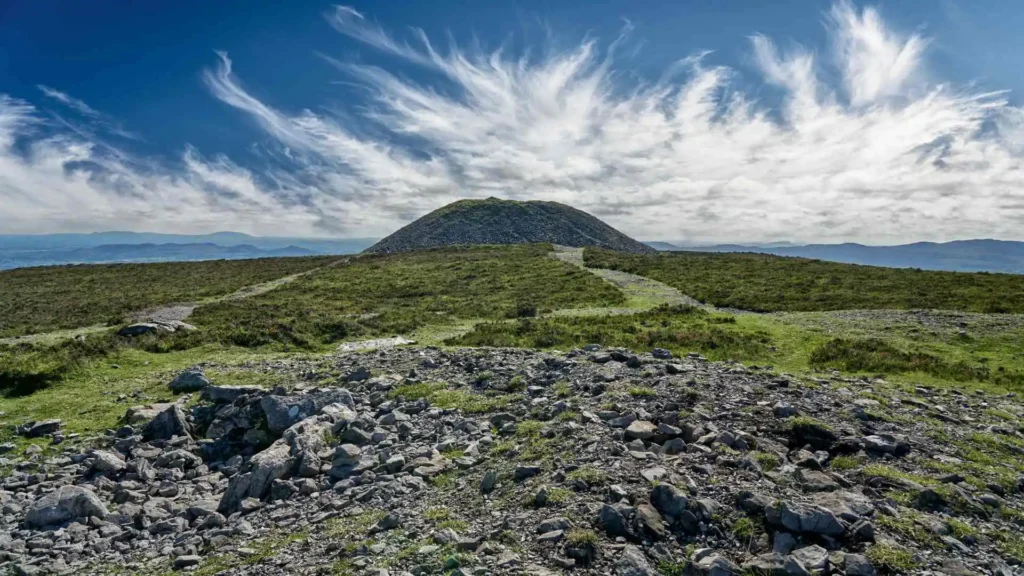
The path is a hike up Knocknarea mountain to Miosgan Meadhbha, a massive 6,000-year-old stone cairn, believed to have been a resting place of the mythical Queen Maeve. It is a panoramic footpath which has a view of Sligo Bay and countryside.
Glencar Waterfall
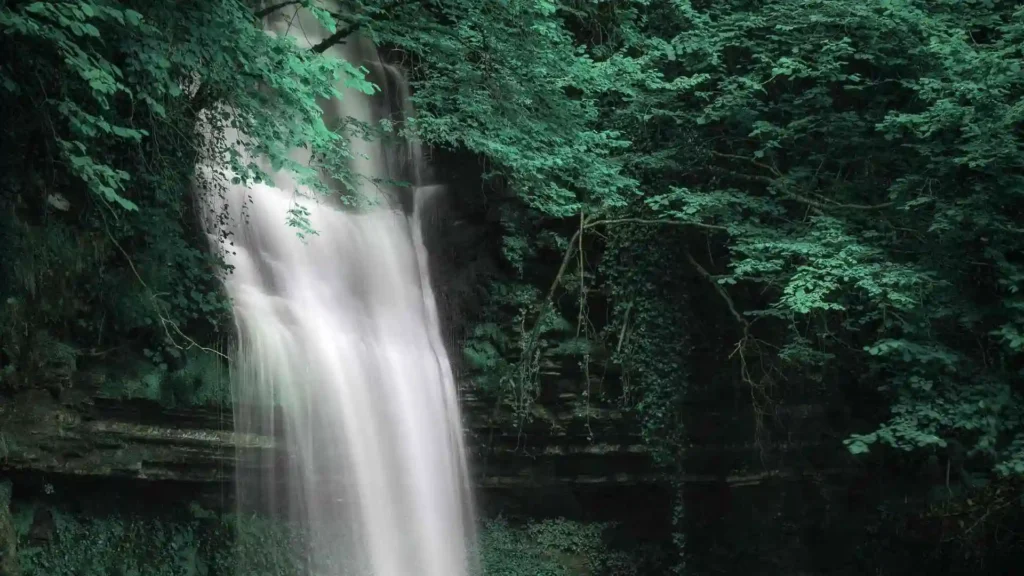
Glencar Waterfall technically lies across the border in County Leitrim but is synonymous with Sligo trips, and was famously celebrated in Yeats’s poem, “The Stolen Child”. The short, tarmac walk to the falls is cool, especially spectacular following a typical Irish rain.
Lough Gill
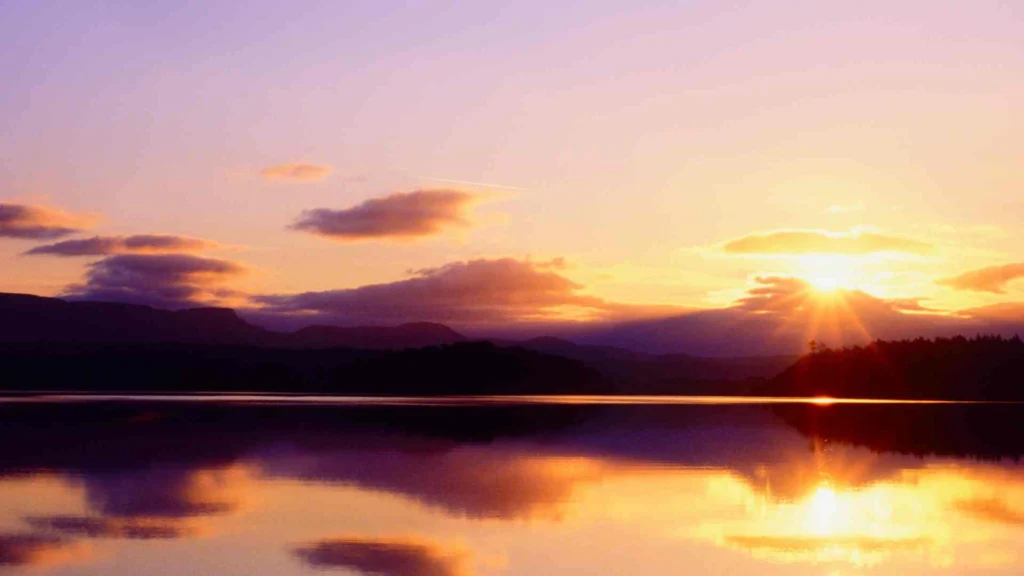
The Lake Isle of Innisfree is on this wonderful lake. In Sligo town, you can take a boat trip around Doorly Park which will enable you to explore the water and the silent island on which some of the most renowned poetry in the world came to be.
Carrowmore Megalithic Cemetery
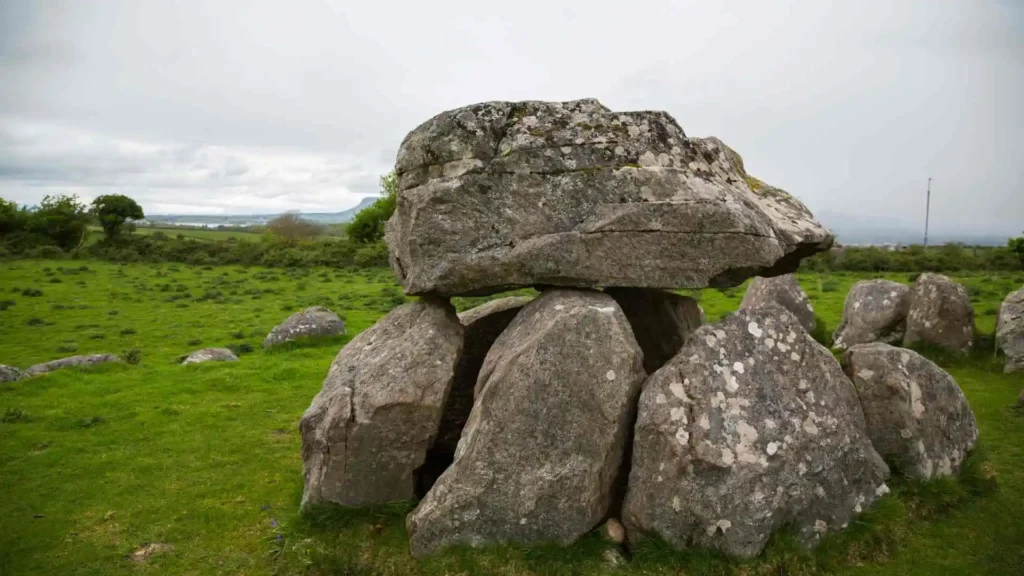
Carrowmore is a large and ancient collection of megalithic passage tombs, and a sightseeing spot for history enthusiasts. Some of the monuments date back nearly 6,000 years, making them older than the Pyramids of Giza.
Sligo Abbey
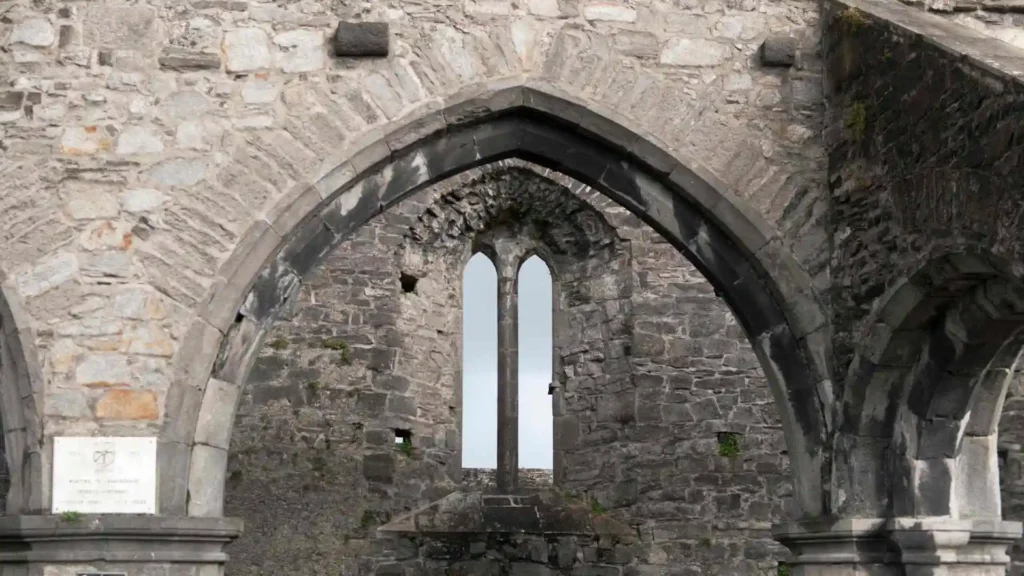
This Dominican friary is located in the centre of Sligo town, and was built in the 13th century. It is characterised by preserved carvings, Gothic arches, and a quiet environment that provides a view into the medieval past of the town.
Rosses Point
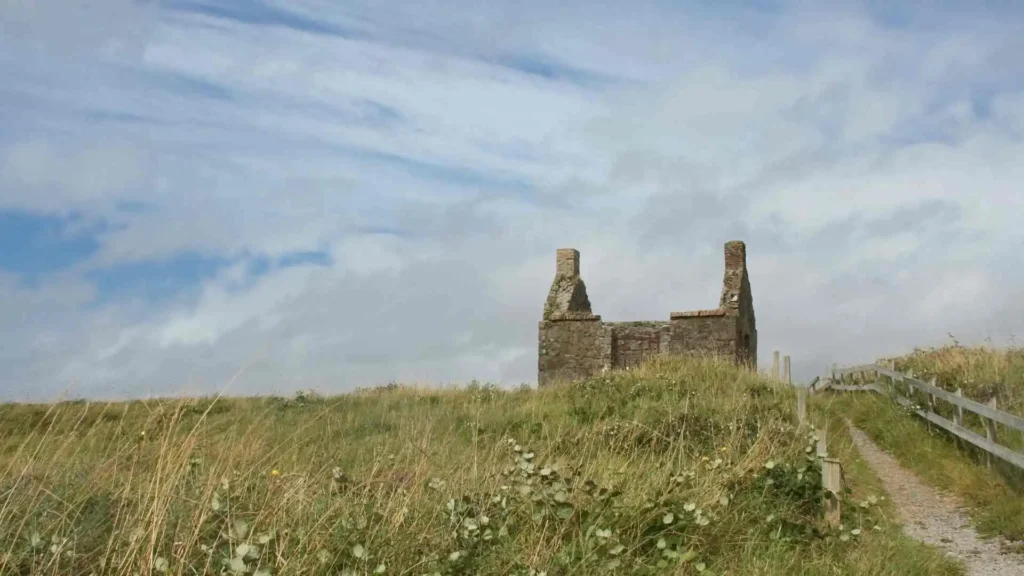
Rosses Point is a quaint seaside resort consisting of a Blue Flag beach and the historic “Waiting on Shore” monument. It is an excellent place to swim safely, play a game of golf, or even have a stroll along the coast with a glimpse of the Oyster Island lighthouse.
Mullaghmore Head
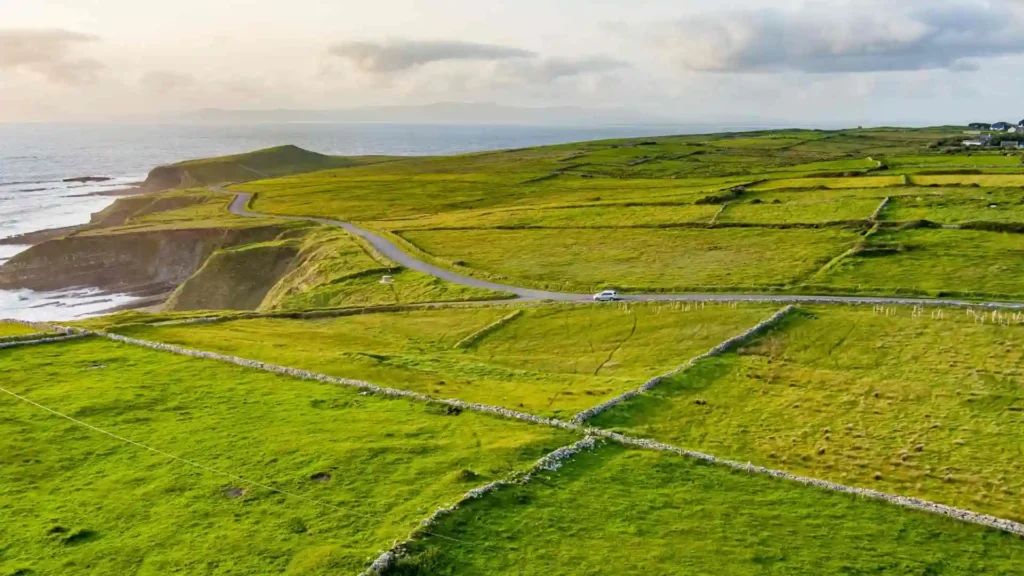
This peninsula is famous the world over for big wave surfing. Although you might not be surfing, the road trip around the headland has vistas of Classiebawn Castle and the dramatic cliffs of the Donegal coast.
Hazelwood Forest
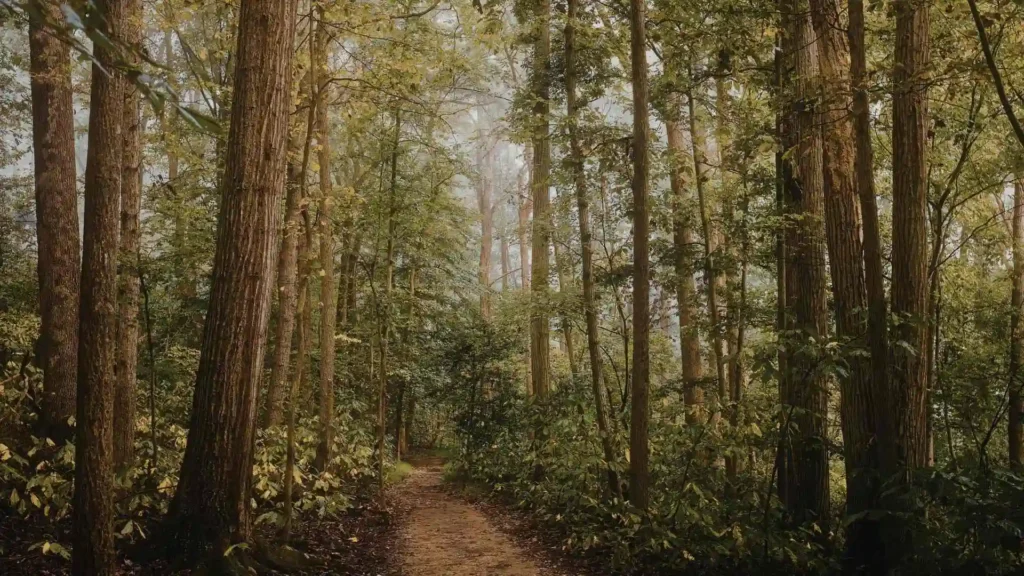
To spend a peaceful afternoon, Hazelwood Forest has easy, accessible walks on the banks of Lough Gill. It is particularly associated with outdoor wood sculptures and is a popular local destination for a nature walk.
Outdoor activities in Sligo
County Sligo is a playground for the active adventure-seeker, from the Atlantic to the uplands. The jewel of the outdoor scene in Sligo is surfing, and Strandhill and Mullaghmore Beach are frequented by fans worldwide.
Many surf schools offer beginner surf lessons that equip and guide you to your first wave on the cool Atlantic waters. Here, the hiker will find unlimited diversity, in the rugged limestone plateaus of the Dartry Mountains, and in the smooth wooded laps of Slish Wood.
Before going up into the uplands, it is always advisable to observe weather conditions because mist may very easily form along the coast.
Beaches in Sligo
The Sligo coastline features clean sandy areas, which allow people to participate in activities such as hiking and swimming with their families. The best swimming locations in Rosses Point and Enniscrone provide extensive sandy beaches together with lifeguard services, which operate throughout the summer. These beaches are family-friendly and suitable for those who want to have fun in the water but in a less active setting.
Streedagh Beach has 3 kilometres of sand, on which three ships of the Spanish Armada were wrecked, and provides you with a dramatic background for a walk.
Food and pubs in Sligo
Sligo has undergone an enormous resurgence of its culinary scene, which mainly concentrates on fresh Atlantic seafood and locally produced organic food.
The major foodie centres are Sligo town and Strandhill. You will get everything from the old Irish “boxty” to new-age tapas with Sligo oysters. The local farmers’ markets present a must-see attraction for your weekend visit because you can taste artisan cheese and baked goods there.
Sligo pub culture establishes a close connection with traditional music. Most of the central pubs have “trad sessions” where local musicians perform, providing the ideal setting to enjoy a pint and a chat with locals.
Where to stay in Sligo
Where to stay is a matter of choice, as you may want to be close to the town centre or close to the coast.
Sligo Town has numerous hotels and hostels that are in an excellent location to stay when one depends on public transport. The main historic sites and the colourful nightlife of the town’s pubs are easily accessible here.
For a more picturesque stay, one can opt to stay in the coastal towns of Strandhill or Rosses Point. They have boutique guesthouses and B&Bs overlooking the sea, putting you at the gateway of the Wild Atlantic Way.
How to get to Sligo
Sligo has good accessibility to the rest of Ireland, making it an ideal location where one can have a weekend break or even a longer holiday.
When travelling by train, the best means of public transport is the Dublin Connolly train, and the journey takes about 3 hours and 15 minutes. It is a straight route with a scenic view towards the northwest.
Alternatively, there is Bus Éireann, which offers frequent services between Dublin Busáras and other strategic places like Galway and Derry. The N4 is the primary highway from Dublin, and the drive typically takes about 2.5 to 3 hours in a jam.
Best time to visit Sligo
Sligo is an all-year-round destination, yet you will experience a totally different vibe depending on what time of the year you choose to visit.
The best time to visit is during summer (June to August) when chances of dry weather and long days are most probable. It is the peak hiking, swimming, and outdoor festival time, including the Yeats International Summer School and Sligo Live.
For surfers and storm-watchers, the favourite seasons are autumn and winter. The Atlantic waves are strongest in this season and even though the weather is cooler, the view of the waves hitting Mullaghmore Head is something that cannot be forgotten.
Local tips for visiting Sligo
Travellers require knowledge about various local factors because this information enhances their travel planning process and leads to better outcomes.
The weather in the northwest is highly unpredictable. Even during sunny days, you should always carry a waterproof garment and tough shoes in case you want to go on the trails or beaches.
In Sligo town, parking is generally not a problem with several large pay-and-display car parks; however, on sunny days and at weekends, coastal places like Strandhill can become very congested. You can save a lot of stress, either by coming early or taking the town bus.