
Supplementary Welfare Allowance in Ireland, Rates, Rules and How to Apply
Supplementary Welfare Allowance is a short term payment for people in Ireland whose weekly income is not enough to cover basic living costs. It is often used when someone has little or no money coming in, or while another social welfare claim is still being processed.
In 2026, it continues to act as an immediate financial support for households facing temporary hardship, helping bring income up to the minimum level set for a person or family based on their circumstances.
What Is Supplementary Welfare Allowance
Supplementary Welfare Allowance, usually called SWA, is a weekly means tested payment provided through Department of Social Protection under Community Welfare Services.
It is designed for people who cannot meet ordinary living expenses from their own income. This includes basic needs such as food, electricity, transport, and daily household costs.
The payment is often temporary. It fills a gap when a person is waiting for another social welfare payment, appealing a decision, or dealing with an unexpected drop in income.
Unlike long term payments, Supplementary Welfare Allowance works as an immediate safety net. The purpose is practical. It ensures that nobody living in Ireland is left without minimum weekly support while another issue is being sorted.
Who Can Qualify for Supplementary Welfare Allowance in Ireland
To qualify, you must usually show that your income is below the rate considered necessary for your household.
You may qualify if:
• You have no income at all
• Your weekly income is below the SWA rate
• You have applied for another welfare payment but have not yet received it
• You are waiting for wages after starting a new job
• Your hours at work have been reduced suddenly
You must also usually:
• Be living in Ireland
• Meet the habitual residence condition
• Register for work through your local Intreo Centre if you are of working age
A person in full time work of 30 hours or more each week normally does not qualify, unless there are unusual circumstances. Full time students also usually do not qualify unless there is an exceptional need.
This is why many applicants first check whether another payment such as disability allowance ireland or jobseeker related support applies before applying for SWA.
How Much Is Supplementary Welfare Allowance in 2026
The amount paid depends on age and household size.
Current maximum weekly rates in 2026 are:
• €252 for a person aged 25 or over
• €168.60 for a qualified adult
• €58 for each child under 12
• €78 for each child aged 12 or over
For applicants aged 18 to 24, the standard lower rate is €163.70.
A person under 25 may still receive the full adult rate if:
• They live independently and receive State housing support
• They have dependent children
• They were previously in care before age 18
These updated rates reflect the 2026 social welfare increases introduced under Budget 2026.
The final amount depends on your means test result and any other income in the household.
How the Means Test Works
The means test is one of the most important parts of a Supplementary Welfare Allowance application.
Community Welfare Services assess all available income before deciding what payment can be made.
They usually examine:
• Income from work
• Savings in current or deposit accounts
• Maintenance payments
• Other welfare income
• Property other than your main home
• Investments or financial assets

If you live with a spouse, partner, or cohabitant, their income is also included.
This means a person may not receive the full rate even if they personally have no earnings, because total household means are considered.
Bank statements are usually requested for this reason.
The process is similar to how income is reviewed for working family payment, where household earnings directly affect payment levels.
How to Apply for Supplementary Welfare Allowance
Applications are made through Community Welfare Services using the SWA1 form.
You can collect the form from your local Intreo Centre or download it through official social protection services.
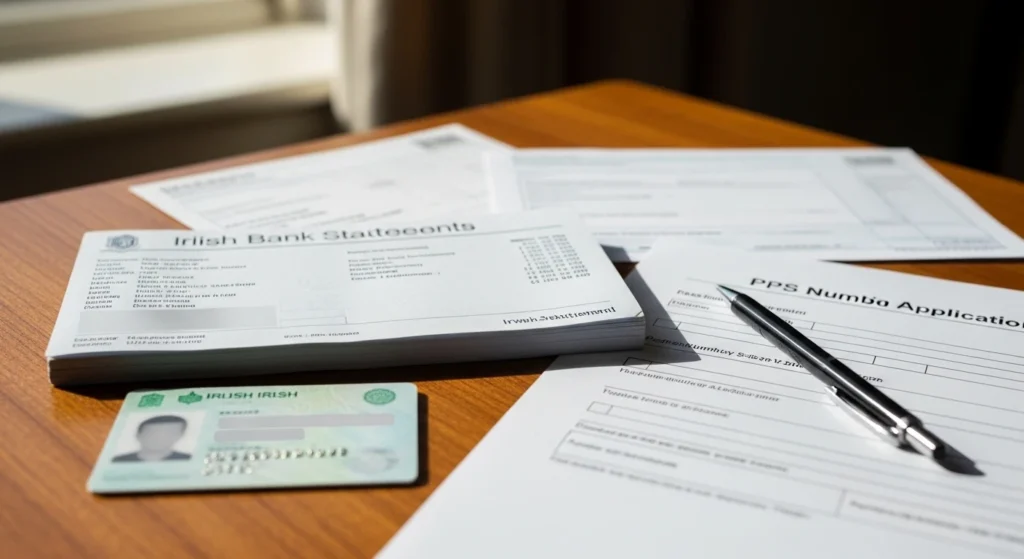
You usually need:
• PPS number
• Proof of address
• Photo identification
• Bank statements
• Proof of income or proof that income has stopped
• Details of any other social welfare application
A Community Welfare Officer reviews the claim and may ask for extra documents before making a decision.
If your case is urgent, such as no money for food or immediate household bills, a claim may be processed quickly.
This is one reason applicants are advised to submit complete documents from the start.
When People Commonly Need Supplementary Welfare Allowance
Most people apply during short financial gaps rather than long periods of unemployment.
Common examples include:
• Waiting for Jobseeker’s payment approval
• Waiting for first wages after starting work
• Delays in disability or illness payments
• Sudden job loss
• Family income dropping below weekly minimum levels
A person who has already started work may still qualify for up to 30 days while waiting for wages.
This short term support often prevents rent arrears, unpaid utility bills, and immediate financial pressure.
For many households, it acts as a bridge rather than a long term welfare payment.
Other Supports Linked to Supplementary Welfare Allowance
Supplementary Welfare Allowance also connects with several other supports under the same scheme.
These include:
• Rent Supplement
• Additional Needs Payment
• Heating Supplement
• Travel Supplement in special medical situations
An Additional Needs Payment is often used for urgent one off costs.
This may include:
• Essential household appliances
• Emergency travel
• Funeral costs
• Extra heating needs
• Unexpected utility costs
These supports are discretionary, which means a Community Welfare Officer looks at the full situation before approving payment.
Households already dealing with rent tax credit ireland limits often ask about these extra supports when weekly expenses rise.
How Long Supplementary Welfare Allowance Can Continue
There is no fixed payment period for every applicant.
It continues only while the financial need remains.
For example:
• If you are waiting for another welfare claim, it usually ends once that payment starts
• If your wages begin, the payment normally stops after income becomes sufficient
• If your circumstances improve, the amount may reduce or end completely
Where another social welfare claim is approved later, any SWA paid while waiting may be recovered from arrears.
This is standard practice under the scheme.