

How to get rid of wasps and wasp nests without getting stung
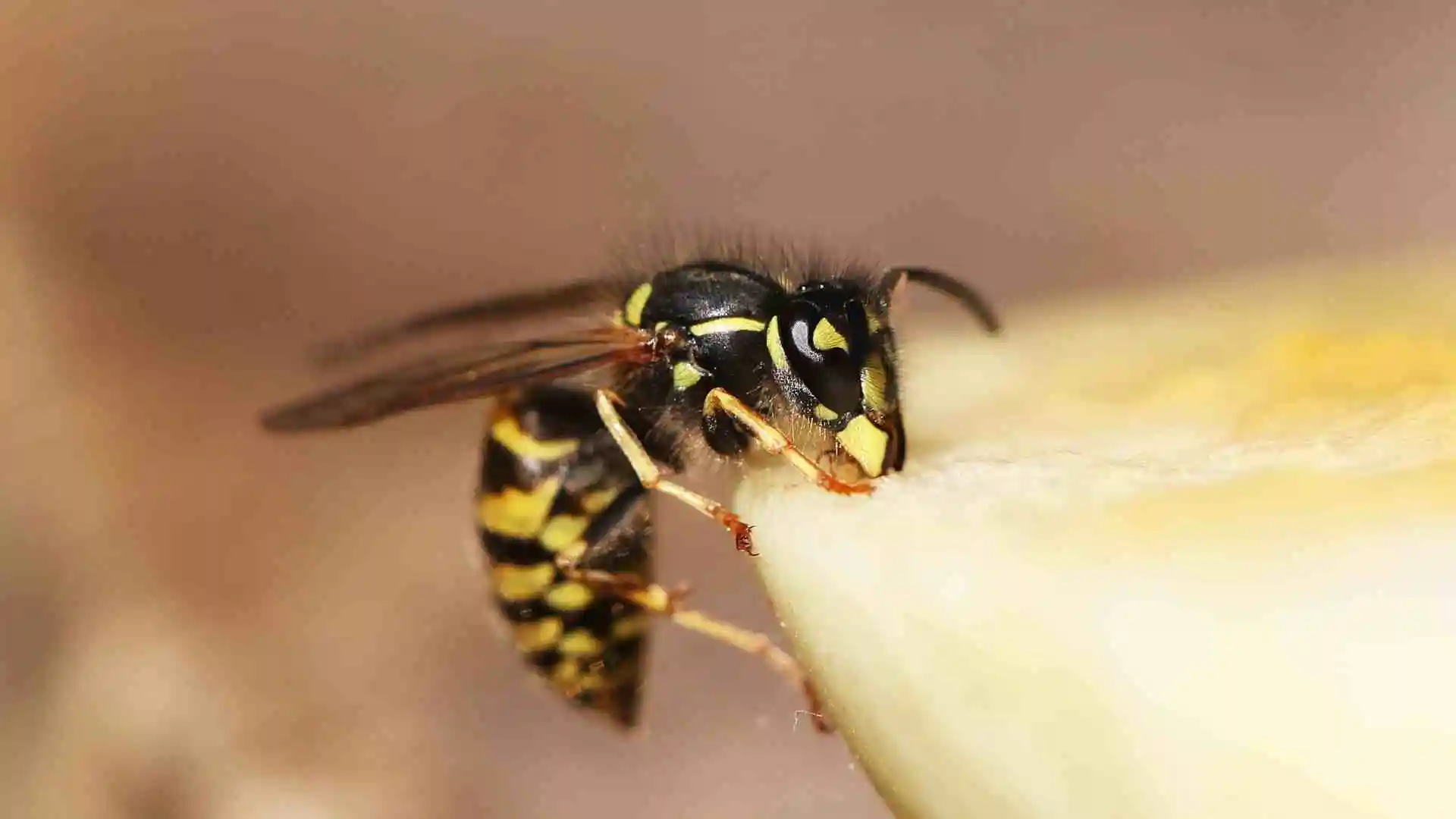
If you have ever attempted to spend a sunny afternoon in the garden, and have been chased by buzzing wasps, you know just how annoying they are. A single sting is painful, but several stings may pose serious health issues. Children, pets, and people who are allergic can become victims easily.
Wasps do not just fly. They nest in sheds, attics, and even beneath roofs, making your home their own. This guide will teach you all how to get rid of wasps safely. We’ll discuss some quick solutions, including DIY repellents, and professional wasp control services. This is your guide to getting your house and garden back without unnecessary stings.
How to get rid of wasps instantly?
If you have spotted a nest and need a quick remedy, a couple of methods can work immediately.. But you must be careful when dealing with them.Insecticide sprays are an instant way to kill wasps. They kill the colony on contact.
Pouring boiling water onto wasp nests may also work but is not safe if done incorrectly. Another gentler option is a vinegar spray. It will only irritate them and may need to be used several times.
So what should you spray a wasp nest with? Your best bet is a commercial wasp insecticide, unless you are allergic to it. Always wear protective equipment. Do not attempt this without fully covering your body for protection. And do not attempt this at night, when the wasps are the most active.
Signs of a wasp problem around your home
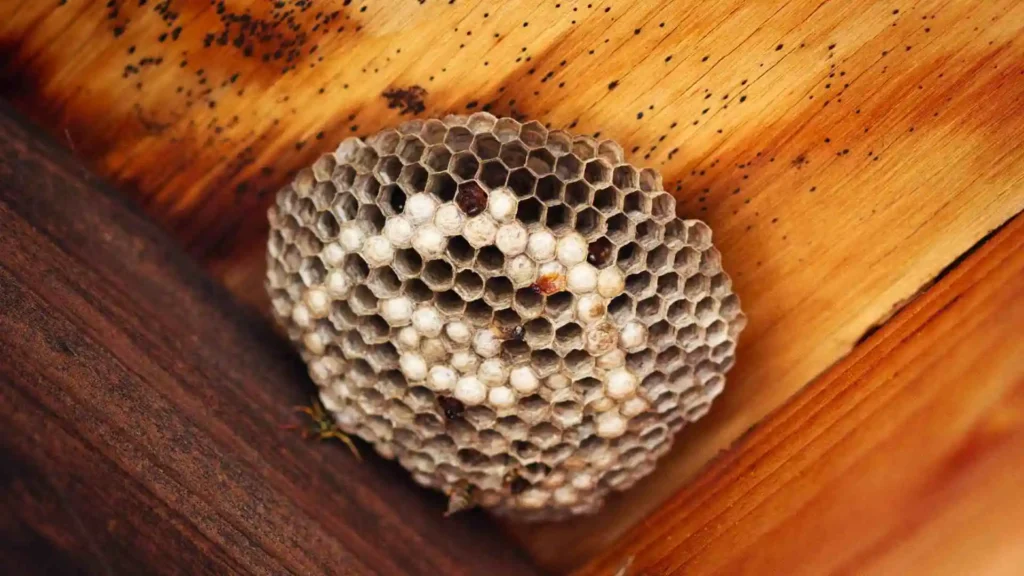
Wasps do not appear out of the blue. They leave clues. The most obvious sign is a visible wasp nest. Most are papery, grey, and shaped like a ball or cone. They may nest in trees, roof overhangs, garden sheds, or wall cavities.
You might see wasps flying to the same spot again and again, or hear a buzzing noise in your walls or attic. If you see a swarm of wasps in one area, there is likely a nest nearby. Leaving an infestation untreated is risky. By late summer, a nest can hold hundreds of wasps. Spotting the signs early gives you time to deal with the problem before it grows.
How to get rid of wasps nests without getting stung?
No one wants to deal with an angry swarm. Preparation and timing are key to safe removal. Wasps are much less active at night, making it the safest time to act.
Here’s a step-by-step guide:
- Dress to protect yourself: Wear heavy clothes, gloves, closed shoes, and a face shield.
- Select your approach: Use a commercial wasp control spray or a natural solution for small nests.
- Approach carefully: Move slowly and avoid swatting.
- Spray inside the nest hole: Ensure the solution reaches the interior.
- Move away: Step back immediately after spraying.
- Wait and recheck: After 24 hours, check that wasp activity has stopped.
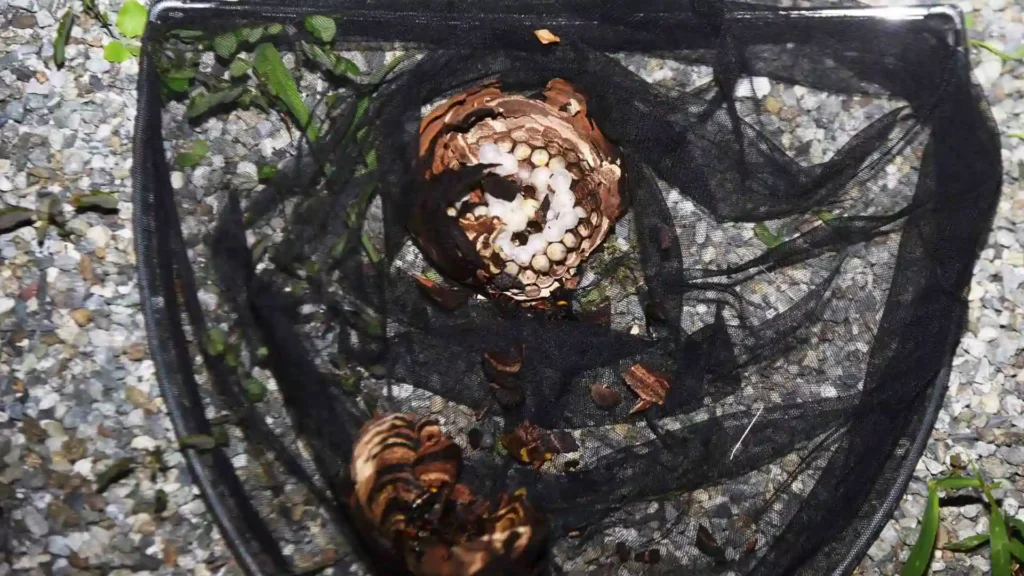
- Remove the nest carefully: Once inactive, take down the nest and seal it in a strong bag.
This method works best for small to medium nests. For large colonies, hire professionals to avoid multiple stings.
Natural deterrents and DIY wasp traps
You do not always need to kill wasps. Sometimes you just want to keep them away. DIY solutions can help.
Homemade wasp traps
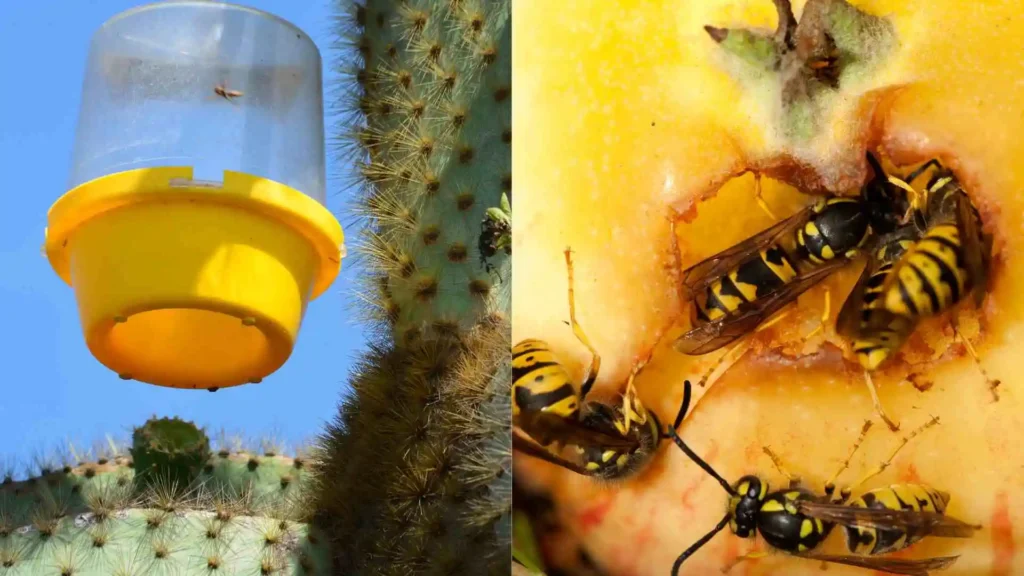
- Vinegar trap: Mix vinegar, water, and sugar in a bottle. Invert the top to make a funnel. Wasps can enter but cannot escape.
- Sugar water trap: Similar setup using sugar water as bait.
- Fruit trap: Place overripe fruit in a container. Wasps are attracted to the sweetness.
Natural wasp repellents
- Peppermint oil spray: Add a few drops to water and spray doorways or outdoor dining areas.
- Soap-water solution: Spray a mixture of washing detergent and water to block their breathing pores.
Plants that deter wasps
Your garden can help keep wasps away. Mint, eucalyptus, and citronella are natural deterrents. Plant them near patios, outdoor seating, or doorways to reduce wasps nearby. Many gardeners also note that these plants help repel mosquitoes.

Professional wasp control services
Sometimes DIY is not enough. When a nest is large, high up, or inside your walls, it is best to hire professional wasp control services. Certified professionals use protective equipment, effective treatments, and experience to tackle even the trickiest nests safely.
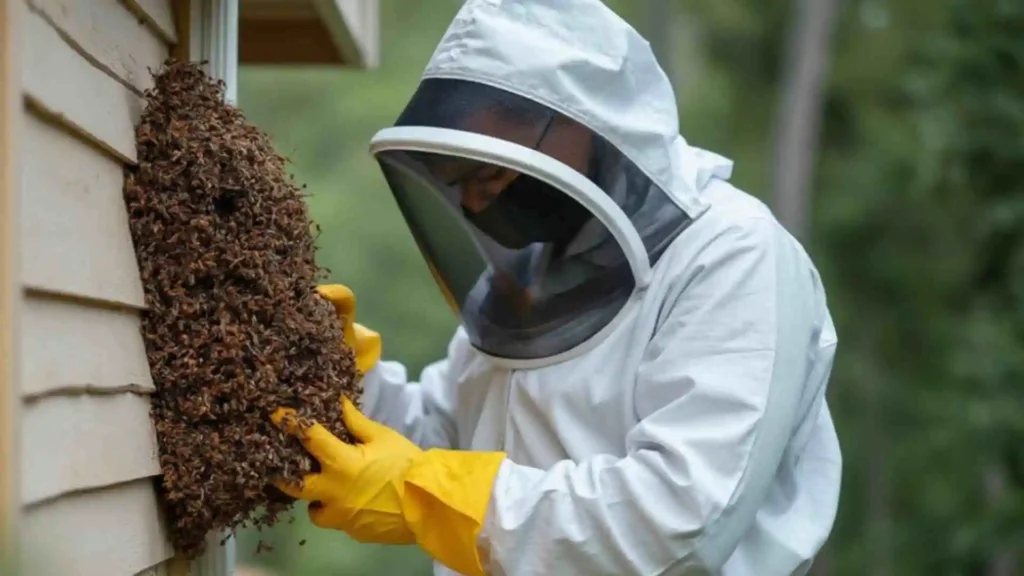
Benefits of professional help:
- Safety: You avoid the risk of stings.
- Efficiency: Most companies remove the nest in a single visit.
- Long-term prevention: Many offer follow-up services to stop wasps returning.
Costs vary depending on the size and location of the nest. Think of it as an investment in peace of mind. For red hornet nests or multiple colonies, hiring professionals is the safest choice.
Prevention tips to keep wasps away
The best way to deal with wasps is to stop them from nesting near your home.
- Keep food and bins covered:
BBQs and open bins attract wasps. Use bins with tight lids and wrap up food straight away. - Seal cracks and entry points:
Check walls, windows, and doors for small cracks. Wasps can squeeze into tiny holes to build nests. Sealing them now can save problems later. - Keep the garden tidy:
Wasps are attracted to fallen fruit. Clear it regularly and prune thick growth where wasps might nest. A tidy garden keeps wasps away and looks better too.
Conclusion
Handling wasps may seem daunting, but with the right approach, it does not have to be. You can now recognise the early signs of an infestation, such as a hidden wasp nest, and understand how traps and natural repellents can help.
You have also learned ways to keep your home safe. If the problem feels overwhelming or keeps coming back, professional wasp removal services are a reliable option. They handle the work so you can enjoy a sting-free summer.
If you are dealing with other pests, our guides on how to get rid of ants, fruit flies, or silverfish may also be useful.