

How To Get Rid Of Silverfish in Ireland: Complete Home Guide
The quickest way to get rid of silverfish is to reduce moisture in your home, seal entry points, and treat affected areas with diatomaceous earth or a permethrin-based spray. Silverfish are one of the most common household pests in Ireland, and given our famously damp climate, it’s no surprise they feel right at home here.
If you’ve spotted these fast-moving, silvery insects darting across your bathroom floor or behind your kitchen cupboards, don’t panic. They’re a nuisance, but they’re absolutely manageable. This guide walks you through everything you need to know to get your home silverfish-free for good. From natural remedies you can pick up in Woodies, to knowing when it’s time to call in pest control.
What Are Silverfish?
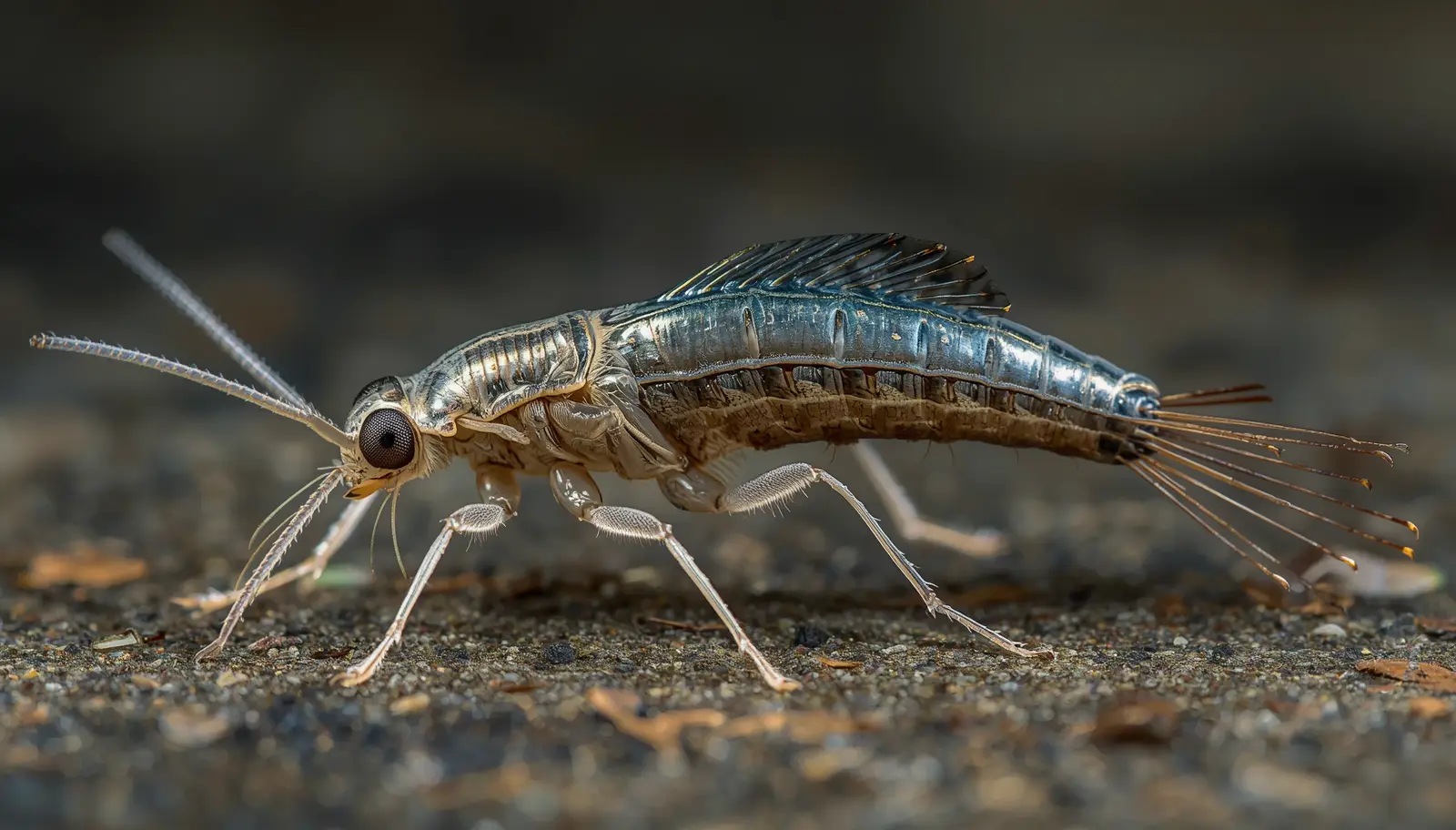
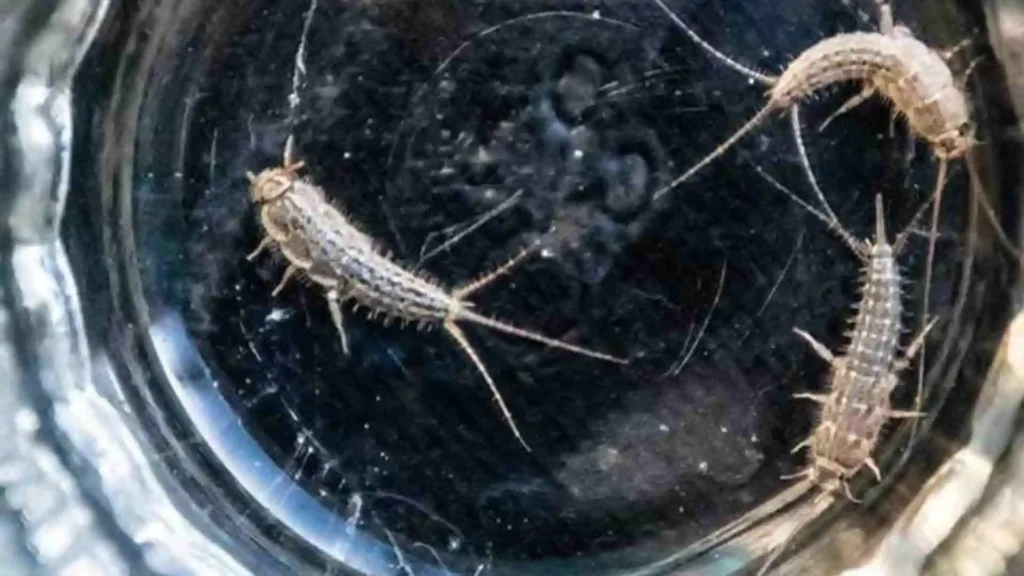
Silverfish (Lepisma saccharina) are small, wingless insects named after their silver-grey colour and the fish-like way they move. They’re one of the oldest insects on the planet, having been around for over 400 million years, which goes some way to explaining why they’re so hard to get rid of. They typically grow to about 12 to 19mm in length and have three long bristle-like tails at the rear of their bodies.
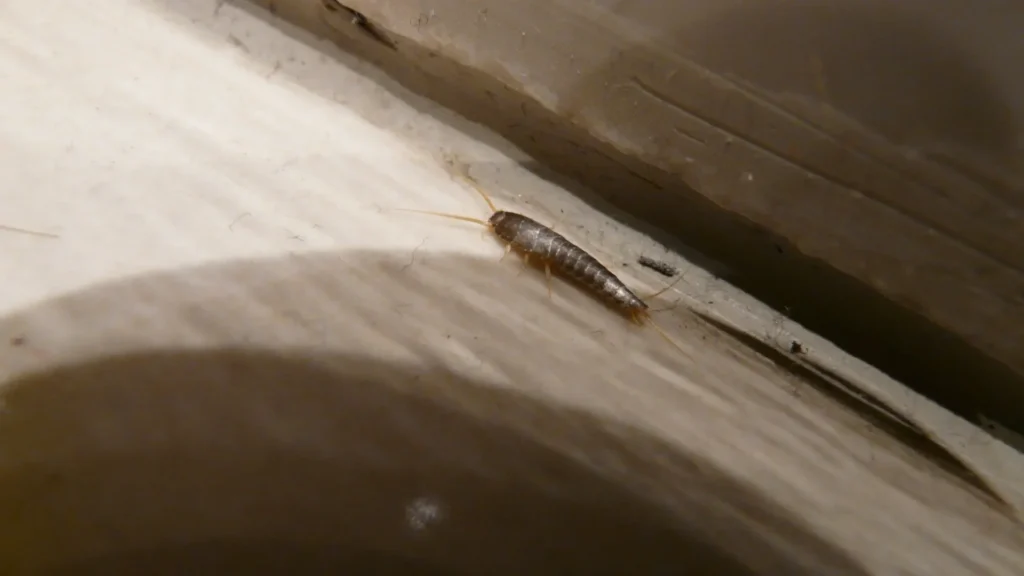
They’re nocturnal creatures, so you’ll rarely spot them during the day. Most people only discover they have a silverfish problem when they notice the damage. Think tiny holes in wallpaper, yellowing books, or small marks on clothing. They feed on starches, sugars, and cellulose, which makes your books, cardboard boxes, and old papers a five-star meal in their eyes.
Are Silverfish Common in Ireland?
Yes, silverfish are very common in Irish homes. Ireland’s damp climate, older housing stock, and long wet winters create near-perfect conditions for silverfish to thrive. Pest control professionals across the country report that silverfish complaints spike significantly between October and March, when heating goes on, humidity rises indoors, and ventilation drops.
They’re particularly prevalent in older terraced homes, Victorian-era properties, and houses with solid walls that tend to hold moisture. If your home has a hot press, a poorly ventilated bathroom, or a damp attic, you’re more likely than most to encounter them.
Are Silverfish Dangerous?
Silverfish are not dangerous to humans. They don’t bite, they don’t sting, and they don’t carry or transmit diseases. In that sense, you’ve nothing to worry about from a health perspective. The real problem is the damage they cause to your belongings over time if left untreated.
Silverfish are particularly destructive to paper-based materials. They’ll happily chew through books, wallpaper, important documents, and even certain types of clothing, especially natural fabrics like linen and cotton. If you’ve got old family photos, vintage books, or important paperwork in storage, a silverfish infestation can do serious damage before you even notice it’s happened. So while they won’t harm you, getting rid of them sooner rather than later is absolutely the right call.
What Causes Silverfish in Irish Homes?
Silverfish are drawn to three things above all else: moisture, warmth, and a food source. Irish homes, particularly older ones, tend to tick all three boxes without much effort. Poor insulation, ageing pipework, and the sheer volume of rainfall Ireland receives each year all contribute to the kind of damp, humid environment that silverfish absolutely love.
They typically enter homes through tiny cracks in walls, gaps around pipes, and poorly sealed windows or doors. Once inside, they find a warm spot, usually a bathroom, hot press, or kitchen, and start breeding. A female silverfish can lay up to 60 eggs at a time, so a small problem can become a significant one within a few months if it’s left unchecked.
Why Is Ireland’s Climate Perfect for Silverfish?
Ireland averages over 150 rainy days per year. Indoor humidity levels in Irish homes, especially during autumn and winter, regularly exceed the threshold silverfish need to survive and breed. They thrive at humidity levels above 75% and temperatures between 20 and 23 degrees Celsius, which is pretty much the inside of most Irish homes when the heating kicks in.
The combination of external damp coming through older walls and the warmth of central heating creates a microclimate that silverfish find irresistible. This is why Irish homeowners deal with silverfish far more frequently than those in drier European climates.
Signs of a Silverfish Infestation
The most obvious sign is spotting one yourself, usually at night when you flick on a bathroom or kitchen light. But because silverfish are so good at hiding, you’ll often notice the signs of an infestation before you ever see the insects themselves.
Common signs include:
- Small, irregular holes in wallpaper, books, or cardboard boxes
- Yellowish staining on fabric or paper
- Tiny scales left behind as silverfish moult
- Damage to stored food packaging
- Small black pepper-like droppings near skirting boards
What Do Silverfish Droppings Look Like?
Silverfish droppings are tiny, about the size of a ground peppercorn, and are black or dark grey in colour. They look similar to small grains of pepper or fine specks of dirt. You’ll typically find them near areas where silverfish feed and hide, such as behind bookshelves, along skirting boards, underneath sinks, or inside kitchen cupboards.
If you spot a cluster of small black specks alongside yellowing paper or chewed fabric, silverfish are very likely the culprits. Finding droppings is one of the clearest signs that you have an active infestation rather than just the odd stray insect.
Where Do Silverfish Hide in Your Home?
Silverfish are experts at finding the darkest, dampest corners of your home. They’re rarely found out in the open. They squeeze into cracks, tuck themselves behind appliances, and nestle into any space that’s warm, dark, and undisturbed. Knowing where to look is half the battle when it comes to treating an infestation effectively.
Silverfish in Bathrooms
Bathrooms are the number one hiding spot for silverfish in Irish homes. The constant moisture from showers, baths, and sinks, combined with the warmth and darkness under the sink or behind the toilet, makes the bathroom ideal territory. They’ll often hide behind skirting boards, under bathroom cabinets, and inside any gaps around pipework.
If you’re regularly spotting silverfish in your bathroom, focus your treatment efforts here first. Improving ventilation, fixing any dripping taps, and applying diatomaceous earth along the edges of the floor will make a significant difference.
Silverfish in Hot Presses
The hot press is Ireland’s most notorious silverfish hiding spot, and it makes perfect sense. The combination of warmth from the immersion heater, darkness, and often cluttered shelving gives silverfish everything they need. Many Irish homeowners discover an infestation in their hot press when they notice damage to stored linen, towels, or clothing.
To tackle silverfish in your hot press, remove everything and hoover thoroughly, paying particular attention to the corners and shelving edges. Place cedar blocks or lavender sachets inside and leave the door open occasionally to reduce humidity and disrupt the environment they’ve settled into.
Silverfish in Kitchens and Attics
Kitchens are another common hotspot, particularly under the sink and behind large appliances like the fridge or dishwasher. Silverfish are attracted to the food residue, moisture, and warmth that accumulates in these areas. Check behind your kickboards and in any gaps around pipework under the sink.
Attics are less commonly checked but can harbour large silverfish populations, especially if you store cardboard boxes, old books, or paper-based materials up there. Irish attics that lack proper ventilation can become very humid, making them a perfect breeding ground. If you have a silverfish problem that keeps recurring, it’s well worth checking your attic too.
How To Get Rid Of Silverfish in Ireland?
Getting rid of silverfish in an Irish home requires a two-pronged approach. You need to tackle the conditions that attract them and treat the infestation directly. Doing one without the other is why so many people find silverfish keep coming back after treatment.
Reduce Moisture and Humidity
This is the single most important step. Silverfish cannot survive long-term in a low-humidity environment. Invest in a small dehumidifier for your bathroom or hot press. They’re available in Argos, Woodies, and most hardware shops across Ireland for around €40 to €80. Run your bathroom extractor fan during and after every shower, and open windows where possible to improve airflow.
Fix any leaking pipes or dripping taps immediately. Even a slow drip under the bathroom sink is enough to maintain the humidity levels silverfish need to thrive. Addressing moisture at the source is what separates a permanent fix from a temporary one.
Declutter and Clean Regularly
Silverfish love clutter because it gives them places to hide and, in many cases, things to feed on. Go through your hot press, attic, and kitchen cupboards and remove any cardboard boxes, old newspapers, or stacks of paper that you don’t need. Replace cardboard storage boxes with sealed plastic containers, which silverfish simply cannot get into.
Hoover along skirting boards, behind furniture, and in corners regularly. Silverfish eggs are tiny and can survive for weeks, so regular hoovering disrupts the breeding cycle and removes eggs before they hatch. Pay particular attention to areas you don’t normally clean, like behind the fridge or under the bath panel.
Seal Cracks and Entry Points
Silverfish enter your home through surprisingly small gaps around pipes, along skirting boards, and through cracks in walls or floors. Go around your bathroom, kitchen, and hot press with a tube of sealant and fill any visible gaps. This is a straightforward job that makes a real difference, particularly in older Irish homes where settlement cracks are common.
Pay attention to the areas where pipes come through walls and floors, as these are prime entry points. A tube of decorator’s caulk from any Irish hardware shop will do the job perfectly.
How To Get Rid Of Silverfish Naturally?
Natural methods are a great starting point, especially if you have young children or pets. Most of the best natural silverfish treatments are available in Irish hardware shops or online through Amazon.ie, and they’re considerably cheaper than calling in a professional.
Diatomaceous Earth
Diatomaceous earth is widely considered the most effective natural silverfish treatment available. It’s a fine powder made from fossilised algae that damages the exoskeleton of silverfish on contact, causing them to dehydrate and die. It’s completely non-toxic to humans and pets, which makes it ideal for families across Ireland.
Sprinkle diatomaceous earth along skirting boards, behind appliances, in the hot press, and anywhere else you’ve spotted silverfish activity. Leave it in place for a few days and then hoover it up. Repeat every two weeks until the infestation clears. You can pick it up in most garden centres or online for around €10 to €15 for a large bag.
Cedar Oil and Cedar Blocks
Silverfish hate the smell of cedar. It acts as a natural deterrent that disrupts their environment without harming them. Cedar blocks or cedar oil applied to wardrobes, hot presses, bookshelves, and bathroom cabinets will help keep silverfish away from these areas over time. While cedar won’t eliminate an existing infestation on its own, it works brilliantly as a preventative measure once you’ve treated the problem.
Cedar blocks are inexpensive and widely available. You’ll find them in Woodies, TK Maxx, and most home stores across Ireland. Refresh them every few months by lightly sanding the surface to release the scent.
Boric Acid
Boric acid is another effective natural option for killing silverfish. It works similarly to diatomaceous earth in that silverfish ingest it while grooming and it damages their digestive system. Apply a thin layer of boric acid powder along skirting boards and in dark corners where silverfish are active. Keep it away from areas accessible to children or pets, and use it sparingly.
Boric acid is available in some Irish pharmacies and online. It’s a longer-term treatment that remains effective for several weeks without needing to be reapplied, making it a low-maintenance option once it’s in place.
Best Silverfish Repellents Available in Ireland
Beyond cedar, there are several other natural repellents that silverfish dislike. Lavender sachets placed in wardrobes and hot presses work well as a deterrent. Whole cloves sprinkled along shelving edges are another option worth trying. Citrus peels, particularly lemon and orange, can be placed in areas of silverfish activity as a temporary repellent, though you’ll need to replace them every few days.
For a ready-made natural repellent spray, look for products containing essential oils such as peppermint, lavender, or eucalyptus. These are available in health stores and online through Amazon.ie. While they won’t eliminate a serious infestation, they’re a solid addition to a broader treatment plan.
Chemical Solutions For Silverfish Infestations
If natural methods aren’t cutting it, or if you’re dealing with a larger infestation, chemical treatments are the next step. Used correctly, they’re highly effective and can resolve even stubborn silverfish problems within a few weeks.
Best Silverfish Sprays Available in Irish Shops
Permethrin-based insecticide sprays are the most widely available and effective chemical option for silverfish in Ireland. Products like Zero In Silverfish Killer and Rentokil Silverfish Killer are stocked in Woodies, B&Q, and most hardware shops across Ireland. Prices typically range from €8 to €15.
Apply the spray along skirting boards, in cracks and crevices, and around the perimeter of affected rooms. Make sure the room is well-ventilated during application and keep children and pets out until the spray has dried fully. Reapply every four to six weeks as needed.
Do You Need a Silverfish Exterminator?
In most cases, no. The vast majority of silverfish infestations in Irish homes can be sorted with a combination of DIY treatments: moisture control, diatomaceous earth, and a good insecticide spray. Professional extermination is rarely necessary for silverfish specifically.
That said, if you’ve been treating the problem consistently for six weeks or more and the infestation keeps returning, it’s worth calling in a professional silverfish pest control service. This might indicate a larger infestation that has spread to areas you haven’t been able to treat, like inside wall cavities or under floorboards. Professional silverfish removal in Ireland typically costs between €80 and €200 depending on the size of your property.
How To Kill Silverfish Effectively?
The most effective way to kill silverfish is to combine a fast-acting chemical treatment with a longer-term residual solution. Use a permethrin spray for immediate results, as it kills silverfish on contact within 24 to 48 hours. Follow this up with diatomaceous earth applied along skirting boards and in hidden corners to deal with any surviving insects and newly hatched eggs.
Sticky insect traps placed along walls and in dark corners are also very effective at catching silverfish overnight. They won’t eliminate an infestation on their own, but they’re a useful way of monitoring how severe the problem is and whether your treatment is working. Replace them every two to four weeks.
Consistency is key here. A single treatment rarely resolves a silverfish infestation completely. You need to repeat your chosen method every two weeks for at least four to six weeks to break the breeding cycle and ensure you’re catching newly hatched insects before they reach maturity.
How To Get Rid Of Silverfish in Your Bathroom?
The bathroom is where most Irish homeowners first notice a silverfish problem, and it’s the most important room to treat thoroughly. Start by improving ventilation. Run your extractor fan during every shower and for at least 15 minutes afterwards. If your bathroom doesn’t have an extractor fan, consider having one fitted. It makes an enormous difference to indoor humidity levels.
Fix any dripping taps or leaking pipes under the sink. Apply diatomaceous earth along the skirting boards, behind the toilet, and around the base of the bath. If you have a bath panel, remove it and treat the area underneath. It’s a prime silverfish hiding spot that most people never check. Place cedar blocks under the sink and inside the bathroom cabinet to deter silverfish from returning once you’ve treated the infestation.
What Is the Best Silverfish Pest Control in Ireland?
For most Irish homeowners, the best silverfish pest control approach is a DIY combination treatment rather than calling in a professional service. A three-step routine of moisture reduction, diatomaceous earth, and a permethrin spray covers all bases and is far more cost-effective than professional extermination.
If you do need to call in pest control, look for a company registered with the Irish Pest Control Association (IPCA). Reputable services include Rentokil Ireland, Cannon Pest Control, and numerous local operators across Dublin, Cork, Galway, and Limerick. Always ask for a quote upfront. Silverfish treatments should cost between €80 and €200 for a standard home.
Preventing Future Silverfish Infestations
Once you’ve dealt with an infestation, keeping silverfish from coming back is all about maintaining the right conditions in your home. Ireland’s climate means you’ll need to be a bit more proactive about prevention than homeowners in drier countries, but it’s genuinely straightforward once you’ve got a routine in place.
Keep on top of these prevention habits:
- Run extractor fans in the bathroom and kitchen daily
- Use a dehumidifier in damp areas like the hot press or bathroom
- Store books, documents, and clothing in sealed plastic containers
- Repair cracks in walls, floors, and skirting boards as soon as you notice them
- Keep bathroom and kitchen areas clean and dry
- Hoover along skirting boards and behind furniture regularly
- Place cedar blocks in your hot press, wardrobes, and bookshelves and refresh them every three to four months
With these habits in place, silverfish are very unlikely to return. And if you do spot the occasional stray, you’ll be able to deal with it quickly before it becomes a problem.
Conclusion
Getting rid of silverfish in your Irish home is completely manageable with the right approach. Start by tackling moisture, because it’s the root cause of almost every silverfish infestation in Ireland. Follow up with diatomaceous earth, cedar blocks, and an insecticide spray if needed. Stay consistent with your treatment for at least four to six weeks and you’ll see results.
Everything you need is available in Irish hardware shops like Woodies and B&Q, or online through Amazon.ie, for well under €50. Professional silverfish pest control is rarely needed, but it’s there as an option if the problem persists. With a bit of effort and the right products, you’ll have your home sorted in no time.