Irish National Symbols: Meaning, History, and Cultural Importance
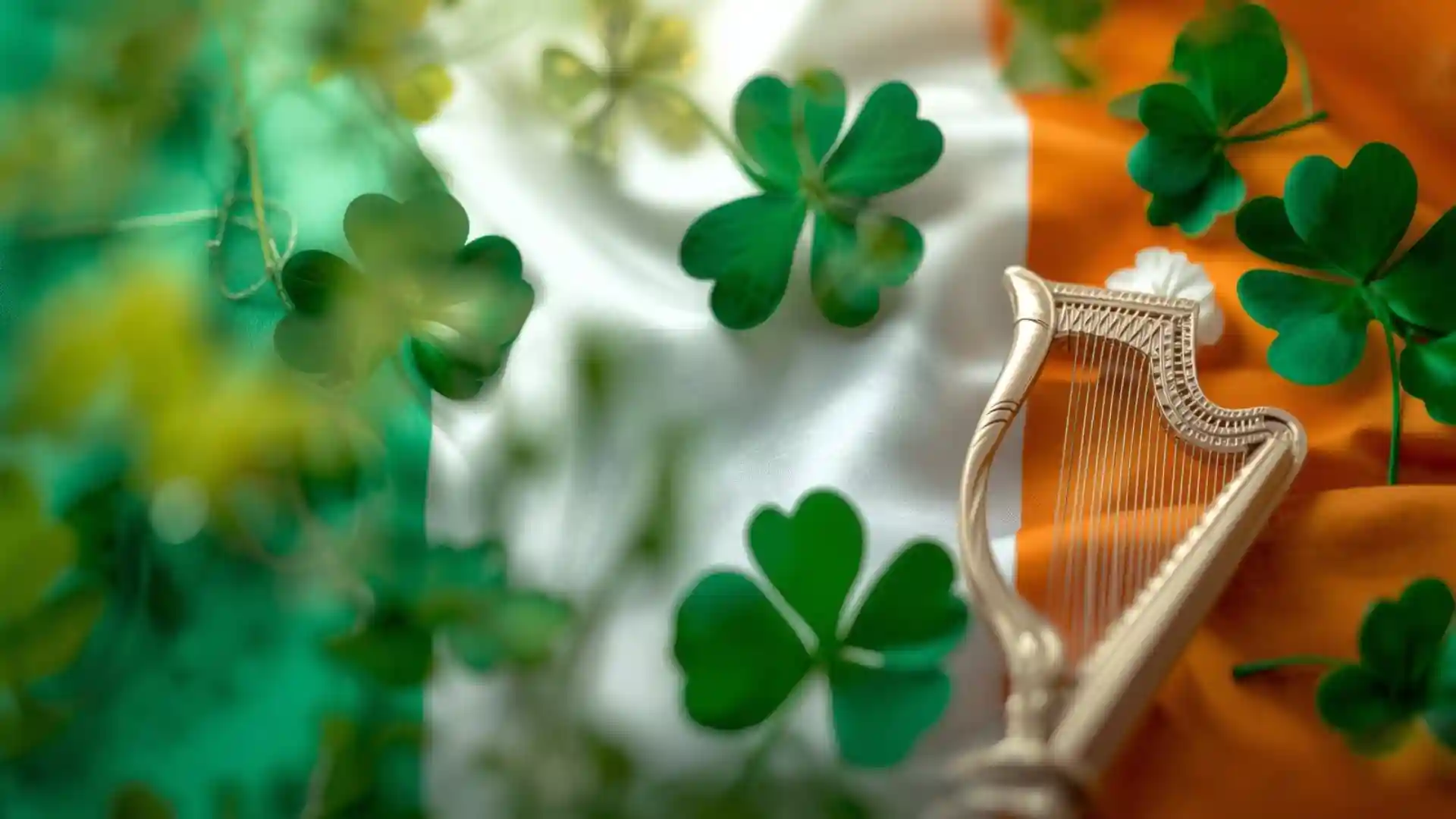
Irish National Symbols tell the stories of history, belief, and unity. These national symbols have layers of meaning that reflect Irish culture and history. Passed down from one generation to another, these symbols have preserved the Irish identity and traditions. Every national symbol, whether it’s the legendary harp or the traditional shamrock, depicts the country’s national soul.
In this blog, we will explore the national symbols of Ireland and the value they represent. These iconic emblems reveal how the country’s past shapes its current identity in culture, art, and folklore. For a more detailed understanding and historical references, you can check the Symbols of Ireland page on Wikipedia.
What Are the Irish National Symbols?
The Irish national symbols are important icons that show the country’s culture, beliefs, and history. They show centuries of traditions and stories. The harp is the official Irish national symbol, showing the country’s resilience and artistry. There are other national emblems, such as the shamrock, the tricolour flag, Celtic knots, and St Brigid’s cross, which are part of Irish cultural identity. These heritage symbols depict Ireland through folklore and faith. You can see the gradual evolution of Ireland over the course of years through these icons. They perfectly connect their roots with the modern national identity.
Which symbol do you feel represents Ireland the most?
Why Do Irish Symbols Hold Deep Meaning?
Irish national symbols hold deep meaning because they carry centuries of traditions, resilience, and identity. Every national emblem tells a story of its own. Some of these symbols were created as ancient Gaelic emblems, even before Ireland came into being as a unified nation. Over the years, these emblems turned into an expression of heritage, spiritual beliefs, and values.
The harp is a symbol of the poetic soul of Ireland, while the shamrock shows unity and faith. Celtic knots represent life and eternity. These symbols, which are now national icons, are much more than visuals. They carry emotions and stories and are a constant reminder of Ireland’s roots and past.
Explore traditional Irish Folklore Stories through our guide.
The Irish Harp – The Official National Emblem
The most important icon and the only official national emblem is the Irish Harp. It is recognised as one of the most important heritage symbols of the country. Ireland proudly uses the harp as a symbol of heritage, showing love for art, music, and creativity.
When talking about history, the harp dates back to mediaeval times. Back then, harpers used to play it for kings, courts, and clans, showing cultural identity through songs. The Irish national emblem, the harp, is a symbol of resilience, harmony, and creativity. These days, this symbol appears on Irish passports and government seals.
Did you know that the Irish national symbol, the harp, is older than its flag? Its history goes back over 1000 years, making it a timeless emblem of Irish identity.
The Shamrock – Faith and Unity in Irish Identity
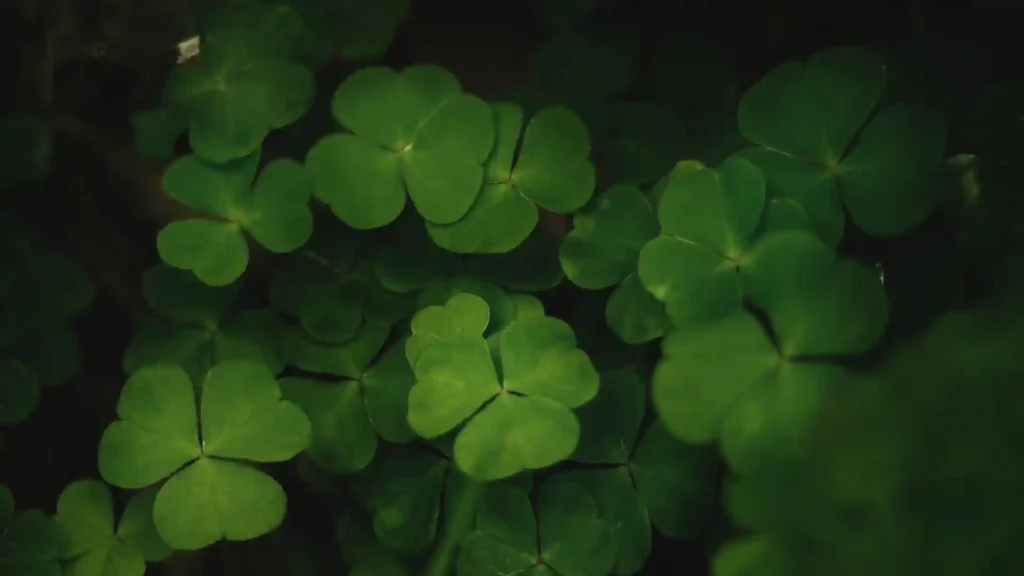
The Shamrock, the most symbolic in Ireland, signifies hope, unity, and pride. The symbol had a religious significance during St Patrick’s time. He used the three-leaf shamrock to explain the Trinity. After this, the emblem became a symbol of Christianity in Ireland. However, with the passage of time, the significance of religion has expanded to broader terms of togetherness and resilience.
Today, the symbol appears everywhere from passports to tourism branding, signifying a key part of Irish national identity in simple form. It can be viewed everywhere during St Patrick’s Day celebrations. Visit our guide on St Patrick’s Day in Ireland to know the festive significance.
The Irish Flag – Meaning Behind Its Colours
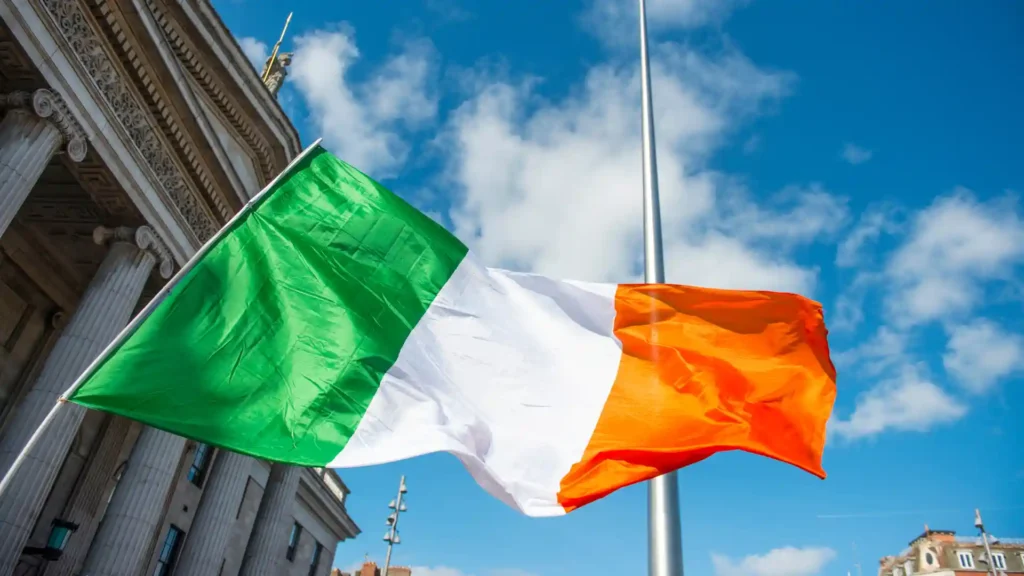
The Irish national flag shows a symbolism of Irish history and identity. Each colour in the flag represents the nation’s identity. By understanding the meaning of the Irish flag colours, you can understand the emotional significance they hold.
The green stripe in the flag represents the Gaelic tradition of Ireland’s national community. The orange stripe shows the Protestants, linked to William of Orange. The white stripe is a sign of connection, harmony, and unity between both groups.
The flag is more than a national emblem and shows reconciliation and shared identity. For more, explore our guide on Irish Flag Meaning!
The Claddagh Ring – Love, Loyalty, and Friendship
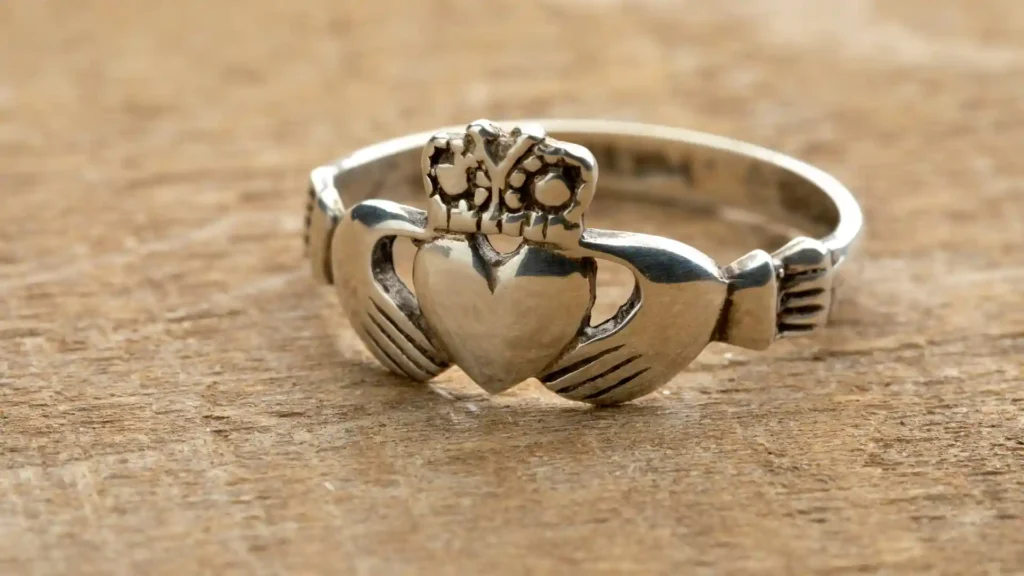
The Claddagh ring is one of the most cherished symbols of Ireland because of the emotional message it carries. The Claddagh ring symbolism has three core values : love, loyalty, and friendship. These values are shown through the heart, crown, and hands, respectively. This combination has made the ring a powerful expression of love and connection.
The ring originated from the village of Claddagh near Galway. It was previously given as a wedding band showing lifelong commitment. Now, it has become a popular part of Irish jewellery worn all around the world.
To know more about the history of the Claddagh ring, explore our guide, Claddagh Ring History!
St Brigid’s Cross – A Tradition of Protection and Faith
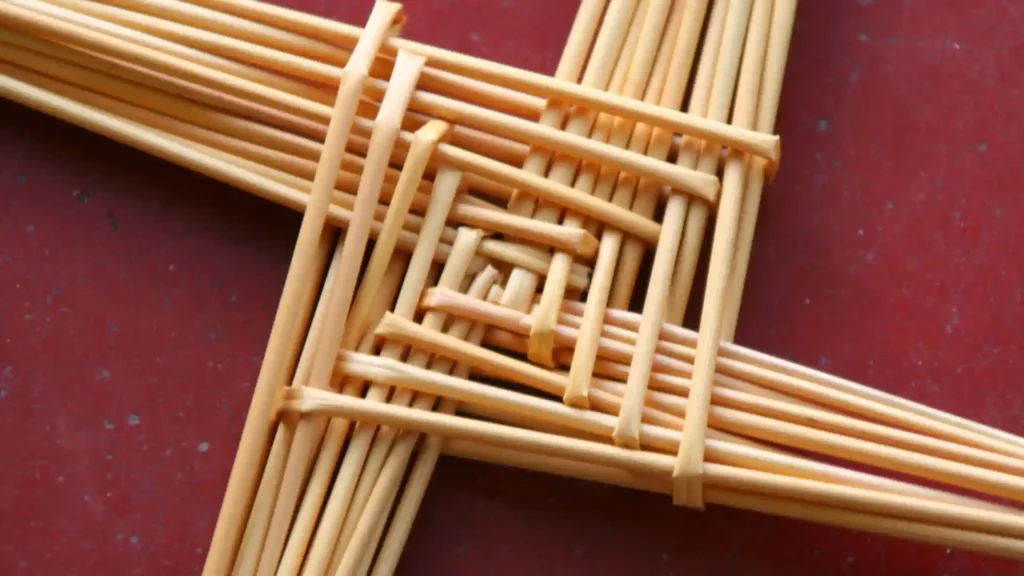
The St Brigid’s cross tradition has been a part of Irish homes for years. It is believed to save homes from evils and bring prosperity and blessings. This symbol of Irish culture blends Christianity with Celtic traditions.
There is a tradition in Ireland to make a St Brigid’s cross on St Brigid’s Day (1 February) to welcome the arrival of spring. Thus linking this tradition to spiritual protection and cycles of nature. Displayed in home and community spaces, the symbol shows the connection of modern-day Ireland with centuries of tradition.
The Celtic Knot – Symbol of Eternity and Connection
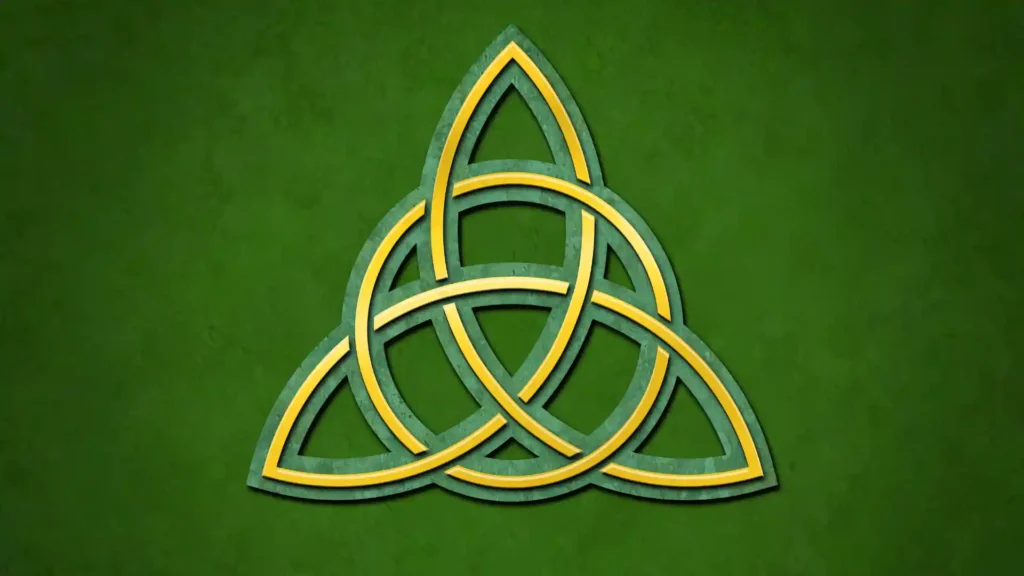
The Celtic knot is one of the ancient Gaelic emblems. It is famous for its looping pattern that has no beginning or end. The design of the loop symbolises eternity, love, and interconnectedness.
There are different beliefs regarding the meaning of the Celtic knot. Many think that it is a symbol of eternal love, spiritual awakening, and an unbreakable connection between people or between the spiritual and physical worlds. Different knots, such as the Trinity knot, shield knot, and lover’s knot, carry their own meaning. The Celtic knot, whether used in jewellery, manuscripts, or carved in stone, is a reminder of Irish heritage.
The Celtic Cross – A Bridge Between Pagan and Christian Heritage
The Celtic Cross is one of the most iconic ancient Gaelic emblems. It shows the blend of pre-Christian and Christian beliefs.
The specific ring design of the cross is a fusion of pagan sun and Christian crucifix symbols.
In ancient times, these crosses were placed in monastic sites, decorated with biblical scenes and knotwork. Over the years, it became an emblem representing faith, eternity, and artistic legacy.
Today, the symbol is used in jewellery and displayed in graveyards. It is celebrated as a symbol of Irish culture and spiritual identity.
The Triskele and Tree of Life – Harmony and Continuity
If we talk about the most meaningful and ancient Gaelic emblems, the Triskele and Tree of Life stand at the top. The triskele has three spiralling arms depicting motion, growth, and the eternal cycle of life. Signifying mind, body, and spirit, it explains the Celtic knot meaning of interconnectedness and continuous evolution.
Besides, the tree is also a symbol of balance between the earthly and spiritual worlds. With its roots deeply rooted in the earth and branches touching the sky, it embodies unity and ancestry.
Together, these two symbols show Celtic belief in connectedness, resilience, and the cycle of life.
The Leprechaun – From Folklore to Cultural Icon
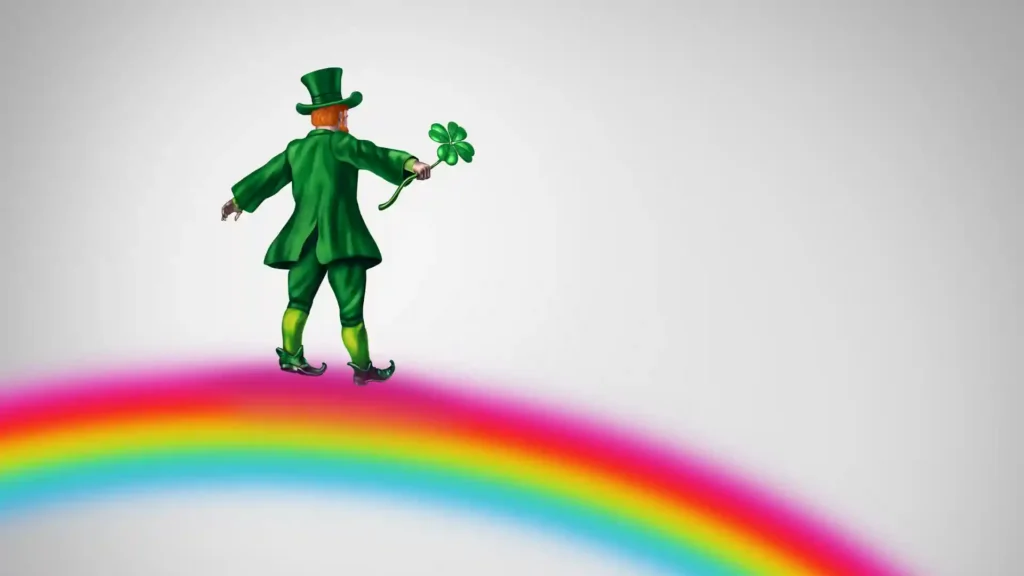
The Leprechaun is one of the heritage symbols that has evolved from folklore into an emblem of national charm. Previously depicted in stories as a clever fairy shoemaker, it became a symbol of Irish culture. Old stories portrayed the character as a guardian of treasures . Over the years, the mythical character evolved to represent luck and Irish identity. Its presence in Irish festivals, tourism, and global media shows how a mythical character can turn into a cultural icon. The symbol perfectly reflects the storytelling traditions of Ireland.
Conclusion
Irish National Symbols are a rich blend of culture, spirituality, artistic tradition, and history. Each symbol carries a unique story that shows the evolution of today’s Ireland. The harp remains Ireland’s official emblem, showing dignity and culture with a deep connection to ancient music. Celtic art and Christian faith come together to show the symbolic heritage of Ireland. The Flag, Shamrock, and Claddagh Ring connect the history with present-day Ireland, giving a reminder of shared values.
Together, these symbols are the embodiment of the spirit of Ireland, meaningful, culturally rich, and carried with pride.