
National Heritage Park: Explore the History, Culture, and Nature
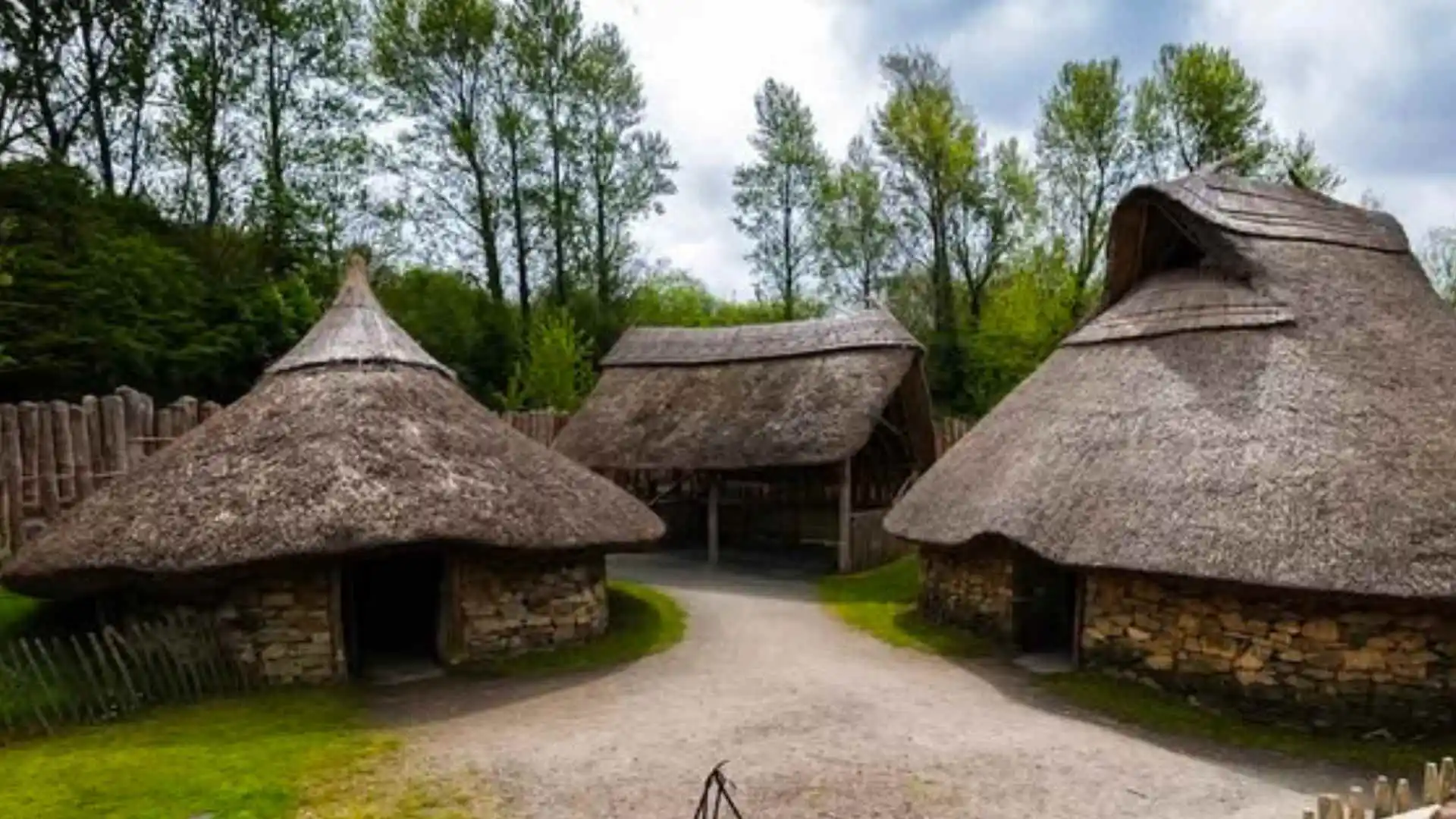
Visit the Irish National Park to have the best heritage park experience. This attraction is an open-air heritage park, located at Ferrycarrig, near Wexford town. Set along the River Slaney, the Irish history park is home to reconstructions of settlements, dwellings, and monuments. The park has a history of 9000 years, spanning from the prehistoric period to the Norman age.
The park, with its combination of heritage trails, marshland, and riverbanks, offers live historical experiences through guided tours. This guide will cover all the details regarding the national heritage park and why it’s a must-visit cultural place. Keep reading to know more about its Wexford attraction.
What Is the Irish National Heritage Park?
Irish National Park is a unique open-air museum in Wexford, on the bank of the River Slaney. The park brings Irish history to life through immersive real-world reconstructions. It comprises 35 acres, including woodland, marshland, and riverside landscape. Visitors can enjoy an authentic natural beauty and learn about history. There are recreated dwellings, monuments, and settlements that represent the period from the Mesolithic to the Norman era. The park serves as a living timeline where visitors can walk through thousands of years of cultural and historical development. People can get insights about how people lived, worked, and spent their lives in different historical periods.
History and Origins of the Park
The Irish National Heritage Park dates back to 1987, when it opened to the public in the summer. The idea behind the park was to preserve archaeological heritage and promote tourism in the Wexford region. Initially, it was established as an experimental outdoor museum. Eventually, it grew into a major educational and cultural attraction featuring historic reconstructions. Traditional materials and techniques were employed to build the reconstructions. Visitors can explore Irish history through hands-on learning, workshops, and history displays. Since the 1987 opening of the heritage park, it has evolved while maintaining authenticity and cultural preservation.
Key Attractions and Historic Replicas
The Irish National Heritage Park is categorized into themed zones. Each zone represents the different eras of Irish life. Spread across 35 acres, the park includes 16 authentic reconstructed sites, built using traditional methods and period-appropriate materials to create a realistic experience.
Pre-Historic Ireland
The prehistoric Ireland zone focuses on early human survival and lifestyle during the Stone Age. A Mesolithic hunter-gatherer camp shows the shelters and tools used after the ice age. A Neolithic farmstead shows the transitions to agriculture, including round houses and early tools. Megalithic monuments such as dolmen and stone circles represent the early burial practices. It also shows the early religious beliefs. Some other features, such as Bronze Age cooking places, reveal the daily life activities. The Stone Age sites in this prehistoric section show how early communities adapted to Ireland’s environment, laying the foundation for later Ireland.
Early Christian Ireland
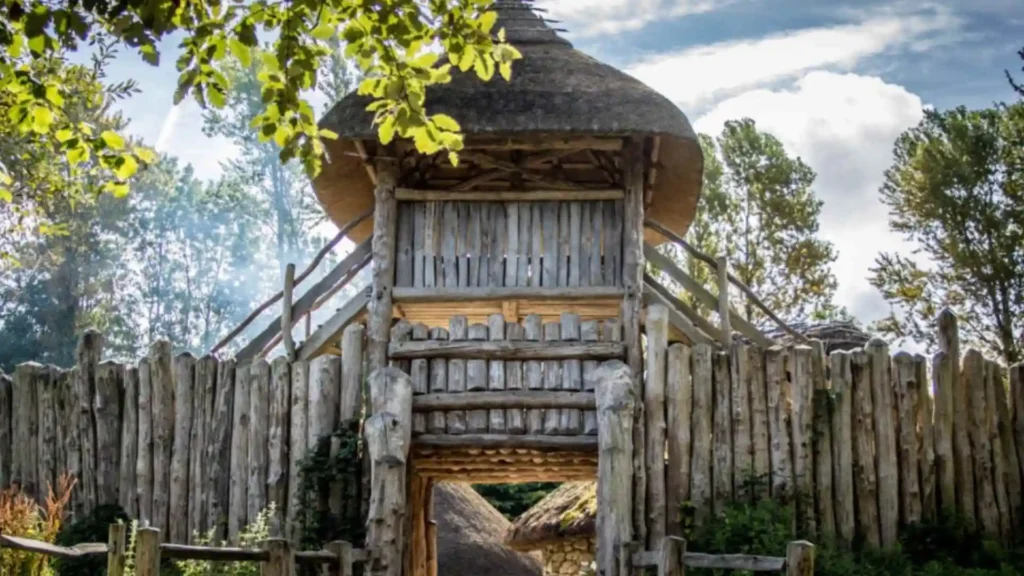
The early Christian Park Ireland section shows the shift of Ireland to a Christian society from the 5th to the 12th centuries. There is a reconstructed lake dwelling built on artificial islands. Monastic constructions show the religious beliefs of that time. Ogham stones show the early writing styles. Round tower structures indicate protection and religious authority. Together, these sites show how Christianity influenced settlement patterns, education, and social behaviour throughout the Middle Ages.
Age of Invasion
Age of Invasion discovers the Viking and Norman impacts on Ireland. This section features the Viking House and ship, symbolising North trade, seafaring, and settlement patterns. Fortification structures and Ring Forts represent Norman influence, demonstrating military and political control strategies. The Carrig Project is the major highlight of the impact. It preserves the remains of the Ring Fort, built in 1169 to control the River Slaney. Archeological discoveries have uncovered medieval structures, tools, and artefacts. These have helped historians better understand Norman settlement in Ireland. Together, these displays bring the Viking history of Ireland and the Norman heritage park themes to life.
Practical Visitor Information
Visiting the Irish National Heritage Park is simple.
- The park is open year-round, with slight variations in time depending on the season. The typical hours are 9:30 to 5 pm from November to February. From March to October, the park stays open until 5:30 pm.
- Tickets are available online. Prebooking is recommended due to capacity constraints. For adults, the ticket price is €18; for seniors and students, €14; and for children, €9. Family packages are also available.
- The best time to visit the park is late spring to early autumn. Weather conditions are favourable for outdoor walks and trails. A standard visit is usually of 2 to 4 hours.
- This Ferrycarrig heritage park offers multiple facilities, including on-site amenities, parking, and transport links. It is about a 30-minute drive from Rosslare Europort. The park is family-friendly and suitable for school educational tours.
Tours and Experiences
Visitors can either take self-guided walks or structured heritage park tours. Self-guided visits allow you to explore every area of the park at your own pace. You can explore woodlands, wetlands, and reconstructed sites as you choose. Guided heritage tours let you dig deeper into themes such as the prehistoric era, Early Christian Ireland, and the Age of Invasion. Guides usually wear period-style costumes and narrate stories spanning 9000 years of history.
A typical tour lasts about 40-45 minutes. Visitors can enjoy interactive experiences such as falconry demonstrations and daily life activities.
Food, Amenities, and Nearby Attractions
National Heritage Park also offers dining and nearby attractions. Let’s explore these options.
On-site Facilities
There are visitor-friendly heritage park cafes and restaurants inside the visitor Centre. Indoor and outdoor seating options are available overlooking the crannog. The food options include breakfast, lunch, and home-baked treats, making it ideal for a full-day visit.
Other facilities include car and coach parking, ticket booking services, and green spaces for picnicking. Solo visitors and groups equally enjoy it here.
Local Attractions Around Wexford
Visitors prefer to make the most of their visit by combining it with other Wexford attractions.
- Hook Lighthouse is one of the world’s oldest operational lighthouses. It offers guided tours and historical stories.
- Dunbrody Abbey offers historic architecture, gardens, and other experiences related to medieval Ireland.
- The 1798 Rebellion Centre depicts Irish revolutionary history. Visitors often pair their visit to the park with this site.
Together, these sites provide an itinerary of activities near the Irish National Heritage Park.
Conclusion
National Heritage Park Ireland offers visitors a unique experience, covering thousands of years of history in one place. With guided tours, interactive experiences, open green spaces, scenic walks, and educational exhibits, the park is an attraction for everyone.With nearby attractions and strong visitor facilities, it is perfectly suitable for a full-day visit.
For the best experience, book your tickets in advance. Check the tour timings and plan nearby visits using smart heritage park travel tips to make the most of your trip.