
Where to see Autumn Equinox Ireland 2026 | Ancient equinox sites
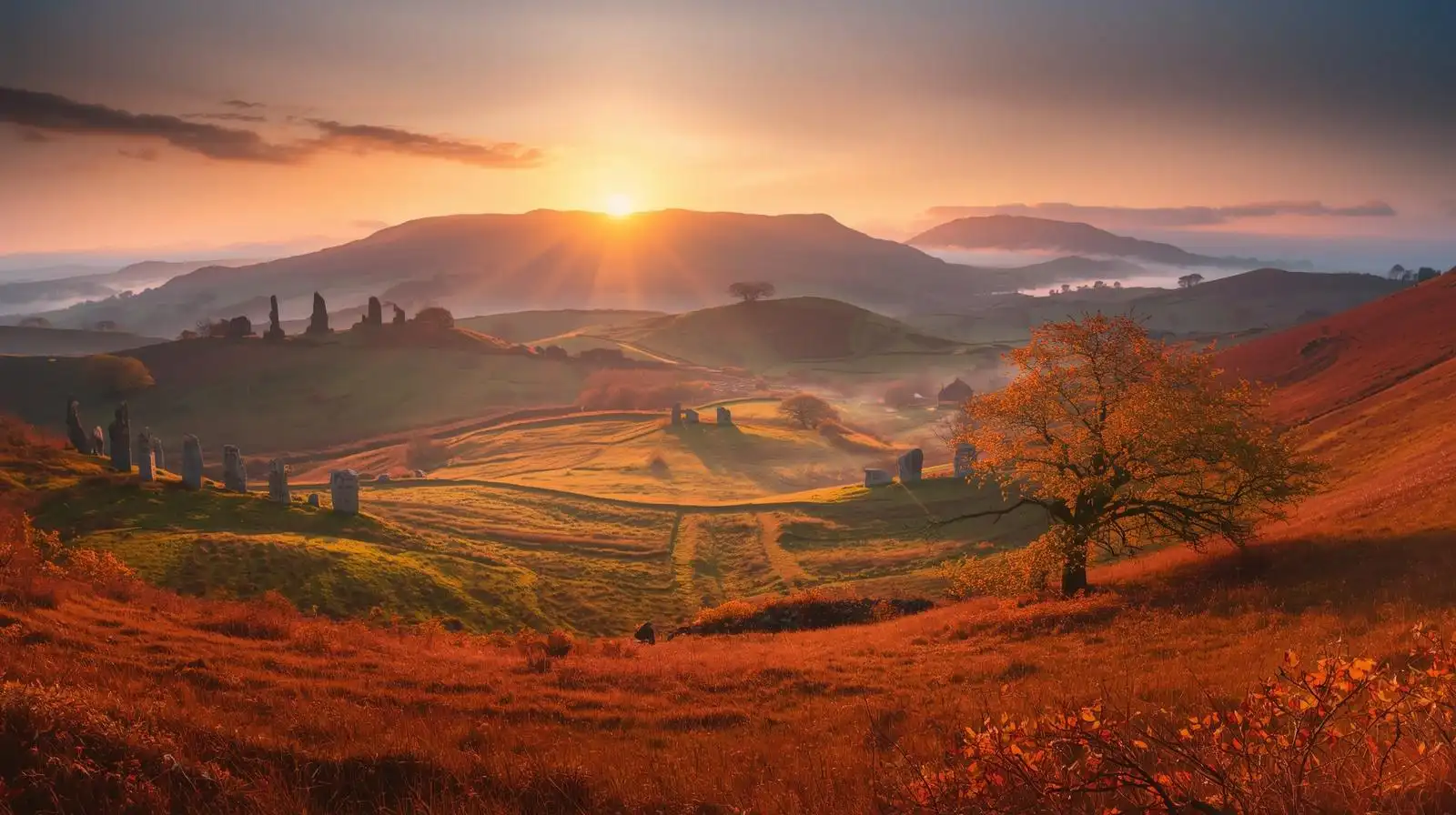
The Irish landscape transforms into golden gorse and russet ferns while the air becomes colder, signalling that the dark half of the year has begun. Many in Ireland use the equinox as a seasonal marker while also noting the equilux, which occurs several days later when daylight and darkness reach almost identical duration.
The Hag’s Cairn: Witnessing the Autumn Equinox at Loughcrew
Cairn T at Loughcrew Cairns, County Meath, is perhaps the best known location to watch the equinox. This place is also known as Sliabh na Caillí, which translates as the Mountain of the Hag. The Neolithic passage tomb was constructed more than 5,000 years ago and is aligned with the equinox sunrise.
The passageway channels a beam of light that reaches the Equinox Stone at the chamber’s end during the mornings around the equinox. This sunlight reveals petroglyphs and solar symbols, creating a striking glow inside the chamber.
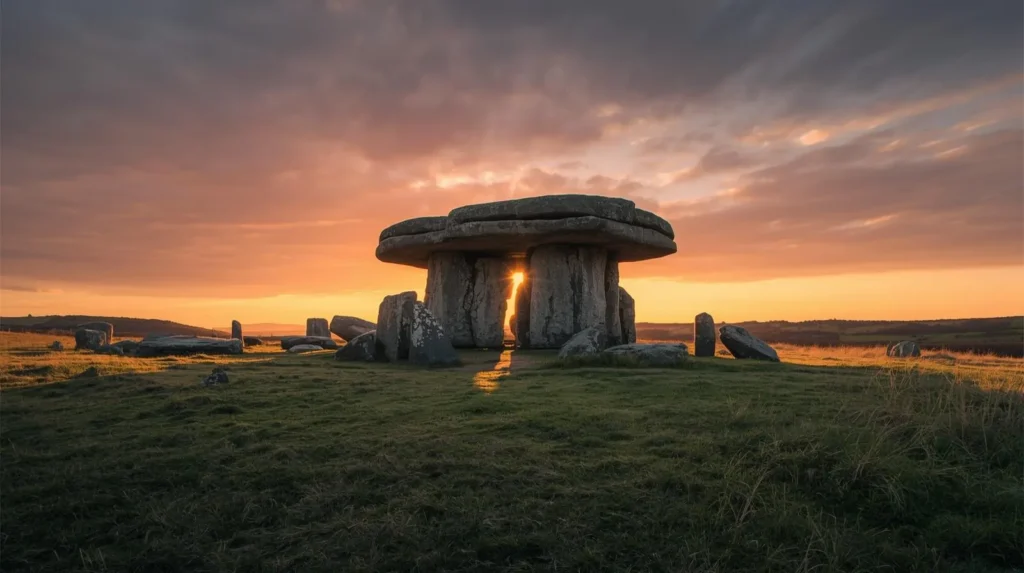
There is a steep short hike to the top, often referred to as the Irish Gamble because visibility depends entirely on Atlantic cloud cover. The phenomenon feels especially rare because full illumination of the tomb does not happen every year.
Lesser Known Equinox Alignments in Ireland
The autumn equinox is one of the four key solar events, alongside the summer solstice, winter solstice, and spring equinox. Ancient Irish monuments were carefully aligned with the rising and setting sun to mark these points in the year.
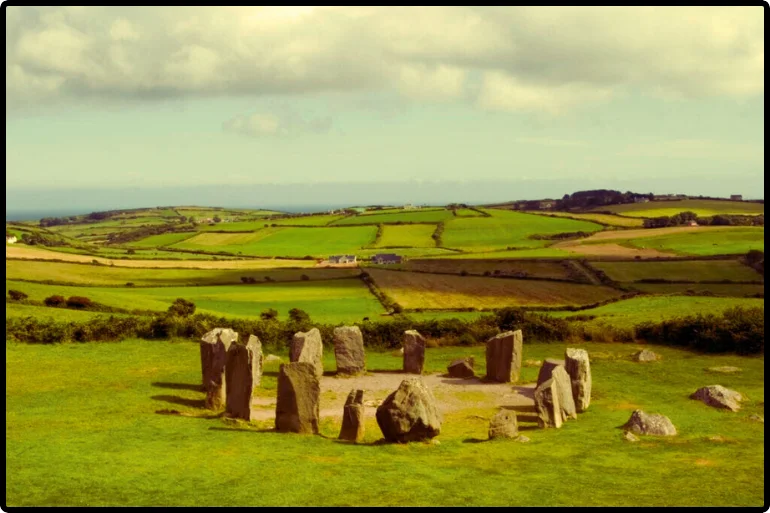
While Loughcrew attracts the most attention, several other Neolithic sites across Ireland offer quieter experiences for people interested in seasonal astronomy.
The Dingle Peninsula contains a wedge tomb at Binion, often called the Giant’s Grave, which aligns with the setting sun. During the equinox, fading evening light reaches the backstone and highlights ancient carvings.
The Carrowkeel Megalithic Cemetery complex in County Sligo sits high in the Bricklieve Mountains. Researchers believe certain cairns here, together with the eastern and western passages at Knowth in the Boyne Valley, were used to observe solar movement through the year.
The Mythology of the Middle Harvest
The Irish name for September links closely with harvest traditions and reflects the importance of this period as a time for gathering food and preparing for winter.
According to folklore, the Cailleach, the divine hag and ruler of winter, takes command during this part of the year. Legend says she formed the Loughcrew hills by dropping great stones from her apron. After the equinox, she is said to begin turning green landscapes towards winter.
The name Mabon is often used in modern Neo pagan practice, but traditional Irish seasonal customs focus more on balance within the Celtic year. It remains a time for gratitude, reflection, and noticing nature’s gradual decline into winter.
How to Mark the Autumn Equinox in Ireland Today
In modern Ireland, this seasonal shift often becomes a quiet celebration of heritage and community. Culture Night, taking place on September 18th, 2026, offers a strong cultural lead into the equinox period through free evening events across the country.
Local farmers’ markets also mark the season well, with autumn produce appearing across Ireland. Traditional dishes such as Colcannon and warm apple crumble made with Bramley apples remain popular seasonal choices.
Some people visit megalithic sites for sunrise or meditation, while others choose coastal or woodland walks at sunset. For many, the equinox offers a natural pause before winter begins.