
Summer Solstice in Ireland: Meaning, Date & Traditions
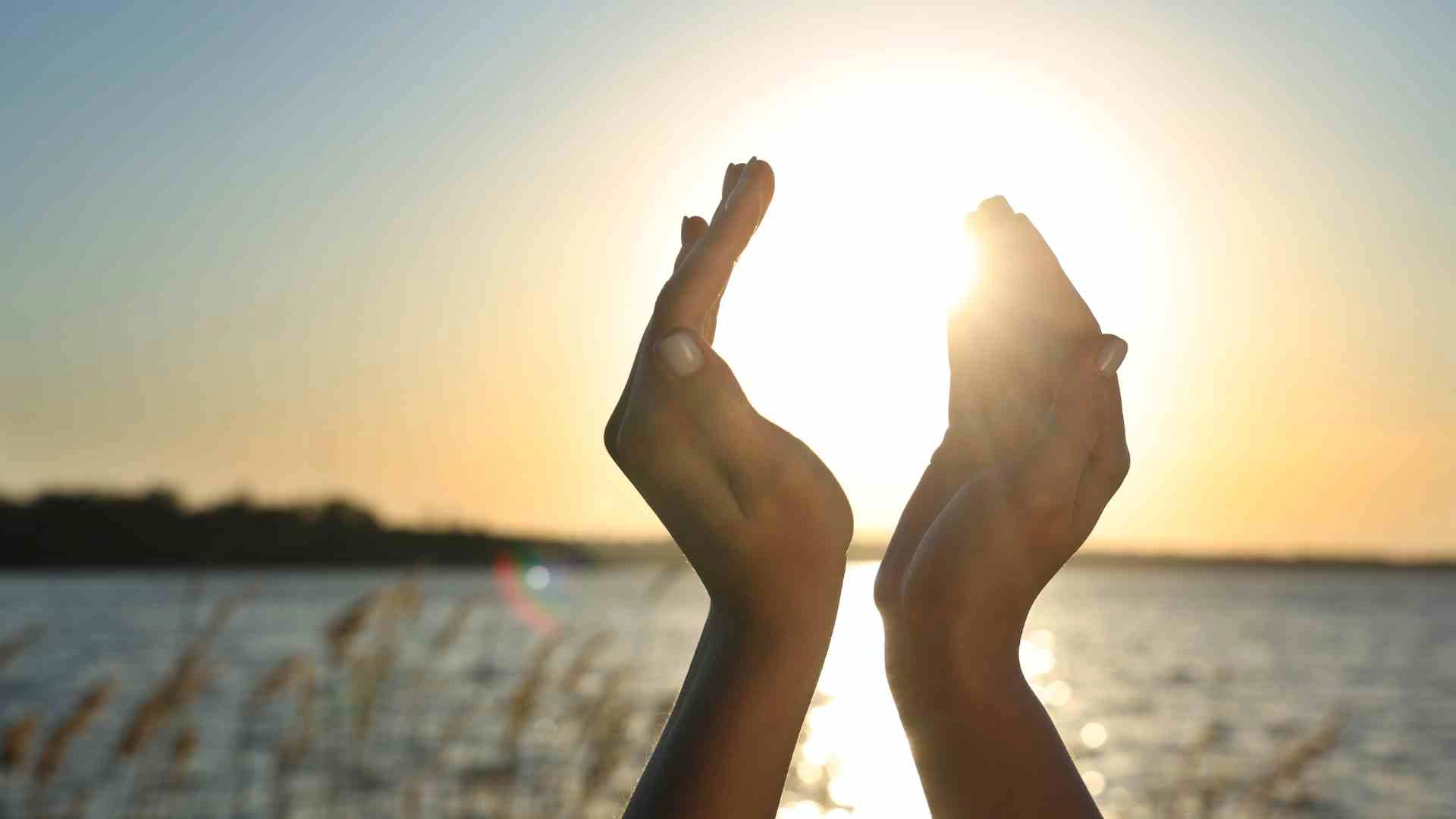
The summer solstice is the moment when the Sun reaches its highest point in the sky, resulting in the longest day of the year. In Ireland, this happens in June and marks a period of extended daylight across the country. Known as the longest day in Ireland, the summer solstice also marks one of the most noticeable seasonal shifts discussed when looking at the seasons in Ireland.
This natural event happens because the Northern Hemisphere is tilted towards the Sun, allowing Ireland to experience significantly longer daylight hours than usual.
In this blog, you will explore the meaning of the summer solstice and why it brings the longest day in Ireland. You will also discover its dates, daylight hours, ancient traditions, and how it is celebrated today.
When Is the Summer Solstice in Ireland?
The summer solstice in Ireland typically occurs between 20 and 21 June, with 21 June being the most common date. The slight variation each year happens because the Earth’s orbit does not align perfectly with the calendar year. As a result, the exact timing shifts by a few hours each year.
During this period, Ireland experiences some of the longest daylight hours in Europe. The sun rises very early in the morning and sets late in the evening, giving people more time to enjoy outdoor activities.
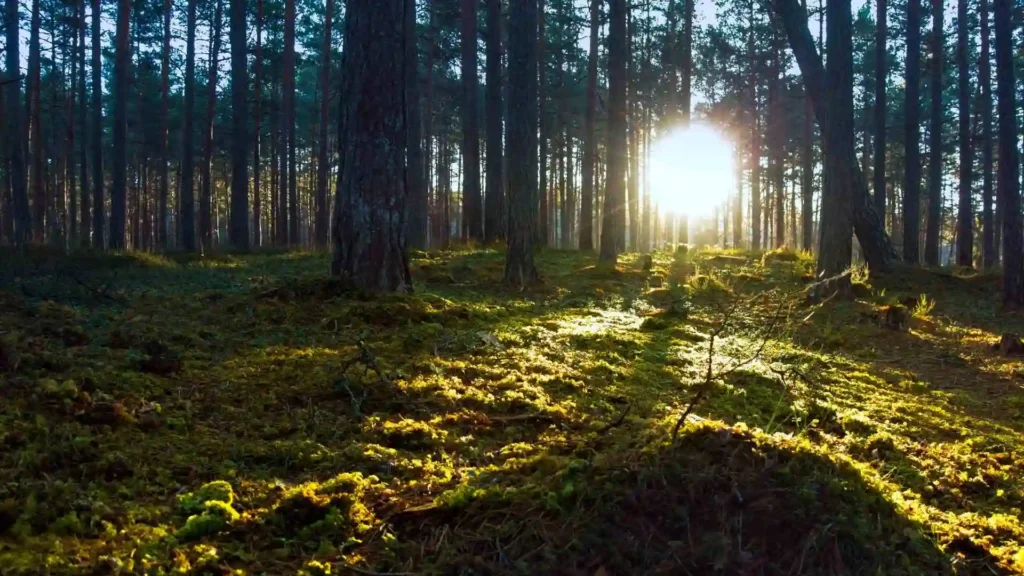
If you are wondering why daylight lasts much longer across Ireland in late June, here are the key reasons:
Earth’s axial tilt: The Earth orbits the Sun while tilted at about 23.5°. In June, the Northern Hemisphere leans towards the Sun, so a larger area remains in daylight for longer.
High latitude: The farther north a place is, the longer its summer days. Ireland lies at a high latitude, roughly between 51°N and 55°N, which means the Sun follows a longer and higher path across the sky.
Summer solstice: Around 21 June, the Sun reaches its highest point. In Dublin, sunrise is around 5:00 AM and sunset near 10:00 PM, giving close to 17 hours of daylight. Northern areas such as Donegal experience slightly longer days.
Extended twilight: From mid May to late July, the Sun does not fall far below the horizon. This means true darkness is limited, and twilight continues through much of the night, making evenings feel much longer.
Exact Summer Solstice Date This Year
In Ireland, the summer solstice in 2026 falls on 21 June 2026. It marks the point when the Northern Hemisphere receives its maximum daylight, making it the brightest and longest day of the year.
Why Is the Summer Solstice the Longest Day of the Year?
The longest day happens because of the Earth’s tilt. Our planet is tilted by about 23.5 degrees, and during June the Northern Hemisphere leans directly towards the Sun.
Because of this, the Sun follows a longer path across the sky, rising earlier and setting later than on any other day of the year. In Ireland, daylight can exceed 17 hours, especially in northern counties. This is why evenings remain bright well into the night, and full darkness is limited around the solstice period.
How Many Hours of Daylight Does Ireland Get?
On the summer solstice, cities such as Dublin receive around 17 hours of daylight. The sun can rise before 5:00 AM and set close to 10:00 PM. On the west coast, sunsets may happen slightly later because of geographical position, giving even longer evening light. This makes it one of the most distinctive times of year across Ireland.
Summer Solstice Meaning in Irish Tradition
The summer solstice has deep cultural roots in Ireland. Historically, it marked an important point for early farming communities because it came during the height of the growing season. Longer days meant more time for work, harvest preparation, and community activity.
In ancient Irish tradition, the solstice was often linked with seasonal gatherings, including fire rituals and communal celebrations. These reflected ideas of energy, light, and the strength of the Sun. Modern celebrations are less ritual based, but the cultural importance of this time of year still remains.
Did Ancient Ireland Mark the Solstice?
Yes, ancient Ireland clearly showed awareness of solar cycles. Many prehistoric monuments were carefully aligned with sunrise or sunset during key solar events, including the solstices. These alignments suggest that early communities closely observed the Sun and used it to track seasons and time.
Is Newgrange Connected to the Summer Solstice?
Many people associate Newgrange with the summer solstice, but it is actually best known for its winter solstice alignment, when sunlight enters the inner chamber at sunrise in December.
However, solar alignments across Ireland often lead people to connect Newgrange with the summer solstice as well. Ireland has many ancient monuments, especially in the Boyne Valley, that reflect a deep understanding of astronomy in prehistoric times, even if not all are directly linked to June.
Why Newgrange Still Appears in Solstice Searches
Newgrange often appears in solstice related searches because it is one of Ireland’s best known prehistoric monuments. Its precise solar alignment shows how advanced ancient understanding of the Sun’s movement was, which keeps it relevant in discussions about both winter and summer solstices.
How People Celebrate Summer Solstice in Ireland Today
Today, the summer solstice is marked in a more relaxed way across Ireland. Many people join sunrise walks, especially at scenic places such as hills, coastlines, and heritage sites.
Coastal gatherings are also popular, where people watch the sunset over the Atlantic. Yoga sessions, wellness retreats, and small local festivals often take place around the same time. Hill walks and outdoor picnics are common because people want to make the most of the long daylight.
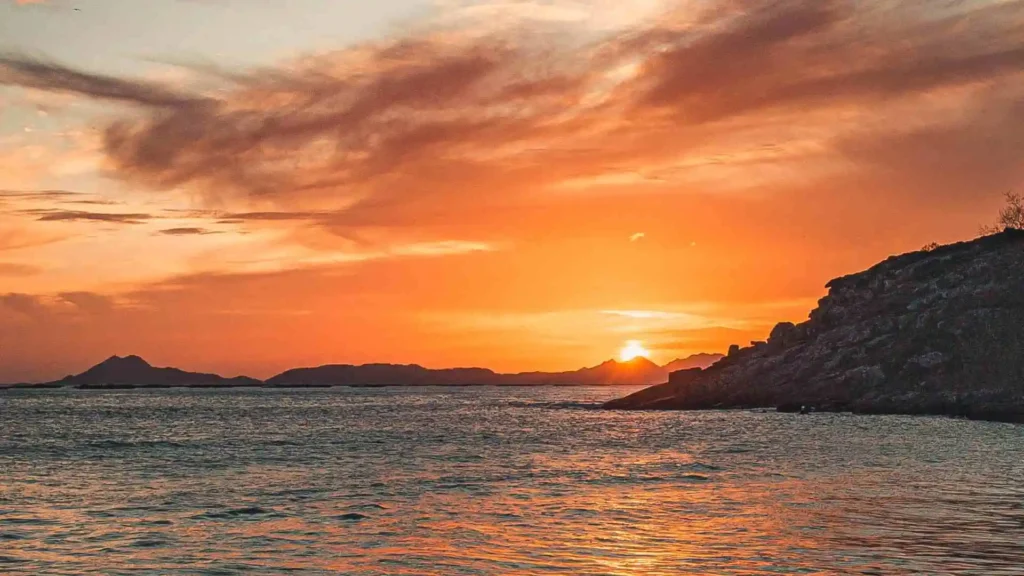
For many, it is simply a chance to stay outdoors longer and enjoy Ireland during its brightest days of the year.
Conclusion
The summer solstice in Ireland is more than the longest day of the year, it reflects nature’s rhythm and the long connection between light, land, and daily life. From ancient monuments aligned with the Sun to modern gatherings along coasts and hills, this moment still holds meaning across generations.
As daylight stretches late into the evening, it offers a chance to slow down, go outside, and appreciate Ireland at its brightest.