Cost of Living in Ireland 2026. Monthly Rent and Expenses
Ireland remains one of the more expensive countries in Europe to live in. The biggest pressure comes from rent, energy bills, and food prices. Daily costs vary by city, with Dublin ranking highest. This guide focuses on realistic monthly costs for 2026, based on current trends and verified data. You can use these figures to plan a budget or compare Irish cities before moving.
Housing and Rent Costs
Housing takes the largest share of monthly income in Ireland. Rent prices remain high due to limited supply, especially in Dublin and other major cities. One bedroom apartments in city centres cost significantly more than suburban areas. Most landlords ask for one month’s rent as a deposit. Rent levels continue to shape where people choose to live and work.
Housing Cost Table
Location
One Bedroom (City Centre)
One Bedroom (Outside Centre)
Notes
Dublin
€2,500+
€2,000+
Highest demand and lowest supply
Cork
€2,200 – €2,300
€1,700+
Strong rental pressure
Galway
€2,000+
€1,600+
Limited rental stock
Limerick
€1,375
€1,200
Lower than national average
Monthly Living Costs Overview
Beyond rent, everyday expenses add up quickly. Utilities, food, transport, and internet form the core of monthly spending. Costs depend on lifestyle, household size, and location. A single person in a city will spend less than a family, but housing still defines the final budget. These figures reflect a standard lifestyle without luxury spending.
When people assess the cost of living, many also look at how far their savings can go. If you are setting money aside after covering rent and daily expenses, it helps to understand where capital can grow locally. This links closely with our guide on the best place to invest 10k in Ireland, which breaks down realistic options based on risk, returns, and the Irish market.
Monthly Cost Overview Table
Category
Single Person (€)
Family of Four (€)
Rent and utilities
€1,500 – €2,500
€2,200 – €3,000
Food and groceries
€300 – €550
€700 – €1,000
Transport
€60 – €96
€120 – €180
Internet and mobile
€50 – €80
€70 – €100
Total
€2,000 – €2,800+
€3,500 – €4,000+
Food and Grocery Prices
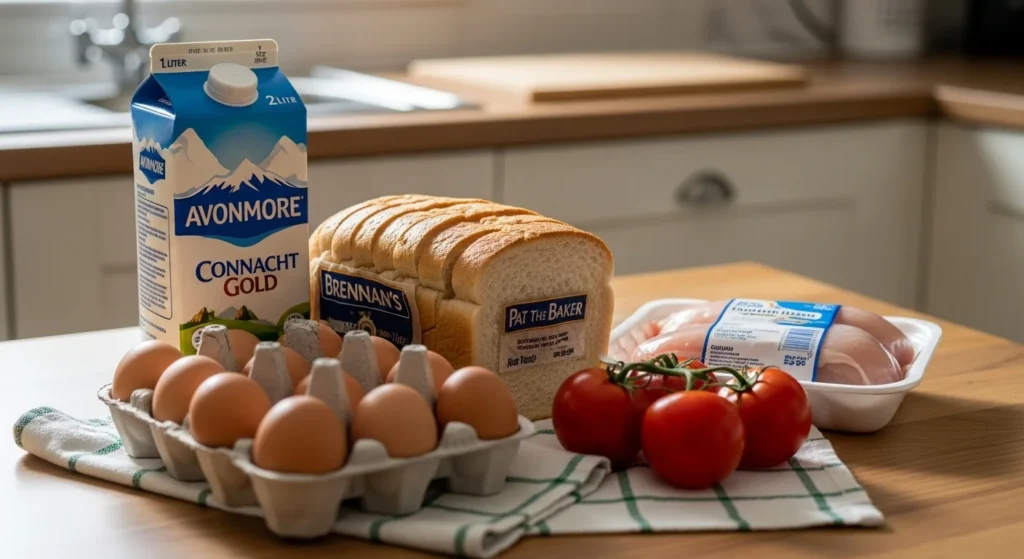
Food prices in Ireland sit above the EU average for many everyday items. Supermarkets offer better value than eating out, though prices still reflect rising supply costs. Meat, dairy, and fresh produce remain the most expensive categories. Shopping habits and location play a key role in monthly food spending.
Food Cost Table
Item
Average Price (€)
Milk (1 litre)
€1.32
Bread (500g)
€1.80
Eggs (12)
€3.71
Chicken (1 kg)
€11.13
Tomatoes (1 kg)
€4.52
Meal in inexpensive restaurant
€16 – €21
Utilities, Internet, and Mobile Costs
Energy prices remain a major concern for households. Electricity and heating costs increase during winter months. Internet services are reliable across cities and towns, while mobile plans stay affordable compared to other EU countries. Utility bills depend on property size, insulation, and usage habits.
Utilities Cost Table
Service
Monthly Cost Range (€)
Electricity, heating, water, waste
€120 – €210
Internet (Unlimited Broadband)
€35 – €60
Mobile phone plan
€15 – €20
Transport Costs
Ireland offers reliable public transport in major cities, though coverage varies outside urban areas. Monthly passes reduce commuting costs for regular users. Many residents rely on buses, trams, and trains rather than cars due to fuel and insurance costs. Cycling options also exist in city centres.
Transport Cost Table
City
Monthly Public Transport Pass
Single Fare
Dublin
€96
€1.50
Cork
€80
€1.50
Limerick
€60
€1.50
Cost of Living by City
Living costs differ across Ireland. Dublin remains the most expensive, while smaller cities offer better value. Rent drives most of the difference. Food and transport costs remain fairly consistent nationwide. Many residents choose commuter towns to lower expenses while keeping access to city jobs.
City Cost Comparison Table
City
Cost of Living Index
Dublin
76.7
Cork
72.2
Galway
71.9
Limerick
67.4
Salaries and Living Balance
Ireland offers high average salaries, especially in technology, finance, and healthcare. Many full time workers earn enough to cover core expenses, though rent reduces disposable income. Budget planning remains essential, particularly for new residents. Income levels often balance costs better outside Dublin.
Salary Overview Table
Category
Average Monthly Net Income (€)
Single full-time worker
€2,900 – €3,200
Final Words
Living in Ireland in 2026 requires careful budgeting, especially around rent and utilities. Costs remain high in major cities, though income levels often offset part of the pressure. Moving outside Dublin can reduce expenses without sacrificing access to jobs or services. Daily living costs stay manageable with planning, smart shopping, and public transport use. Ireland remains attractive for work, lifestyle, and long term financial planning, provided you understand the real monthly costs before making decisions.
FAQs
Yes. Ireland ranks among the more expensive European countries. Rent, utilities, and food push monthly costs higher, especially in Dublin. Smaller cities and commuter towns reduce overall spending.
A net monthly income of €3,000 or more allows a single person to live comfortably in most cities. Outside Dublin, a lower income can still support a good standard of living.
National average rent passed €2,000 per month in 2025. Dublin city centre rents often exceed €2,500, while cities like Limerick remain closer to €1,300 to €1,400.
Ireland is generally cheaper than major Australian cities like Sydney and Melbourne, mainly due to lower healthcare and transport costs. Rent levels in Dublin and Sydney are often similar.
LATEST NEWS
Halal Connect Day: “Connecting Communities Across Cultures”10 October 2026 at Malaysia Hall, Dublin
Top Christmas Markets in Ireland 2026 to Visit
SEANI Official Launch Celebrating Southeast Asia in Ireland
Heritage Week 2026: Dates, Events & Visitor Guide in Ireland