

Increasing Russian Ships in Irish Waters Raise Concerns
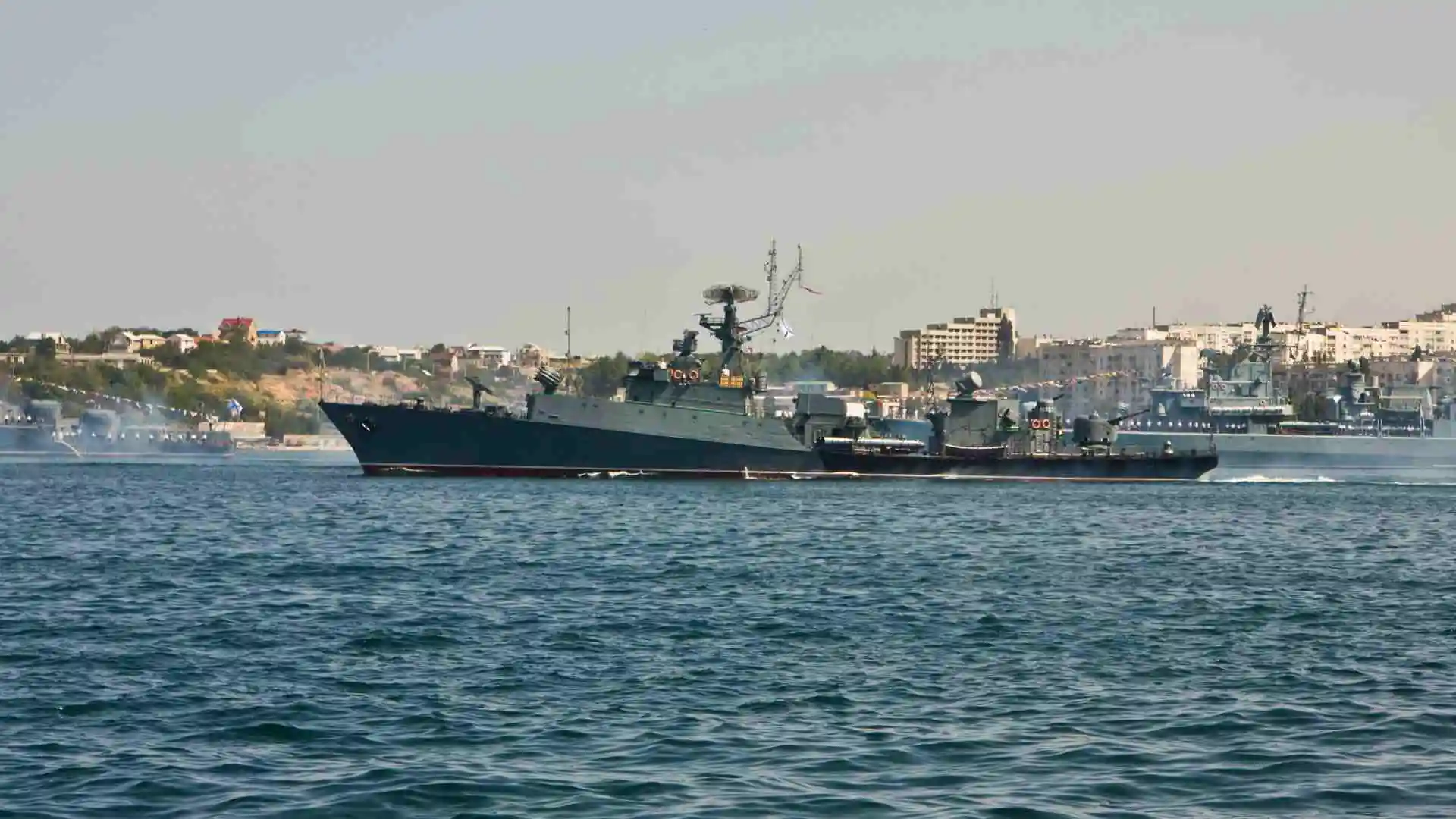
Since the middle of 2025, there has been a notable increase in the presence of Russian ships in Irish waters, particularly around the country’s Exclusive Economic Zone (EEZ). The presence of Russian military and surveillance vessels has prompted an increase in surveillance by the Irish Naval Service and Defence Forces.
The combination of Irish neutrality and critical underwater infrastructure puts Ireland in an increasingly uncertain position. Maritime Defence and Security Operations (MDSO) is now actively monitoring the movement of the vessels. As this trend develops, it is prompting serious conversations within the government and among defence analysts about Irish and European naval security.
What’s Happening? Increased Russian Maritime Presence
Irish Defence Forces reports reveal a rise in the activity of Russian naval vessels within Ireland’s Exclusive Economic Zone (EEZ). In April 2025, the Russian Navy’s intelligence vessel Viktor Leonov was recorded lingering within the EEZ, ignoring calls to leave.
In March 2025, the Irish Air Corps on patrol reported a Russian-associated cargo vessel under a Caribbean flag sailing directly over a critical submarine communication cable without broadcasting AIS signals. While these vessels have departed, their actions have raised concern in Ireland.
The Irish Naval Service and Air Corps actively engage in Maritime Defence and Security Operations (MDSO), countering and responding to any maritime suspicious activities. The presence of these vessels poses a threat to the Irish nation, particularly due to their proximity to the state’s critical infrastructure. This highlights their strategic intentions rather than a commercial transit.
What Are Russian Shadow Ships?
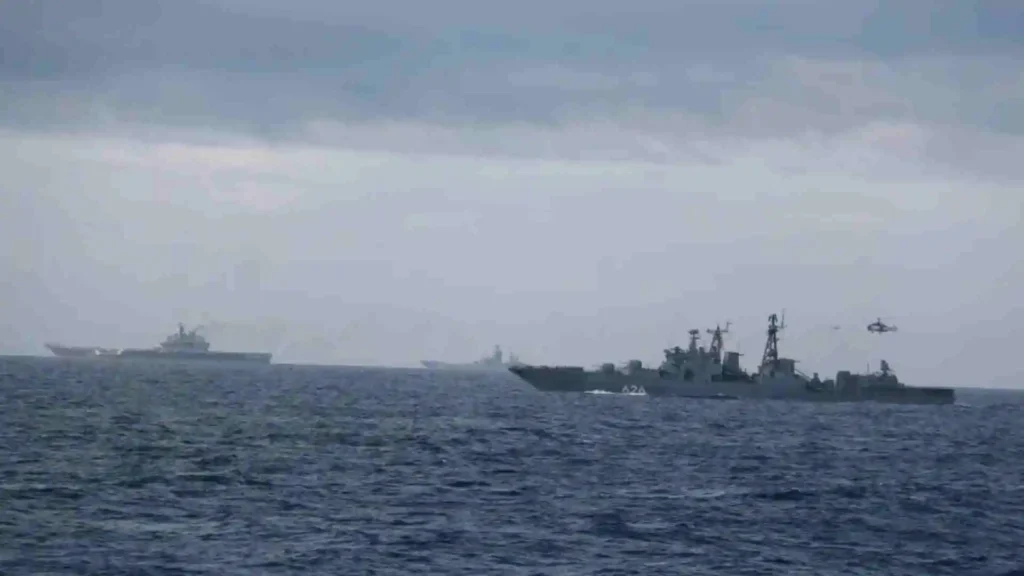
Shadow ships are Russian vessels that utilise stealth tactics such as turning off their Automatic Identification System (AIS). They transform into commercial and research vessels to conduct covert operations. The operations include the surveillance of cable systems and the acquisition of strategic information.
The vessels target critical infrastructure, including military naval ports, energy pipeline systems, and submarine internet cables. Shadow ships have also been detected loitering near NATO operations and actively damaging underwater cables.
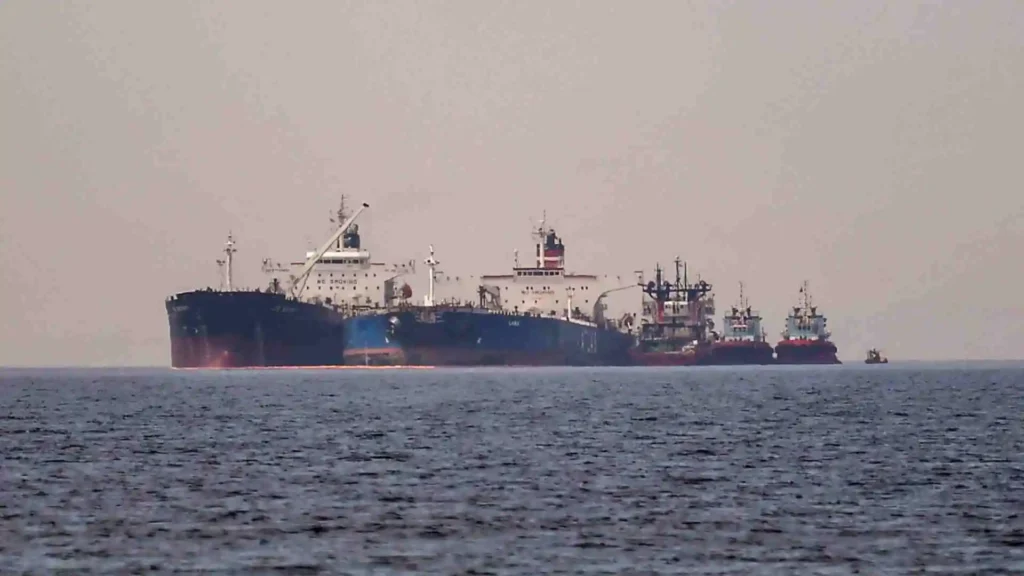
Their primary objective is to gather as much information as possible to turn off strategic communications and energy systems. There is a growing presence of these shadow ships near Irish waters, raising concerns about maritime security and the protection of critical infrastructure.
Timeline of Key Events
Over the past years, the number of Russian shadow ships in Irish waters has only increased. The rising territorial presence escalated significantly in 2025. Below is a timeline that highlights the activity of Russian ships in Irish waters from 2022 to 2025.
February 2022
Russia undertook some military exercises near international waters off Italy’s coast, within the boundaries of Ireland’s EEZ. It was met with some protest from Irish fishermen, and some diplomatic intervention from the then-Minister for Foreign Affairs, Simon Coveney.
Hence, Russia agreed to the revised boundaries. The vessels involved were the Marshal Ustinov and the corvettes Soobrazitelny and Stoikiy, which underlined Ireland’s vulnerabilities.
March 2025
A Russian-affiliated cargo ship was operating without an AIS. The Irish Air Corps patrol aircraft found it anchored directly above a critical submarine communications cable within the Irish EEZ. The Irish Defence Forces corroborated the Incident, and the vessel was subsequently contacted with orders to vacate the area.
April 2025
Ireland’s EEZ was reportedly visited by the Russian Navy’s Victor Leonov, famous for its intelligence-gathering activities. The vessel was reported to have stayed silent despite numerous hail attempts. It only left Irish waters after some time of suspicious presence. Its movements coincided with the large-scale NATO exercises Neptune Strike 2025-1 and DEFENDER 25.
May-July 2025
The number of sanctioned Russian vessels, part of the “shadow fleet,” is sharply increasing in the Irish-controlled waters. These vessels are notorious for taking different routes, such as going around the British Isles, instead of going through the English Channel.
This has raised several environmental and national security risks, according to Conor Gallagher, Irish Times crime and security correspondent.
Why Ireland Is a Strategic Target
Ireland’s geographic position, coupled with its minimal naval defences, makes it a key target. The coast of several counties of Ireland host critical transatlantic submarine cables essential for global communications and finance. This makes Ireland a centre of intelligence activity. Ireland’s neutrality and non-membership in NATO create a security gap in Europe.
Submarine Cables
These cables carry a vast quantity of data and financial transactions. Ireland has always been a key location for communications infrastructure. With the growing intercontinental bandwidth demand from Irish data centres, the country could become a point of vulnerability.
NATO Access Routes
Ireland’s position provides critical access for NATO to the North Atlantic, making the area necessary for other security operations.
Ireland’s Limited Naval Defences
The Irish Naval Service has limited capabilities to protect Ireland’s expansive maritime zones. It relies on NATO for assistance with airspace and cybersecurity. This lack of comprehensive naval defence coverage increases the risk of foreign surveillance and interference.
Government & Military Response
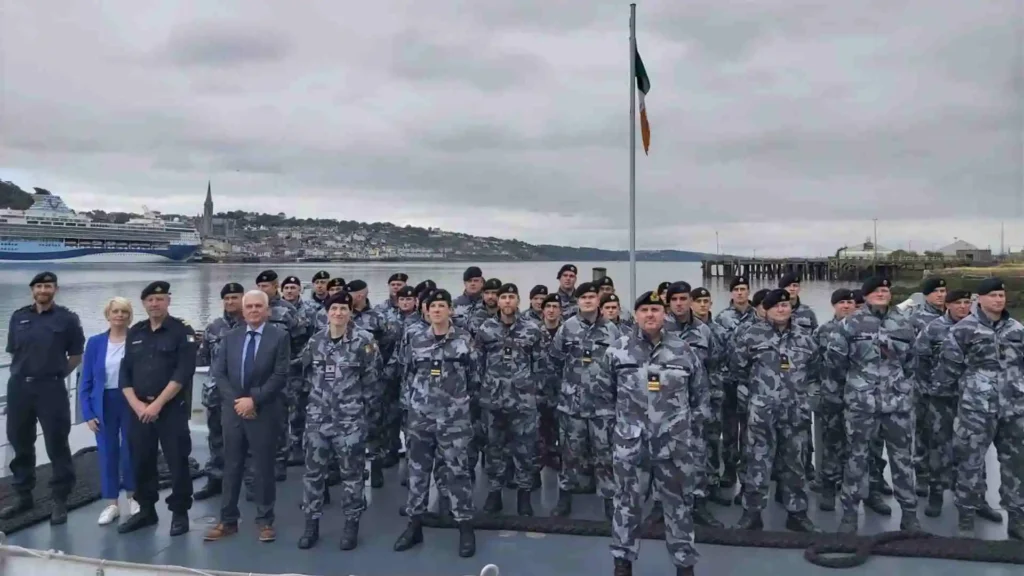
The Irish government and the Defence Forces have reacted sharply to Russia’s maritime presence in Irish waters. They have publicly condemned the actions. While the Department of Defence and Department of Foreign Affairs have issued joint statements, the Irish Naval Service and Air Corps have stepped up surveillance and patrols in the Exclusive Economic Zone (EEZ).
Former Minister for Defence Simon Coveney spoke with the Russian ambassador, stating that the actions were “not wanted.” Simon Harris, the current Tánaiste and Minister for Defence, has signed Ireland into a new European maritime intelligence-sharing treaty, emphasising naval security concerns.

He has also announced the purchase of a new €60 million sonar system aimed at protecting undersea infrastructural assets such as transatlantic cables and gas pipelines. These actions, alongside Ireland’s growing international maritime security efforts, demonstrate Ireland’s proactive stance in addressing evolving geopolitical encroachment in North Atlantic waters.
Expert Opinions & Reactions
In the view of security analysts like Conor Gallagher, the increasing number of Russian ships in Irish waters signifies potential surveillance activities concerning subsea structures. Similar activities are noted in the UK and Norway, where intelligence and presumed sabotage operations are conducted.
Concerns were raised about Ireland’s defence preparedness and strategic neutrality. While the relationship with NATO is somewhat divided, there is a growing consensus about strengthening the Irish Defence Forces. The discussions concerning the “triple lock” and the calls for its modernisation are indicative of increasing anxiety around national security.
What’s Next? Continued Vigilance and Potential Coordination
With the intensifying geopolitical issue, the surveillance activities of Russian ships in Irish waters are very likely to be sustained or accelerated. Irish authorities are likely to respond to such activities by increasing maritime surveillance, placing added emphasis on naval intelligence operations, and expanding the scope of the Irish Naval Service.
Enhanced cooperation with other European Countries would improve real-time data-sharing and coordination for maritime surveillance, provided Ireland joins CISE. While remaining neutral, Ireland is likely to be informally collaborating with NATO surveillance ships and allied forces to defend its extensive maritime boundaries and undersea critical infrastructure.
Along with sophisticated national and defence diplomacy, compliance with international maritime regulations is important. Furthermore, transport for Ireland real-time command and control systems, and naval intelligence for its infrastructure should be taken care of. Irish Defence Forces news and commentary from figures like Conor Gallagher reflect the growing strategic importance of Irish sailing and naval readiness.