
Belfast Castle Visitor Guide, History, Gardens and Cave Hill Views
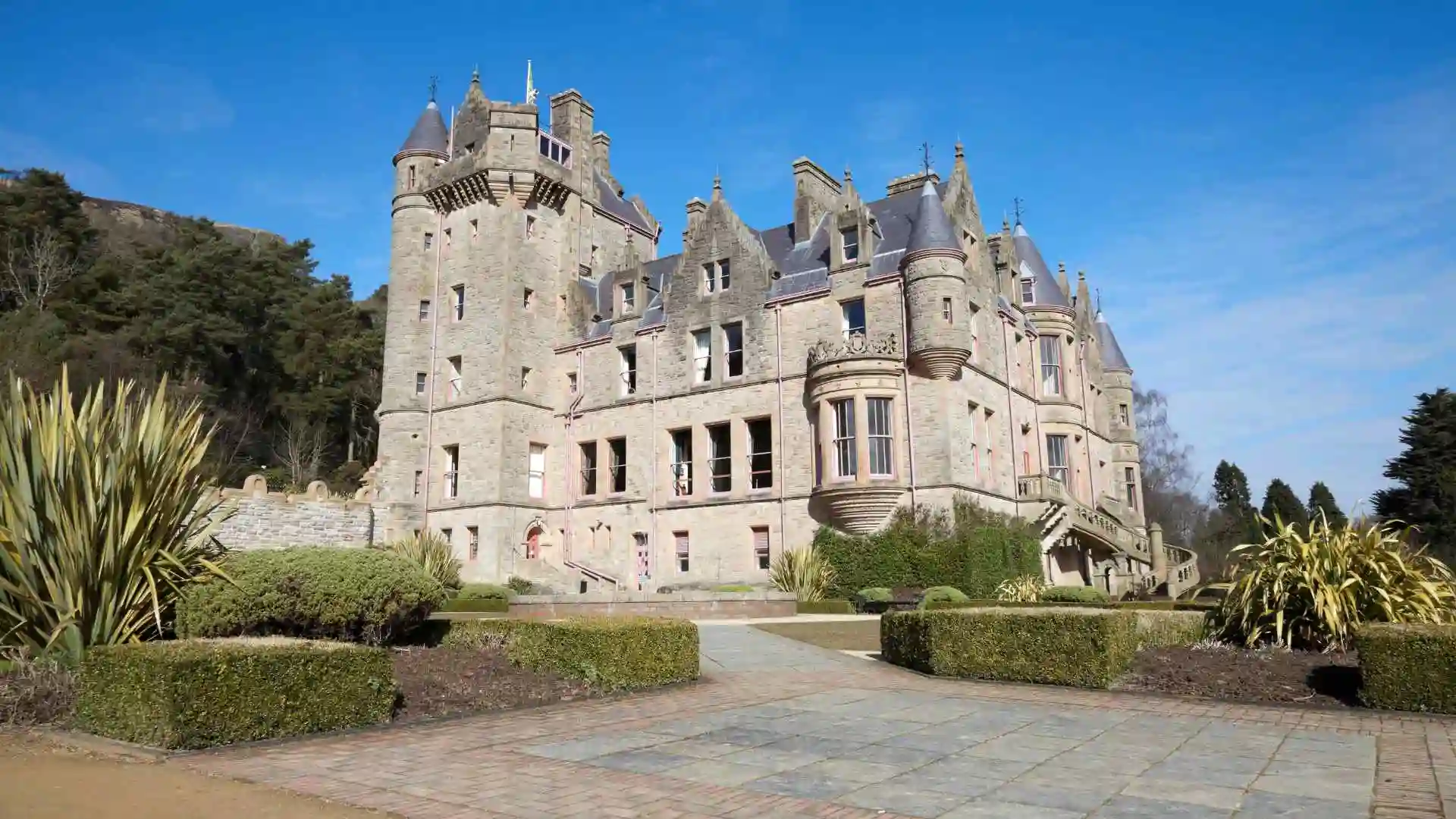
Belfast Castle is situated on the lower slopes of Cave Hill Country Park and is one of the most prominent landmarks in Northern Ireland. It offers a striking mix of Victorian architecture, landscaped gardens, and panoramic views across the Belfast skyline and Belfast Lough.
Visitors come not only for the distinctive pink sandstone exterior but also for the peaceful setting, which feels far removed from city traffic despite being only a short distance from the centre of Belfast. Whether you enjoy history, photography, or a relaxed family walk, the estate is easily accessible and rewarding to explore.
The castle itself is an elegant historic building and also a gateway to the rugged landscape of Cave Hill. Sitting about 400 feet above sea level, it offers a sense of scale and perspective that is difficult to find elsewhere within the city.
History of Belfast Castle
Belfast Castle represents both continuity and relocation. While the current structure reflects Victorian design, the original Belfast Castle was built by the Normans in the late 12th century and stood near the site of today’s Belfast city centre.
The modern castle was constructed in the Scottish Baronial style between 1867 and 1870. The 3rd Marquess of Donegall commissioned it after the earlier family residence on Donegall Street was destroyed by fire in 1708. The architect was John Lanyon, son of Sir Charles Lanyon, who designed many notable buildings across Belfast.
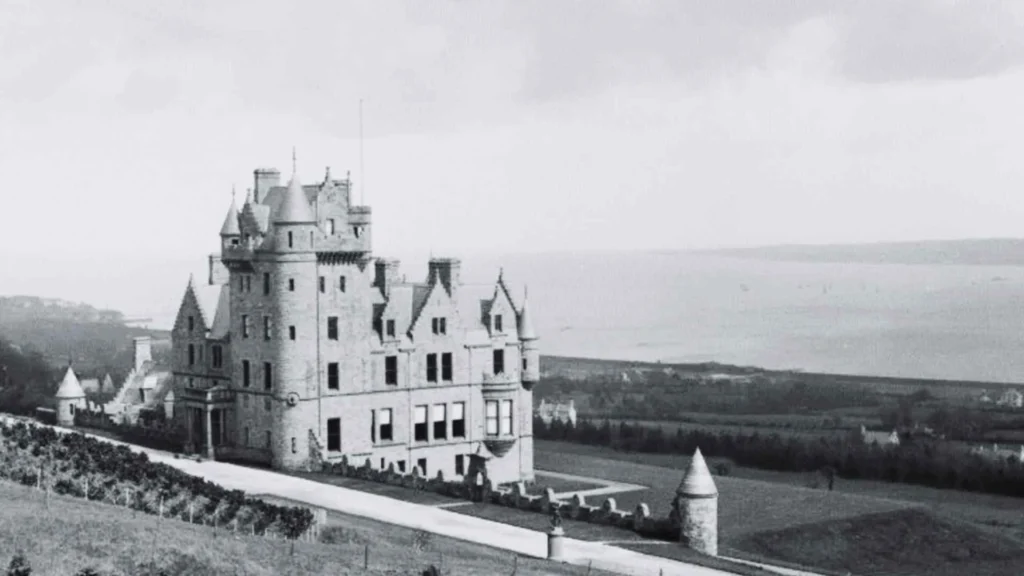
The present structure was completed in 1870 at a cost higher than originally planned. The estate later passed to the Earls of Shaftesbury, whose family name still appears in several Belfast street names. In 1934 the Shaftesbury family donated the castle and surrounding estate to Belfast Corporation. Since then it has remained a public landmark and visitor attraction.
Planning Your Visit
Planning your visit in advance can help you avoid crowds and make the most of the best viewpoints for photographs.
Opening Hours and Best Times to Visit
The castle grounds and estate generally open daily from 9.00 AM. The gardens and outdoor areas remain accessible throughout the day, though access to interior spaces may vary depending on events.
Public areas inside the castle typically operate during daytime hours, though the building is often used for weddings, conferences, and private events, which can affect access.
Weekday mornings tend to be the quietest time to visit. Photographers often prefer late afternoon when the warm light highlights the pink Scrabo sandstone and the views across Belfast Lough.
Tickets and Prices
One of the best aspects of visiting Belfast Castle is that the grounds, gardens, and visitor centre are free to enter. Visitors can explore the estate and many public areas of the castle without paying an entrance fee.
No ticket is required for general visits. However, some interior rooms may occasionally close for private events such as weddings or conferences. It is advisable to check the official Belfast Castle website before travelling if you wish to access interior areas.
Getting There
Belfast Castle is located about 4 miles north of Belfast city centre. If driving, the postcode BT15 5GR will bring you directly to the entrance. There is free parking available near the castle.
Public transport is also possible. Metro bus routes that travel along the Antrim Road stop near Strathmore Park. From there, it is a signposted walk up the castle driveway, though the route is slightly uphill.
If you are planning a wider trip, there are many other things to do in Ireland that can easily be combined with a visit to Belfast.
What to See and Do at Belfast Castle
The estate combines historic elegance with wild natural scenery, making it suitable for both short visits and half day trips.
Key Attractions Inside the Castle
Inside the castle you will find classic Victorian interiors. Much of the building is used for private functions and events, but visitors can access selected public areas.
The Cave Hill Visitor Information Centre is located in the basement. It provides displays about the wildlife, geology, and archaeology of Cave Hill and the surrounding landscape.
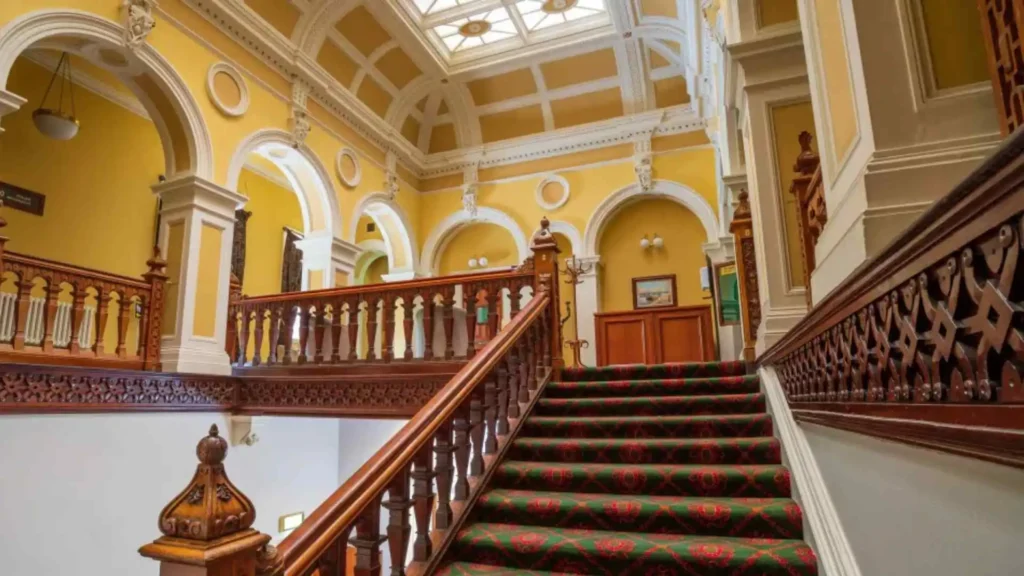
Another highlight is the grand staircase featuring the Shaftesbury crest. The staircase was added in 1894 as a gift from the 9th Earl of Shaftesbury to his mother. Today it remains one of the most photographed interior features of the castle.
Grounds and Estate Highlights
One of the most distinctive areas of the estate is the Cat Garden. According to local legend, a white cat once brought good fortune to the castle. Today visitors can search for nine hidden cat sculptures and mosaics placed around the garden.
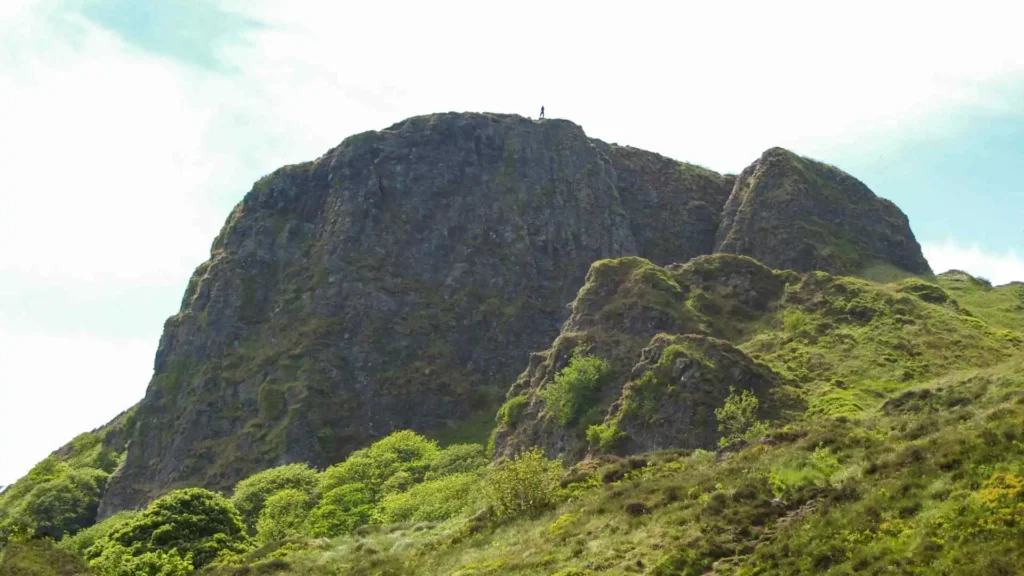
The surrounding trails provide a more rugged experience. The Castle Trail offers an easy loop around the estate, while more experienced walkers can continue towards Napoleon’s Nose, the famous basalt outcrop of Cave Hill. It is widely believed to have inspired Jonathan Swift when writing Gulliver’s Travels.
Family Activities and Play Areas
Families visiting Belfast Castle often head to the Cave Hill Adventure Playground. Designed for children aged roughly 3 to 14 years, it features climbing structures, aerial runways, nets, and sand play areas.
Another popular activity for families is searching for the hidden cat sculptures in the garden. This simple treasure hunt turns a walk through the estate into an engaging activity for younger visitors.
Cafés, Dining and Nearby Eateries
Dining at the castle allows visitors to enjoy the atmosphere of a historic estate without high prices.
The Tavern Coffee Shop is ideal for a quick break. It serves hot drinks, homemade scones, traybakes, and light snacks daily, usually between 10.00 AM and 5.00 PM. Outdoor seating allows visitors to enjoy views of the surrounding gardens.
For a more substantial meal, the Cellar Restaurant offers a unique setting designed to resemble a 19th-century street scene. The menu focuses on locally sourced Irish produce and is popular for lunches, dinners, and traditional afternoon tea.
Photography Spots and Hidden Views
For a classic photograph of the castle, stand near the base of the garden steps and frame the building against the hillside. This viewpoint captures the symmetry of the architecture and the dramatic setting of Cave Hill.
The viewpoint behind the castle provides one of the best panoramas of Belfast. On clear days you can see the famous Harland and Wolff shipyard cranes, Samson and Goliath, along with wide views across Belfast Lough and towards County Down.
Practical Travel Tips
These tips can help make your visit smoother and more comfortable.
Accessibility
Belfast Castle is a recognised JAM Card friendly venue. Staff are trained to assist visitors who may need additional support.
A lift provides access between the basement visitor centre and the first floor function rooms. Accessible toilets are available on the basement and ground floors.
While the interior is largely wheelchair accessible, some outdoor paths across the estate include steep slopes or gravel surfaces.
Nearby Attractions to Combine
The castle’s location in north Belfast makes it easy to combine with other nearby attractions. Belfast Zoo sits less than a mile away and is a popular stop for families.
Visitors can also continue exploring Cave Hill Country Park directly from the castle grounds, with several longer walking trails leading deeper into the hills.
Walkers who enjoy scenic routes may also like exploring some of the best hikes in Ireland, which include coastal cliffs, mountain trails, and forest paths across the country.
Safety and Weather Tips
Weather conditions on the slopes of Cave Hill can feel colder and windier than in the city centre. If you plan to walk the estate trails or hike higher into the hills, bring waterproof shoes and a light jacket even during summer months.