
St Patrick’s Day: History, Traditions & Global Celebrations
St Patrick’s Day, celebrated annually on 17 March in Ireland and worldwide, is a cultural and religious holiday that honours Ireland’s patron saint, Saint Patrick. Known for bringing Christianity to Ireland in the 5th century, Saint Patrick is remembered for his dedication, faith, and legendary use of the shamrock to explain the Holy Trinity.
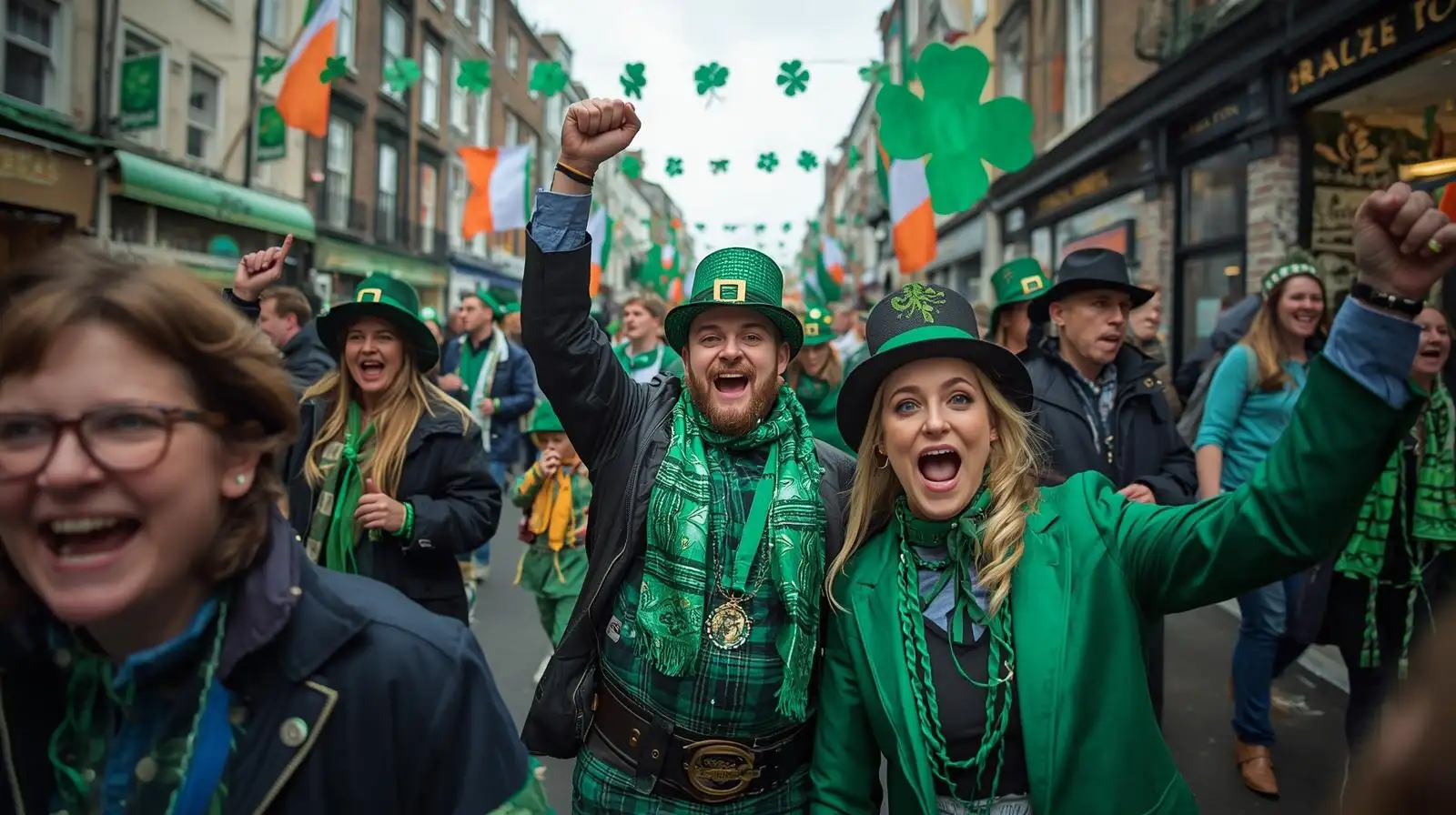
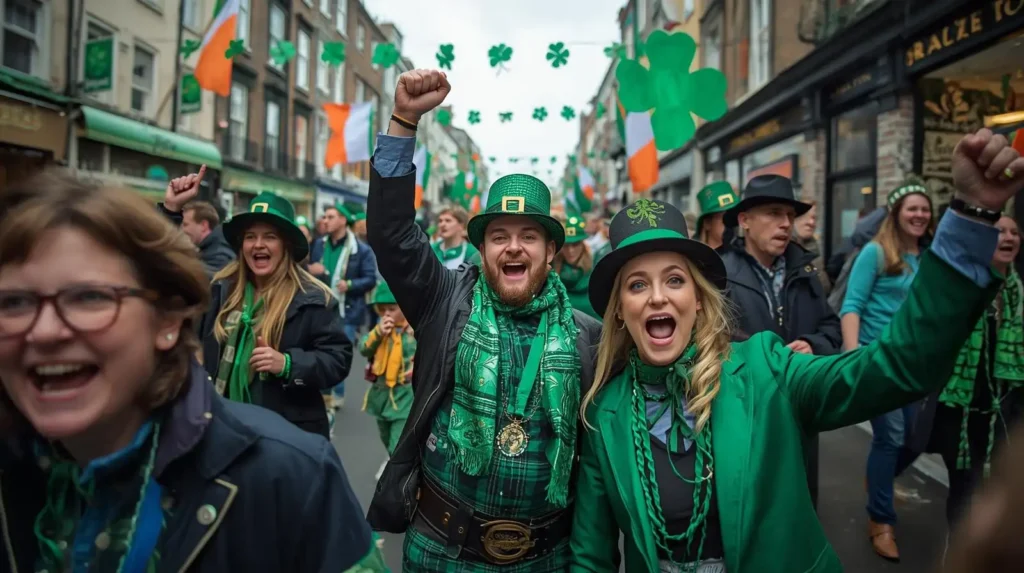
Across Ireland and around the world, Saint Patrick’s Day Ireland traditions include parades, music, dancing, and wearing green to celebrate Irish heritage.
While the holiday has deep religious roots, it has also become a global festival of Irish culture. On every 17th March, communities come together to pay tribute to the life of Saint Patrick and the enduring impact of his work on Irish history and identity.
Who Was Saint Patrick? The History Behind the Day
Saint Patrick, born in 4th-century Roman Britain, was kidnapped by Irish raiders at age 16 and enslaved in Ireland for six years. During this time, he deepened his Christian faith. After escaping, he trained as a priest in Gaul (modern-day France) and returned to Ireland in the 430s as a missionary, converting the Irish population to Christianity.
He is credited with introducing the Latin alphabet, spreading the faith, and using the shamrock to explain the Holy Trinity.
17 March, the traditional date of his death (circa 461 AD), was designated a feast day by the Catholic Church. Originally a religious observance, the day now also celebrates Irish culture worldwide through parades, music, and festive activities.
Why 17 March matters:
- Marks the death of Saint Patrick
- Began as a Catholic feast day
- Celebrates Irish heritage and identity
- Includes parades, festivals, and national pride
How Is St Patrick’s Day Celebrated in Ireland?
St Patrick’s Day in Ireland is a national public holiday, giving citizens a day to celebrate both faith and heritage. The day combines religious observance with public festivities. Church services honour Saint Patrick’s life and missionary work, while communities across the country host parades, local events, and cultural activities that showcase Irish music, dance, and traditions.
St Patrick’s Day parade Ireland events bring towns and cities together, reflecting national pride and a shared sense of identity. From small villages to major urban centres, people participate in both solemn ceremonies and lively celebrations.
The day becomes a unifying occasion that honours Ireland’s history, culture, and the legacy of its patron saint.
Major Parades and Festivals Across Ireland
Ireland hosts some of the world’s most famous St Patrick’s Day celebrations, particularly in Dublin, Cork, Galway, and Waterford. Dublin organises the St Patrick’s Festival Dublin, a multi-day event featuring parades, street performances, concerts, and cultural exhibitions.
Cork, Galway, and Waterford also hold major Ireland St Patrick’s Parade events, showcasing marching bands, community performances, and family-friendly activities. Multi-day festivals often include music, theatre, art displays, and culinary experiences, blending entertainment with cultural education.
These parades and festivals highlight local traditions while attracting visitors from across Ireland and abroad, offering a nationwide celebration of Saint Patrick’s legacy, Irish heritage, and national pride.
Key Celebrations Across Ireland
- Parades: Once purely religious, today cities like Dublin, Cork, and Limerick host large, colourful parades featuring marching bands, dancers, and community groups.
- Festivals: Dublin’s multi-day festival includes music, comedy, theatre, and cultural exhibitions. Towns like Armagh celebrate Saint Patrick’s local roots with music and dance.
- Cultural Symbols: People wear green clothing and shamrocks, reflecting religious significance and Irish nationalism.
- Music and Pubs: Live “trad” (traditional) music sessions fill pubs, creating a lively social atmosphere.
- Food: Traditional Irish dishes are enjoyed, though the focus is more on community and music than meals.
- Sports: Events like the All-Ireland Club Championship finals in Croke Park, Dublin, often coincide with the holiday.
St Patrick’s Day Traditions and Symbols
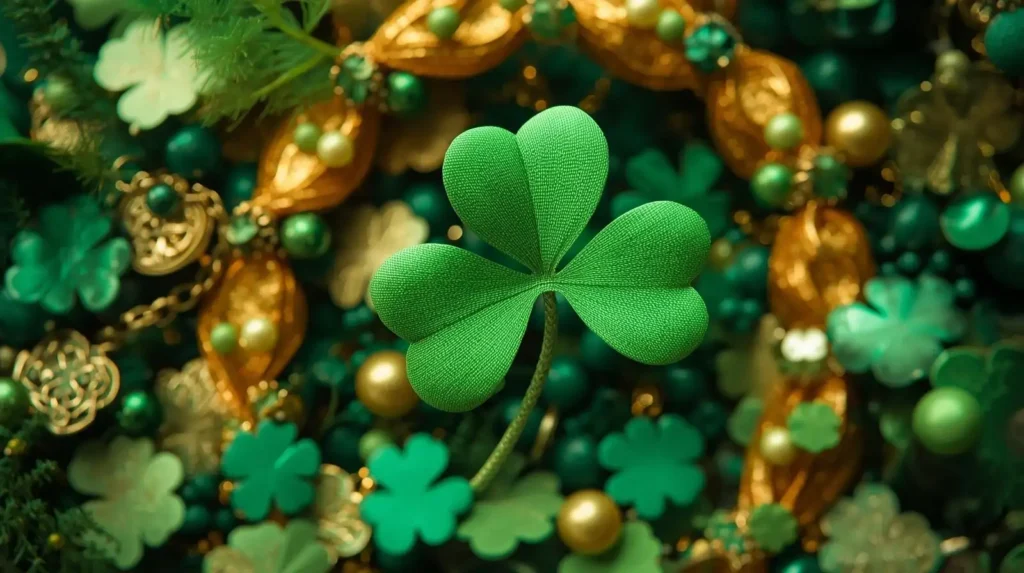
St Patrick’s Day traditions are rich in symbolism and cultural significance. The shamrock, used by Saint Patrick to explain the Holy Trinity, remains the most recognised symbol, highlighting faith and Irish heritage. Green became the dominant colour of the celebration, representing Ireland’s landscape and nationalism, though historically blue was associated with Saint Patrick.
Music, dancing, and cultural gatherings are central to the festivities, bringing communities together to celebrate Irish identity. From lively pub sessions to public performances, these traditions honour both the religious roots of the holiday and its evolution into a broader celebration of Ireland’s history and culture.
Wearing Green on St Patrick’s Day
The tradition of wearing green on St Patrick’s Day stems from Irish nationalism and cultural symbolism. Green represents Ireland’s landscapes, the shamrock, and national pride. Historically, blue was associated with Saint Patrick, but green became the defining colour of celebrations.
The playful custom of pinching those not wearing green is largely mythical and meant to encourage participation. Today, people attending parades or festivals often ask, “What to wear on St Patrick’s Day?” Simple green clothing, shamrock-themed accessories, or hats are common.
Wearing green connects participants to Ireland’s heritage, celebrates Saint Patrick’s legacy, and adds a fun, inclusive element to the holiday.
Traditional Food and Drinks
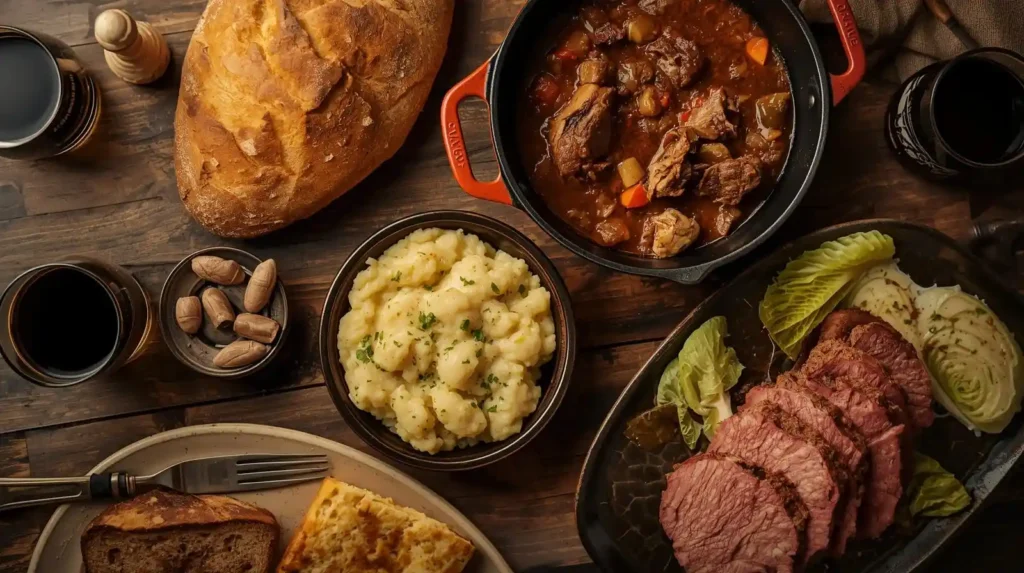
St Patrick’s Day food in Ireland focuses on traditional dishes rather than Irish American staples. Common meals include soda bread, colcannon made with mashed potatoes and cabbage, and Irish stew prepared with lamb or beef. In contrast, Irish American celebrations often feature corned beef and cabbage.
Drinks such as stout, particularly Guinness, and Irish whisky are popular, though they are part of social gatherings rather than the main focus. Festive practices like “drowning the shamrock” are symbolic customs linked to toasts.
Overall, St Patrick’s Day food and drinks in Ireland emphasise cultural heritage, community, and authentic Irish cuisine while balancing fun and celebration.
How Do You Say Happy St Patrick’s Day in Irish?
To say “Happy St Patrick’s Day” in Irish, the phrase is “Lá Fhéile Pádraig Shona Duit”. Pronounced roughly as law ay leh paw drig hun ah ditch, it literally means “Happy Feast Day of Patrick to you.”
This greeting reflects Ireland’s Gaelic heritage and preserves the language’s cultural significance, connecting modern celebrations to centuries of Irish tradition. Using the phrase is a way to honour Saint Patrick while embracing the Irish language in everyday life.
Whether in Ireland or among the diaspora, greeting someone in Gaelic adds authenticity and respect to the holiday.
St Patrick’s Day Around the World
St Patrick’s Day around the world shows the influence of the Irish diaspora. Countries like the United States, Australia, and the United Kingdom host massive celebrations, often featuring parades, green-dyed rivers, and large-scale parties. Cities such as New York City, Boston, and Chicago are famous for their colourful festivities.
While these global events highlight Irish pride, music, and culture, they sometimes emphasise party culture more than the holiday’s religious and historical roots. Despite this, Ireland remains the heart of St Patrick’s Day, where traditions, church services, and national pride are central.
Worldwide celebrations reflect both the spread of Irish heritage and the enduring legacy of Saint Patrick.