
Michael Collins Biography, Irish Revolution and Legacy
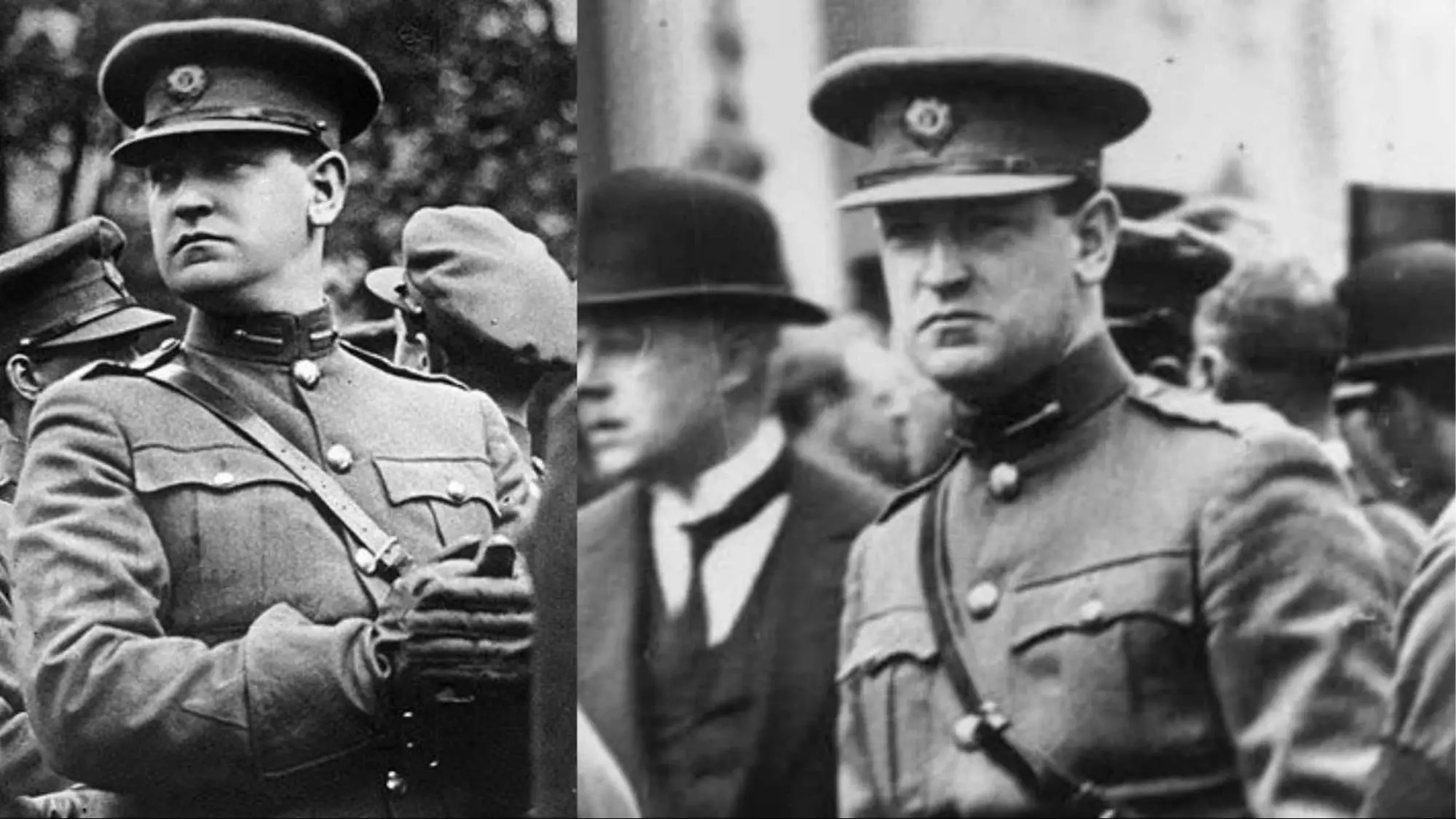
Michael Collins is one of the most transformative personalities in Irish history. He was one of the most prominent figures in the Irish revolution. His shift from a rural Irish boy to Director of Intelligence of the IRA altered the course of the Irish independence movement.
Collins is not only remembered today as a soldier, but as the man who was pragmatic and managed to shift the rebellion to nationhood. This biography offers an overall view of his rapid rise, his controversial decisions, and the legacy he left behind.
Early Life and Influences
He was born in 1890 at Sams Cross in County Cork. Michael Collins’ early life was rooted in the countryside with a rebel tradition. His father, Michael Sr., was 75 when Michael was born. He famously told his family on his deathbed, that Michael would make a great man and do great things for Ireland.
His upbringing in rural Cork was shaped by a small farming community where stories of the Rebellion of 1798 were still told. In 1906, Collins relocated to London, where he served as a postal clerk, and this experience opened his eyes to the wider world and enhanced his nationalist zeal. He became a member of the Gaelic Athletic Association (GAA) and Irish Republican Brotherhood (IRB).
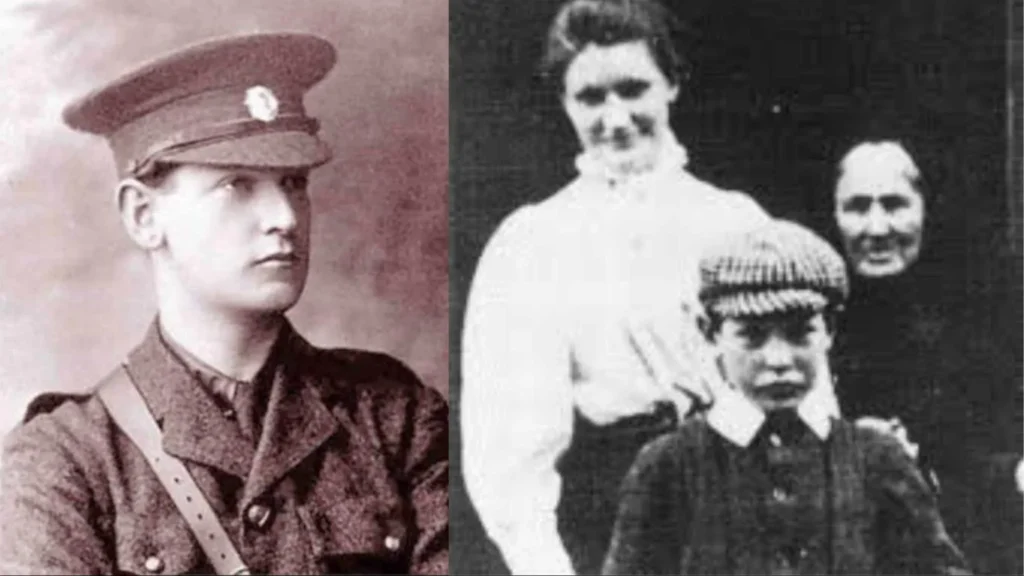
London was a shaping influence. It made the old man Big Fellow human, revealed to us a man who was fond of reading, superb in sports, and had a bureaucratic mind. These qualities were in the future to serve him as his most powerful weapons in Irish nationalism during the early years of the twentieth century.
From the Easter Rising to the Revolutionary Leader
The turning point of Collins was the Easter Rising of the year 1916. As an aide-de-camp to Joseph Plunkett in the GPO. He saw the military collapse of static warfare. The Rising was perceived as a romantic sacrifice by other people, but Collins perceived it as a strategic mess.
After his incarceration at Frongoch internment camp “the University of Revolution”, he was one of the leaders. His engagement with the IRB enabled him to start the movement on a new level. He changed the focus of the rebellion of 1916 in Ireland, from hopeless urban sieges to a more elusive, open-ended structure.
By 1917, he had become a leading organiser within Sinn Féin and the Irish Volunteers. He also had demonstrated an unearthly skill at handling logistics and individuals at the same time.
Architect of the Irish War of Independence
Collins was the Director of Intelligence of the IRA during the Irish war of independence (1919-1921). He realised that British control in Ireland depended on its intelligence network, including the G Division of the Dublin Metropolitan Police and the RIC.
He organised a group named “The Squad”, whose work was to eliminate British spies. His urban guerrilla campaign in Ireland between 1919 and 1921 marked a new phase in the conflict and highlighted the advanced level of the IRA intelligence network. It extended the reach of the guerrillas up to the core of the Dublin Castle.
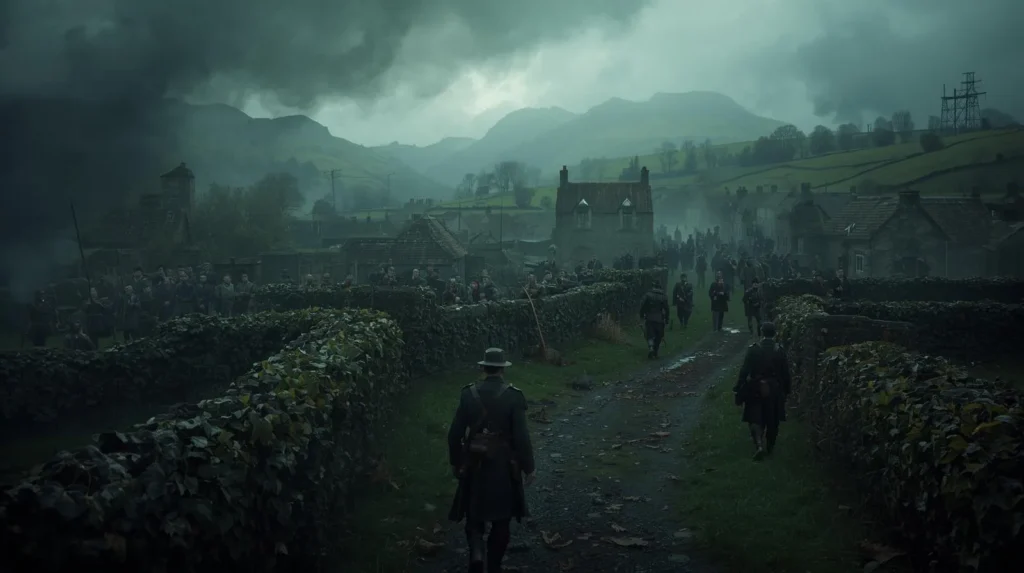
His best and most violent moment was on “Bloody Sunday” of 1920, when his agents killed the “Cairo Gang” and rendered the British intelligence blind in the capital. This operation changed the course of the war and demonstrated that a small and focused force could challenge a world empire through targeted action.
Negotiating the Anglo-Irish Treaty
In the year 1921, Collins was sent to London to negotiate the Michael Collins Anglo-Irish Treaty. This was one of the roles that he took with a heavy heart, and he even wrote himself off as a soldier, not a politician. The terms of the treaty of 1921 provided Ireland with a status of Dominion and not a complete Republic, a contested oath of allegiance to the Crown and a division of the six northern counties.
This treaty gave birth to the Irish Free State, which divided Sinn Féin right in the middle. According to Collins, the treaty was not an end in itself but a stepping stone towards full freedom. His reason was practical because he realised that the IRA was weak in ammunition and that a relapse into war would be disastrous. This was a political trade-off, although visionary. It had turned the former comrades, such as Éamon de Valera, into bitter rivals.
Civil War and Final Days
One of the unfortunate results of the treaty split was the Irish Civil War (1922). Collins was now a Commander-in-Chief of the National Army, and he was engaged in a struggle against some of the men whom he had commanded a few months ago. It was not only a struggle to the point of politics, but to the very core of the identity of the new state; Pro-Treaty pragmatism vs. Anti-Treaty idealism.
Collins was killed on August 22, 1922, in the Béal na mBláth ambush during a touring visit to his own county. Despite warnings that Cork was a stronghold of anti Treaty forces, he insisted on going there. He famously said, “They will not shoot me in my own county.”
The killing of the 31-year-old was shocking to the country. He died on a rural road, a victim of the cycle of violence he had helped to shape, yet was desperately attempting to end.
Legacy and Historical Impact
The legacy of Michael Collins is visible in many aspects of present day Ireland. He is remembered as the man who made the state possible. Outside politics, his legacy continues through the Michael Collins House museum in Clonakilty and the anniversary events in Béal na mBláth. They now attract leaders of every political colour, a testament to his unifying strength a hundred years later.
In contemporary Ireland, he can be considered from the perspective of what might have happened. His vision of a professional, democratic military and an economically independent nation is one of the pillars of Irish independence heritage.
Conclusion
The life of Michael Collins was like the whirlwind of revolution, intelligence, and statecraft. His adventure, which spanned the areas of Cork to the streets of London, is a representation of the struggle of a nation struggling to get on its feet. His narrative is crucial in the interpretation of the way in which Ireland was turned into a sovereign nation out of a colony.