
3 Days Ireland Itinerary Easy Guide: Simple Routes, Travel times & Top Locations
Planning 3 days in Ireland may be difficult since there are lots of places to visit and you may be confused about what kind of routes one can choose from. From seeing Dublin, taking a tour around counties of Ireland, and travelling to the west side of Ireland where there are cliffs and the beautiful ocean, there is much that one could consider.
This short trip can also work well as an Ireland weekend itinerary if you don’t have much time. Some people would like to take a leisurely trip with their stay in Dublin, while others opt for taking the western or southern route to Ireland. Dublin has less driving compared to the other two routes, while the south provides a more varied experience in Ireland.
This guide compares the main options so you can quickly decide what fits your travel style and expectations.
Choose Your Route for 3 Days in Ireland
To choose the right route it totally depends on the amount of time you have as well as the distance from Dublin that you would be willing to travel.
- Dublin Based Route (Easy and Relaxed)
This route offers less travelling time and will make you focus on visiting scenic spots near the capital of the country. It covers places like Wicklow County and historic sights. It is perfect for travellers who prefer shorter daily drives. - West Coast Route (Scenic and Popular)
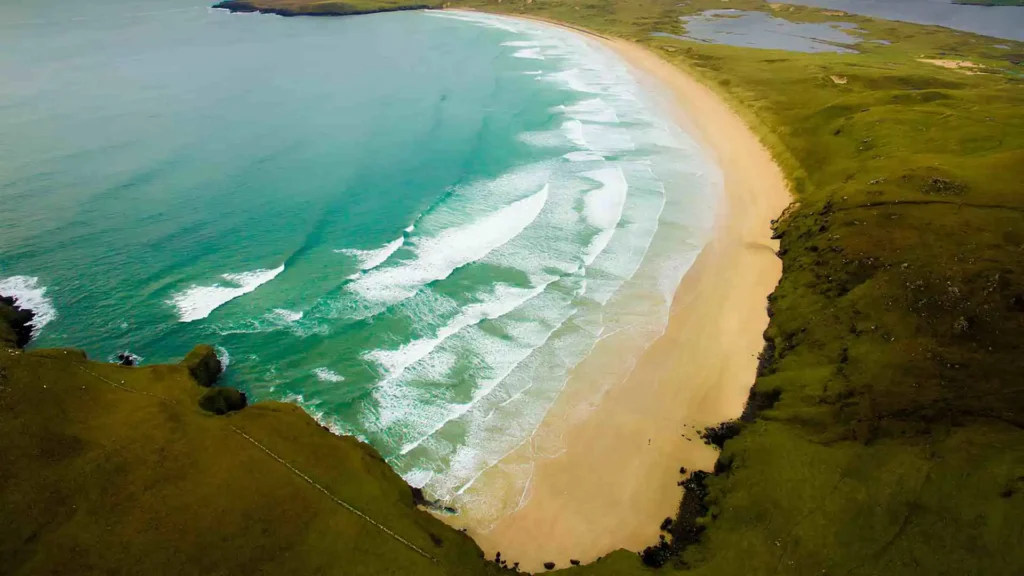
In this route, you will be travelling along the Wild Atlantic Way Ireland coastline offering great scenery. You will be covering places such as Galway and the famous Cliffs of Moher, but it requires more driving compared to the other routes. - Southern Route (Diverse and Adventurous)
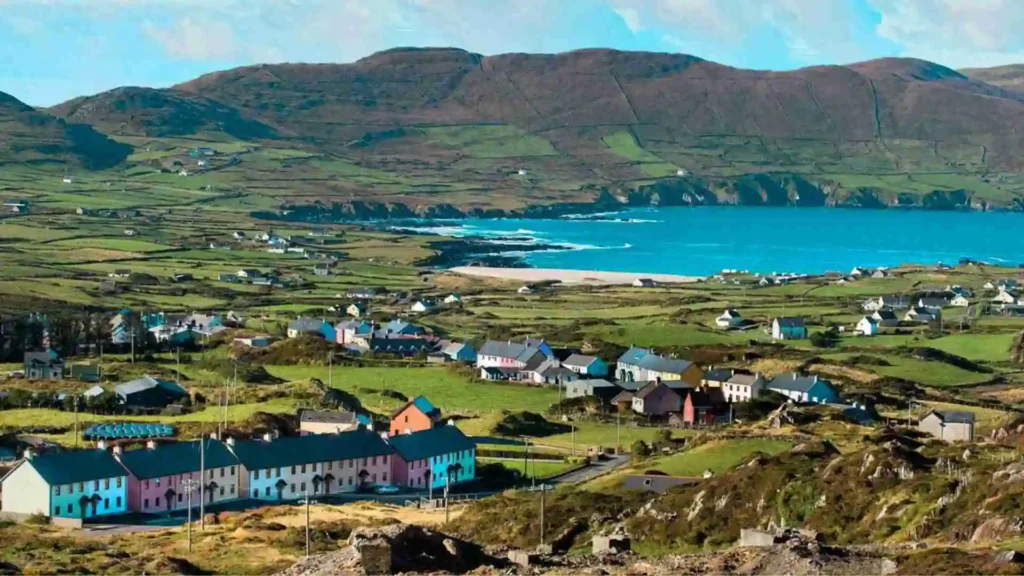
In the southern part, you will visit Killarney and the Ring of Kerry scenic drive. This will offer more diversity as you visit mountains, lakes, and castles, but this requires more driving compared to other choices of route.
If you want less stress, choose Dublin based travel, but for adventure, the west or south routes work better.
Day 1: Explore Dublin City
Begin your Dublin itinerary day 1 early enough to be able to experience all the key attractions comfortably.
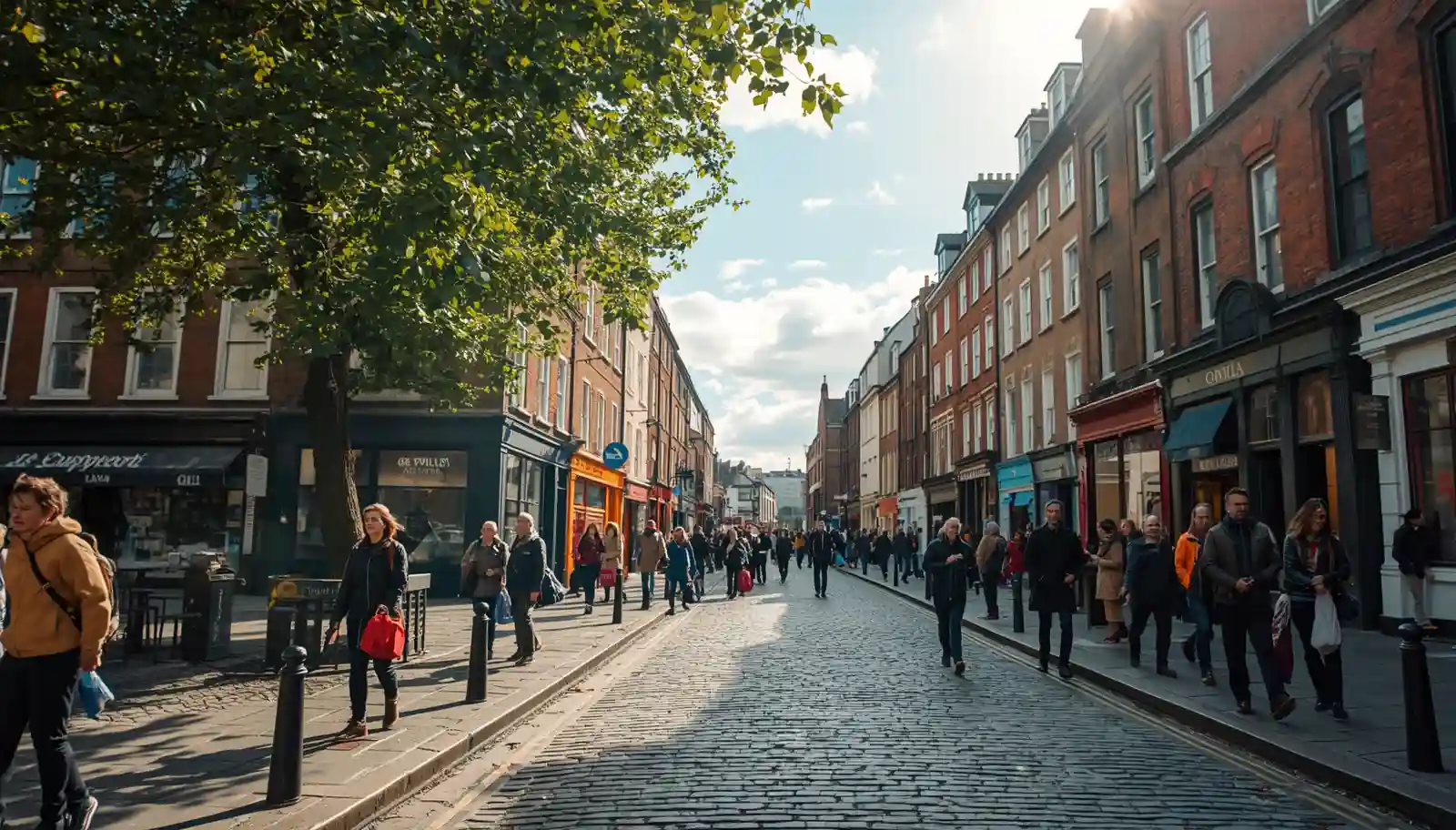
Morning: Start by taking a relaxed walk at St Stephen’s Green Park. You may then proceed to Trinity College Dublin and explore around its campus. Move on further to visit Dublin Castle and make your way to Christ Church Cathedral to discover the oldest parts of the city. In this way, you will be able to cover most of the main things to do in Dublin especially if you are visiting for the first time.
Afternoon: Take a short break for lunch and head to the Guinness Storehouse to discover its exhibitions. Spend some time there and explore the exhibits and enjoy the views from the Gravity Bar.
Evening: Later, you must visit the area of Temple Bar and walk along the lively streets then have dinner and while going home enjoy Irish music in a pub.
Where to Stay in Dublin
The choice of accommodation in Dublin totally depends on your budget and travel style preferences. The location chosen can greatly influence the quality of your holiday in the city. Some areas are exciting, whereas others are quiet and ideal for resting after a busy day.
Below you will find some location differences so you can decide your perfect match to stay:
- Temple Bar (Best for nightlife lovers)
This area is best if you want to stay at a place with an energetic atmosphere with pubs, bars, live music, but it’s quite noisy and pricey. - Ballsbridge or Drumcondra (Quiet and comfortable stays)
This option is suitable for those looking for a place where you can relax quietly, save money and still easily get to the city centre. - City Centre (Best for first time visitors)
If you are planning your first trip to the city, this option is ideal for you as you won’t have to spend extra time travelling from one place to another. It gives you access to major attractions by walking, making it convenient and time saving. - Budget options (Affordable stays)
This includes hostels or budget hotels located in the central parts of Dublin. Perfect for saving money while preferring to stay close to attractions.
Day 2: Wicklow Mountains or West Coast Option
There are two completely different options for you to choose from when deciding how to spend Ireland day 2 depending on how much travelling you are willing to do and the type of scenery you prefer.
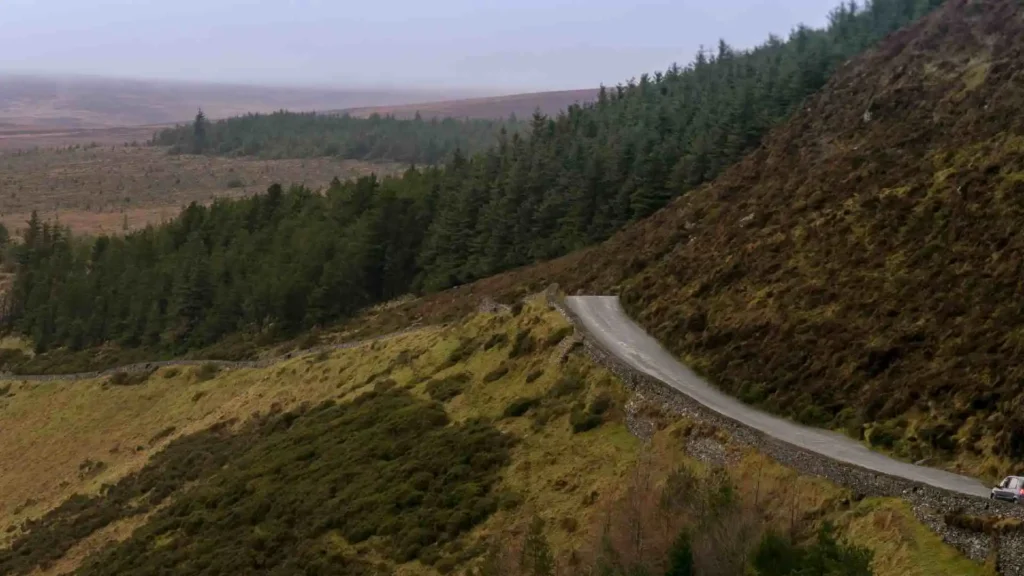
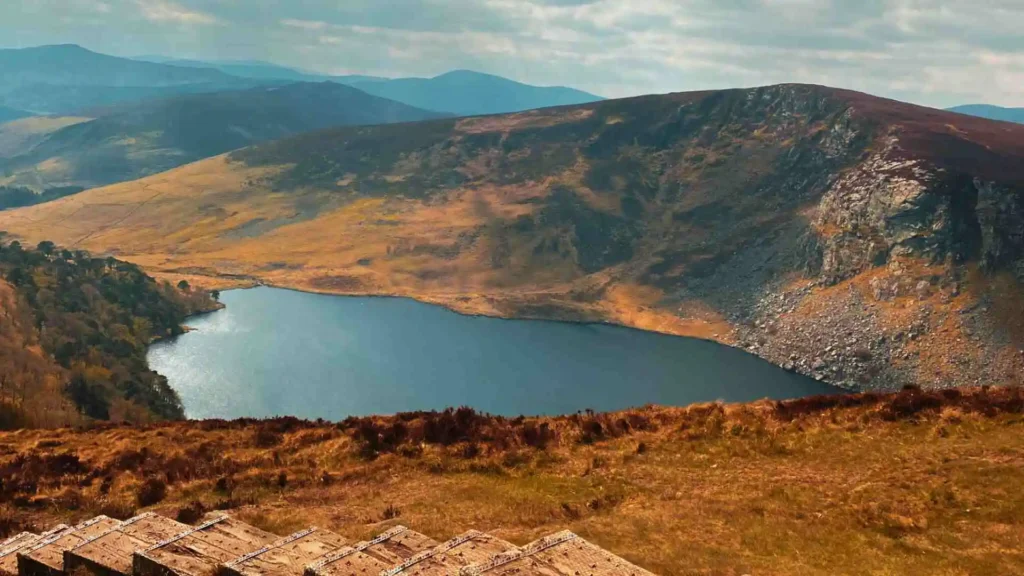
Option 1: Wicklow Mountains (Relaxed and Close to Dublin): The Wicklow Mountains are just one hour away from Dublin, which makes them a perfect choice for your second day in an Ireland day 2 itinerary. During your tour to the Wicklow Mountains, you can visit attractions such as Glendalough, where you can go for a nice walk along the lakes, admire monastic ruins, and relax surrounded by nature. This option suits your needs for a less intense day trip with minimal travelling. You may also consider visiting the famous Wicklow Way hike in Ireland located in this region.
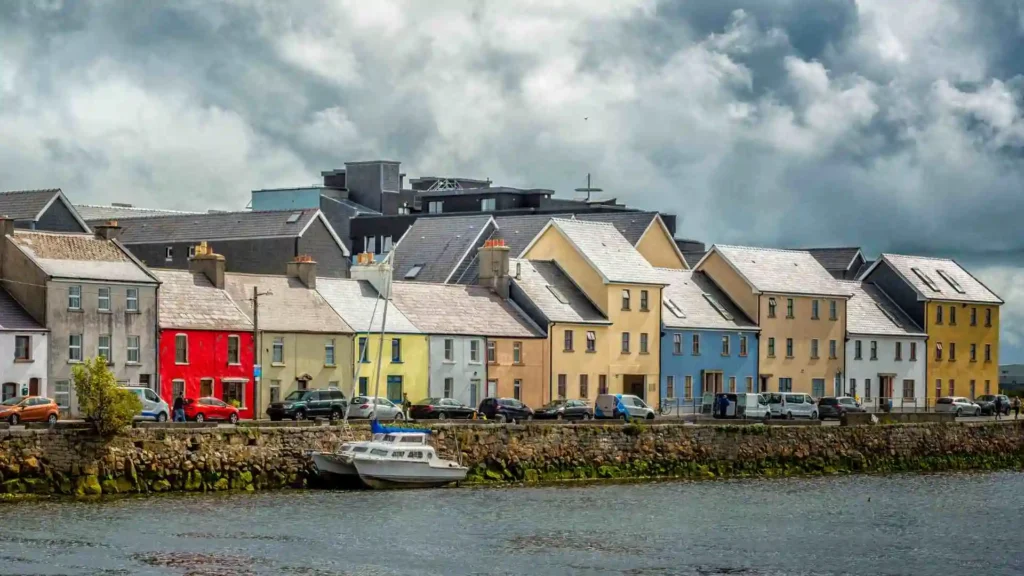
Option 2: Galway and the West Coast (Scenic but Long Trip): This is an alternative option if you prefer to travel further into the west toward Galway, which will take you two and a half hours on the road. In addition to that, travelling to Galway will give you a great opportunity to see Ireland scenic drives, as the journey takes you through open countryside views. It’s also known for its dramatic coastline.
Which route should you choose? Wicklow is better if you want a relaxed day with less driving and more time at one location. Galway works better if you want wider landscapes and don’t mind spending more time on the road.
Day 3: Cliffs of Moher and Galway
On your last day trip of your Cliffs of Moher and Galway itinerary, it’s better to explore the western part of the country and the city of Galway to make your trip unforgettable.
Take an early start. Begin your morning from Galway City and then move towards the Cliffs of Moher. It will take one and a half hours to drive each way. Walking down the cliff pathways, visiting various lookout points, and soaking in the beauty of the Atlantic coastline is highly recommended.
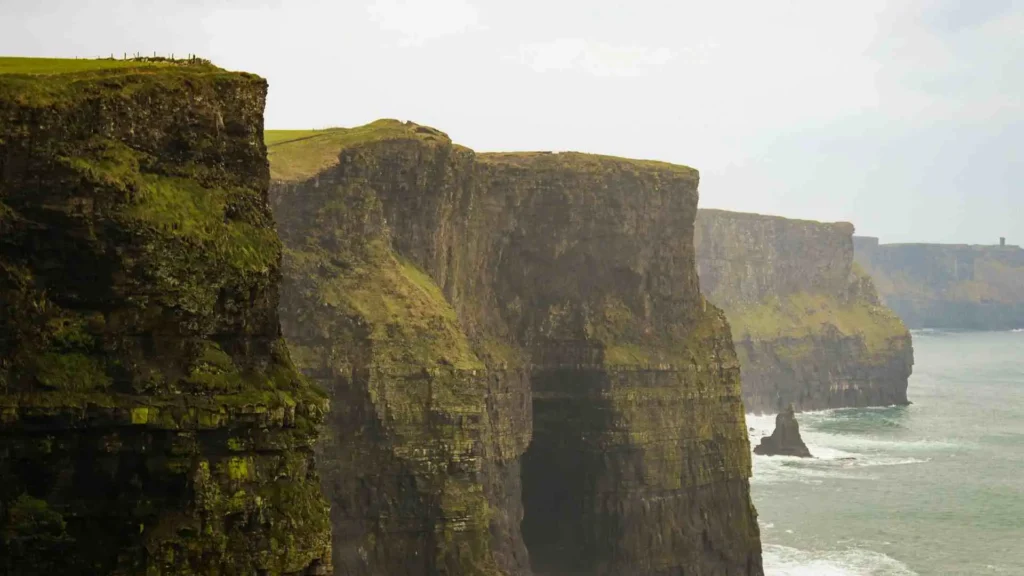
On your way back, you can even stop at little towns or scenic viewpoints along the route. A better option would be to spend more time in County Clare, where you will find many more things to do in Clare listed in our guide.
The city of Galway will be the end point of the day. Walk down the historic streets of the city, listen to live music playing on the streets, and visit local shops. You can either omit some stops and focus mainly on the cliffs.
Keep in mind that travel times can increase during peak seasons, so planning fewer stops helps you enjoy the journey at a relaxed pace.
Driving Tips in Ireland (Must Know)
You should not experience difficulty when driving in Ireland if you know some basic driving rules. With proper preparation, knowing how to drive and what to expect will help you enjoy your trips without problems.
Road Types and Travel Expectations
- Motorways are convenient and fast when travelling long distances
- Country roads may be narrow and require extra caution while driving
- In the countryside, travel times are expected to be higher than estimated on the maps
- Prepare for longer times between stops when visiting countryside destinations
Top 5 Important Driving Tips in Ireland
- Drive on the left side
Keep in mind that traffic flows on the left, so this is the main difference in driving style from many countries. - Follow Irish road signs carefully
Since road signs may differ from those in your home country, be aware of the direction and meanings of the signs. Here is a guide to Irish road signs to learn about them. - Check speed limits regularly
Speed limits vary depending on the area, whether it’s a motorway, town or countryside. - Be careful with roundabouts
Give priority to the traffic coming from the right when joining the roundabout. - Plan fuel and parking in advance
Make sure to refuel before heading into remote areas and park according to city regulations.
Following these driving in Ireland tips helps you stay safe and move around smoothly across different regions.
Best Time to Visit Ireland for a 3 Day Trip
The best season to visit Ireland depends on the traveller’s style, preferred weather, and activity level. The best season for visiting Ireland is subjective as each season offers something unique. Understanding seasons in Ireland can be useful for you to create an appropriate itinerary for the three day vacation.
| Season | Weather | Crowds | Experience |
| Spring (Mar–May) | Mild weather and blossoming landscape | Moderate | Perfect for green countryside and fewer visitors |
| Summer (Jun–Sep) | Warm climate with long hours of sunlight | High | Ideal for sightseeing and outdoor activities |
| Autumn (Oct–Nov) | Cool weather and colourful scenery | Moderate | Relaxed travel with beautiful fall views |
| Winter (Dec–Feb) | Cold climate and shorter days | Low | Affordable travel and less crowded places |
Travellers usually consider spring and autumn as the ideal season for visiting Ireland within a period of three days.
Cost of a 3 Day Ireland Trip
The cost of spending three days in Ireland is determined by a number of variables like the method through which you access Ireland, your travel duration in Ireland, and how you plan your trip to Ireland. Costs in Ireland are generally more expensive compared to other countries in Europe due to the cost of living in Ireland.
There are usually four main cost components for a holiday in Ireland, and they include the costs of accommodation, means of transport, food, and sites of attraction. The total cost of your holiday in Ireland depends on the class through which you intend to travel.
| Category | Budget Travel | Mid-Range Travel | Luxury Travel |
| Accommodation | Hostels and budget hotels | 3–4 star hotels | 5-star hotels and resorts |
| Transport | Public transport | Car rentals or mixed transport | Private tours or chauffeur service |
| Food | Coffee shops and budget meals | Restaurants and pubs | Fine dining experiences |
| Activities | Free places and walking tours | Tourism spots and museums | Private guided tour experiences |
| Daily Cost Range | €60–€100 | €120–€200 | €250+ |
The increase in prices corresponds directly to the peak periods, during which there is a lot of traffic in the central parts of cities. Planning ahead and using combinations will help save money while still having a good holiday experience.
Common Mistakes to Avoid
There are various minor errors that visitors might commit while planning their trips to Ireland. Preventing such problems can ensure that you get better Ireland travel tips and can avoid common Ireland trip mistakes when you visit the country for a brief period.
Common Mistakes to Avoid in Ireland Travel
- Underestimating driving times
Although Ireland appears small on maps, the actual travel time on country roads may be longer than expected. This mistake occurs frequently among Ireland travellers. - Not booking accommodation early
Prices rise rapidly during peak season, therefore delays can reduce your chances of securing accommodation in sought after locations. - Ignoring weather changes
Weather patterns change frequently in Ireland, hence the need to pack waterproof clothing at all times. - Relying only on public transport
Scenic spots will be difficult to reach without using a vehicle, particularly in rural settings. - Skipping road rule awareness
It is vital to know how to drive on the left and read traffic signs. - Overpacking the itinerary
Overdoing the itinerary leads to fatigue and a rushed experience. - Not checking opening hours
It is necessary to be aware of when the sites open and close. - Forgetting fuel planning
Rural locations may not have a high density of fuel stations. - Underestimating walking distances
Cities like Dublin involve a lot of walking, so comfortable shoes are important.
Planning ahead helps create a smoother and more enjoyable Ireland travel experience.
3 Day Ireland Itinerary Without a Car
It is absolutely feasible to plan an Ireland tour without driving a car by choosing train, bus, or guided tour services. This is a convenient way of travelling in case a person prefers not to rent or drive a car but at the same time wants to see Ireland’s main sights.
Travelling by public transport in Ireland, one can easily get to cities such as Galway, Cork, and others starting from Dublin. This kind of no car Ireland travel can be convenient if a person is going to use the right routes.
A simple possible flow:
Day 1: Visit Dublin through walking tours and Dublin Pass for the sites
Day 2: Visit Galway by taking a train or bus from Dublin and touring around the city centre
Day 3: Tour to the Cliffs of Moher from Dublin or Galway
Travelling by train is quick and convenient if one travels to major cities. Bus travel covers wider areas across Ireland. Using guided tours one can travel to some scenic places such as the west coast, which includes Cliffs of Moher.
This option reduces planning stress and is ideal for a short Ireland visit where convenience matters more than flexibility.
Conclusion
A three day tour in Ireland will not be as hard as many would think as long as you know how to plan the route well. Ireland has everything that any type of traveller wants, whether he or she prefers city tours, road trips, and seaside views. One should consider limiting the number of destinations during a short visit to Ireland.