
Beltany Stone Circle | Why this Bronze Age wonder feels magical
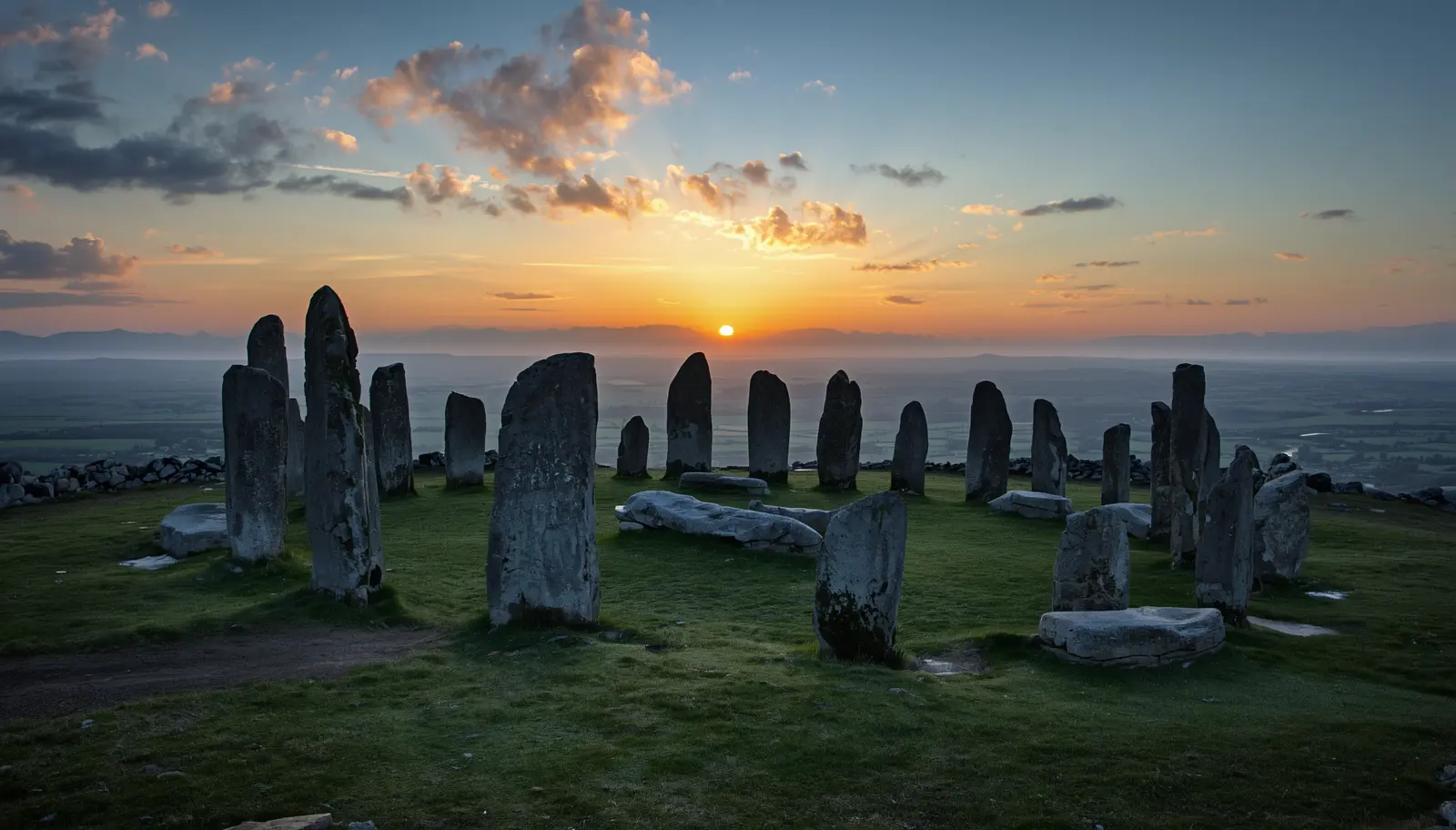
The Beltany Stone Circle is an important Bronze Age monument located right outside Raphoe, in County Donegal. This prehistoric location is situated on the top of Tops Hill and is in the form of a monumental 45-metre-diameter circle of 64 surviving standing stones.
It is generally believed to be one of the largest and most significant megalithic structures in Ireland, even earlier than when Stonehenge had been built in its earliest form.
The location dates back to around 2000-800 BC, and it was a significant ceremonial and ritual centre for ancient societies. Its name is an Anglicisation of Bealtaine, the Gaelic celebration of the start of summer. For travellers who desire something raw and atmospheric to give them an edge over other places in Ireland, Beltany is the place to be.
History of Beltany Stone Circle
The history of Beltany Stone Circle dates back several millennia and archaeological evidence indicates that the site served as a centre of attraction for early Irish settlements. Although the circle is thought to be Bronze Age, a carved Iron Age stone head was found in the nearby area, indicating that the circle remained a sacred place thousands of years ago.
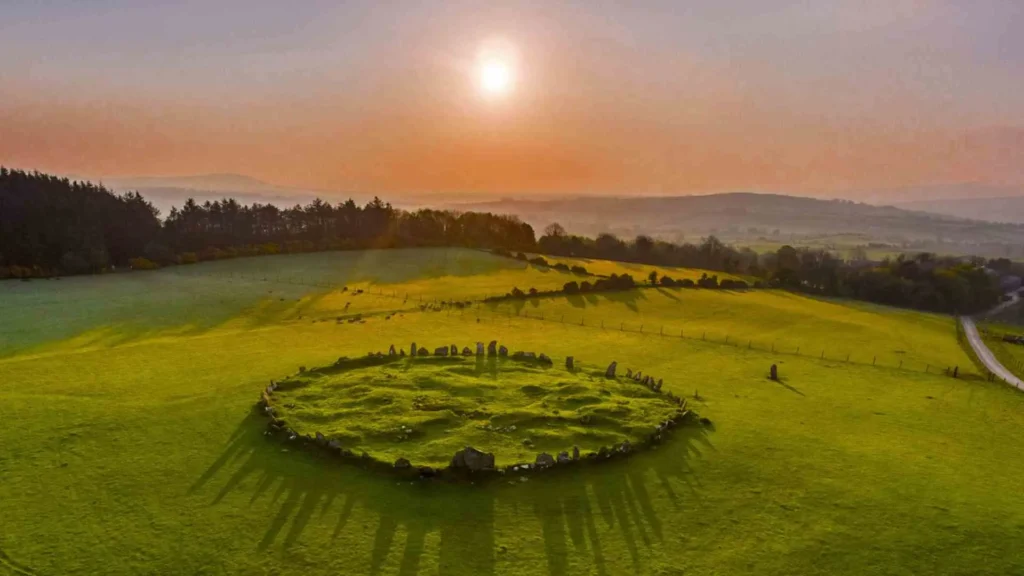
Initially the circle must have had approximately 80 stones, many of which have been lost or moved through the ages. However, unlike most other Irish monuments, the stone circle at Beltany was built upon a raised earthen platform, or “tumulus”, which could have been used as a burial mound prior to the stone circle being constructed.
Such a large site would have required a great communal effort, and this makes it a high-status site in the lives of the inhabitants of ancient Ireland. It is today a monument to the high level of engineering and spiritual living of the people of Donegal. Should you want to dive into the folklore of the time, you can read more Irish myths and legends that envelop this scenery.
Meaning and mythology behind Beltany
The Beltany mythology is strongly based on the Celtic calendar. The location is closely associated with the festival of Bealtaine, the time of a renewal when people of ancient times lit great fires to save cattle and guarantee a productive harvest.
The layout of the circle indicates that it had a great astronomical intent. A particular outlier stone to the south-east (two metres high) aligns with the sun as it reaches the summer solstice. During these seasonal changes the sun rises behind this stone, illuminating the circle in a display of sun-worship.
These locations were commonly considered in Gaelic tradition as a point of connection to the “Otherworld”. The fact that Beltany was high up in the air combined with its alignment with the stars makes it one of the prime illustrations of how prehistoric communities could utilise their religious thoughts in conjunction with the natural cycles of the earth.
What to expect when you visit
Beltany Stone Circle visitors need to be prepared for a peaceful, rural experience that is far off the beaten tourist path. It is sited in the centre of the Donegal countryside which offers some of the most scenic views of the surrounding hills and the nearby town of Raphoe.
The walk to the stones is a gradual slope over farmland. The stones themselves are quite different in size, some being small markers and others being huge monoliths up to 2.75 metres high. The atmosphere could be characterised as being heavy and ancient, especially during foggy mornings or at sunset.
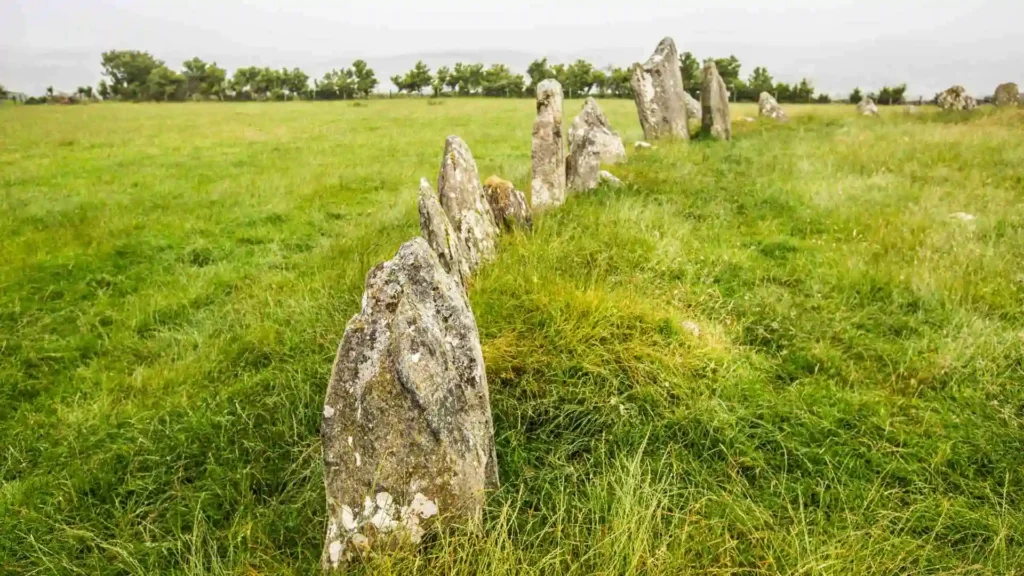
In contrast with other more commercialised locations, there is no visitor centre. This enables a more intimate association with the landscape. It ranks among the most evocative things to do in Ireland for those inclined towards studying history in its original form.
How to get to Beltany Stone Circle
To access the circle, go to the town of Raphoe in County Donegal. Starting at the town centre, follow the signs to the “Beltany Stone Circle”. The location of the site is approximately 2 kilometres south of the town on a small road.
At the foot of the hill is a small, dedicated parking area. From there, you will walk a marked path through a wooded area, and over a field. The walk lasts about 10-15 minutes and includes a slight ascent.
Nearby places worth visiting
If you are sightseeing in the region you should visit Raphoe Castle. This is an impressive ruin of a palace belonging to a bishop of the 17th century and this will add medieval history to your trip.
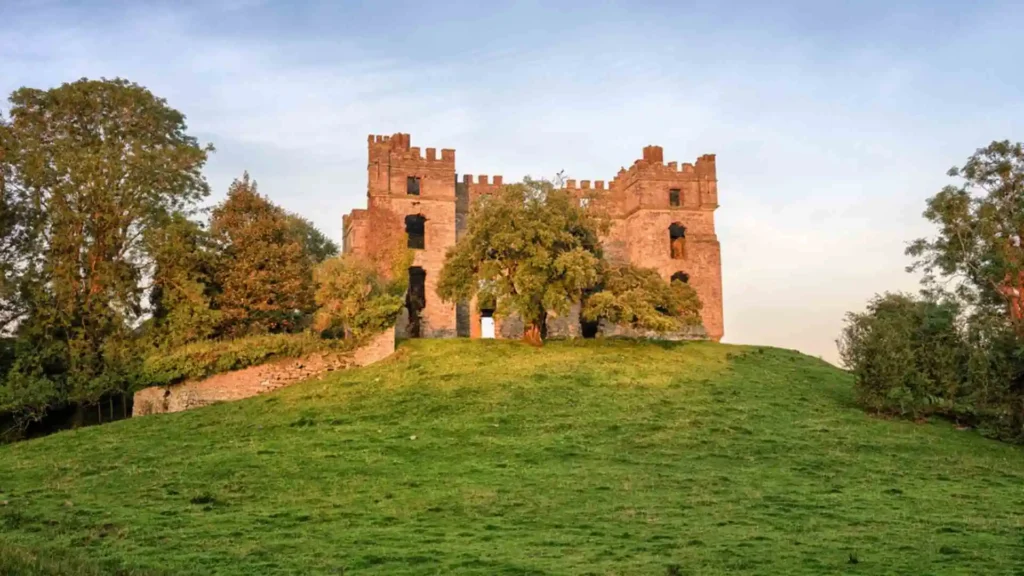
Nature lovers should make a 30-minute drive to visit Glenveagh National Park. This is a great addition to a Donegal itinerary with rugged mountains, pristine lakes and the famous Glenveagh Castle.
Common mistakes visitors make
The worst thing that visitors do is wear the wrong footwear. The path leading to the stones may be very muddy and slippery, particularly when the ground has been wetted by the frequent rains of Donegal. It is important to have waterproof boots or strong hiking shoes.
Moreover, most visitors forget that the circle is situated on working farmland. One should also remember to close all the gates behind and remain within the allotted path in order to respect the local farmers.
Lastly, never use Sat Nav only, because in rural Ireland, the signal may be weak. The brown heritage signs found in Raphoe provide the surest way to go. Should you be considering spending the night in the vicinity, you should make sure to check on the local laws regarding wild camping in Ireland.