
Drogheda Ireland Guide: History, Attractions & Travel Tips
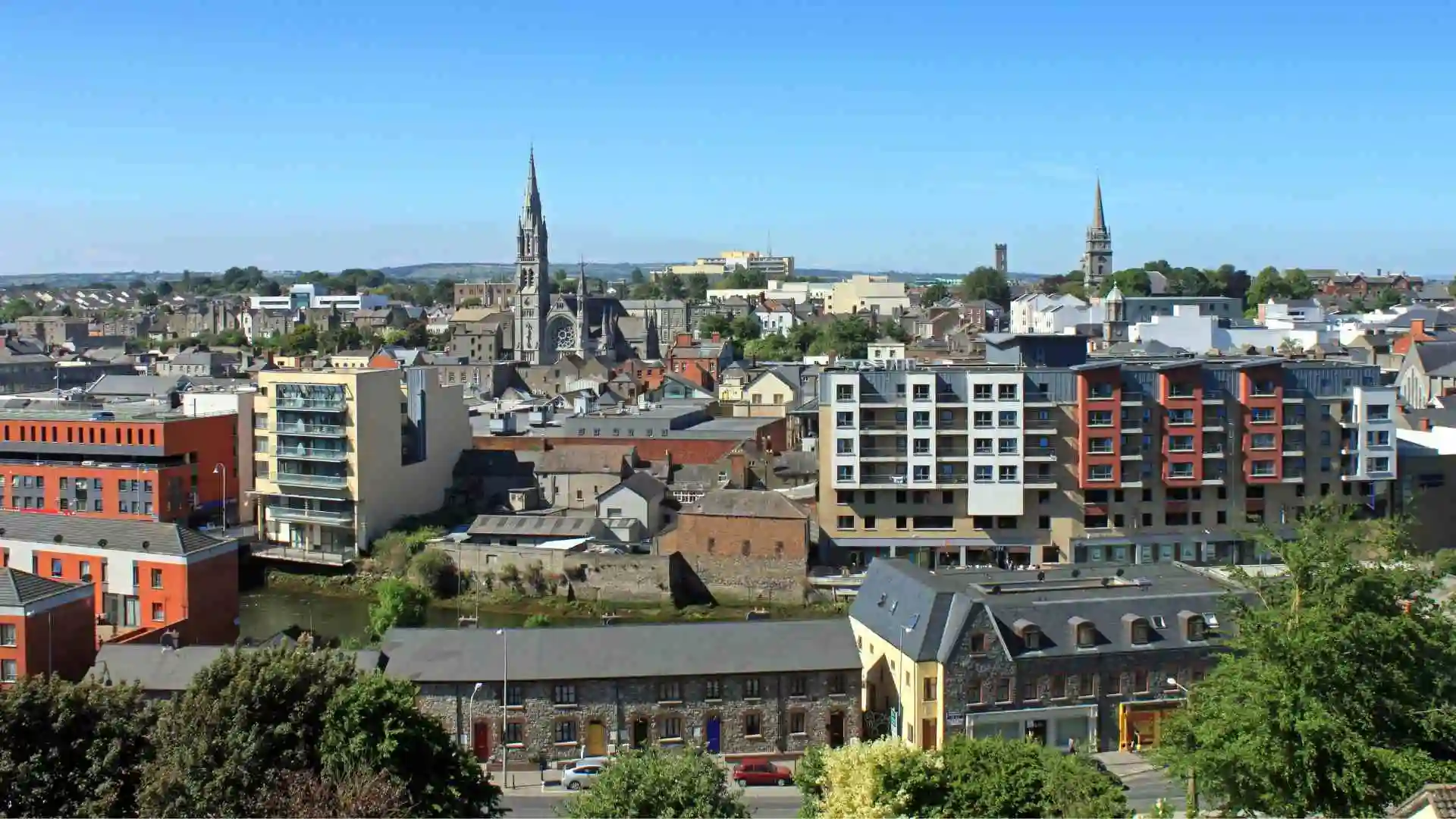
Drogheda is one of the oldest and most historic towns in Ireland, full of stories and culture. It is located along the scenic River Boyne, which has shaped its growth and importance for centuries. If you are wondering where is Drogheda, it lies in a perfect location for exploring Ireland’s ancient east. The town offers a mix of medieval charm, modern life, and easy access to famous nearby attractions. Visitors come here to explore history, enjoy local culture, and discover some of Ireland’s most iconic landmarks.
In this blog, you will explore the rich history, culture, and top attractions of Drogheda in Ireland. You will also discover nearby places to visit, travel tips, and why Drogheda is worth visiting.
What Is Drogheda Known For?
Drogheda is known for its medieval heritage, strategic riverside location, and access to important historical sites nearby. It is also recognized for its well-preserved architecture, cultural landmarks, and strong links to Irish history.
Key highlights include:
- Rich medieval history shaped by Norman settlers, defensive walls, and centuries of trade and development.
- A prime location along the River Boyne, which supported trade and settlement growth.
- Historic structures like St Laurence’s Gate that still stand proudly today.
- Easy access to ancient sites such as Newgrange and the wider Boyne Valley region.
- A blend of old and new culture, offering museums, galleries, and lively local experiences for visitors.
Where Is Drogheda Located?
Drogheda is located in County Louth on the eastern coast of Ireland. The town is located about fifty kilometers north of Dublin, making it ideal for day trips. It is positioned along the River Boyne, which divides the town into two historic sides. This location made Drogheda an important trading and transport hub during earlier centuries in Ireland. Today, its coastal proximity and strong transport links make it easy to reach by road or rail.
Travel Context & Access:
- Drogheda is located around 50 kilometers north of Dublin, making it an easy journey.
- The nearest airport is Dublin Airport, which is about 20 to 30 minutes away by car.
- The town sits along the M1 motorway, connecting major cities like Dublin and Belfast.
- Drogheda is on the main Dublin to Belfast railway line, with frequent and reliable train services available.
- It acts as a gateway to the Boyne Valley, close to both ancient sites and the coastline.
A Brief History of Drogheda
Drogheda began as a Viking settlement around the ninth century along the River Boyne. The Vikings used the river as a key route for trade, travel, and communication across the region. Later, the Normans arrived and transformed Drogheda into a fortified and organized medieval town. Two separate settlements developed on each side of the river under different Norman leaders at first. These towns were eventually united in 1412, forming the Drogheda known today by royal charter.
During the reign of Edward III, Drogheda became an important center for trade and exports. It hosted markets, industries, and even sessions of parliament, showing its national importance at the time. The town’s strong defensive walls protected it during several attacks and conflicts throughout its history. In 1649, Oliver Cromwell captured Drogheda during a brutal and well-known siege. This event remains one of the most remembered and debated moments in Irish and British history.
After this period, Drogheda continued to grow as a port, supporting trade in goods like coal and agriculture. Over time, industries such as milling, brewing, and manufacturing helped shape the town’s economic development. Today, Drogheda’s long and complex history is visible through its landmarks, streets, and preserved buildings.
Drogheda also has strong links to early Christian Ireland, a period closely associated with Saint Patrick and the spread of Christianity across the east of the country.
Top Attractions in Drogheda
Here are some of the best things to do in Drogheda:
Millmount Fort
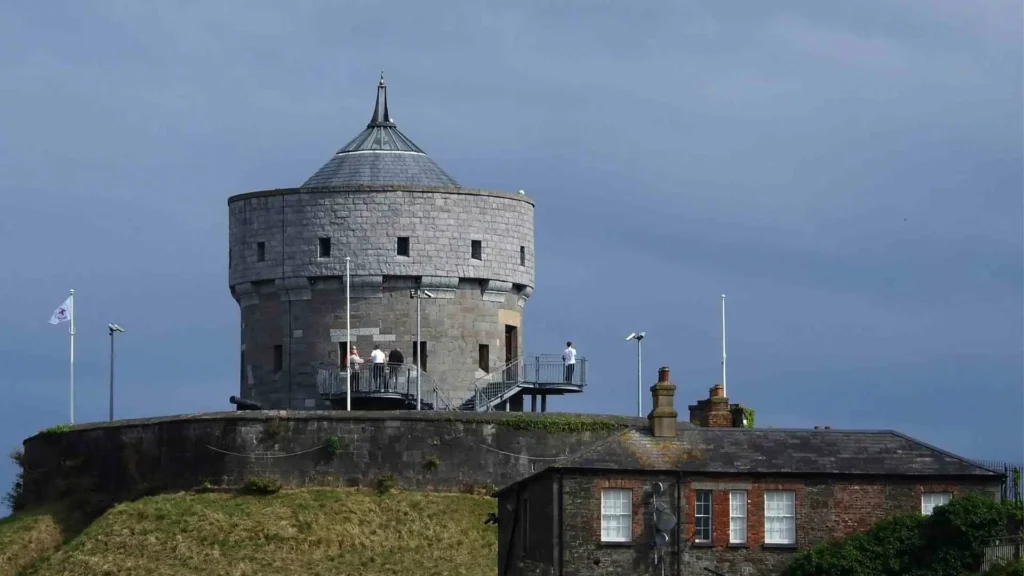
Millmount Fort stands on a high mound overlooking Drogheda and the River Boyne. It began as a Norman motte and bailey castle used to defend the town centuries ago. The structure was rebuilt over time and now features a tower that houses a local museum. Visitors can explore exhibitions, learn about local history, and enjoy panoramic views of the surrounding area. It is one of the best places to understand Drogheda’s strategic importance and historical development.
St Laurence’s Gate
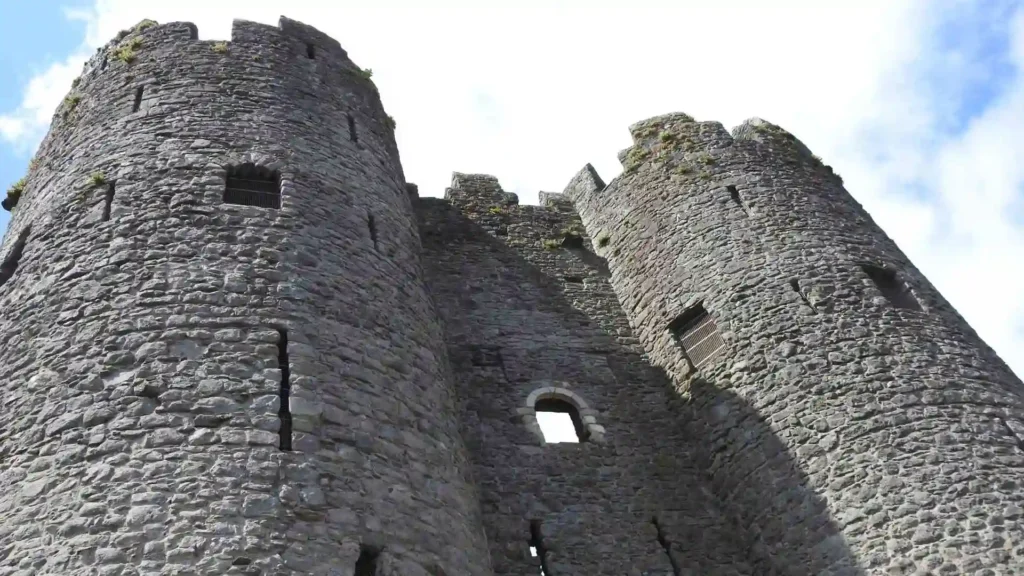
St Laurence’s Gate is one of the best-preserved medieval gates in Ireland. Built during the thirteenth century, it formed part of Drogheda’s impressive defensive wall system. The gate features strong stone construction, twin towers, and a design meant to protect against attackers. Although much of the town walls no longer exist, this gate remains a powerful symbol of the past. It offers visitors a unique opportunity to experience authentic medieval architecture in the town.
Magdalene Tower
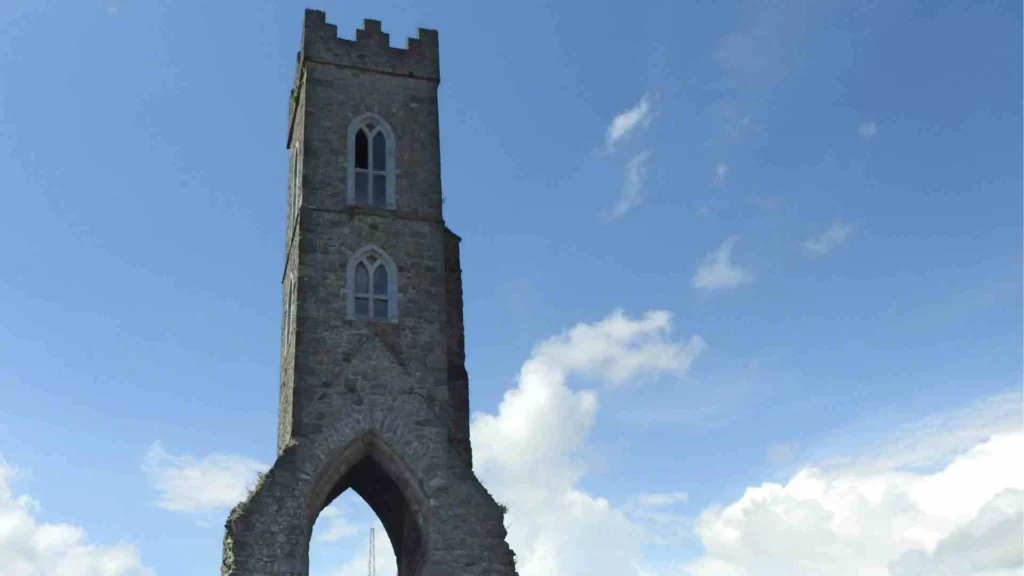
Magdalene Tower is a striking historical structure that dates back to the fourteenth century. It once served as the bell tower for a Dominican friary founded in the early medieval period. Important historical events took place here, including meetings between Irish chiefs and English authorities. Today, the tower stands alone, offering a quiet and reflective glimpse into Drogheda’s religious past. It is a simple but powerful landmark that highlights the depth of history found throughout the town.
Highlanes Gallery
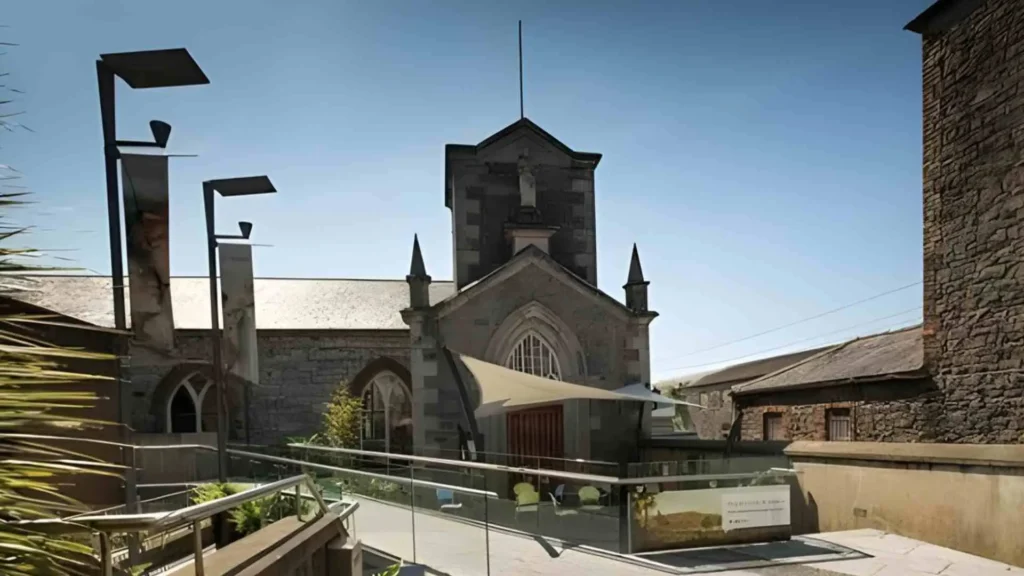
Highlanes Gallery provides a modern cultural experience inside a restored historic building. The gallery features a collection of Irish art, including works from the eighteenth and twentieth centuries. Visitors can explore exhibitions that highlight both traditional and contemporary artistic styles from Ireland. The space also hosts events, educational programs, and guided tours for different types of visitors. It is a perfect place to enjoy art and culture, especially during rainy days in Drogheda.
Things to Do Near Drogheda
Here are some of the best places to visit near Drogheda
Newgrange/Brú na Bóinne
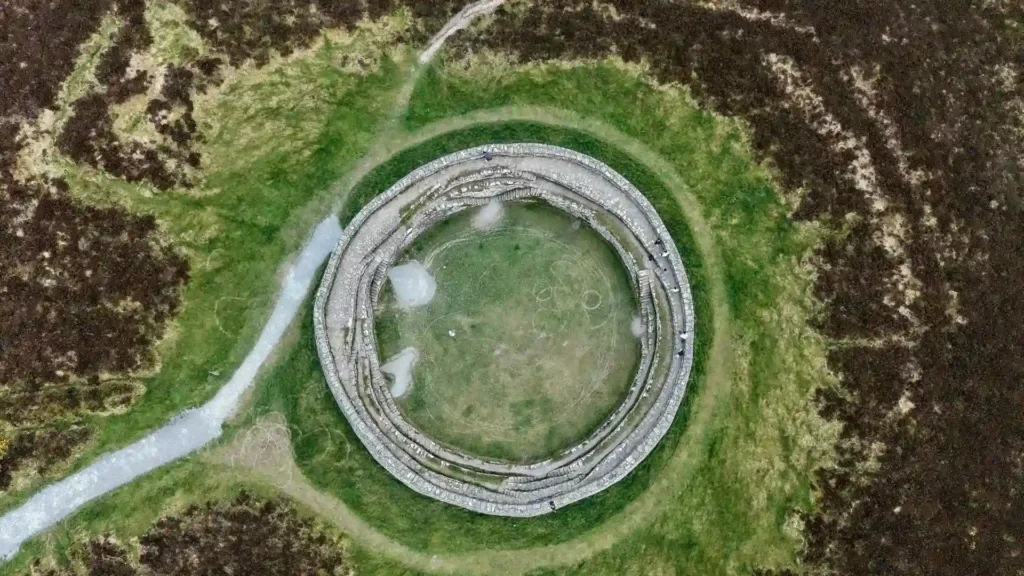
Newgrange is one of the most famous prehistoric sites located near Drogheda in the Boyne Valley. It was built around 3200 BC, making it older than both the Egyptian pyramids and Stonehenge. The monument is a passage tomb that aligns with the winter solstice sunrise each year. Visitors can enter the chamber and learn about ancient engineering and early human life. It is a must-visit attraction for anyone interested in history, archaeology, or unique travel experiences.
Battle of the Boyne Site
The Battle of the Boyne Visitor Centre tells the story of a major battle fought in 1690. The battle took place between the forces of King William III and King James II near the River Boyne. The visitor centre offers exhibitions, reconstructions, and interactive displays that explain the historical event clearly. There are also walking trails and gardens where visitors can relax while exploring the area. It is an excellent destination for learning about Irish history in an engaging and accessible way.
Is Drogheda Worth Visiting?
Yes, Drogheda is definitely worth visiting for its rich history, culture, and easy access to nearby attractions. The town is ideal for history lovers who want to explore medieval buildings and ancient sites. It is also perfect for day-trippers coming from Dublin due to its short travel distance. Families, solo travelers, and culture enthusiasts will all find something interesting to enjoy here. The mix of heritage, scenic views, and local experiences makes Drogheda a rewarding destination. It offers a quieter alternative to larger cities while still providing plenty of things to see and do.
How to Get to Drogheda
Getting to Drogheda is simple thanks to its excellent location near Dublin and transport links.
- You can take a direct train from Dublin, which usually takes around forty to fifty minutes.
- Trains run regularly, making it one of the easiest ways to reach Drogheda for visitors.
- Driving is another convenient option using the M1 motorway, which connects Dublin directly to the town.
- The journey by car typically takes less than one hour, depending on traffic conditions.
- Bus services also operate frequently, offering affordable travel options from different parts of Ireland.
These transport choices make Drogheda highly accessible for both short visits and longer stays.
Conclusion
Drogheda is a destination that blends rich history, scenic beauty, and modern charm in a truly unique way. From its medieval landmarks to its location along the River Boyne, the town offers something meaningful for every visitor. Whether you are exploring ancient sites, enjoying local culture, or taking short trips to nearby attractions, Drogheda provides a complete and rewarding travel experience. Its easy access from Dublin makes it even more appealing for both short visits and longer stays. Overall, Drogheda stands out as a must-visit town for anyone looking to discover the true heritage and beauty of Ireland.