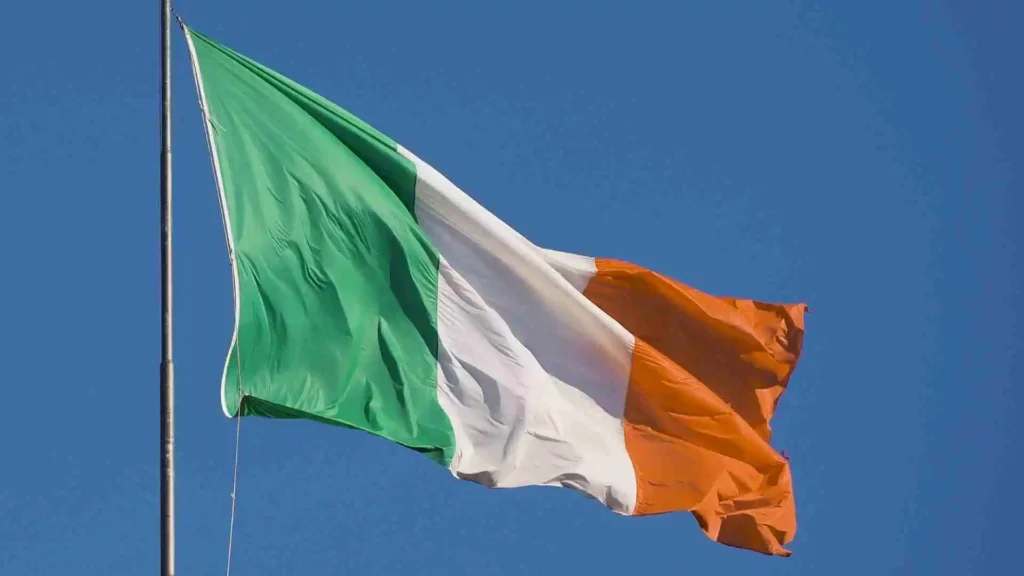

St Patrick: The Story, History & Legacy of Ireland’s Patron Saint
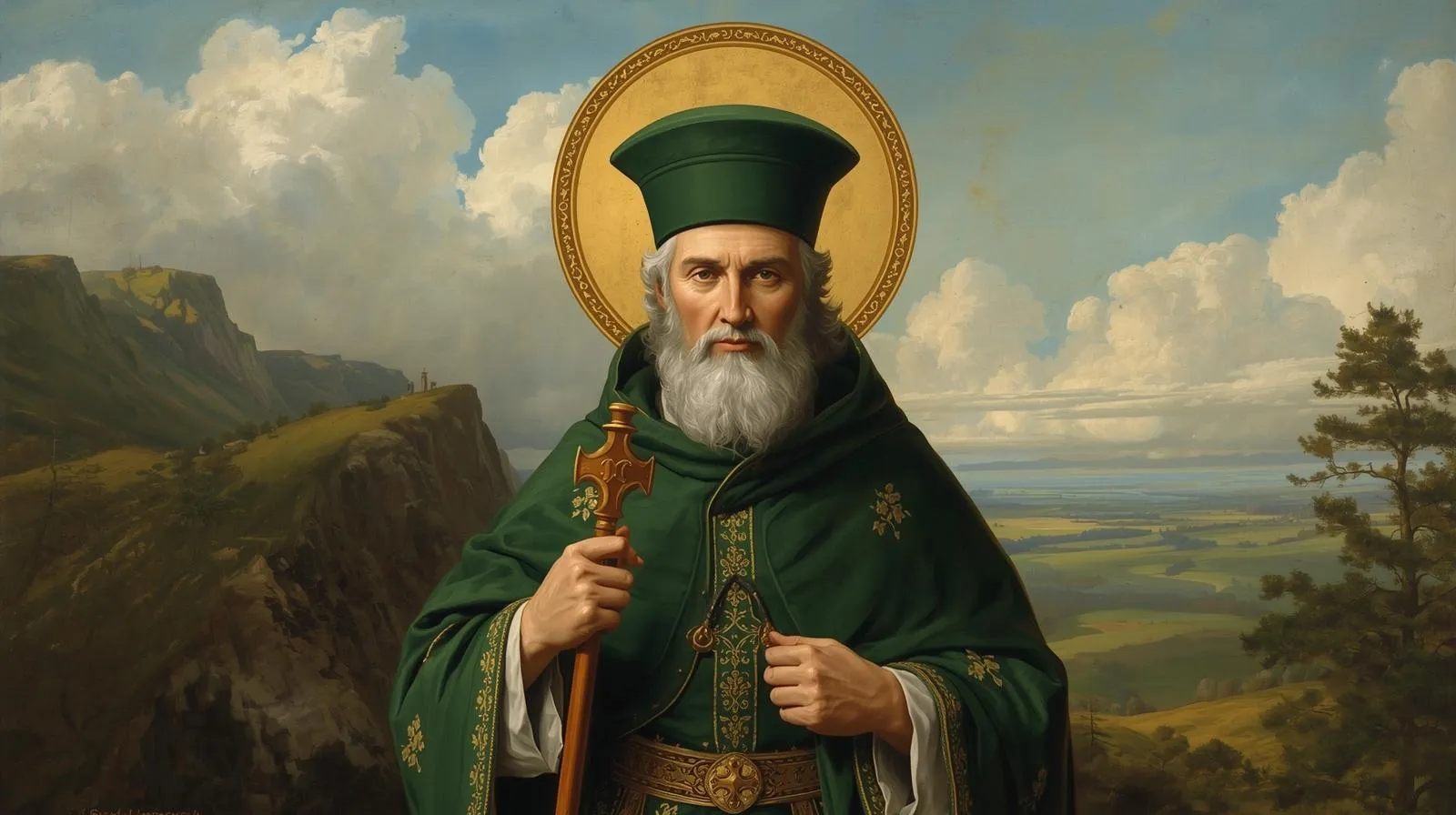
St Patrick was a Christian missionary and the patron saint of Ireland. He was born in the 4th century (385 AD) in Britain. Although he is the patron saint of Ireland, he was not born in Ireland. As a teenager, he was kidnapped by Irish raiders and enslaved in Ireland. He spent six years of his life in slavery, where he looked after sheep. That period shaped his spiritual life. He escaped and ran back to his family in Britain. There he became a dedicated follower of Christianity.
According to history, St Patrick later returned to Ireland as a missionary. In the land where he was once enslaved, he began spreading Christianity. After training as a cleric, he baptised people and established churches. It is believed that St Patrick died on March 17, 461 AD.
Myths vs Facts About St Patrick
There are many stories associated with Ireland’s patron saint. Let’s have a breakdown of the more reliable St Patrick facts in Ireland based on history and research.
| Myth | Fact |
| St Patrick drove all the snakes out of Ireland. | There is no evidence of snakes in Ireland after the ice age. The story of snakes is symbolic. It actually says that St Patrick removed all pagan beliefs. |
| He used the shamrock to explain the concept of the trinity. | The shamrock story is part of later tradition. There is no evidence or proof that St Patrick used the shamrock to teach. |
| He was Irish. | He was born in Britain. He was enslaved in Ireland. He returned to Britain before coming back to Ireland as a missionary. |
| He was canonised by the pope. | He belonged to an era when official canonisation had not begun. He became a saint through popular acclaim. |
| He wore green. | St Patrick can be seen in a blue robe. Green became associated with Ireland and Saint much later. |
St Patrick’s Impact on Ireland
St Patrick had a profound cultural and religious impact on the island. He played a pivotal role in spreading Christianity in Ireland. Although there were other missionaries at the time, he is credited with converting leading figures. He baptised thousands and established churches and Christian communities across Ireland. His services for Christianity laid an important foundation for the growth of monasteries. These monasteries later became centres of learning and literacy in early mediaeval Europe.
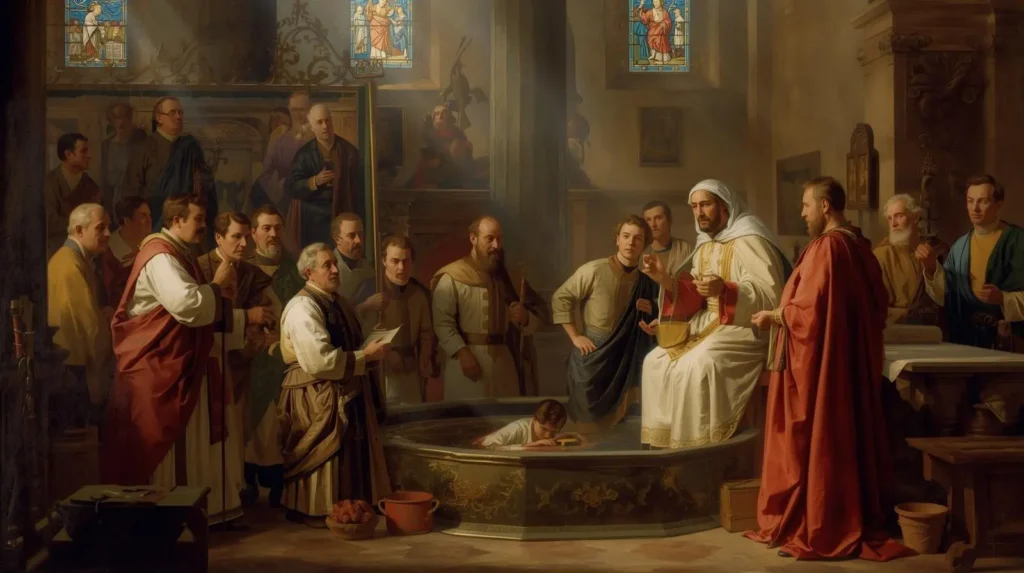
A spiritual biography, Confessio, is significant for understanding his work and contributions to spirituality. The book explains his faith, his captivity, and his calling to Ireland. These writings provide a deep insight into the early Christian history of Ireland. They explain the gradual but lasting transformation of Irish religious life. With the passage of time, St Patrick’s legacy became part of Irish identity. His teachings shaped spiritual traditions, national symbolism and cultural memory.
Legends Connected to St Patrick
There are many legends connected to St Patrick; they blend faith, folklore, and national pride. According to one of the most famous legends, he drove all the snakes out of Ireland. However, historians say there have been no snakes in Ireland since the ice age. The legend symbolises the decline of pagan beliefs in Ireland. Many of these stories sit within the wider tradition of Irish myths and legends that shaped early cultural identity.
Another famous legend is that he used a three-leafed shamrock to explain the Christian Trinity (the presence of three persons in God). The three leaves of the shamrock represented the three persons of the Trinity. However, there is no strong evidence.
Saint Patrick’s original name was Maewyn Succat, which changed when he converted to Christianity. There is also a debate on the colour. Early pictures and surviving artwork have always shown him in blue-coloured robes. Later, green colour became the national colour of Ireland and became associated with St Patrick as well.
St Patrick’s Day Today
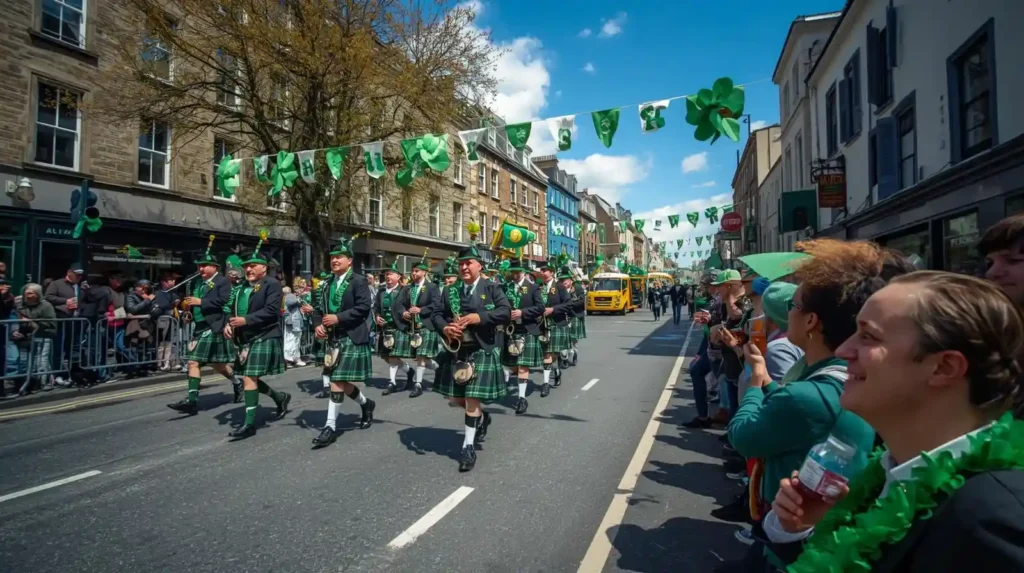
St Patrick’s Day is celebrated every year on March 17 in Ireland. The day is the traditional date of St Patrick’s death. It is a public holiday in Ireland and is celebrated as a cultural day in Northern Ireland. The celebrations show that what began as a religious practice has grown into a national celebration of heritage.
On this day, the major towns and cities of Ireland host parades, cultural performances and live music festivals. Concerts, pageantry and fireworks take place in Dublin. People celebrate the day with enthusiasm. They attend the church services in the morning and later attend the public festivities. Wearing green is a must on this special day, which symbolises the shamrock. People enjoy traditional food and music to celebrate the day to the fullest.
Biggest St Patrick’s Day Celebrations Worldwide
Among the global St Patrick’s Day parades, Dublin hosts the largest one. The city attracts hundreds of thousands of visitors around 17 March each year. The New York City parade was first held in 1762, the oldest of all. The city attracts millions of spectators annually.
The Caribbean island of Montserrat also celebrates the day. There is a public holiday on that day, and celebrations blend Irish heritage with local history.
Buenos Aires also hosts South America’s largest celebration, showing Argentina’s Irish community. These events show the global reach of Irish culture and heritage.
Places in Ireland Connected to St Patrick
Several important places in Ireland are related to St Patrick’s name. Slemish Mountain is believed to be where he tended the sheep during his captivity.
Sal Church in County Down is the place where he built the first church. Downpatrick is nearby and is highly regarded as his burial place.
The city of Armagh is known as a spiritual centre associated with his legacy. Pilgrims, while paying a visit to his burial place, also visit Croagh Patrick. It is said that St Patrick fasted for forty days on Croagh Patrick mountain. Today St Patrick’s trail connects many of these historic and pilgrimage sites. Visitors can enjoy a structured trip through Ireland’s Christian heritage.
These historic sites are spread across different counties of Ireland, each holding its own part of his legacy.
Little-Known Stories
Familiar legends associated with Ireland’s patron saint are well known. However, there are some lesser-known stories that add depth to his life.
In some traditions, the day after 17 March is called Sheelah’s Day. The day may be linked to a female figure associated with Patrick.
Confessio and Letter to Coroticus are two of the authentic surviving writings. In these books, Patrick defended his mission and criticised injustice. These texts are a central source of detailed history.
There are also different opinions about his birthplace. Different theories place him in different parts of Roman Britain. It shows that history and tradition do not align perfectly.
Conclusion
The importance of St Patrick remains strong even after centuries. His teachings have helped to spread Christianity in Ireland. He laid the foundations of the institutions which had a deep impact on learning and education in Europe. His legacy is visible not only in religious traditions but also in cultural and global celebrations. Communities all over the world celebrate the day as a symbol of Irish heritage and culture. Many places in Ireland reflect the impact of his legacy.
His impact continues to this day through the lens of history, faith, and folklore, connecting people across the world.