
Hook Peninsula | The Wexford attraction most tourists completely miss out
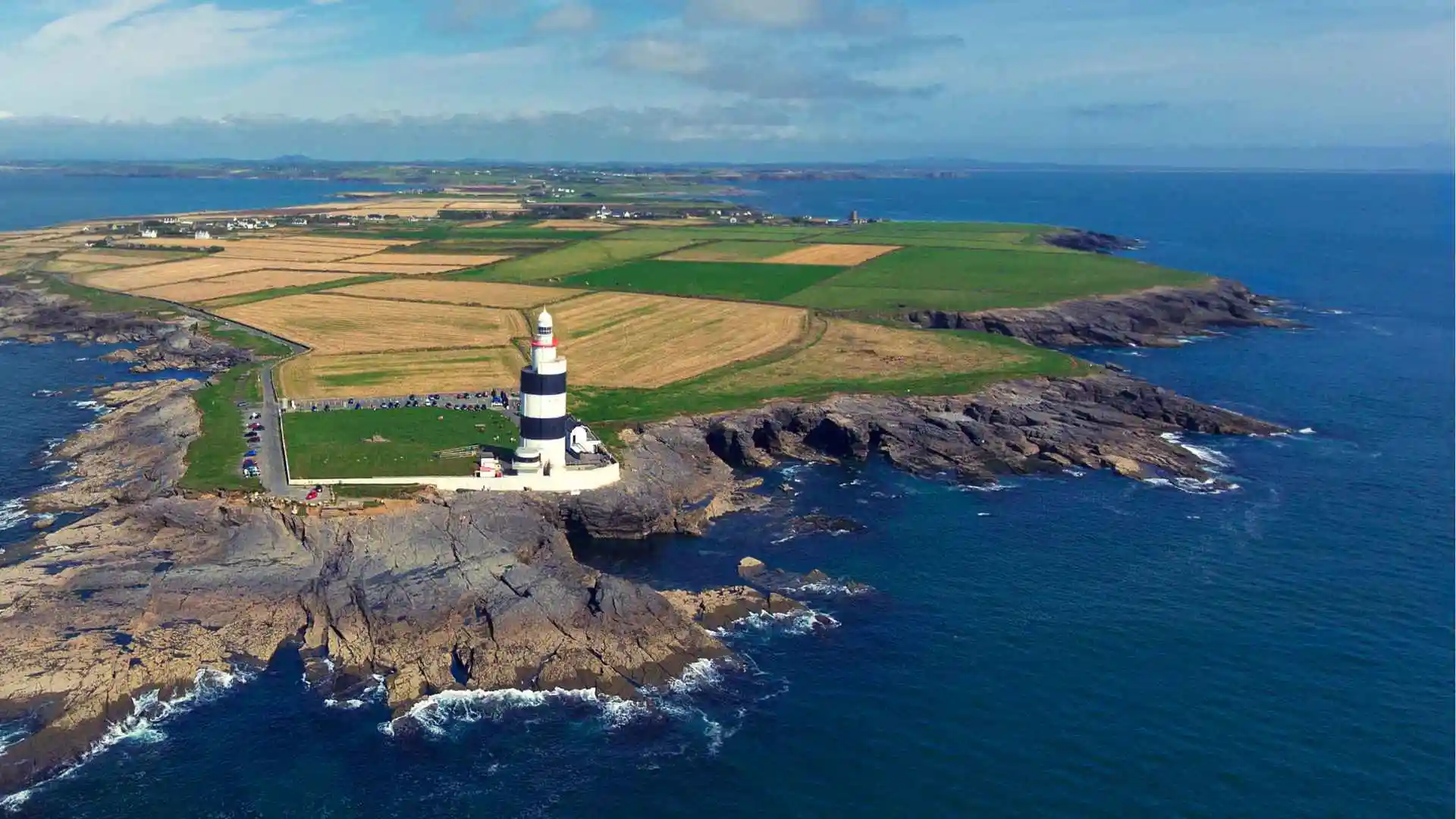
Looking for a more dramatic coastal drive without the touristy west coast of Ireland?
When planning a getaway to the sunny Southeast, there are lots of travelers that find themselves getting lost in the task of piecing together various historic sites into a logical day trip.
This article offers a beautifully arranged, geographically sound, itinerary around the Hook Peninsula with a perfect blend of iconic attractions and secluded local experiences.
Some quick need-to-knows about the Hook Peninsula
A few need-to-knows will help you plan your trip to the Hook Peninsula efficiently before you set out.
1. Location
The peninsula is located in the southwest corner of County Wexford in Ireland’s Ancient East. It is very easily approached from New Ross, Wexford Town and Rosslare via the main roads.
Looking for a quicker route to the coastline from Waterford City or Kilmore Quay? Take the regular Waterford Estuary car ferry.
2. An overlooked gem
While overseas visitors frequently rush straight to the Wild Atlantic Way, local holidaymakers know this area is a tranquil alternative. It provides sheer cliffs, functional fishing ports and vast heritage trails without the seasonal tour bus traffic.
3. Home to plenty to see and do
A small area boasting an incredible amount of variety. Within a 15-minute drive, you can leave the deep forests to walk through mediaeval ruins or relax in a sunny beer garden.
4. The Ring of Hook
This is the official, well-marked tourist circuit that follows the whole coastline of the headland. This is because, if you follow these specific road signs, you will automatically visit all the major viewpoints, without constantly checking your navigation.
About the Hook Peninsula
The low-lying limestone spit is the eastern limit of Waterford Harbour, where the River Barrow flows into the sea. It has a strategic location which has protected the communication lines to three major river valleys and, for this reason, has been a historic landing point over the centuries for various waves of settlers.
The Anglo-Normans, Cistercian monks and Viking fleets have all had their impact on this landscape. Today, this area is a dramatic juxtaposition of tranquil inland pastures and barren, dark Carboniferous rock shelves falling abruptly into the Atlantic.
Things to do on the Hook Peninsula
The best way to avoid any unnecessary backtracking is to go around the peninsula geographically. Begin with the monastic valleys, which are sheltered on the more distant land, and proceed to the exposed tip of the peninsula.
1. Hook Lighthouse
This historic lighthouse, perched on the craggy rocks to the south, is the world’s oldest surviving working lighthouse. Constructed more than 800 years ago by the famous Norman knight William Marshal, it remains an excellent example of mediaeval engineering.
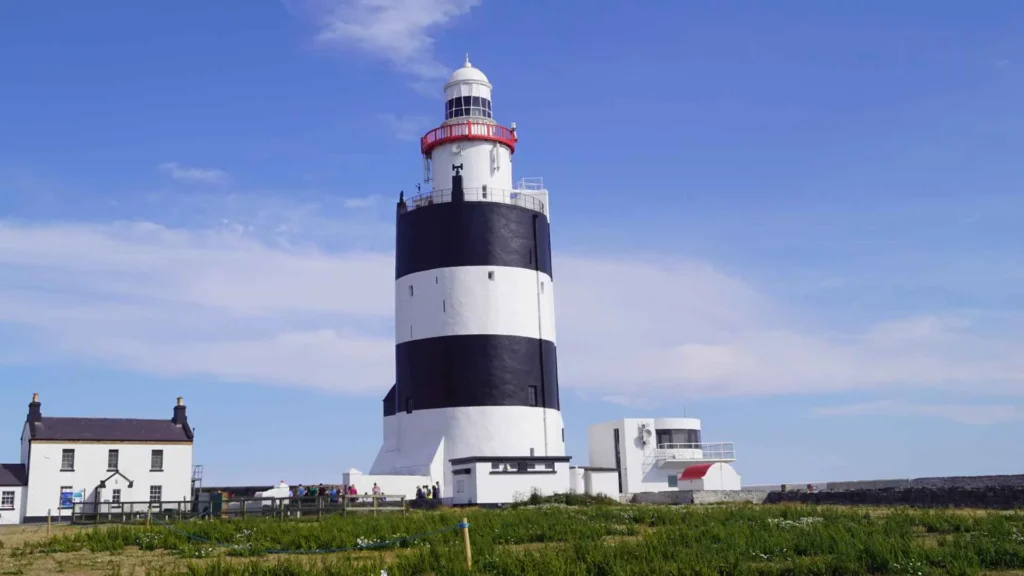
Excellent guided tours take visitors up the 115 thick stone steps and introduce them to the historical characters in costume and then out onto the high balcony where visitors can see across the water.
2. Loftus Hall
The large three-storey residence is also known as a haunted house that is renowned worldwide for its ghost stories and its local legend of visitors appearing in the house at night and family secrets.
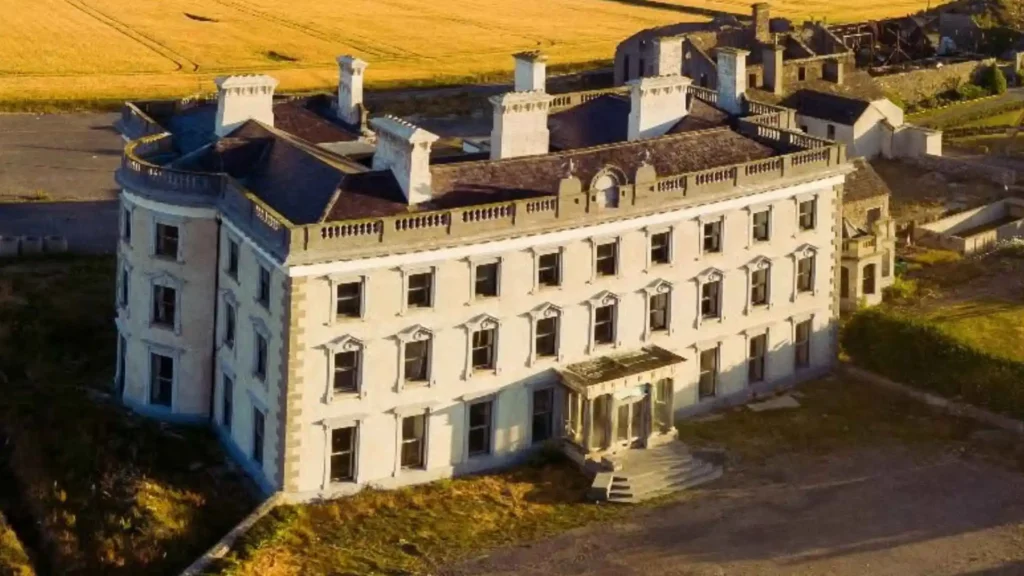
Visitor Update 2026: This estate has recently been sold and is currently being transformed into a luxury 22-bedroom boutique hotel and working farm. This is a huge project that is currently being implemented over a number of years. At this crucial stage in the development, traditional ghost tours on the premises are temporarily cancelled, but taking in the bleak, eerie silhouette of it from the perimeter road is still an interesting stop on your tour.
3. Duncannon Fort
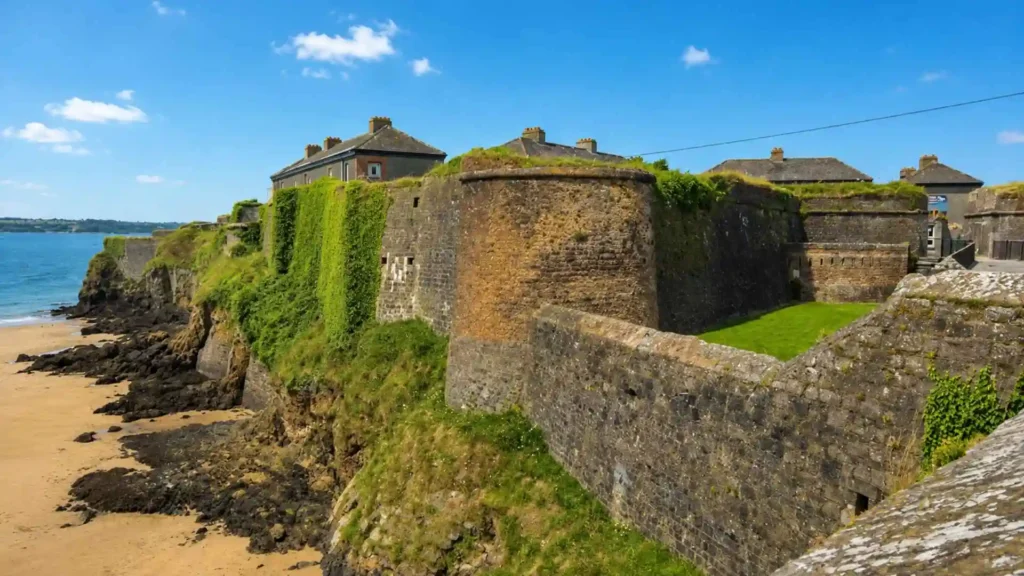
This star-shaped fortress, built in 1588, is on a rocky headland overlooking the estuary and is known as Duncannon Fort. It has been a key part of the Irish Confederate Wars and regional defence over several centuries.
4. Duncannon Beach
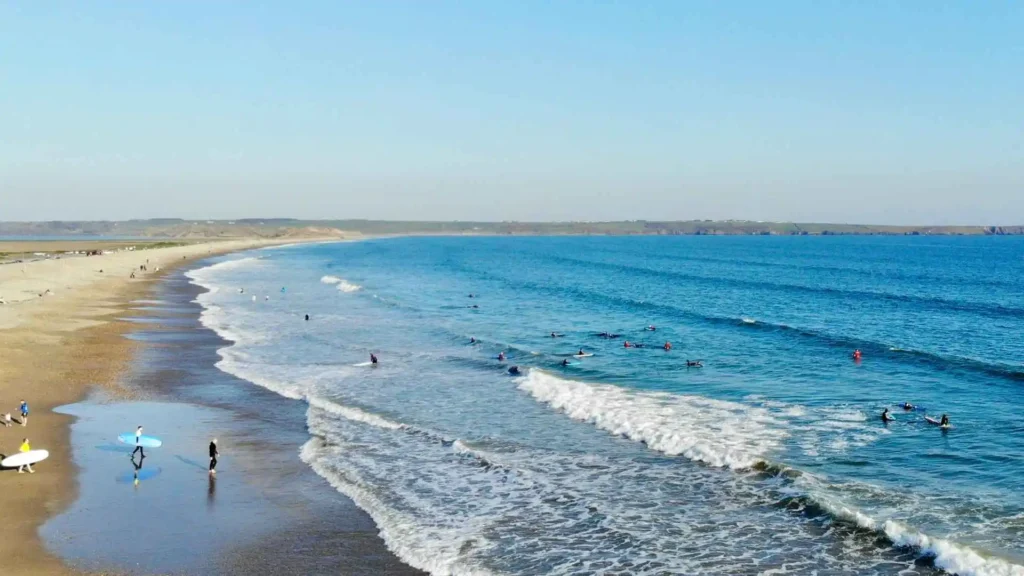
Just in front of the defensive fort walls is a large flat beach of white sand, Duncannon Beach. It is very popular for sea swimming, windsurfing and quiet walks in the evening.
5. Dollar Bay
A lovely sheltered, sandy cove out of the way of the main tourist routes. It is also believed, according to local lore, that there is a fortune in Spanish gold coins buried somewhere under its dunes from an 18th-century ship.
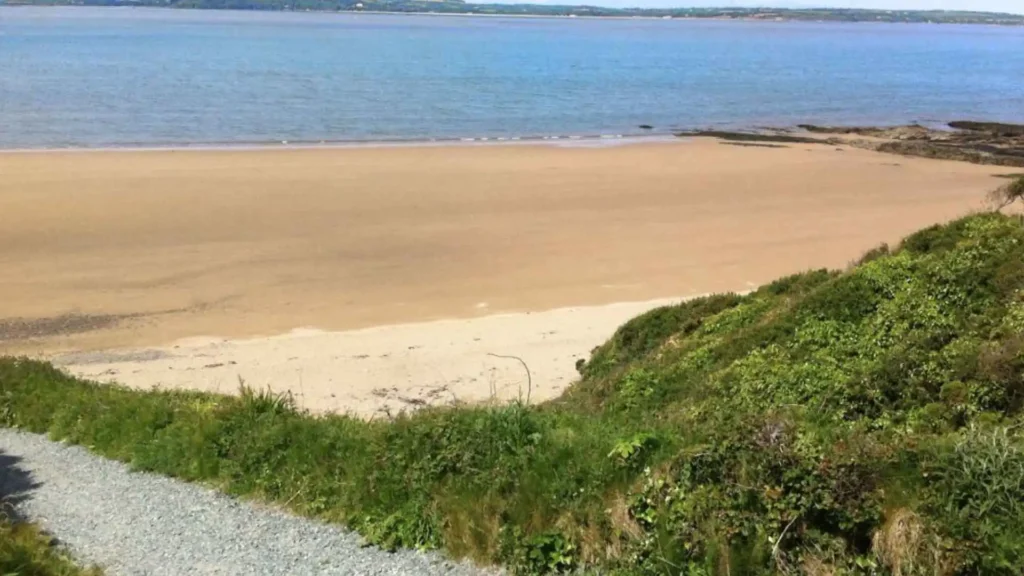
6. The Templetown Church Ruins
It is a historic site that was built in the 13th century by the Knights Templar. This strong and solid stone square tower remains a watchful sentinel over an old, weathered graveyard.
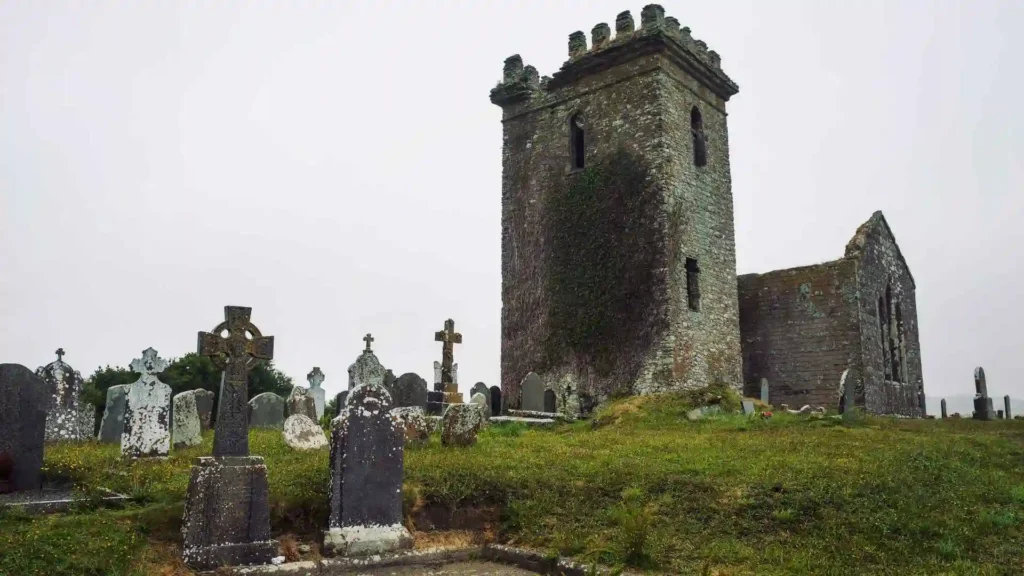
7. Churchtown Church
A short distance from the tip of the headland are these low stone walls that illustrate the early Christian settlements on these exposed cliffs.
8. Baginbun Head and the Martello Tower
This beautiful headland is the site of the first landing by the Anglo-Normans to consolidate the territory for the Earl of Pembroke (Strongbow) in 1170. Walk through scenic trails along the edge of the cliff and out to a well-maintained, defensive Martello Tower.
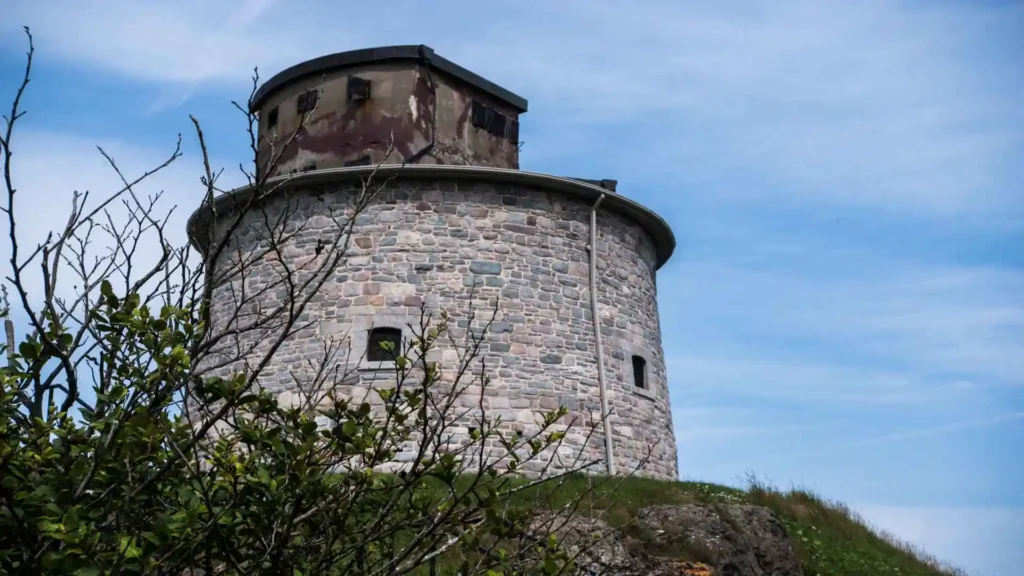
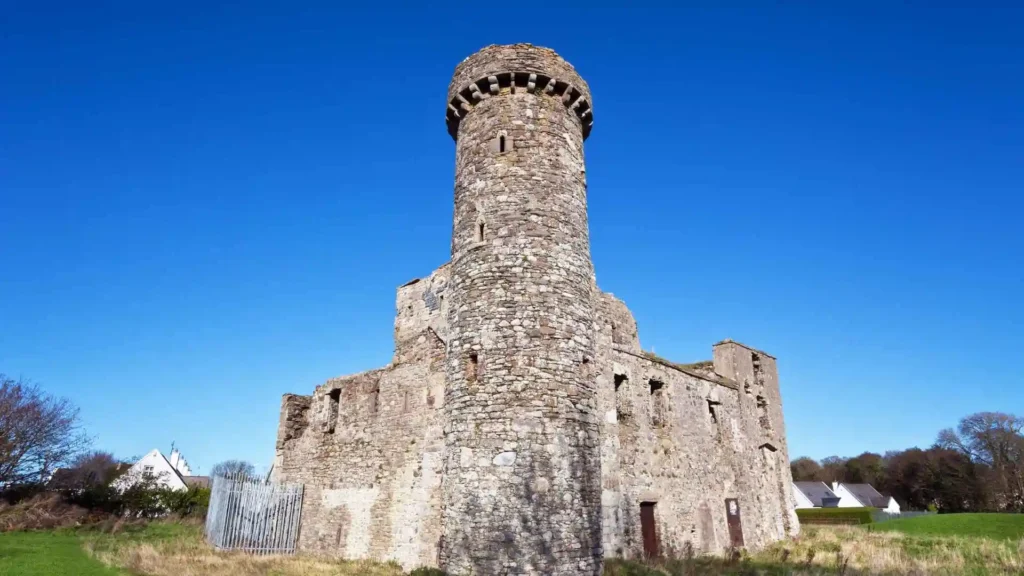
9. Fethard Castle
Located in the centre of the nearby village, these 15th-century remains were a fortified house for the regional bishops.
10. Saltmills Village
A very picturesque and tranquil seaside hamlet with a nice view of a quiet tidal inlet and traditional countryside living.
11. Tintern Abbey
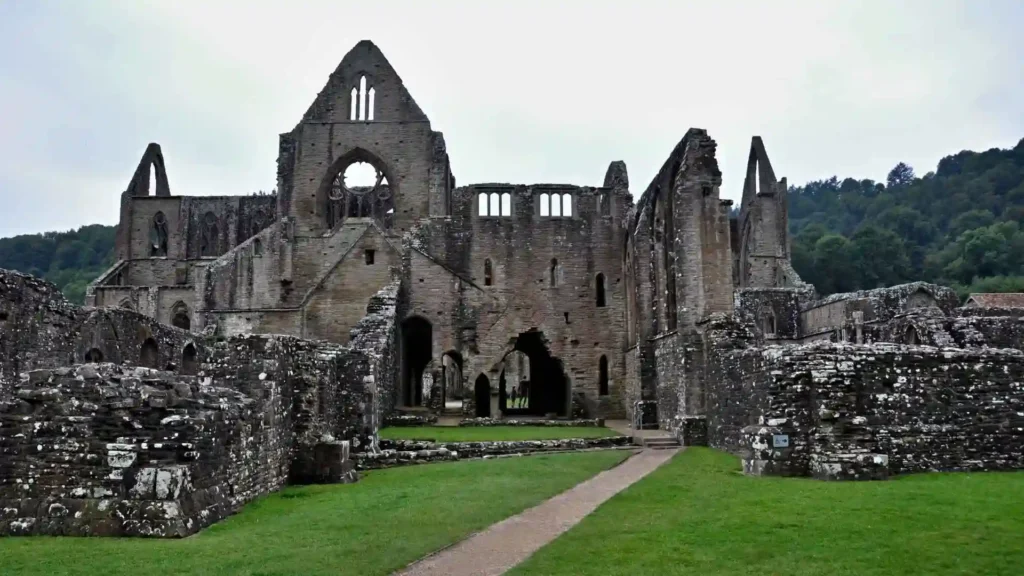
It was built in the Gothic style in 1200 by William Marshal, who survived a nearby storm while on his ship. It is possible to cross the stone Abbey Bridge, enjoy leafy walks and visit the Colclough Walled Garden, a wonderfully restored Georgian garden with old varieties of fruit and active brick-lined apiaries.
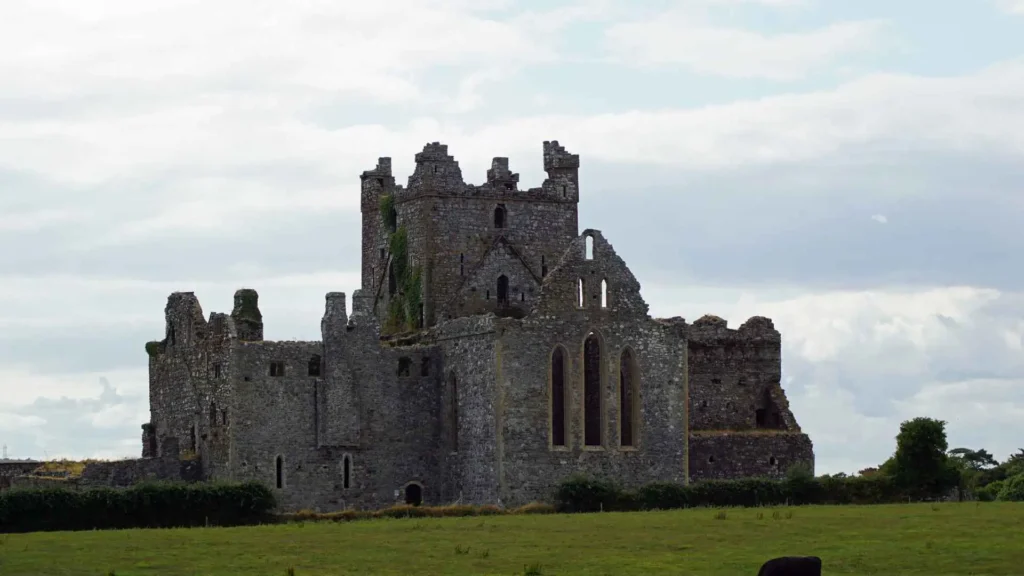
12. Dunbrody Abbey
This is one of the largest and finest vaulted stone interiors in Ireland, located down a quiet side road near Campile.
For children: It is a great place for family holidays with a massive, complex yew hedge maze, a traditional tea room and a craft shop.
13. Ballyhack Castle
The imposing tower house of the Knights Hospitallers, overlooking directly the crossing point of the ferry to Co. Waterford, dates from the 15th century.
14. Tours
Local operators offer wonderful sea kayaking adventures through the sea caves, heritage walks and seasonal boat tours along the coast for whale watching.
The Ring of Hook Drive
The most convenient method of linking these individual sights is to take the Ring of Hook drive, which is formally designated. This is a scenic driving loop which lets you tour the entire coast in a methodical manner without traversing the same road twice.
For a hassle-free day, visit an information booth to obtain a map or download the map markers onto your mobile phone before you head off. A tried and tested one-day plan is to go south along the west coast from Duncannon and Templetown in the morning.
This leads to the lighthouse for lunch on this rugged southern tip, with the rest of the afternoon spent taking the loop around to the east coast, past Baginbun Head and Tintern Abbey, and then back up to the north.
Where to eat in the New Ross and the Hook
Coastal exploration is a busy day that easily whets the appetite. The area boasts a few great places to eat that take advantage of locally grown and fresh foods:
Mannion’s Mount Elliott (New Ross): A great place to end or begin your loop, with excellent gastropub food and a seasonal menu.
Vine Cottage Bar (Saltmills): A traditional thatched-roof pub with a great outdoor eating area and a bright garden serving up great handmade burgers and loaded fries.
Henry’s Ice Cream (Campile): One of the most popular roadside attractions for families, they have some of the best ice cream in the country.
Where to stay on the Hook Peninsula
Those wishing to take a break during their trip can find good, comfortable lodging in the area, which is right on the coast.

1. Seashells B&B
Immediately overlooking the sand and a short walk to the beach, a very welcoming, highly rated bed and breakfast in the seaside town of Duncannon.
2. Baginbun Lodge
A new, highly comfortable lodge base in Fethard-on-Sea. Ideally equipped for tourists who prefer to travel alone and remain near the main paths and coastal walks along the cliff’s edge.