
What Is a Shamrock really? Symbolism, science & tradition
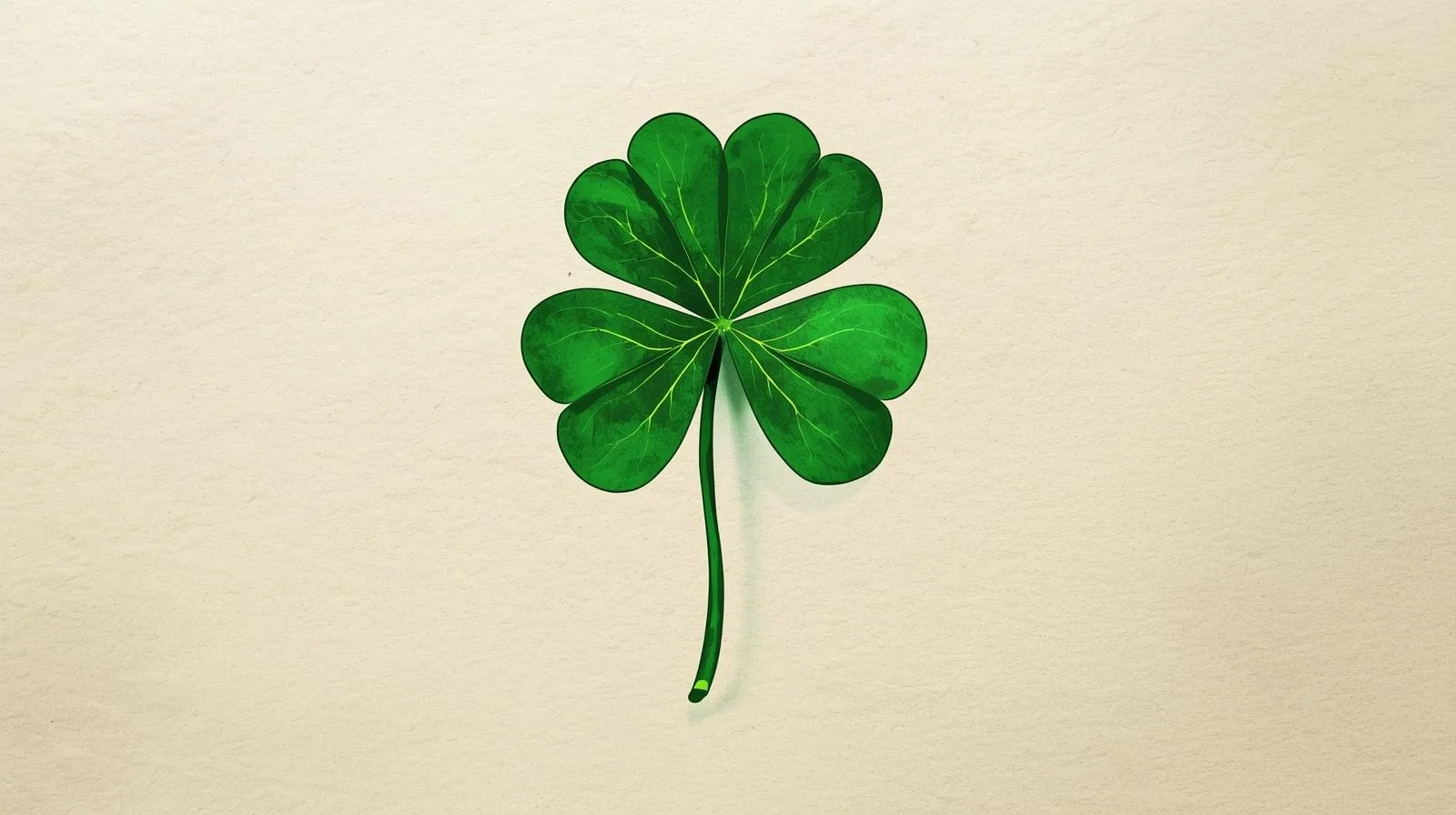
Traditionally, a small three leaf clover is known as a shamrock and is used as a symbol of Ireland. The term comes from the Irish word seamróg, which means little clover, and most commonly refers to white clover or lesser clover, both of which grow widely across Irish grasslands.
Although people often use the terms ‘clover’ and ‘shamrock’ interchangeably, a shamrock usually refers to a trifoliate, or three leaf, plant. There is still some botanical ambiguity about the exact species because ‘shamrock’ is a cultural term rather than a scientific classification.
Why is Shamrock a symbol of Ireland?
A mix of early religious tradition and later political identity made the shamrock one of the most recognised symbols of Ireland. It is widely believed that Saint Patrick used the plant’s three leaves to explain the Holy Trinity to pagan Irish communities, showing how the Father, Son and Holy Spirit exist as one.
By the 18th century, the shamrock had moved beyond religious meaning and became a symbol of national identity. During politically sensitive periods, wearing shamrock became a quiet but powerful expression of Irish pride. By the 19th century, it had joined the English rose and Scottish thistle as one of the recognised national emblems within the United Kingdom.
What plant is the real shamrock?
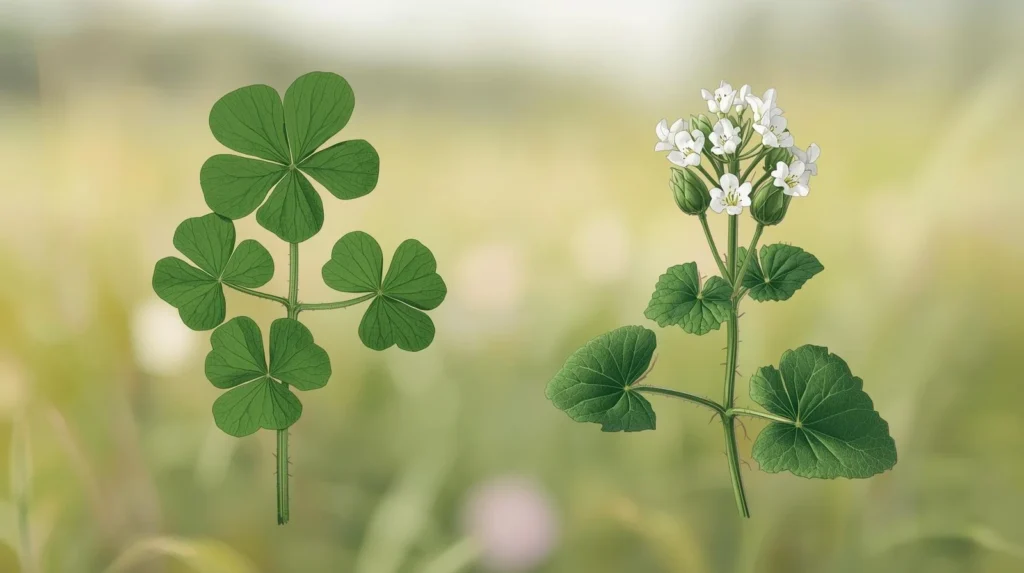
There is no single official species that can be called the real shamrock. In Ireland, the discussion usually centres on two plants, Trifolium dubium, known as lesser clover, and Trifolium repens, known as white clover. Botanical surveys in Ireland have often found that Trifolium dubium is the species most commonly identified as the traditional shamrock.
White clover is also widely sold in shops during Saint Patrick’s Day. The difference is often subtle, as young fresh shoots can look very similar across species, while mature clover plants appear broader and more developed.
How did the legend of the shamrock and St Patrick begin?
The connection between Saint Patrick and the shamrock is one of the best known Irish stories, although it belongs more to tradition than confirmed history. St Patrick left no written account from his own lifetime in the 5th century saying he used the plant as a teaching aid.
The first written references linking St Patrick with the shamrock only appeared in the late 17th century. Even without direct historical evidence, the story became firmly rooted in Irish culture and remains central to how the shamrock is understood today.
The difference between a shamrock and Four-leaf clover
The shamrock and the four leaf clover are often confused, but they represent different things. A shamrock has three leaves and is commonly linked with faith, hope and love, or with the Holy Trinity in Christian teaching.
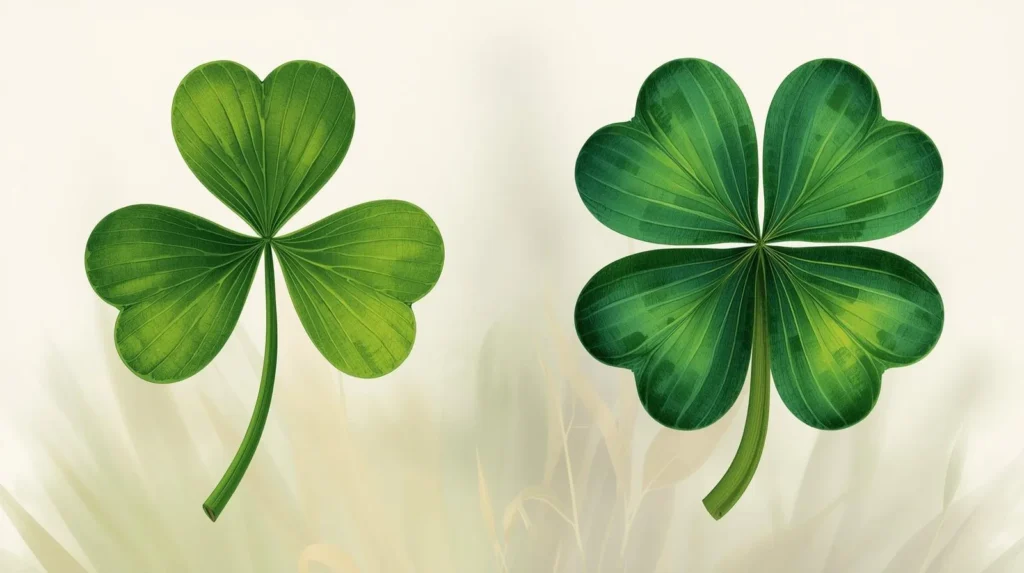
A four leaf clover is a rare natural variation of common clover. Because it occurs infrequently, it became associated with good luck in many cultures. The shamrock is specifically tied to Irish identity, while the four leaf clover is simply a rare botanical variation often mentioned in folklore.
How is Shamrock used in Ireland today?
The shamrock is now much more than a seasonal decoration. It remains an important part of Irish identity and appears on passports, sports badges, and the tail fins of Aer Lingus aircraft.
One of the best known modern traditions takes place at the White House each March. The Irish Taoiseach presents the President of the United States with a bowl of fresh shamrocks as part of the annual Saint Patrick’s Day diplomatic visit. This tradition reflects the long standing cultural and political relationship between both countries.
Shamrocks in Irish nature and Biodiversity
Beyond its symbolic value, the shamrock also plays an important role in Irish biodiversity. Clover species support pollinators such as bees by providing a reliable nectar source across meadows and grasslands.
The plant also improves soil health through nitrogen fixation, a natural process that enriches the ground without chemical fertilisers. This makes clover valuable in sustainable farming and supports native ecosystems across rural Ireland.
Quick facts about Shamrock in Ireland
- Etymology: The word comes from seamróg, meaning little clover.
- Tradition: A long standing custom called drowning the shamrock involves placing the plant in the final drink on Saint Patrick’s Day.
- Status: The shamrock is protected as an official national emblem by the Irish state in certain trademark and identity uses.
- Species: Trifolium dubium remains the species most often identified in Irish botanical studies as the traditional shamrock.