
Ireland Winter Packing List Guide: Accessories, Clothes & Footwear

Planning for a winter Ireland trip requires good decision-making, because rain, cold temperatures, and strong winds can happen unexpectedly. This winter Ireland packing list guide is here to help you get prepared properly. In this guide, you’ll find out what you should pack, including clothing, accessories, and important travel essentials for your Ireland winter visit. The weather changes unpredictably, which makes packing Ireland winter clothes challenging.
This guide explains everything clearly so you feel confident while exploring cities, countryside, and coastal areas. You will also understand common mistakes travellers make and how to avoid them during your trip.
Here, you will also find out what to explore, where to go, and it will also help you discover some of its major cities, towns, and beautiful landscapes.
By the end, you will have a complete Ireland winter packing list ready to have a successful journey.
Check Mark this Packing list
Tick off every essential and confirm everything is packed properly before heading out for your trip.
| Category | Items |
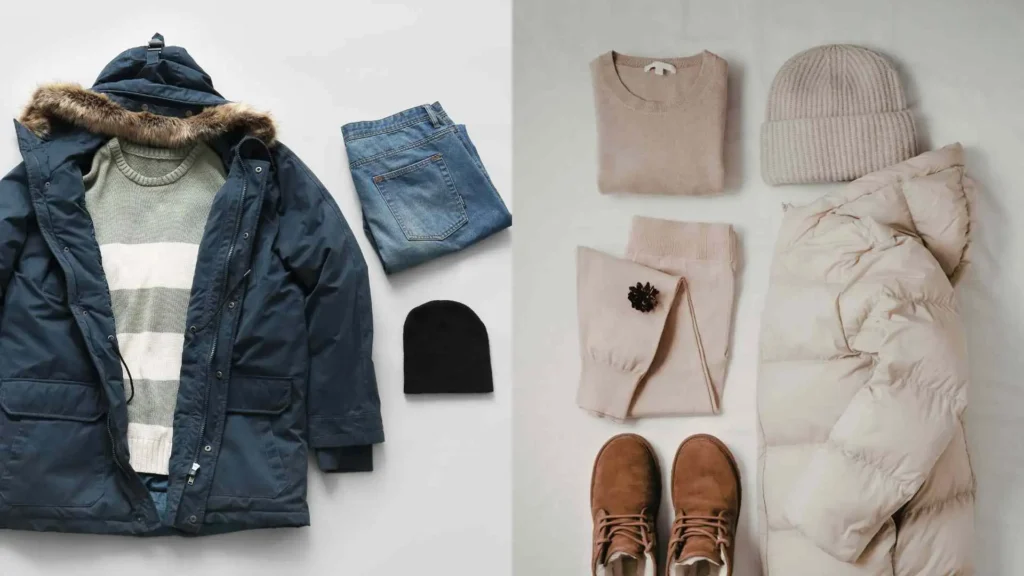
| Clothing | Waterproof jacket, thermal base layers, sweaters/fleece, jeans/trousers, thermal leggings, warm innerwear |
| Footwear | Waterproof walking shoes/boots, casual evening shoes |
| Socks | Thick warm socks, extra pairs of socks |
| Accessories | Wool hat, scarf, gloves, umbrella, rain cover for bag |
| Travel Essentials | Passport, travel insurance, day bag/backpack |
| Tech Items | Power adapter (Type G), phone charger, power bank |
| Personal Care | Lip balm, moisturizer, basic toiletries |
| Extras | Extra socks, reusable water bottle, snacks for travel |
Ireland Winter Weather Explained
Ireland’s winter weather is normally cold, wet, and windy with temperatures ranging from three to ten degrees. You will find light rain falling in Dublin while cold wind makes the weather feel colder. The weather along the coast such as Galway and the Wild Atlantic Way can be extremely windy which can make you feel very cold. The country receives rain very often, and you may experience several wet days during a single week of travel.
Even during bright and clear days, the air remains cold. The weather conditions change suddenly which means sunshine can turn into rain within a few hours. Because of this, it is important to pack the right clothes when travelling to Ireland during winter, summer, or any other season.
What to Wear in Ireland in Winter
To understand what you should wear or pack while visiting Ireland during winter, it is first to start with a simple and effective layering system for changing weather. The following section provides an easy-to-follow guide on what to wear in Ireland in winter.
- Base layer: Choose thermal shirts or long-sleeved shirts to stay warm all day.
- Mid layer: Put on sweaters or fleece jackets that will provide insulation against cold temperatures in Ireland.
- Outer layer: You should always wear a water-resistant coat to avoid rain or harsh winds.
- Layering benefit: Adjusting layering techniques help you easily adapt to different temperature changes throughout the day.
- Bottom wear: You can wear jeans or trousers and thermal tights in case of lower temperatures.
- Footwear: You need to have waterproof walking shoes or boots due to wet streets that can ruin your normal shoes.
- City clothing: The Irish cities allow you to dress comfortably anywhere.
- Countryside wear: Clothes in the countryside require you to wear more layers and wind-proof clothes due to windy weather.
- Evening outfit: You can wear a simple smart dress for dinner or pubs.
- Comfort priority: You should always consider comfort over fashion while preparing winter clothes.
Complete Ireland Packing List for Winter
Below you will find all the essential clothing items, accessories, travel essentials, and important documents.
Clothing Essentials
that are warm, waterproof, and versatile to adapt to changing weather situations. Layering your clothes appropriately will help you to stay comfortable as you explore the towns and countryside and coastal areas.
Waterproof Jacket: It is very important that it helps you keep protected from frequent rain and sudden Irish showers that can happen anytime.
Thermal Base Layers: These will help you maintain body temperature and keep your body warm despite the low temperatures.
Sweaters or Fleece Jackets: They act as a layer of insulation, but they can also be removed whenever you enter indoors.
Jeans or Trousers: Great to wear on a daily basis, and you can include thermal pants under them whenever the temperatures drop.
Waterproof Shoes or Boots: Essential to protect feet from wet streets, muddy paths, and countryside walking
Casual Shoes: Carry an optional pair to use when visiting restaurants and relaxing indoors.
Thick Warm Socks: To ensure your feet are comfortable as you explore outside for long hours during winters.
Always choose layered and waterproof clothing to stay comfortable in Ireland’s changing winter weather.
And if you are planning to visit during the summer season, here is your Ireland packing list for summer.
Accessories You Should Not Skip
Irish winter accessories may look small, but they have great significance in ensuring that your body feels comfortable in windy and cold conditions. Not only do these small accessories provide protection from wind, rain, and cold, but they also make your life much easier while travelling.
Wool Hat: This hat keeps your head safe from wind, particularly at coastal locations such as the Wild Atlantic Way.
Scarf: It offers extra warmth for your neck area and serves as a barrier to cold air in windy Irish weather conditions.
Gloves: You need to carry gloves as a precaution when the temperature drops.
Umbrella or Waterproof Hood: An umbrella serves its purpose well in light rains, but for strong winds rainproof hood is more functional.

It is crucial to include these small accessories in your Irish winter travel package to make your travelling experience smooth and comfortable.
Travel Essentials and Documents
Ireland travel essentials include important documents and practical items that help make your journey smooth and stress-free. These items ensure you are fully prepared for travel, safety, and daily convenience during your trip.
Passport: A passport is mandatory, and one must make sure that their passport is still valid before starting a journey to Ireland.
Travel Insurance: It is highly recommended to purchase travel insurance to protect oneself from any emergencies that might arise during the trip.
Power Adapter: It is essential to carry a power adapter due to the difference in electrical plugs in Ireland and most countries.
Day Bag: A small day bag helps you carry water, snacks, extra layers, and personal items while exploring.
Keeping all travel essentials well organised ensures a smooth, stress-free, and enjoyable experience across Ireland, especially when you are using Dublin Pass for free entry to major attractions.
Packing for Different Activities in Ireland
Ireland winter packing tips totally depend on your activities that you plan to do during your trip while exploring the different regions. Each destination may require you to pack slightly different clothing. Therefore, you need to ensure you keep warm and cosy to stay prepared.
1. City Trips (Dublin and other cities)
- Wear comfortable walking shoes for long city walks and sightseeing.
- Use warm layered clothing to adjust easily between indoor and outdoor places.
- A waterproof jacket is useful because light rain can happen anytime.
2. Hiking Trips (Connemara and nature trails)
- Use waterproof hiking boots for muddy and wet trails like the ones in Connemara National Park.
- Wear strong outer layers that protect you from wind and rain.
- Add thermal layers to stay warm during long outdoor walks.
3. Countryside Drives (Killarney and rural areas)
- Pack warm clothing because open areas can feel much colder quickly.
- Keep a windproof jacket ready for sudden weather changes.
- Layer clothing so you can adjust temperature during stops.
4. Coastal Walks (Wild Atlantic areas)
- Wear windproof jackets to protect against strong coastal winds.
- Use warm base layers because wind can make temperatures feel colder.
- Choose sturdy shoes for rocky and uneven coastal paths.
5. Indoor Activities (Pubs, restaurants, museums)
- Casual clothing works perfectly for indoor places in Ireland.
- No formal outfits are needed for most restaurants and pubs.
- Keep a light jacket for walking between indoor and outdoor spaces.
It is always important that you pack according to your schedule of things to do. The better knowledge you have about what you are going to engage in, the better you can pack for your trip.
What Tourists Forget to Pack for Ireland Winter
It is surprising how often travellers forget to pack things that could make their trips hard and risky. The waterproof boots are an example which travellers overlooked, but they are essential for walking comfortably in wet conditions. Additional pairs of socks are also another item that come in handy if travellers find that their feet are uncomfortable during long outings.
Some more things, like a portable charger, people forget, which helps you to charge electronic devices when travelling over long distances and while exploring nature. Also lip balm and moisturiser are very often people forget, but these are helpful, as winter winds can quickly cause dry skin.
Carrying these little things will make your trip much more comfortable.
Month by Month Packing Differences
Below you will find a list of month-by-month guides from January to December that will help you understand the weather situation during that month. It will also allow you to pack accordingly to avoid issues.
| Month | Weather Conditions | Packing Focus |
| January | Coldest month, strong winds, low temperatures | Heavy insulation, thermal layers, waterproof gear |
| February | Cold but slightly improving, still wet and windy | Warm clothing with flexible layering |
| March | Cool, less harsh winter feel, frequent rain | Light winter layers + waterproofs |
| April | Mild but unpredictable, mix of sun and rain | Light jackets, layered clothing |
| May | Warmer, spring conditions, occasional rain | Light sweaters, breathable clothing |
| June | Mild to warm, longer daylight hours | Light clothing + thin jacket |
| July | Warmest month, occasional showers | Summer clothing with light layers |
| August | Warm, slightly rainy at times | Summer outfits, light waterproof jackets |
| September | Cooler, early-autumn feel, more rain | Light layers, warmer jacket |
| October | Cold returns, frequent rain and wind | Warm layers, waterproof clothing |
| November | Cold, wet, short days | Winter clothing |
| December | Cold, festive, frequent rain and wind | Heavy winter layers, waterproofs |
Final Packing Tips for Ireland Winter Travel
Ireland winter travel tips help you pack smart, save space, and stay ready for changing weather conditions. These simple tips will make your packing easier and your travel experience more comfortable.
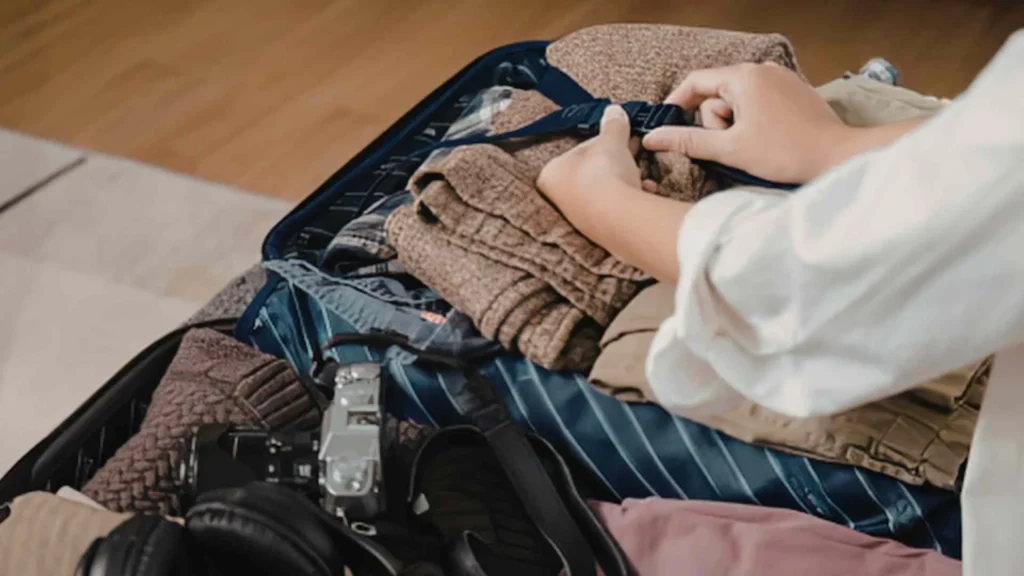
- Use layering instead of heavy clothing to reduce luggage weight and stay flexible during your trip.
- Roll your clothes to save space and keep your suitcase neat and well organised.
- Always check the weather forecast before travelling so you can adjust your packing plan.
- Choose versatile clothing that works for both outdoor sightseeing and indoor activities.
- Pack only essentials to avoid overpacking and make your luggage easier to carry.
Being well prepared ensures a comfortable, stress-free, and enjoyable experience while exploring Ireland in winter conditions.
Conclusion
Making the right packing decisions while travelling in Ireland during winter is quite simple if you know how to pack according to the weather conditions. The need to pack according to the cold weather, rains, and wind calls for the adoption of a strategic and smart method of packing. You will be able to be comfortable by adopting some layering techniques and using protective equipment such as waterproof jackets and necessary accessories. With the right preparation, Ireland in winter becomes a beautiful and memorable travel experience.