
O’Connell Street Dublin attractions | What to see & do
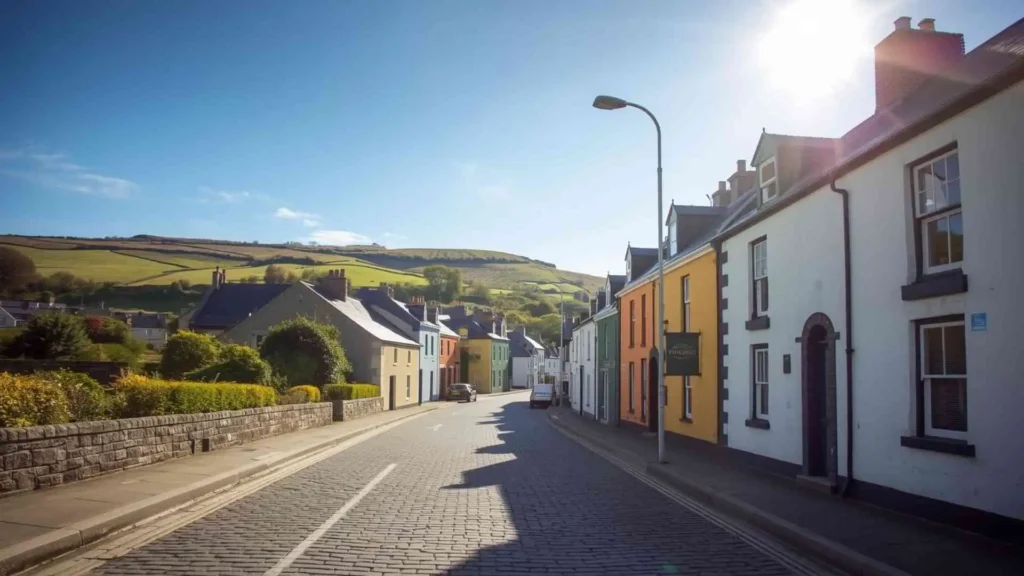
O’Connell Street is the physical and symbolic heartbeat of Dublin. As the main street of Dublin, it links the south side to the northside via O’Connell Bridge. It extends between the River Liffey and Parnell Street. In places, it gives the city a sense of majesty that contrasts with the narrow medieval streets of Europe.
Visitors will find the street easy to navigate. It is the main node of the transport network of the city, where the Luas (Green and Red lines) intersect or go across, and almost all the main bus routes go through its stations. If you arrive from the airport or commute from the suburbs, you will likely find yourself standing beneath its towering monuments.
In this guide, we’ll learn the history of O’Connell Street, the best attractions and monuments to visit, the best places to shop and have a meal. We’ll also share practical travel tips to help you plan your visit smoothly.
A Short History
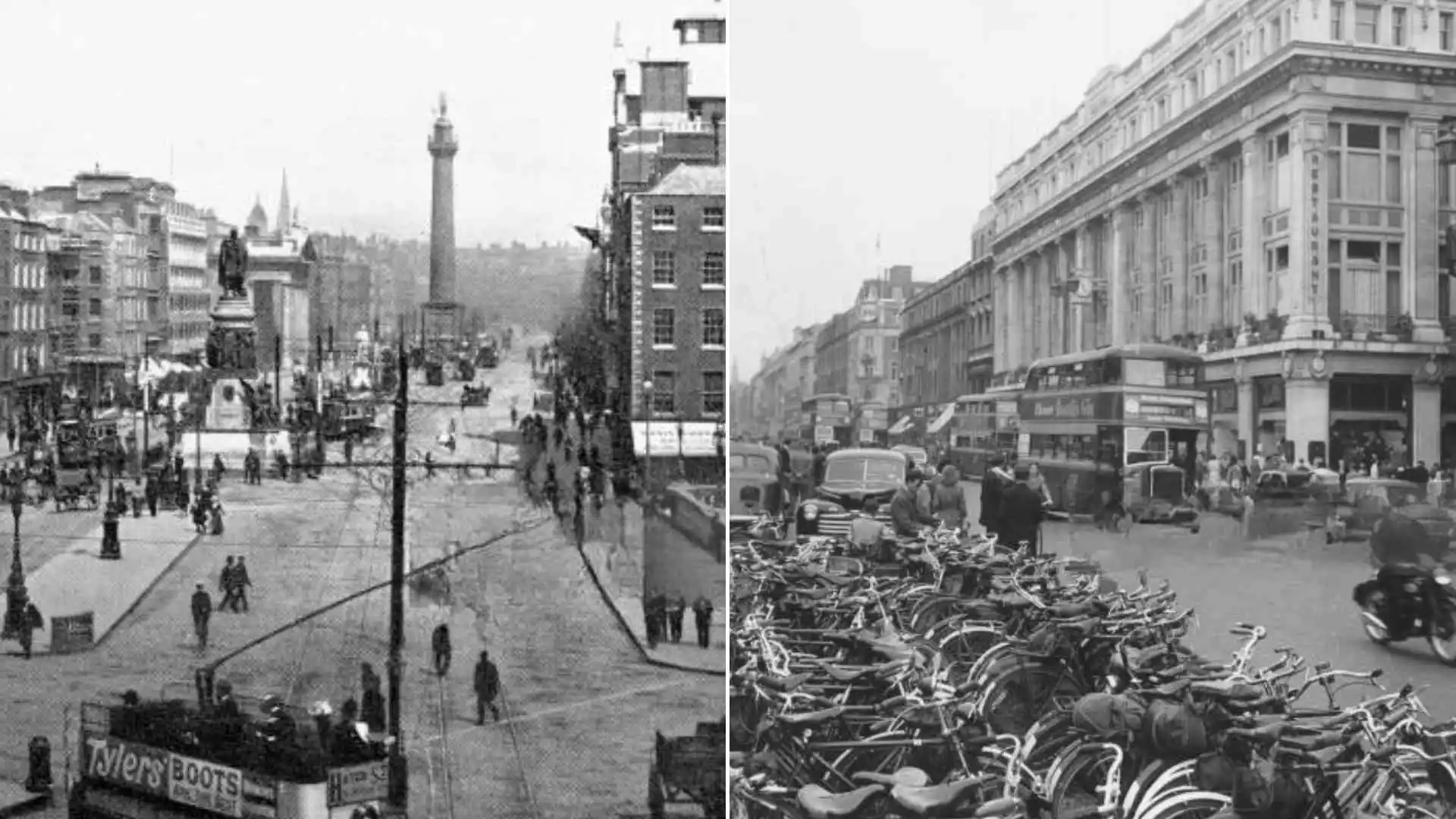
O’Connell Street reflects Ireland’s revolutionary past. It was first laid out in the 18th century and was not always known by its present name.
It developed from Drogheda Street and was later enlarged and redesigned as Sackville Street by the Wide Streets Commission. It was to be a purely residential and business quarter of the high society in the city with beautiful Georgian architecture.
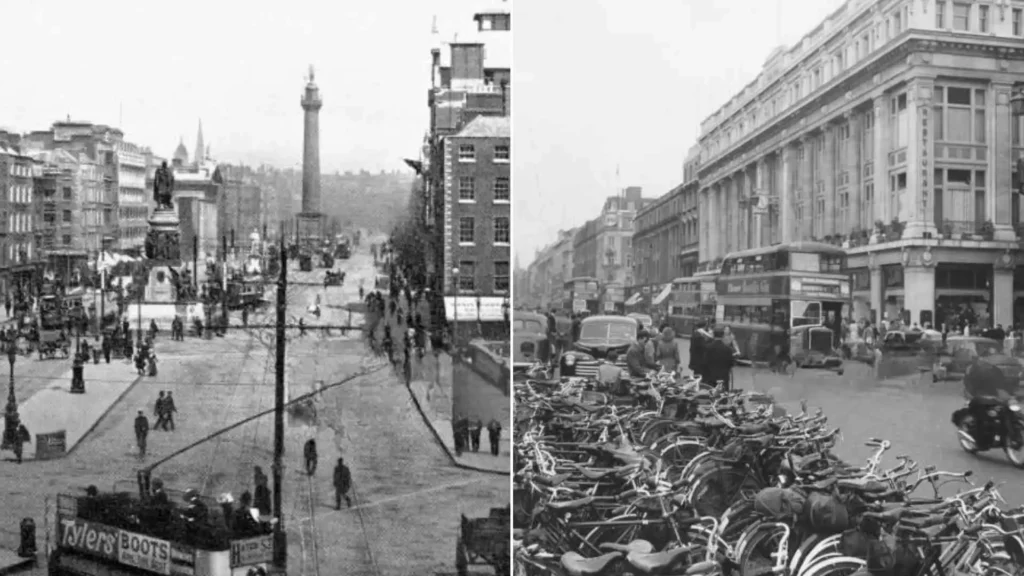
Nevertheless, the street is best known as the place where the Easter Rising of 1916 took place. It was at the General Post Office that the Proclamation of the Irish Republic was read out. It sparked events that would eventually lead to Irish independence.
The aftermath of the Irish Civil War left it in ruins. The rubble of the great structures was an ugly reminder of what it takes to be free.
In 1924, it became formally named O’Connell Street in memory of Daniel O’Connell, The Liberator, whose massive bronze statue oversees the bridge.
The architecture changed during reconstruction in the 1920s and 1930s and was no longer purely Georgian. It was a blend of Neo-Classical and Art Deco. Nowadays, when you stroll along the boulevard, you can feel Irish persistence with bullet holes in statues to bear witness to the revolutionary history of the street.
Top Landmarks and Monuments
Here are some of the famous landmarks and buildings located on the street.
The General Post Office (GPO)
It is probable that the GPO Dublin is the greatest building in the history of Ireland. It was built in the year 1818 in the Greek Revival style, with its enormous Ionic columns taking over the streetscape. In addition to being used as a working post office, it was the base of rebel leaders in the time of the 1916 rising.

Visitors are currently offered a GPO museum tour (GPO Witness History) to experience an immersive exhibit regarding the rebellion. You will find the marks of the bullet holes imprinted on the exterior columns. If you look closely, you can still see the marks of the heavy gunfire fired in the course of a century ago. It is an impressive icon of the Irish state’s birth.
The Spire of Dublin
The Spire of Dublin rises 120 metres into the air, where Nelson Pillar was previously erected before it was detonated in 1966.
This contemporary structure has a stainless steel, needle shaped design with a 3 metre base that tapers to a narrow tip which reflects light at night.
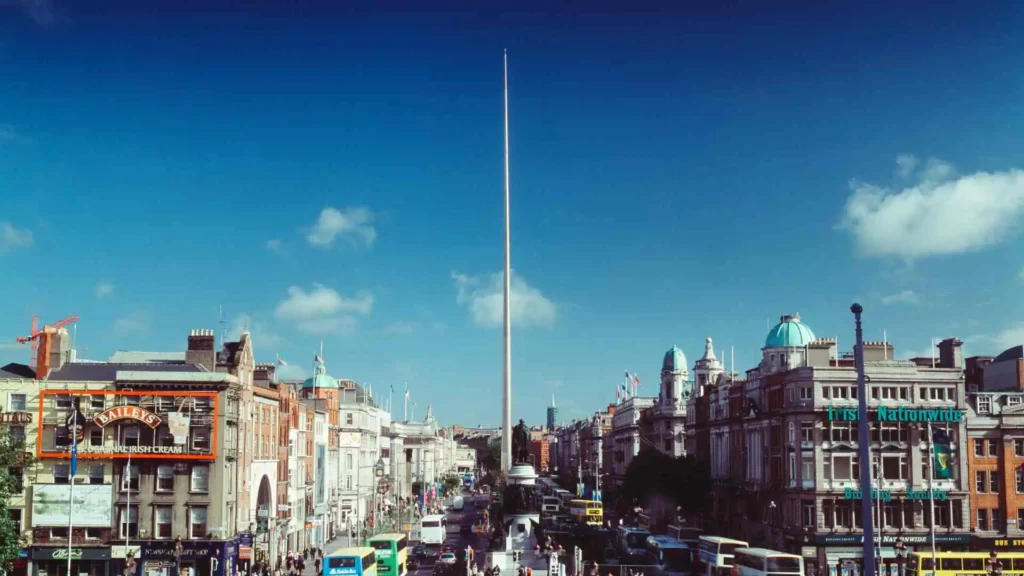
For visitors, the Spire acts as a clear reference point in the city centre. In case you ever lose your way in the city, simply look up, and what you will see is the Spire, and then you will know the whereabouts of the centre.
O’Connell Monument (Daniel O’Connell Statue)
At the southern end stands the O’Connell Monument, a commemorative tribute to the man who fought for Catholic Emancipation. Four winged Victories, the symbol of Patriotism, Fidelity, Eloquence and Courage, are around the Daniel O’Connell statue.
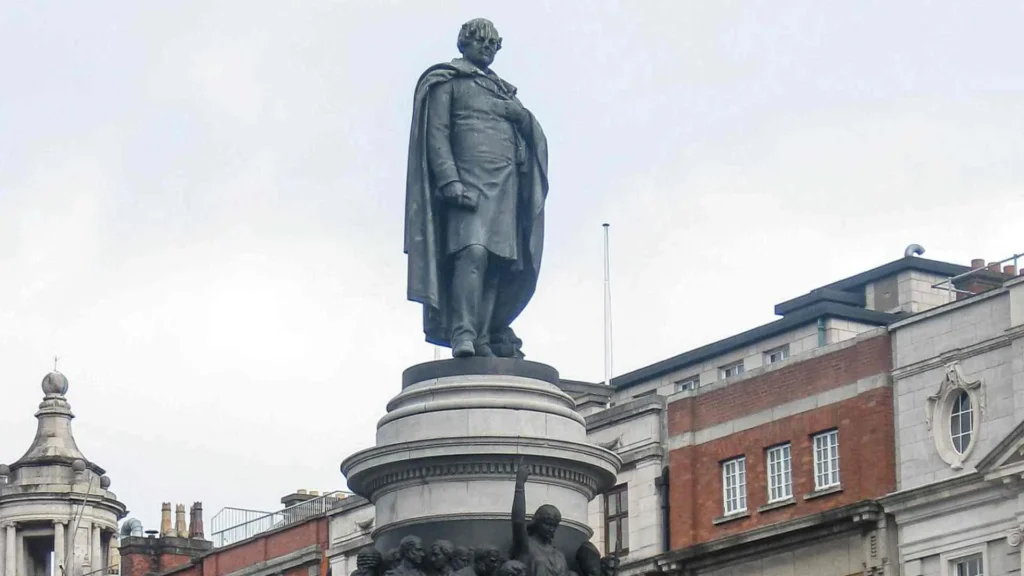
Just like the GPO, the marks left by the Civil War are also visible on the monument. The eagle-eyed tourists usually seek out the bullet holes in the arms of the bronze angels.
Other Statues
O’Connell Street can be described as an open air gallery of Irish political history. On walking north, you will find monuments on O’Connell Street commemorating:
- Charles Stewart Parnell: At the very top of the street is Charles Stewart Parnell. It is termed as “Uncrowned King of Ireland”.
- Jim Larkin: The labour leader, who was popularly portrayed with his hands up in a call to action to workers.
- Sir John Grey: The man who introduced clean water to Dublin.
- Father Theobald Mathew: The “Apostle of Temperance.” All the statues provide an insight into the various social and political movements that influenced the country.
Things to Do Around O’Connell Street
O’Connell Street offers a range of activities for visitors.
Walking and Architecture
A mere stroll around Dublin in this avenue shows concealed architectural wonders. Close to the monuments, there is the Gresham Hotel, a citadel of worldly luxury and the clock of Clery. It has been a generations-old meeting point of Dubliners. It’s the width of the street that makes it one of the best locations in the city to enjoy the urban planning in the 20th century.
Shopping and Cafes
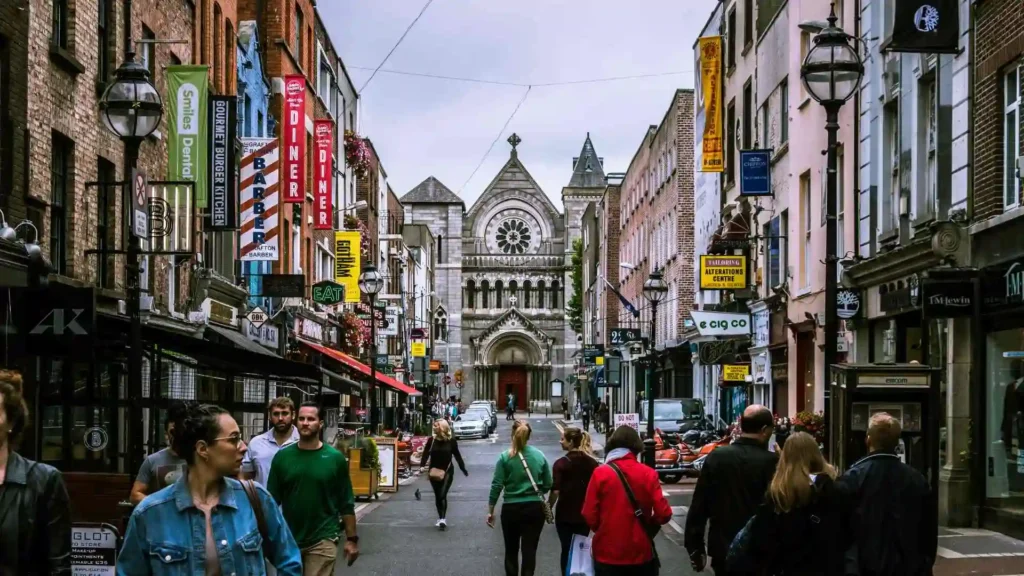
O’Connell street has a mixture of high-street direct competitors and local staples. Most prominently, it hosts a huge Penneys (Primark), which is a must-visit place for many tourists. In between the stores are a few traditional and modern-day cafes. There, you can grab a quick espresso and enjoy the streets.
Cultural Attractions Nearby
A very close walk to the main drag will bring a number of Dublin attractions around O’Connell Street. You can also walk south towards Dublin Castle, one of the most important historic sites in the capital.
To the north is Parnell Square, where the Dublin City Gallery, The Hugh Lane, the Dublin Writers Museum and the tragic Garden of Remembrance, in honour of those who died in the struggle to free Ireland, are found.
Several of these spots are also featured in our guide to free things to do in Dublin if you are exploring on a budget.
Tours and Experiences
To those looking to see the sights with a guided approach, there are numerous walking tours of Dublin which commence at the very bottom of the Spire. In particular, the Yellow Umbrella walking tour is a good option among tourists. It offers a historical overview of the city, high-energy, and at a low price, beginning in the very shadow of the Spire.
Best Pubs and Food Nearby
O’Connell Street is a business district, but its side lanes are full of the best restaurants that the city of Dublin possesses. Flanagan’s is the typical place to eat traditional Irish food in the middle of the street.
In order to have a little touch of the old Dublin atmosphere, go to Madigan on North Earl Street or take a short walk to Mulligan on Poolbeg Street, which is widely recognised all over the world to serve one of the best pints of Guinness in the city. These pubs in O’Connell street are the best way out of the noise in the city. You can explore more in our guide to the best pubs in Dublin.
Practical Visitor Tips
These are the O’Connell Street travel tips that you should remember in order to maximise your trip:
- Transport: Take the Luas green line, and arrive at St. Stephen Green, or Red line and arrive at Smithfield and Heuston Station.
- Time of the year: During the day, the street is the busiest. When the number of people is minimal at the earliest time in the morning, it is more suitable to snap photos of the monuments.
- Security: As in any reputable city centre, watch your surroundings and be careful with your property, as the place can get very busy.
- Accessibility: The majority of the street is a level place with wheelchair access. The Dublin Tourist Information centre is on the right of Upper O Connell street and will help you out with maps and tips.
Conclusion
The revolutionary resonance of the history of O’Connell Street or the people just need to feel the vitality of the present-day Dublin main street. This avenue is a must-visit destination. Here, there is a contrast between the statues of the 19th century in the shadows of 21st century Spire.
The visit to this place, along with the rest of the galleries and pubs located nearby, will make you see the whole picture of the Irish capital. One can never visit Dublin without having to stand in the centre of O’Connell Street and feel the vibe of the city.