

St. Patrick’s Cathedral: History, Architecture & Visitor Info
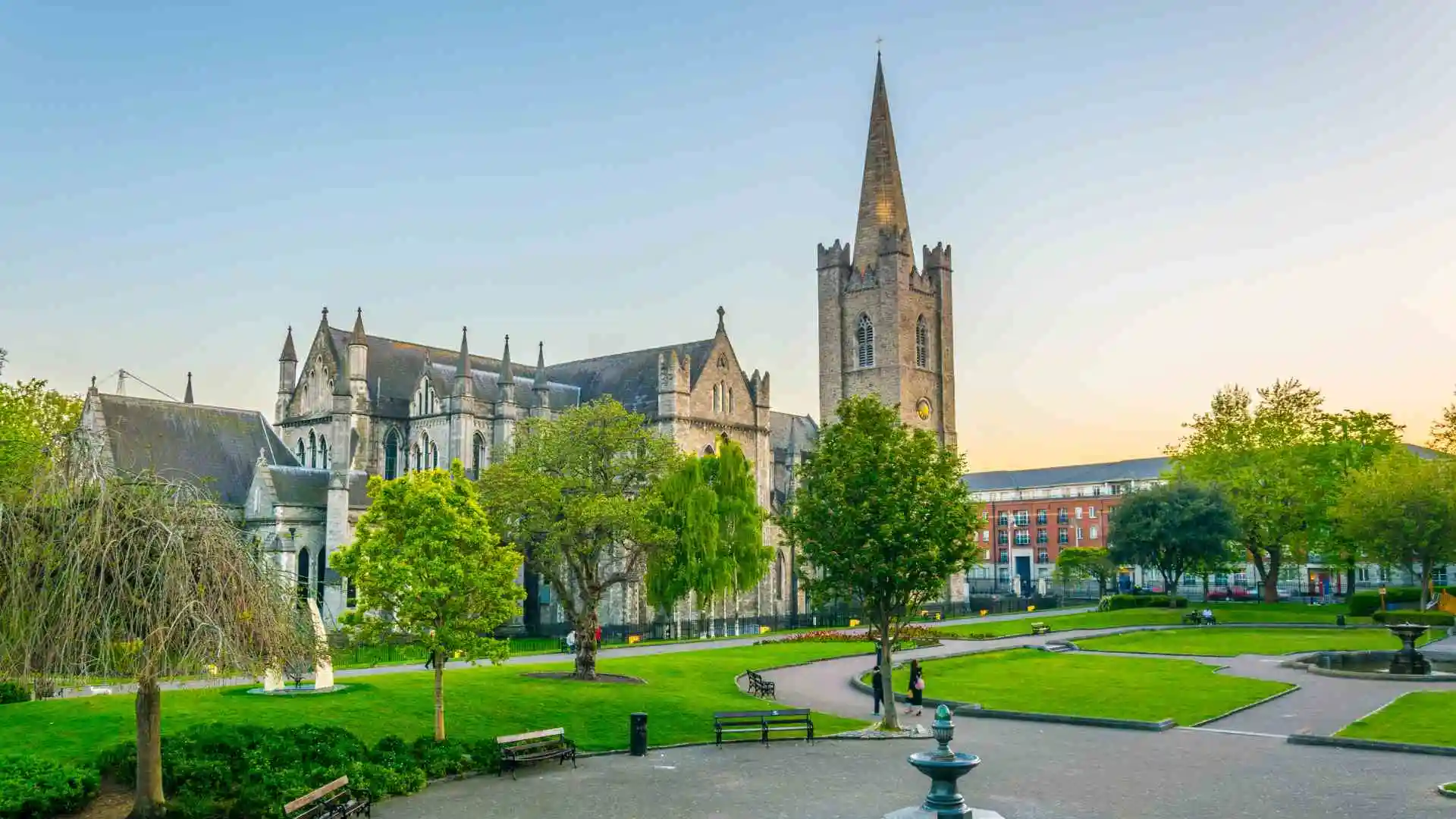
St. Patrick’s Cathedral is Ireland’s largest church and a powerful symbol of Ireland’s religious and cultural history. It is located in the heart of Dublin. It is believed that the church is located at a point where Saint Patrick used to baptise Christians. So the place holds spiritual significance. Being the largest church, it is not just a place of worship but also a historical attraction drawing a large number of visitors.
Saint Patrick Cathedral has a fascinating history through centuries of Irish heritage. Moreover, apart from its historical value due to its important role in national events, every corner of the church has a story to tell. This blog will walk you through the history, architecture, and visitors’ information to make the most of your visit. You can also discover more about nearby attractions and places by reading our guide What To Do in Dublin For a Day!
Opening Times and Ticket Prices
Below you can find the latest opening timings and admission details for Saint Patrick’s Cathedral in Dublin.
Opening Times
Mon-Fri: The opening times are 9:30-18:15 (last entry at 17:00)
Saturday: 9:00-18:00
Sunday: 9:00-2:30
Ticket Prices (General admission / Self-guided)
- Adults: €10.00
- Students/Seniors: €9.00
- Child: €4.50
- Infant: Free entry
- Family Ticket: € 28
Guided Tours & Discounts
- Free guided tours are available from Monday to Saturday at different hours of the day.
- For larger groups to have guided tours, you have to book in advance online.
Where to Buy Tickets
You can purchase tickets online via the Cathedral’s Official Ticket Portal.
Peak Hours & Queue Advice
During weekends and tourist seasons, crowds are very common. In order to avoid delays, you need to book online via the Saint Patrick Cathedral’s Official website.
You can also check the Dublin Pass if you want faster entry at popular Dublin sites.
Why the Cathedral Matters
St. Patrick’s Cathedral holds a central significance in Ireland’s cultural and religious history. In fact, the cathedral plays a pivotal role in understanding the city and the nation. St Patrick’s Cathedral‘s history dates back to the 12th century. It was built near a sacred well, where the saint used to baptise Christians. This is the reason that the cathedral is more than a building and holds spiritual significance.
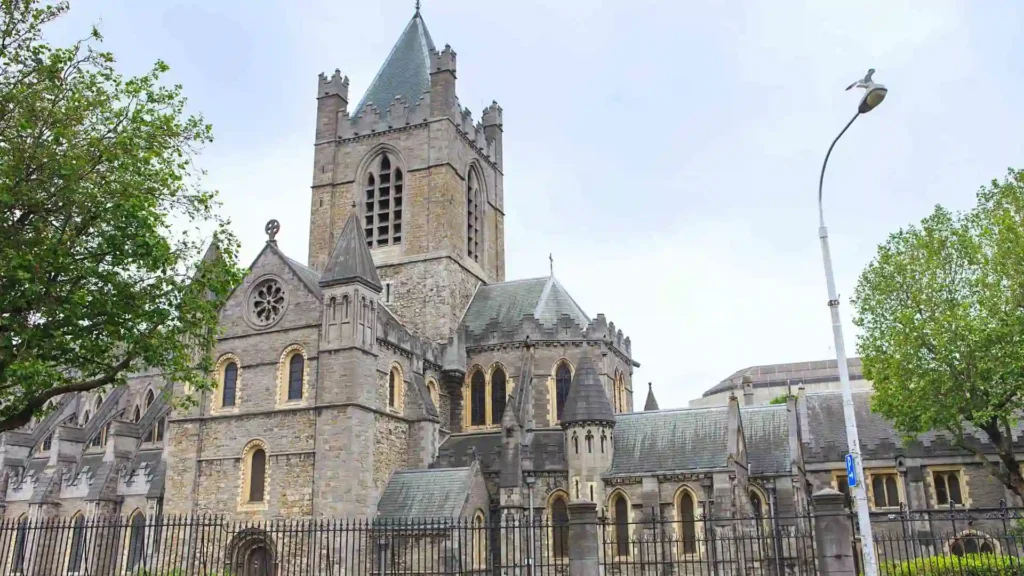
St. Patrick’s Cathedral, being the largest church, has seen the different defining moments of history. The church has been the central place for community gatherings and historic ceremonies. It has witnessed the mediaeval struggling days as well as the current social reformation days.
The St. Patrick’s Cathedral’s importance lies in the fact that it gives a complete picture of Irish heritage, history and faith. It stands prominently not only as a symbol of faith but also presents Dublin’s story.
Timeline of the Cathedral
Saint Patrick’s Cathedral timeline reflects that it has a long history, which shows its connection to Dublin’s mediaeval sites.
- 400-500 AD: The sacred well located at the site has a history where the saint used to baptise early Christians.
- 1191: The stone-walled church was built, making it a formal place of worship.
- 13th Century: Major expansions occurred in the church, including the Gothic nave, choir, and side chapels. These expansions gave it the shape it has today.
- 1370: A devastating fire erupted in the church, damaging a major part. It led to the rebuilding of the stonework in the church.
- 18th century: The cathedral’s iconic spire was added.
- 1860s: The Guinness family supported its major restoration to prevent it from collapsing and restore its mediaeval character.
- 20th-21st Century: The current updates work to improve the visitors’ access. The modern changes ensure that the cathedral stays a working church as well as a historic landmark.
If you want to learn about other historic structures from the same period, read our guide to castles in Dublin.
Architecture and Design
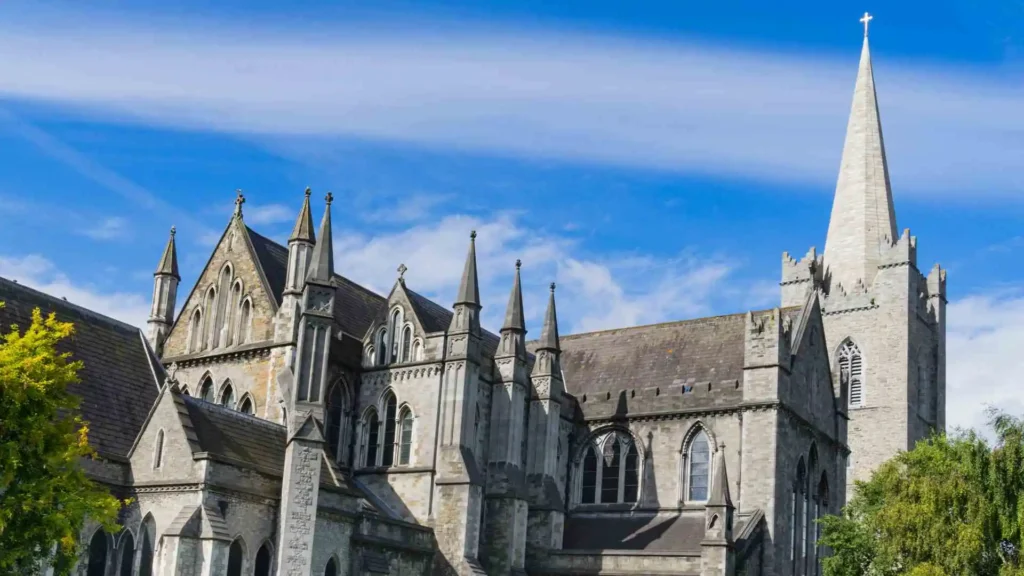
St. Patrick’s Cathedral blends the spiritual symbol with the visual impact. The pointed arches, ribbed vaults and tall & narrow windows are the rich reflection of St.Patrick’s architecture. It has a traditional layout with side aisles, a long nave and a central crossing. Much of its structure relates to the old mediaeval period. However, several elements, such as later restoration work, have preserved this Gothic church as a Dublin landmark.
Exterior Features
St. Patrick’s Cathedral’ exterior instantly catches attention because of its tall, slender spire. Pointed Gothic arches, finely carved stone detailing and large windows are the main features of the building. The weatherproof stonework gives a cathedral a timeless charm. Located in the Green Park land, the building gives a central and peaceful vibe. Landscaped paths, lawns and mature trees make it sit comfortably with the busy Dublin streets.
Interior Highlights
St. Patrick’s Cathedral interior tells a story of centuries of faith and resilience.
- Door of Reconciliation: A 15th-century doorway which ended the violence between two families.
- Font: A font is an ancient stone basin still used for baptism.
- Lady Chapel: a quiet space used for private prayer.
- Monuments and Plaques: Monuments honouring the bishops, national figures and donors.
- Stained Glass Window: Colourful panes which tell the biblical and historical stories.
- Choir Area: wooden stall and historic space set for choral music and services.
Stories and People Connected to the Cathedral
St Patrick’s Cathedral has strong links to people and legends. One of the strongest connections is with Jonathan Swift, the author of Gulliver’s Travels. He is buried inside the cathedral. Swift served as the Dean of the Cathedral in the 18th century. He is buried here along with his companion, Esther Johnson.
Another powerful story linked with the cathedral is the Chance Your Arm Story, associated with the door of reconciliation. During the violence between the Butler and FitzGerald families, a hole was made in the door. The door in the wooden hole served as a source of a peaceful handshake between the two families. One man has to put his arm at risk and pass it through the door to end the conflict.
The cathedral has also served as home to influential deans, monarchs and historic congregations who once worshipped here. It has also hosted important national services and ceremonies.
Visiting Tips
- While visiting St. Patrick’s Cathedral, planning your time and route can make your experience more enjoyable.
- Early mornings and late afternoons before closing times are the best times to visit. You can capture the best photos at these hours of the day.
- Spare 60-90 minutes to explore the cathedral properly.
- Start from the nave, then move towards the choir, the lady chapel and then the aisles to follow the natural sequence in the building. Second, extra time at the monuments, the Door and the Stained Glass Windows.
- Show respect to the place by dressing modestly and keeping the vices low. Don’t visit the restricted area during worship. Following the Dublin travel tips, try to book the tickets online in advance. Arrive early to make your trip enjoyable.
- You can plan more activities around your visit by checking the best things to do in Dublin.
Why It Is Worth a Visit
There are various reasons for visiting St.Patrick’s Cathedral, and each gives a different way to experience Dublin’s history.
- Built on the most sacred site, the cathedral reflects Ireland’s religious and political history.
- The architecture of the building, which has a striking Gothic design, is hard to find anywhere in Ireland.
- The stories Jonathan Swift and Chance Your Arm also bring the story to life.
- Despite being located in busy Dublin, the building gives a peaceful and calm escape from the city.
- Being Ireland’s largest church, the building is a symbol of Ireland’s identity. It continues to host important events, ceremonies and services.
Visiting St. Patrick’s Cathedral gives you an experience full of history, stories and religious beliefs.
Nearby Sites
There are various Dublin attractions near St. Patrick’s Cathedral that you can easily explore while visiting here.
- Christ Church Cathedral (5-7 minute walk)
The church is one of Dublin’s oldest landmarks. A seven-minute walk can take you here. It has strong ties with the country’s Viking past and is an essential stop for history lovers.
- Marsh Library (5-minute Walk)
An 18th-century library filled with rare books and wooden galleries. The peaceful library gives a glimpse into Ireland’s scholarly history.
- Dublin Castle (10 minutes walk)
Dublin Castle, another nearby attraction, is the symbol of the Irish political past. The grand rooms, the Chester Library and landscaped gardens are worth exploring.
- St. Stephen’s Green (12-minute walk)
This nearby green area is an ideal place to relax and soak in nature.
- Iveagh Gardens (8 minutes walk)
This is another green area to stroll and relax as a break from sightseeing.
Final Thoughts
St. Patrick’s Cathedral gives a meaningful glimpse into the spiritual, cultural and historical past of Ireland. The tall building, calm atmosphere and intricate stone details make every passerby stop. A Dublin cathedral visit can be a powerful start if you plan to explore this area and its attractions. Visiting St. Patrick’s Cathedral can enrich your journey, blending history, nature and beauty.
- If you intend to visit, book online in advance to avoid the crowds.
- Do follow the traveller’s tips to enjoy more.
- Make the most of your visit by digging into the history and exploring nearby stops.