
Irish Wedding Traditions: A Complete Guide for Modern Couples
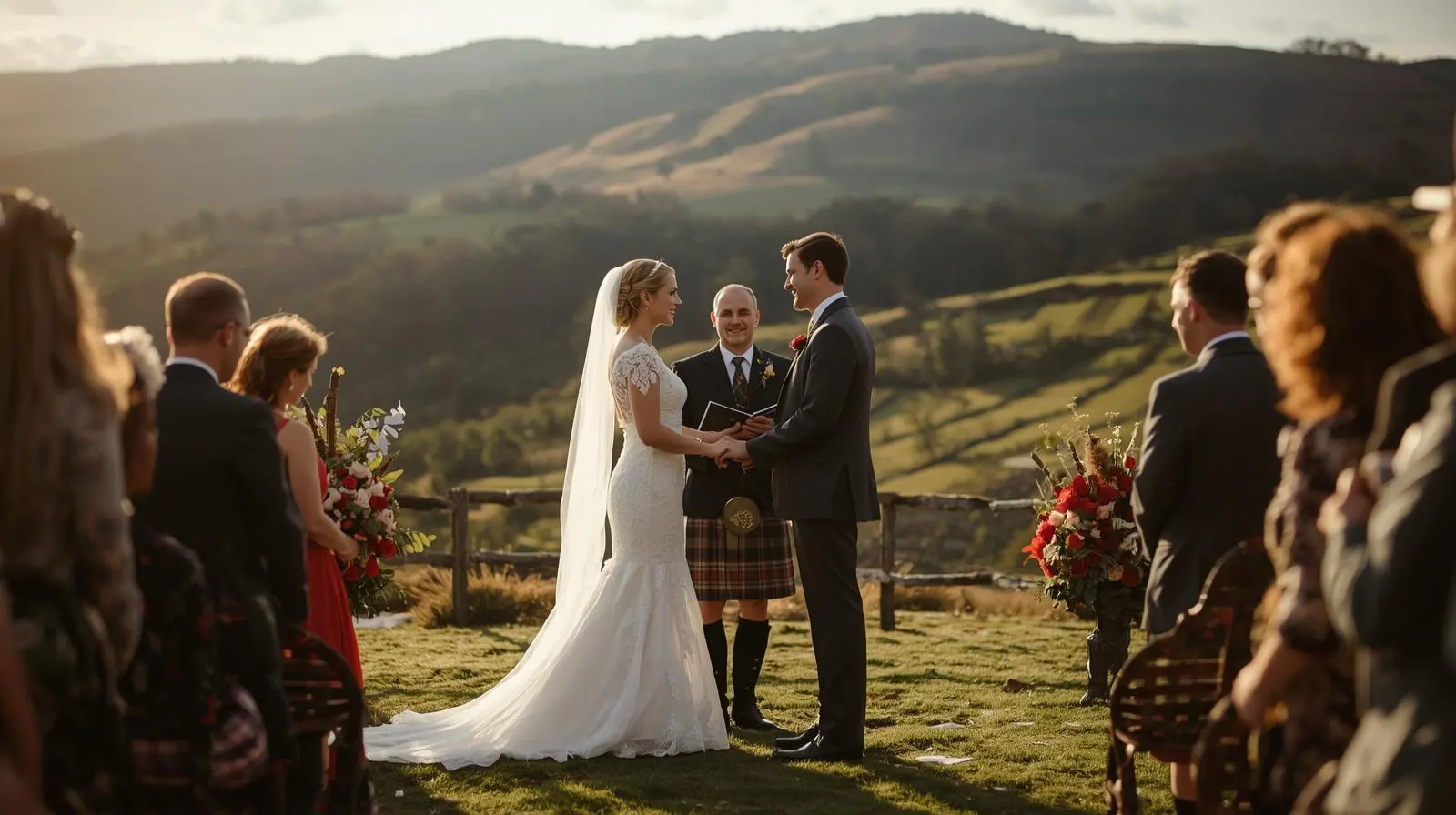
Irish wedding traditions are rich cultural practices that celebrate love, heritage, and meaningful rituals in Ireland. Many Irish wedding customs remain recognised today, blending historic practices with modern civil ceremony styles. Traditional Irish weddings often combine ancient rituals with contemporary elements in Catholic weddings or non religious ceremonies, reflecting how wedding customs in Ireland continue to evolve.
Couples choose these marriage traditions to honour their ancestors while creating memorable experiences for family and friends. Understanding these Irish wedding traditions can make attending or planning a ceremony even more special and enjoyable.
In this blog, you will explore Ireland’s most cherished wedding traditions and customs. Learn how handfasting, Claddagh rings, and Irish blessings bring love, luck, and heritage to celebrations.
Irish Wedding Traditions at a Glance
Before going into detail, here is a quick overview:
| Category | Tradition | Description |
| Ceremony | Handfasting | Celtic ritual binding hands with cord or ribbon to symbolise union. |
| Ceremony | Claddagh Ring | Heart, hands, and crown symbolise love, friendship, and loyalty. |
| Ceremony | Ring the Bells | Bells are rung to ensure harmony and ward off evil spirits. |
| Lucky Superstitions | Child of Prague | Statue placed before the wedding to ensure good weather. |
| Lucky Superstitions | Horseshoe | Carried by a bride or gifted for good luck and fertility. |
| Reception | Afters | Late-night party inviting extra friends and family for dancing. |
| Reception | Musical Heritage | Traditional instruments like fiddle and Uilleann pipes enliven the celebration. |
| Modern | Customized Handfasting | Silk ribbons or embroidered cords personalise the handfasting ceremony. |
| Modern | Irish Food & Drink | Traditional fare served with modern twists like whisky cocktails. |
Now, let’s explore these cherished customs in detail, starting with one of the oldest Irish wedding rituals.
Handfasting
Handfasting in Irish wedding ceremonies dates back to ancient Celtic tradition and symbolises unity and commitment between couples. During the ritual, the couple’s hands are bound together using ribbons or cords chosen for their symbolic meaning. Many couples today use handfasting to visually represent tying the knot in a modern Irish wedding.
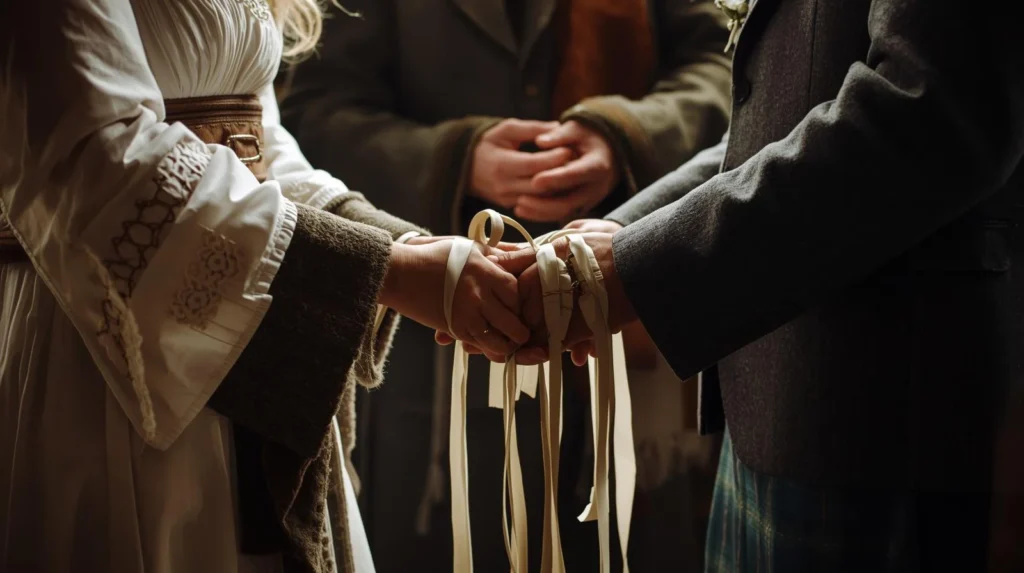
This Celtic wedding ritual can take place during a Catholic wedding or as part of a civil ceremony. Symbolically, it reinforces lifelong commitment, which makes handfasting especially meaningful for couples seeking a strong connection to Irish heritage.
Many couples also choose ribbon colours based on Celtic symbols linked to love, protection, or unity.
The Claddagh Ring
The Claddagh ring is a Galway symbol representing love, loyalty, and friendship in Irish weddings. Two hands hold a heart topped with a crown, with each element reflecting core marital values. Before marriage, the ring is traditionally worn on the right hand with the heart facing outward, signalling openness to love.
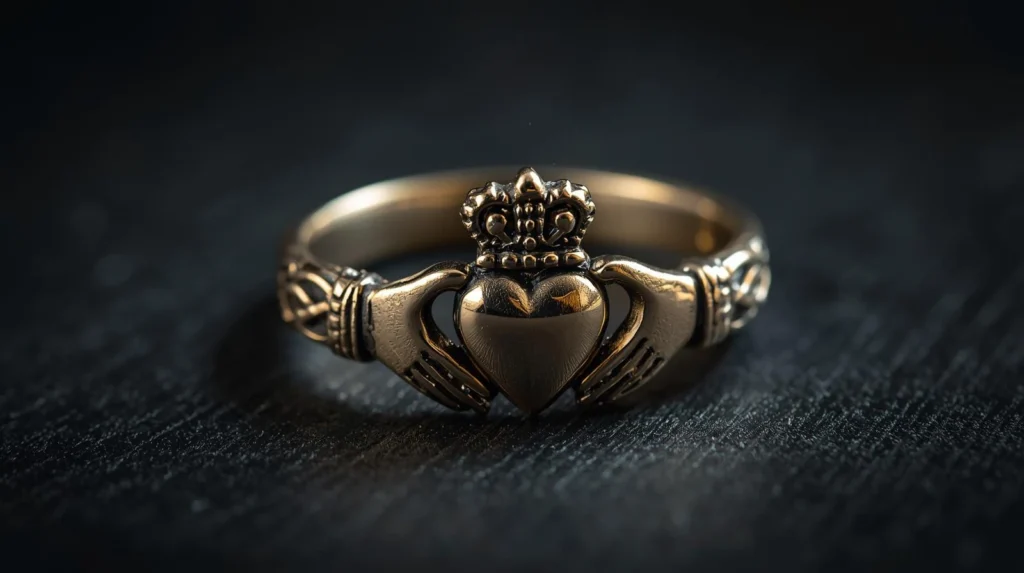
During the ceremony, the ring is moved to the left hand with the heart pointing inward. This traditional way of wearing the Claddagh ring helps express the couple’s relationship status through recognised Irish symbolism.
Horseshoes for Luck
Irish wedding horseshoe traditions symbolise good fortune and protection for the future of both bride and groom. Brides traditionally carried a real horseshoe down the aisle as a lucky charm. Today, smaller horseshoes are often added to bouquets, keepsakes, or decorative wedding details.
This wedding luck tradition keeps ancient beliefs alive while adding a meaningful touch to modern celebrations. Irish bridal symbols such as the horseshoe continue to connect couples with long standing cultural customs.
Something Blue
Something blue in Irish wedding traditions comes from an old association with fidelity and commitment. Blue was once considered the traditional colour for Irish brides before white became popular. Many brides still include blue in dress details, ribbons, jewellery, or accessories.
This bridal colour tradition honours historical meaning while fitting naturally into modern wedding style. Including something blue symbolises loyalty, purity, and continuity in Irish marriage traditions.
Irish Wedding Bells
Irish wedding bells symbolise harmony, protection, and joyful beginnings in marriage ceremonies. Church bells were historically rung to ward off evil spirits and bless newlyweds. Some guests still gift small bells or ring them during celebrations.
This wedding bell tradition continues to encourage participation from friends and family. Bells also add a festive sound to ceremonies while preserving symbolic meaning in Irish weddings.
The Child of Prague
The Child of Prague wedding superstition is linked to hopes for good weather on the wedding day. Families place the statue outside on the morning of the wedding as part of this well known Irish custom. In some homes, the statue is turned upside down or placed in the garden as part of the ritual.
This weather tradition remains popular in Ireland and reflects how family customs continue across generations. Including the Child of Prague connects modern weddings with familiar household traditions.
Irish Wedding Blessings
Irish wedding blessings are often shared during speeches, cards, and ceremonies to express goodwill and happiness. Guests frequently raise glasses and say “Sláinte”, while some blessings are spoken in Gaeilge during receptions or family gatherings.
Blessings add poetry, warmth, and traditional language to the occasion. A typical blessing might say, “May your hearts remain joyful and your days filled with love.”
Traditional Irish Music
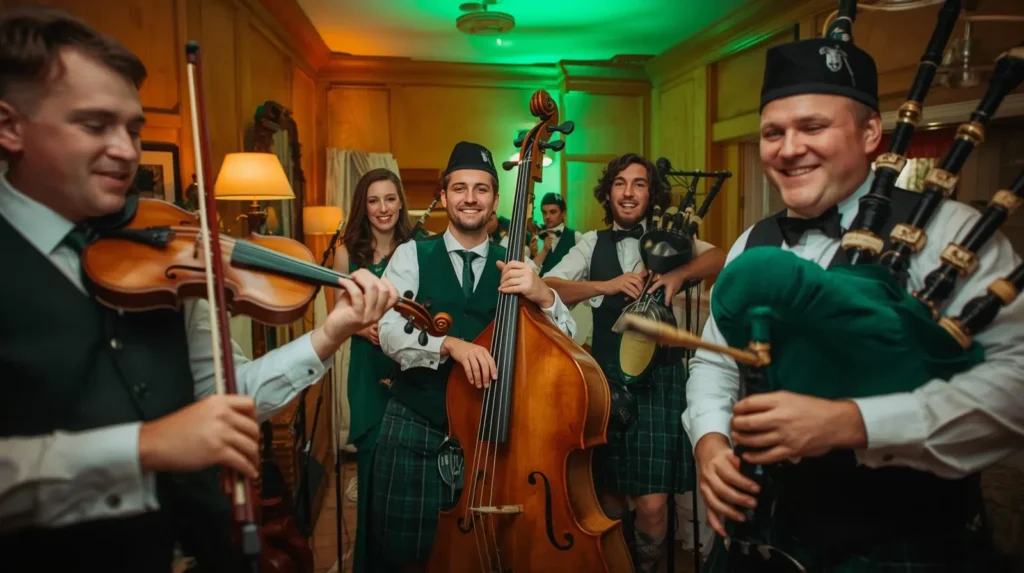
Irish wedding music often features live instruments that create an authentic atmosphere during the celebration. Fiddle, bodhrán, and Uilleann pipes are among the traditional instruments commonly heard at weddings in Ireland. Music may accompany the processional, ceremony, and dancing later in the evening.
Live music helps preserve cultural heritage while creating memorable moments for guests and newlyweds. Many couples now combine traditional Irish wedding music with modern songs for a balanced celebration.
Irish Lace
Irish lace adds elegance to bridal dresses, veils, and heirloom accessories. Handmade lace is often passed down through families, preserving bridal heritage across generations. Brides may use lace from a family dress in a veil, sash, or gown detail.
Irish bridal lace enhances both Catholic wedding attire and civil ceremony outfits with timeless beauty. Using lace links modern weddings with traditional craftsmanship and family history.
Day Two Celebrations
Irish wedding traditions today often include day two celebrations, where family and close friends gather again after the main reception. This modern custom allows couples to continue the occasion after the formal hotel celebration has ended.
Day two gatherings usually include casual meals, music, and stories from the wedding day. This second gathering strengthens family connection and reflects how modern couples continue Irish traditions in relaxed ways.
Conclusion
Irish wedding traditions combine history, culture, and modern celebration, making each ceremony uniquely memorable. Couples honour Celtic roots through blessings, music, and symbolic rituals in both civil and Catholic weddings. From handfasting to Claddagh rings, these Irish wedding customs continue to reflect love, joy, and family unity. Modern couples value both heritage and creativity, helping Irish marriage traditions remain meaningful across generations.