

Mould in Irish Homes, Causes, Removal Tips and Prevention Guide
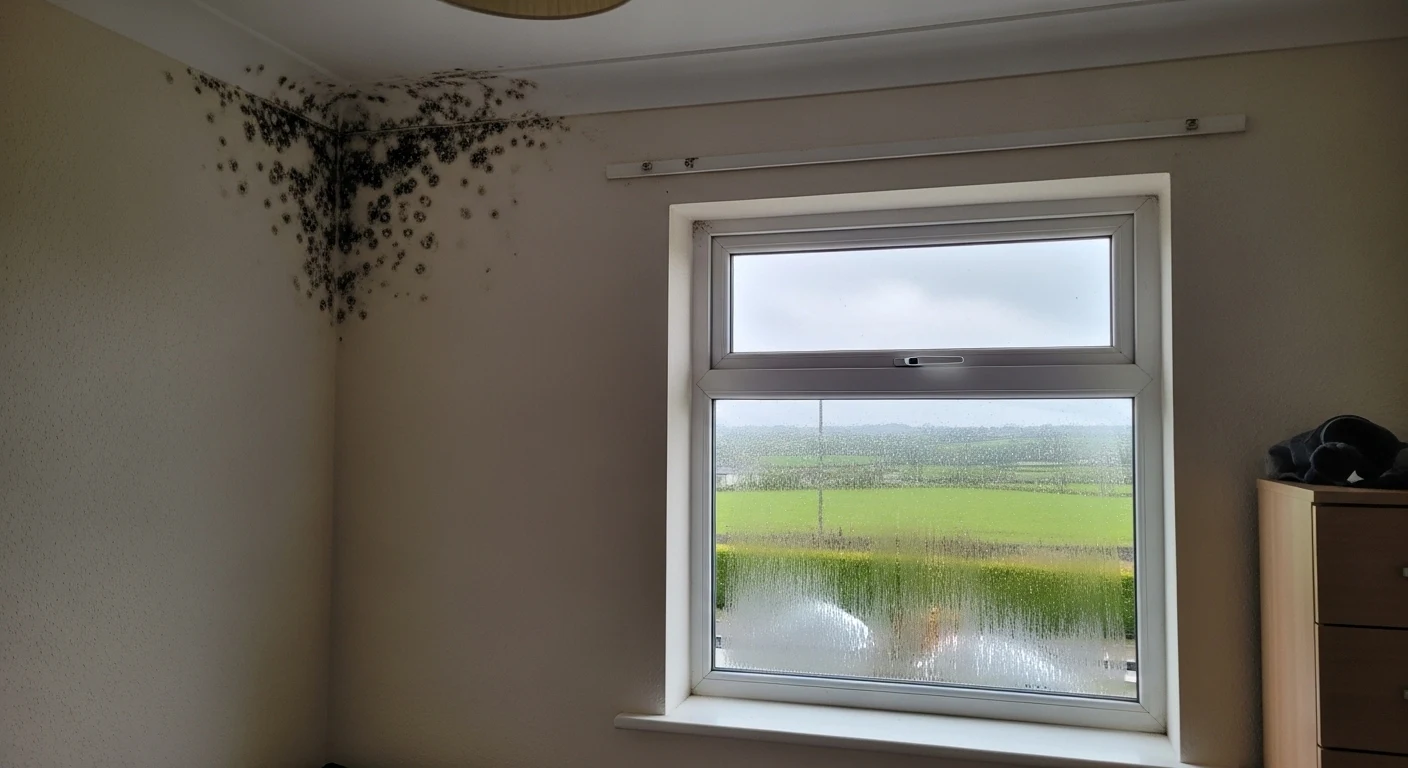
Many families across Ireland notice black spots appearing on walls or a musty smell in the air during the damp winter months. Mould is a common problem in Irish houses because of our rainy climate and older housing stock. It grows quickly once moisture builds up and it can affect both your home and your health.
This guide explains what mould is, why it appears so often here, and practical steps you can take to deal with it.
Mould Thrives in Ireland’s Damp Climate
Mould is a type of fungus that grows in damp and poorly ventilated spaces. In Ireland it spreads easily because of frequent rainfall, high humidity levels and many homes with cold walls and limited insulation. Older houses built before modern standards often suffer the most, especially during the colder months when people keep windows closed to stay warm.
Condensation is the main culprit in most Irish homes. Warm moist air from cooking, showering and drying clothes meets cold surfaces such as windows, external walls and corners behind furniture. The moisture turns into water droplets and creates the perfect environment for mould to grow.
Common Types of Mould Found in Irish Homes
Black mould is the type most people worry about in Ireland. It often appears as dark patches on walls, ceilings or around window frames. Other colours include white, green or grey mould which can show up in bathrooms, kitchens or on fabrics.
Black mould, sometimes called toxic mould, tends to grow on damp plasterboard, wallpaper and wooden surfaces. While not all black mould is highly toxic, prolonged exposure can still cause problems. White or green mould is more common in areas with steady condensation such as behind wardrobes or in poorly ventilated bedrooms.
Health Effects of Mould on Irish Families
Living with mould can seriously affect your health, especially for children, older people and anyone with asthma or allergies. Common symptoms include coughing, wheezing, sore eyes, skin irritation and frequent colds that seem to linger.
In Ireland many families report worse breathing problems during the winter when mould and damp increase. Black mould in particular has been linked to more severe respiratory issues and it can make existing conditions such as asthma much harder to manage. Families in social housing or older private rentals often face the biggest challenges with mould related health complaints.
Main Causes of Mould in Irish Houses
Poor ventilation sits at the top of the list. Many Irish homes lack proper extractor fans in bathrooms and kitchens or have blocked vents. Drying clothes indoors without good airflow adds a lot of moisture to the air.
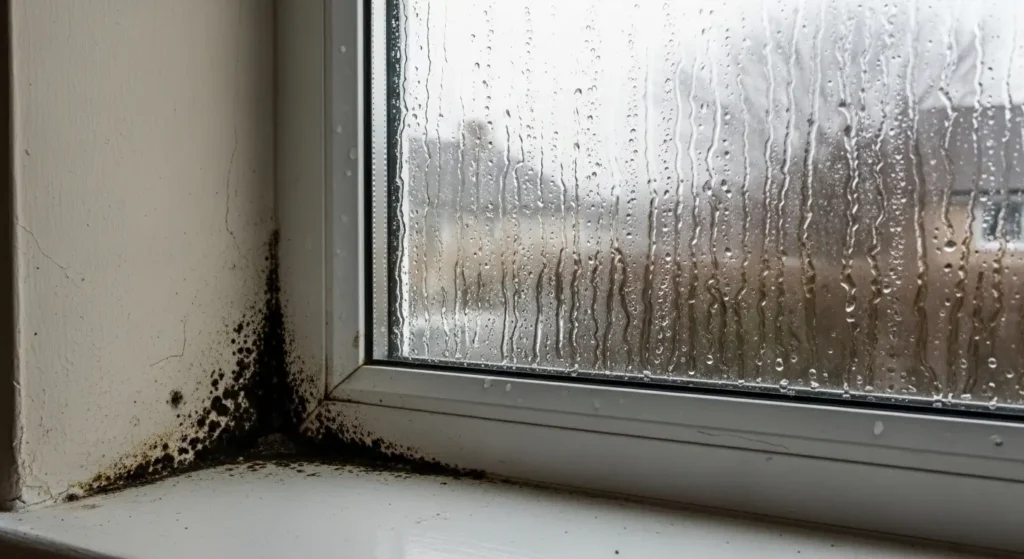
Other frequent causes include leaking roofs or pipes, rising damp in older properties, and insufficient heating which leaves walls cold and prone to condensation. Retrofitted homes can also develop mould problems if ventilation is not improved alongside insulation.
Homes with persistent damp often develop other moisture related pests too, and silverfish often appear in damp indoor spaces before mould becomes obvious.
How to Remove Mould Safely from Your Home
For small patches of surface mould you can treat it yourself carefully. Wipe the area with a fungicidal wash that carries proper safety approval and follow the instructions exactly. Never brush or vacuum the mould as this can spread spores into the air.

After cleaning allow the area to dry completely and then repaint with a good quality fungicidal paint. For larger areas, black mould that keeps returning, or mould hidden behind walls it is best to call in a professional mould removal service. They can identify the root cause and prevent it from coming back.
Practical Ways to Prevent Mould in Irish Homes
Good daily habits make a big difference in Irish houses. Open windows for a short time every day even in winter to let fresh air circulate. Use extractor fans when cooking or showering and keep them running for twenty minutes afterwards.
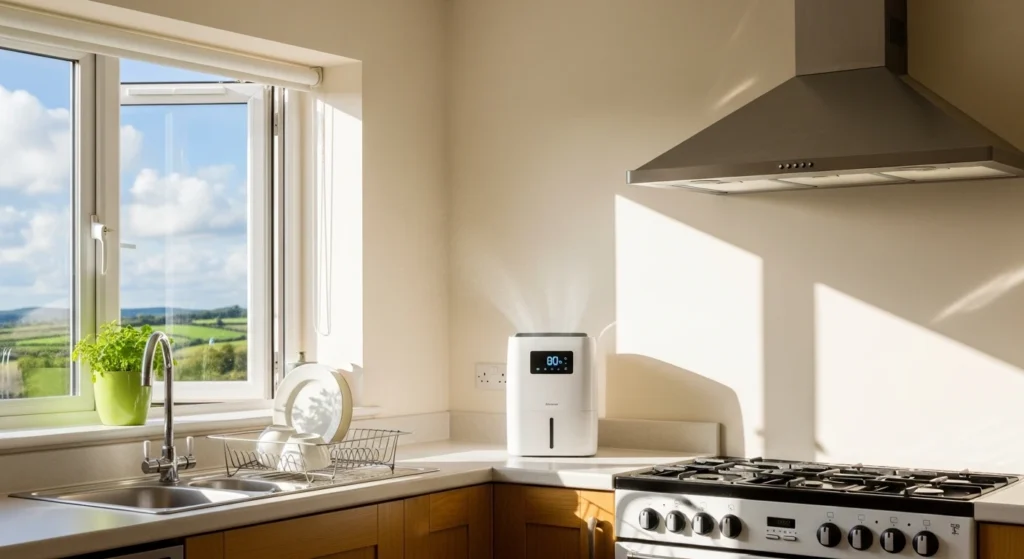
Dry clothes outside whenever possible or use a tumble dryer with a proper vent. Avoid pushing furniture right against external walls so air can move freely. Keep your home heated at a steady level rather than letting it get very cold and then heating it quickly.
In newer or retrofitted homes make sure mechanical ventilation systems are working correctly. Simple changes such as using a dehumidifier in very damp rooms can also help control moisture levels.
Keeping kitchens dry and well ventilated also helps reduce problems such as fruit flies, which often appear where moisture and food residue build up.
When to Seek Professional Help for Mould
If mould keeps returning after you clean it, covers a large area, or you notice a strong musty smell throughout the house it is time to get expert advice. A professional damp survey can find hidden problems such as leaks or poor insulation that you cannot see yourself.
In rental properties landlords have a responsibility to deal with serious damp and mould issues. Tenants can contact their local authority Environmental Health Officer if the problem is not being addressed properly.
Mould and Older Irish Homes
Many homes built before the year 2000 are more vulnerable because of single glazed windows, solid walls and limited insulation. Retrofitting these properties with better insulation and ventilation is important but it must be done correctly to avoid trapping moisture and making mould worse.
Government grants for home energy upgrades sometimes include improvements that help reduce mould when ventilation is properly planned.
Mould might seem like a minor nuisance at first but in Irish homes it can quickly become a bigger issue for both health and the structure of the house. Taking simple steps early and addressing the underlying damp problems can keep your home healthy and comfortable all year round.