
Ireland in Summer | What to expect & where to go
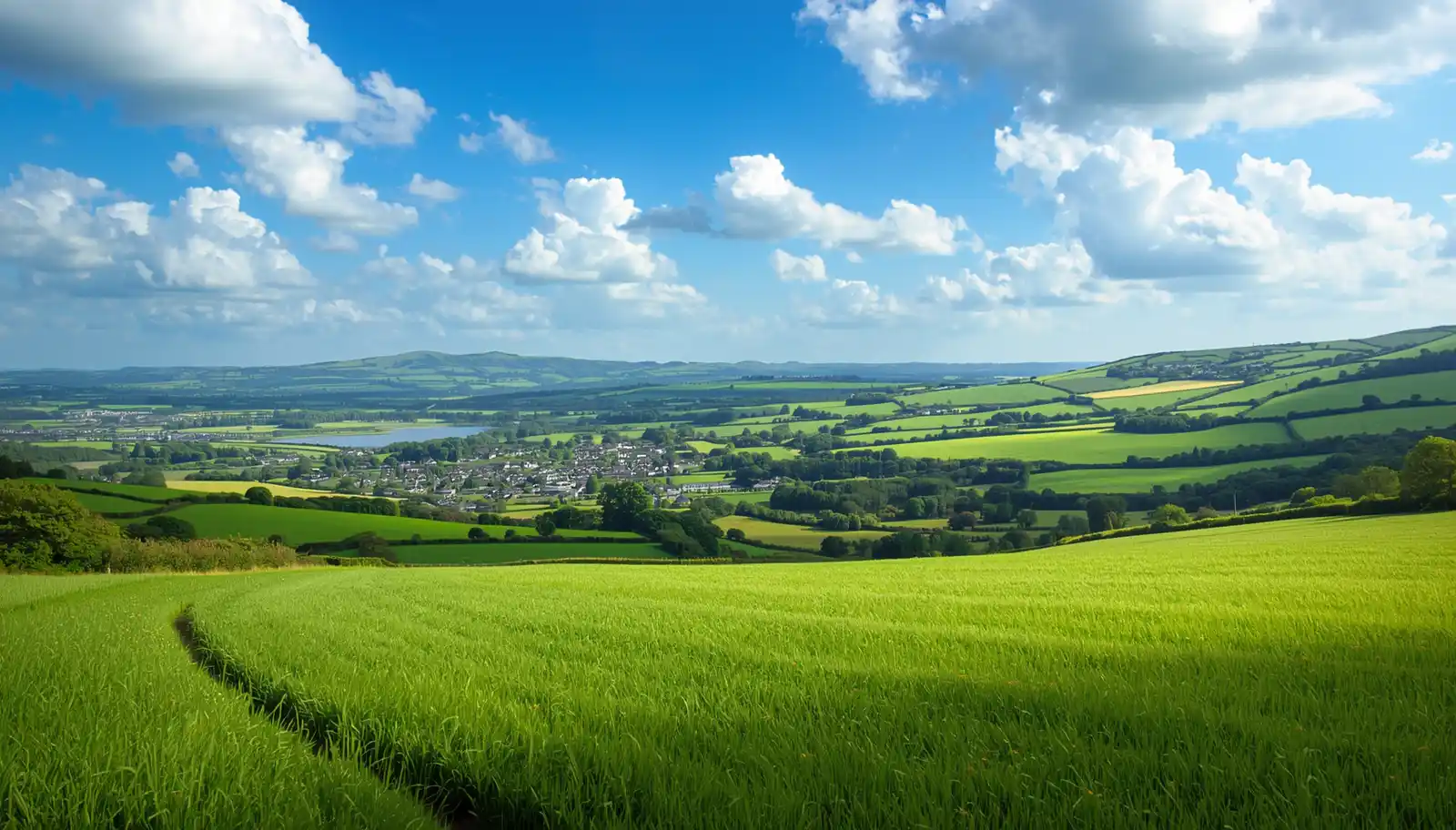
The Irish summer is characterised by an extraordinary sense of freedom. The Irish countryside becomes rich and deep green with the long daylight hours extending beyond 10 p.m. The smell of salt and gorse fills the air off the mid-Atlantic. It is an outdoor adventure, a time when Wild Atlantic Way becomes a playground for hikers and surfers.
The Irish summer experience is unpredictable, but there is certain magic in the air. Life becomes slower as locals and tourists flock to the coast to enjoy the “grand stretch” during the evenings. The season is sensory-rich, whether you are wandering through ancient ruins or sitting outside of a country pub, and this is what makes the best of Ireland.
Quick facts about summer in Ireland
Whether you are going on holiday or not, these are a few things that you will need to know when navigating the season:
- Busiest Months: June, July, and August.
- Daylight: In June, there can be up to 17 hours of daylight, especially during the Summer Solstice.
- Temperature: The average maximum temperatures are 16°C to 20°C, but there are occasional heatwaves of up to 25°C.
- Sea Temperature: Brisk but swimmable with a maximum temperature of 14°C to 16°C in August.
- Crowds: This is the most active travel period; it is crucial to reserve accommodation and car rental in advance.
When is summer in Ireland?
The summer in the modern calendar is the period between June and August. But to get the Irish point of view we have to take a glance at the old Celtic calendar.
The Gaelic year starts with Bealtaine on May 1st. This Irish psyche is still influenced by this cultural heritage, as most locals consider May and June the best months to enjoy the sun. By August, the season is already changing, yet the month is still popular for family holidays before the school year begins.
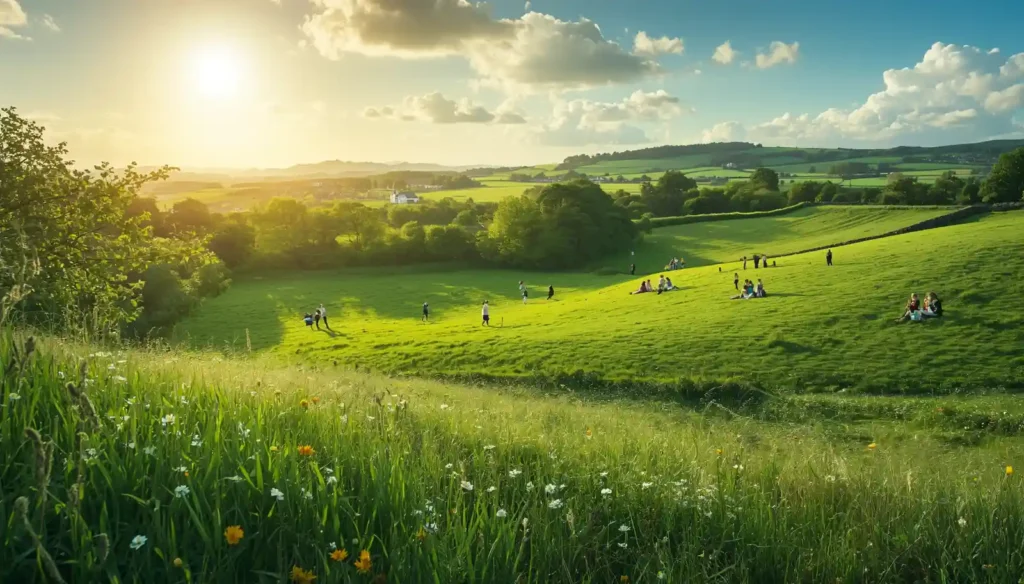
To find out more about the transformations the landscape goes through throughout the year, consult our guide on seasons in Ireland.
Weather in Ireland in summer
The golden principle of Irish weather is to be prepared to expect the unexpected. It is a temperate and wet climate that is modulated by the Atlantic Ocean. You will have beautiful sunny spells, but you can see rain all year round.
June is the month with traditionally hot and sunny weather. Ironically, summer can be drier than the preceding spring months because of damp air over the ocean. The national weather service (Met Éireann) often monitors lightning-fast systems, which can cause “four seasons in a day”.
The East Coast and Dublin are a little drier and warmer. On the other hand, the Atlantic Coast is more likely to be affected by wind and sudden mist, which contributes a dramatic and moody beauty to the rugged cliffs and mountains.
Average temperatures by month
- June: Highs of 17°C–18°C. This month feels fresh and bright, with the longest days of the year.
- July: Often the warmest month, with averages of 19°C. Ideal for exploring Connemara or the inland lakes.
- August: Similar to July (18°C–19°C), but with higher humidity and a slightly higher chance of afternoon showers.
What summer feels like in Ireland
The Irish summer has a certain kind of feel that can hardly be reproduced elsewhere. It is the warmth of the sun first reaching your skin after a long winter and the general sigh of relief as people go out.
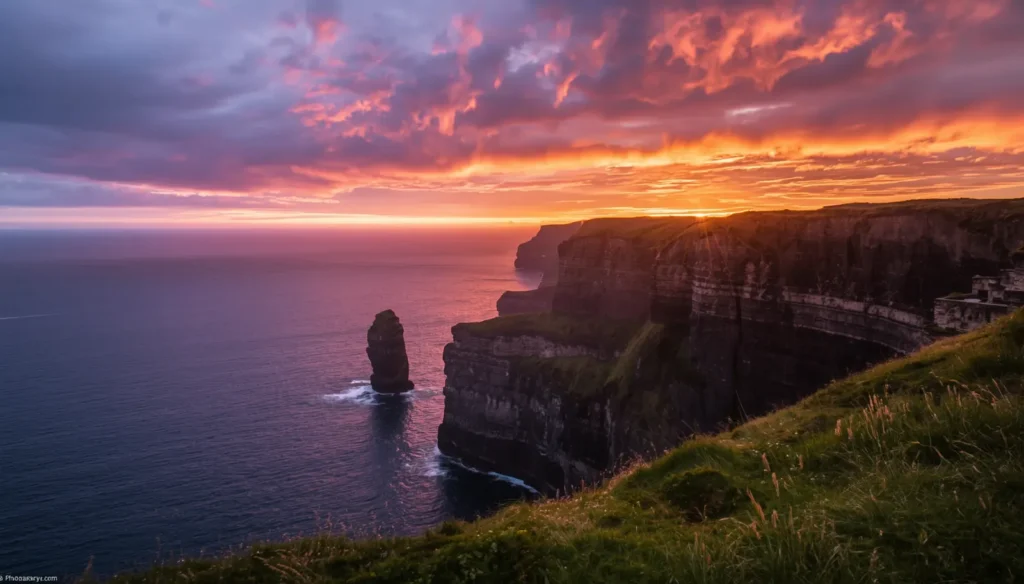
The scene is vividly green. The Cliffs of Moher or the Ring of Kerry is bathed in soft, golden dawn until the night. Due to the late time of sunset, dinner seems to be more of a mid-afternoon meal, and there is never any haste to get to see all that before the sun sets.
Pros and cons of summer in Ireland
The Pros: The main benefit is the daylight. You can wind up Killarney or Galway roads late into the night and still see. The majority of the seasonal attractions, boat tours, and heritage sites are open late.
The Disadvantages: Cost and crowds are the primary drawbacks. Favourite places such as the Rock of Cashel or Dingle can be overcrowded. There is also the “midge” (a small biting insect), which can be a nuisance even in damp, rural places, on a calm summer evening.
Top things to do in Ireland
Summer is the season to be outdoors in Ireland. The country is open to adventure, from the heights of the north to the bays of the south.
Outdoor activities
The most popular summer activity is hiking. The Wicklow Mountains offer trails for all levels, with sights of purple heather and deep blue lakes. For those who are fond of water, kayaking in the Killarney lakes or cycling through the numerous Greenways gives a peaceful experience of the countryside. For inspiration on routes, check out our list of the best hikes in Ireland.
Beaches and Coasts
The coastline of Ireland is stunning. The iconic places for surfing and swimming include Inchydoney Beach in Cork and Lahinch in Clare. The huge expanses of white sand and turquoise water are ideal even in cold weather, even if the water is cold. You can check additional information in our guide on the best beaches in Ireland.
Festivals and events
Summer, the festival season. The Galway International Arts Festival in July is also a major event that turns the city into a world talent stage. From traditional music “Fleadhs” to the food festivals in small villages, there is almost always something to celebrate Irish culture with. See our page on the festivals in Ireland for upcoming dates.
What to pack for summer
The rule for dressing in an Irish summer is the “three-layer” rule. The temperature may also decrease drastically on a sunny day, when the sun goes behind a cloud or when the wind increases.
Base Layer: Light t-shirts or breathable clothes.
Mid Layer: Light sweater or fleece for the evenings.
Outer Layer: No compromise on a good-quality waterproof jacket.
Footwear: Waterproof and comfortable walking shoes in case you intend to go on hiking or on cobblestone roads.