
St Stephen’s Green Park Dublin | How a Marsh Became an Urban Oasis
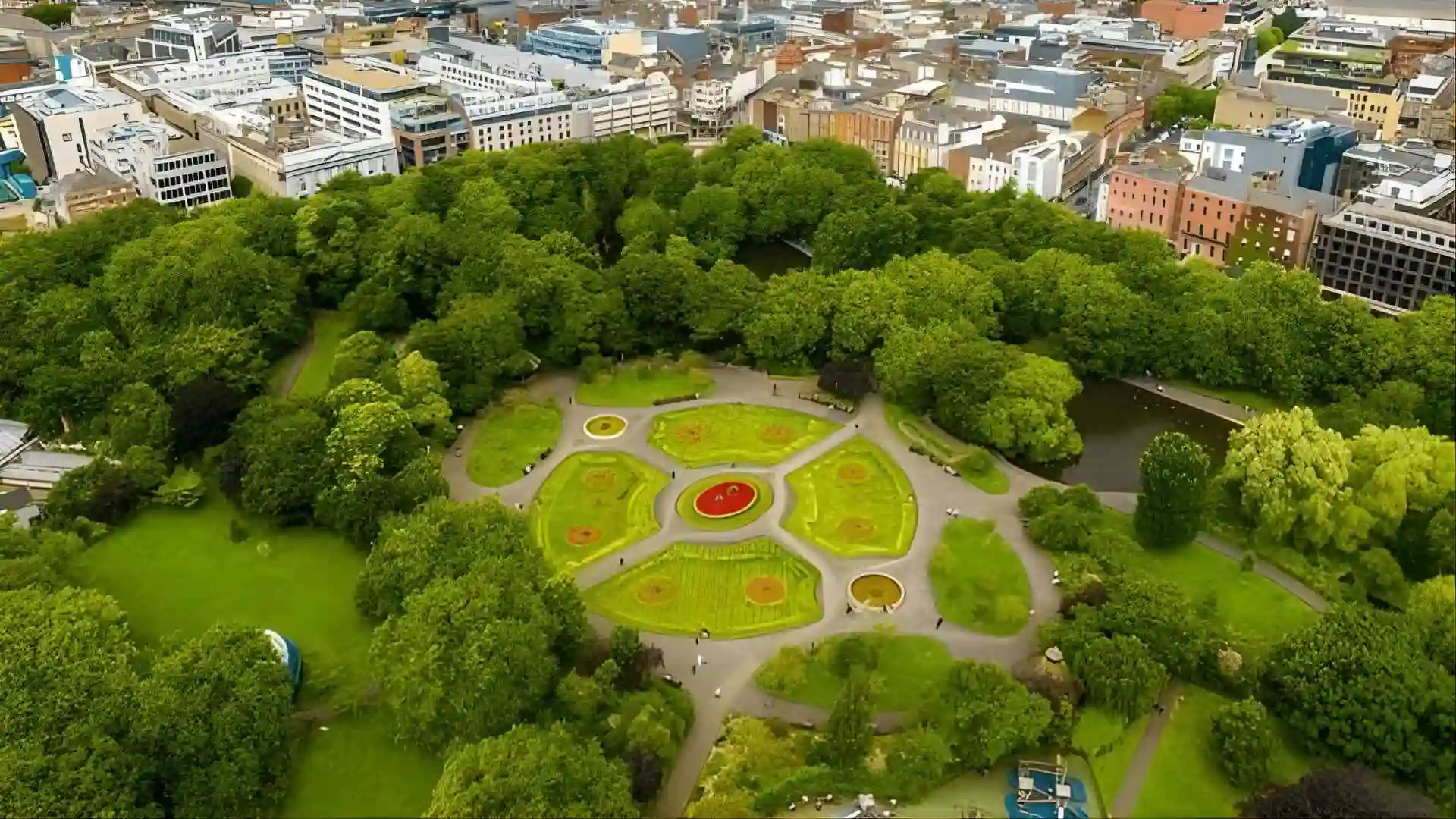
The green space at the southern end of Grafton Street is a thoughtful symbol of the capital of Ireland, a proud structure of green space. This is an immensely significant public park that is well-kept and provides a calm contrast to the business life in the city.
Its geographical positioning in the Dublin city centre park makes it a key destination for both the locals and tourists. The park is important as it serves as an essential escape spanning more than 22 acres. It is fused with a complicated, violent past and beautiful, accessible green land.
It is a perfect representative of Dublin’s spirit, elegant, strong and hospitable. Being the most popular and ancient park in Dublin, it offers the visitor the opportunity to discover the centuries of Irish life. The ancient lifestyle can be seen in its landscape, in the architecture and in the number of memorials.
Visitor Essentials: Opening Hours, Admission and Routes
You should know some essential tips before visiting this landmark so the visit goes smoothly. The opening hours of St Stephen’s Green are determined by the Office of Public Works (OPW), and they usually tend to adopt the seasonal approach.
The park is normally open between 7.30 am (9.00 am on Sundays) and 9.00 pm during summer (usually between June and August) and earlier during winter (usually between 5.00 pm and 6.00 pm). Most importantly, entry is always free.
The location is easy to access because of the park. Regarding the means of reaching St Stephen’s Green, the Luas green line tram passes right beside it.
Additionally, the station of St Stephen’s Green puts one right in the middle of it. There are also several buses in the city which serve the area. It makes a lot of things in Dublin convenient.
Walking along the central areas, it is a short walk either through Temple Bar or Trinity College. No specific park parking, and there are a number of public car parks in the area. Although dogs are not prohibited in general, they should be put on a lead.
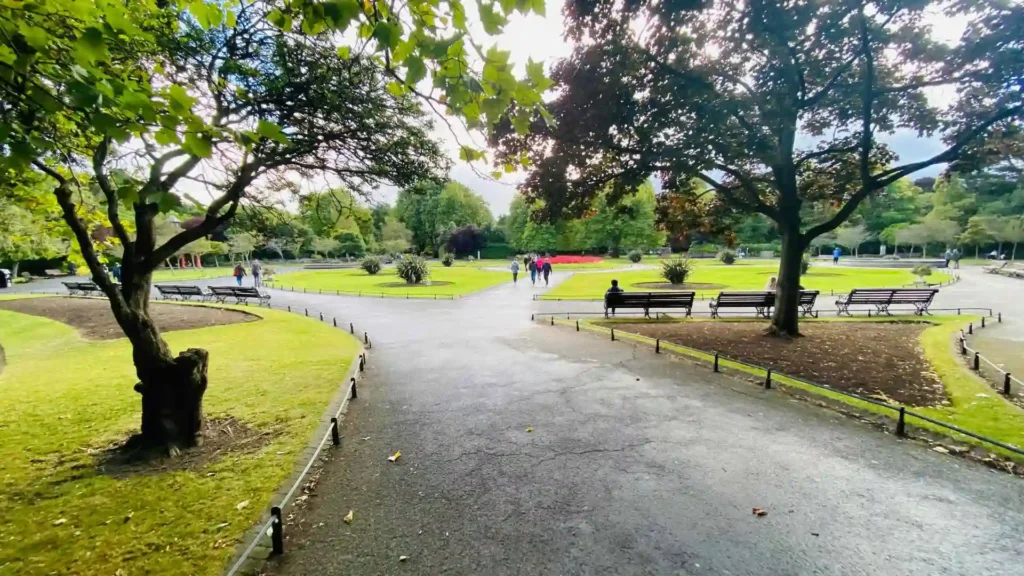
The park is very accommodating in terms of accessibility, having even paths and the most ideal exits, usually the main gates closest to the Luas station.
History of St Stephen’s Green: From Marsh to Urban Oasis
Origins: Marshland and Early Uses (pre-17th century)
The history of the present-day St Stephen’s Green is rather modest. It was a big and ill-drained expanse of swamp land in Dublin that was outside the city walls of mediaeval times.
The region was of no use other than regular grazing fields and was susceptible to floods in numerous centuries. It started its transformation with a practical necessity, namely, to have an open space in the growing city.
Its encircling began in the middle of the 17th century when the Green was first enclosed, and the beginning of long transformations of uninviting wetlands to a vital civic characteristic started.
Georgian Era: Enclosure and Elegant Residences
The actual development of the park started in the 1660s when the city officials sold all the land around the park on plots to generate income. This gave way to the erection of splendid Georgian Dublin townhouses to look upon the Green. It made the locale the most trendy and posh residential block in the town.
Even the main green was surrounded by railings, which rendered it a personal convenience enjoyed by the wealthy inhabitants who stayed in the fine Georgian houses of St Stephen Green. Such exclusivity took more than 200 years and cemented the social meaning of the area.
Victorian Redesign and Public Opening (1870s–1880s)
This was changed in the 1870s under the leadership of Lord Ardilaun, who was a Guinness family member. He bought the land back for the locals, funded the renovation of the grand Victorian park design with personal funds and gave it back to the people.
The work also involved the establishment of the decorative lake, twisting waterfall, intricate flowerbeds and new meandering pathways as opposed to the grid system.
The park was officially opened to the common people in 1880. The vision of Lord Ardilaun had put St Stephen’s Green in place as a democratic and well-maintained social amenity forever.
20th Century and Beyond: Social Change, Memorials, Historical Events
In the 1916 Easter Rising, St Stephen’s Green was dramatically used when a rebel unit led by Countess Markievicz occupied the building, resulting in fierce fighting. Since that time, it has been turned into an adorable civic space.
The park has still been developed with further extensions, such as many Dublin park memorials and statues bearing the names of such personalities as James Joyce and Theobald Wolfe Tone. This is due to its transforming urban environment, which portrays the development of the city surrounding it, yet it is a relaxing place to go to concerts and for daily relaxation.
What to See and Do? Landmarks, Nature and Hidden Corners
The park offers a rich tapestry of sights and activities, blending history with natural beauty.
Main Entrances and Walkways
The most prominent access point is at the head of Grafton Street, which is characterised by the wonderful Fusiliers Arch, Dublin, which is a memorial to the Royal Dublin Fusiliers.
The existing park design is characterised by the circular route around the main lawn, which is easy to navigate. To get a brief view, follow the primary perimeter loop, one of the most accessible walks in Dublin.
Water Bodies: Lake, Pond, Waterfall and Wildlife
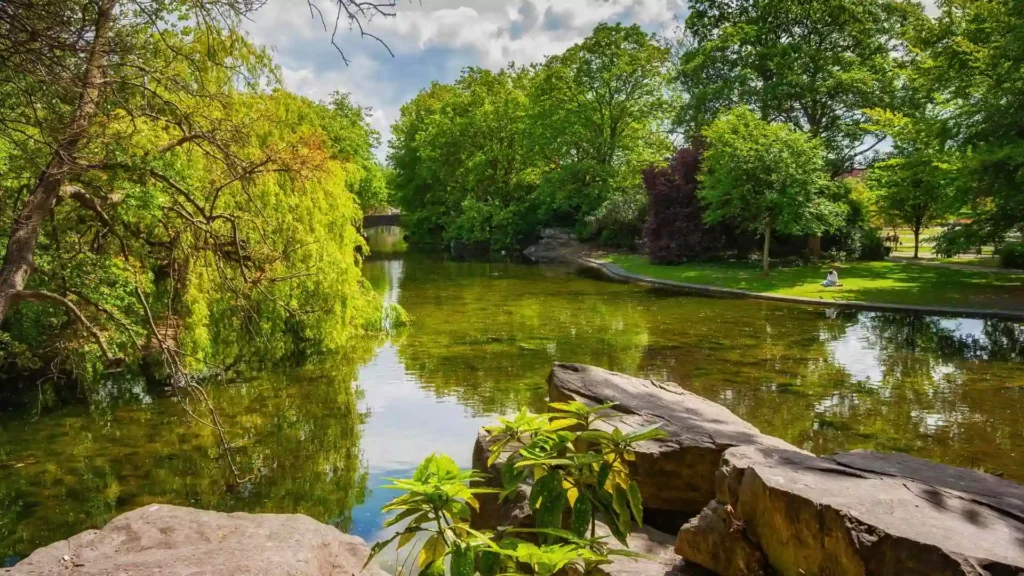
The main characteristic is the ornamental St Stephen green lake and pond, where different waterfowl exist, such as graceful Dublin park swans and ducks.
The scenic rockwork and little waterfall create the illusion of movement. Also, it leaves a perfect position where one can take calm photos or even have a nice rest and enjoy the wildlife of the park.
Statues, Memorials and Monuments
There are numerous St Stephen’s Green statues and monuments in the Green. Search the memorial of the victims of the 1916 Rising, the bust of Countess Markievicz and the renowned statue of Robert Emmet. The collective history of Ireland is represented in these Dublin monuments and park structures.
Flora, Flowerbeds and Sensory Garden
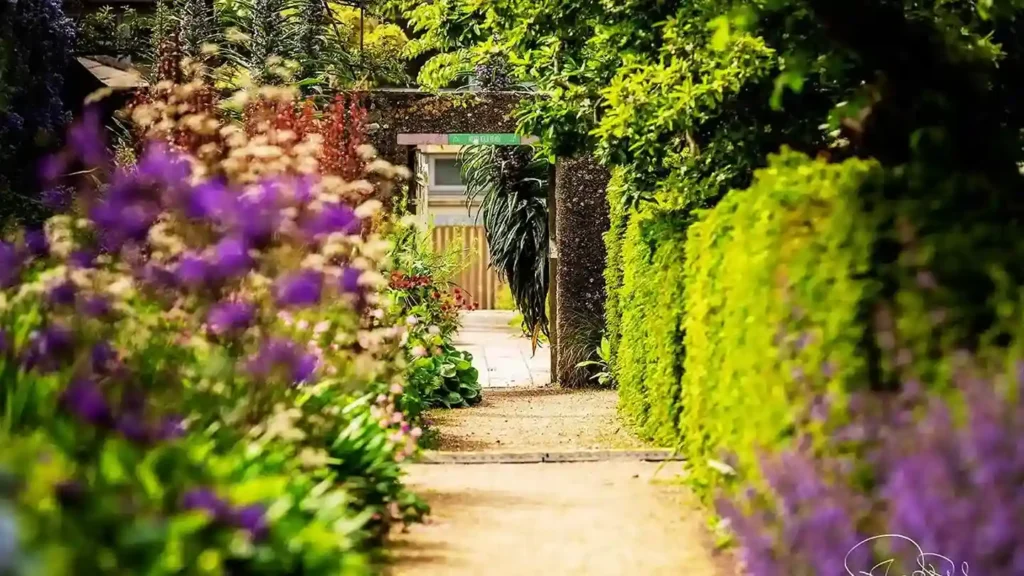
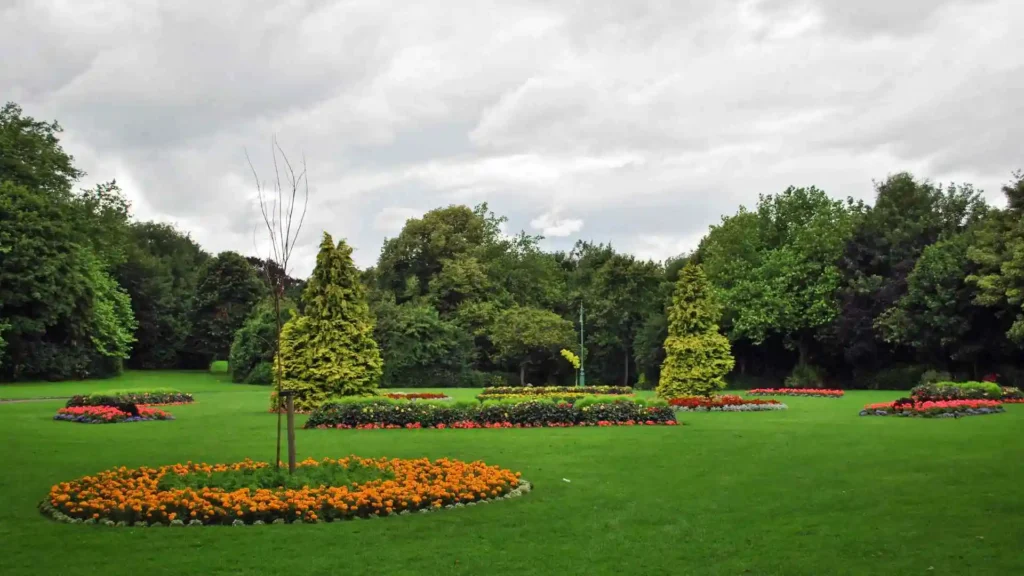
Planting in the park is an all-year-round event. It has beautiful seasonal Victorian flowerbeds in Dublin which are full of colour. Trees and shrubs are available to the visitors.
One garden is the Sensory Garden, which is meant to be enjoyed by all visitors, including the visually impaired. The emphasis on the flora of St Stephen’s Green shows that it is a place of biodiversity.
Family-Friendly Areas: Playground, Bandstand, Picnic Spots
This park is a well-known family-friendly place in Dublin. Younger visitors like a fully furnished playground. The main Bandstand Lawn is the most suitable place to relax and is used to host events.
Green is also the most suitable picnic place in the city due to the vast grassy spaces and benches that give this place a secure, open environment where kids and families can have picnics.
Hidden Corners and Off-beat Finds (Secrets Spots)
Dublin has quite a range of secluded benches that can be found among the trees at the outskirts of paths. These places provide secret treasures for the visitors. St Stephen Green is a great place to read or to meditate without the large numbers of people, to get the feel of being off the tourist trail.
Suggested Self-Guided Itineraries and Nearby Attractions
There are guided tours for the place, or you can plan your own self-guided tours based on your own pace.
Half-Day Visit: Quick Highlights Loop
Begin at the Fusiliers Arch and make a anticlockwise circuit of the park. This walking tour of St Stephen’s Green includes all the large statues, the lake and the flowerbeds.
Spend about 1.5-2 hours within the park, and then have a coffee in a local cafe located on South King Street. This creates a perfect half-day tour of Dublin with a sense of nature and a little bit of history.
Full-Day Plan: Park, Surroundings and Cultural Walk
The Dublin city centre itinerary is very detailed. It entails a visit around where there are other museums close to the green. There is also the National Museum of Ireland – Archaeology, a short walk away, and the National Gallery.
You can also extend the walk toward castles in Dublin, with Dublin Castle located a short distance from the park.
It should be followed by shopping in Grafton Street and lunch there. This will make you feel like you are in an oasis on a hectic day trip in St. Stephen.
Family/Kids-Friendly Day Out
Spend the morning at the playground of the park and take a picnic lunch on the lawn. Make the walks secure and easy. The Natural History Museum is a nice, family-friendly place close to the park. It is worth a visit with kids, as they will be interested in it despite the fact that it is not a big edifice.
Conclusion
You must visit St. Stephen’s Green Park in Dublin to know why it is so popular as a civic space. It is a must-visit place, and it is a rare combination of formal Victorian landscape, solemn history, and a contemporary, dynamic social environment.
Mark your checklist before visiting the park. Bring your camera, good shoes and perhaps a picnic blanket. A summer morning is the most appropriate time to visit, as it is a quiet day to meditate.
Or a spring afternoon would be great to see the most popular spots in their blooming season. Ensure that you allow at least one hour of extra time. Don’t pass by, but get out of the road and actually feel and enjoy this great city.