

37 best things to do in Donegal you’ll wish you knew earlier
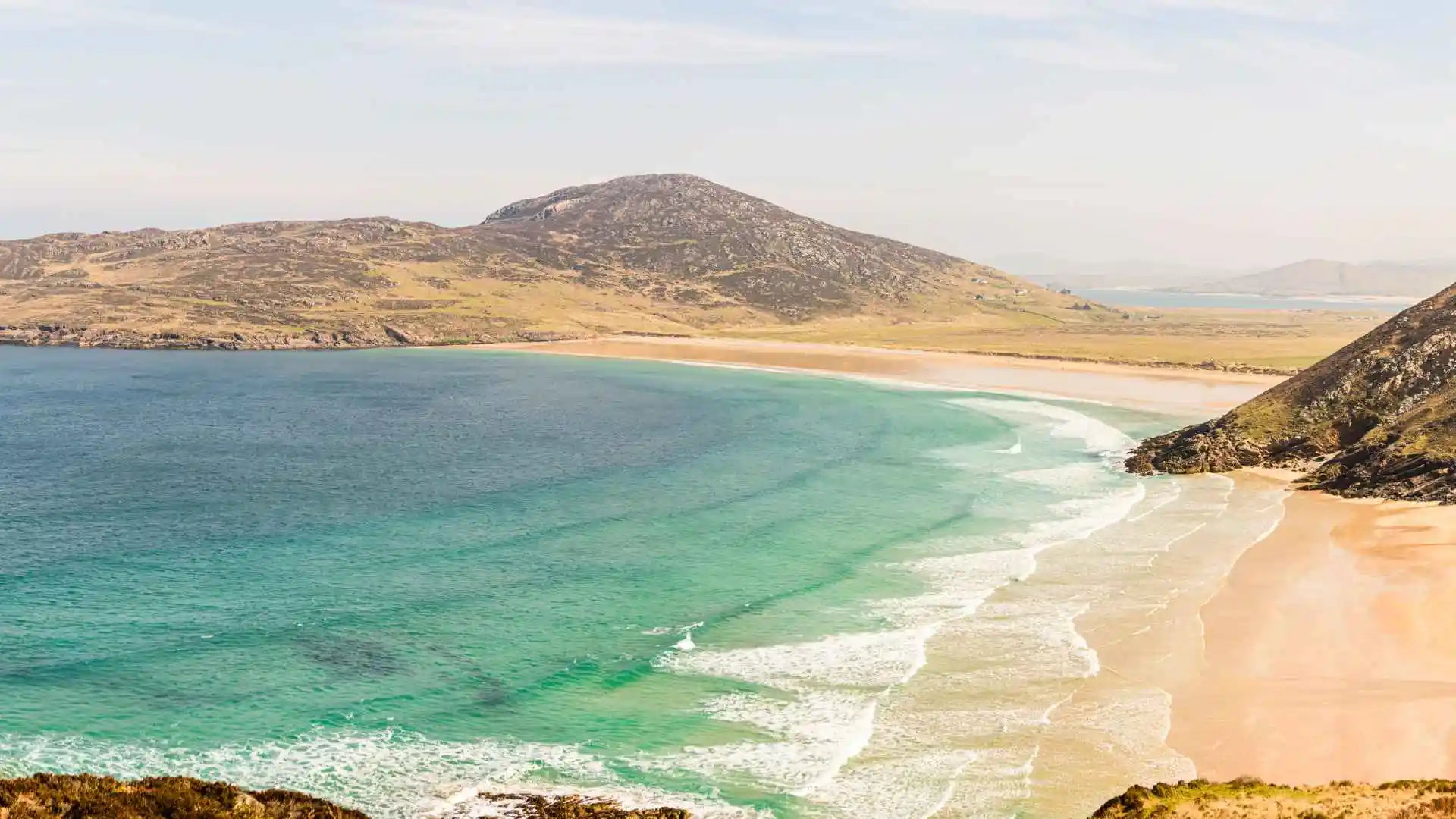
What if a single stretch of coastline was able to take you from the royal seat of 6th-century high kings to the world’s largest white-sand beach?
The majority of visitors to the west of Ireland are caught in the same spin-off tourist routes and don’t get the authentic and raw Atlantic glee. You must have a solid and crowd-free roadmap to the best-kept secrets of the coast, especially when exploring the many things to do in Donegal.
This article will help you discover iconic attractions across Donegal, providing the precise history and the secret spots to park with the critical tips you need to have the ultimate off-the-beaten-path experience in Ireland.
Best things to do in Donegal
1. Slieve League Cliffs (Sliabh Liag)
Standing on the edge of the Slieve League, also known as Sliabh Liag is a must when visiting Donegal. Some of the highest sea cliffs in Europe, rising almost 600 metres above the Atlantic Ocean, nearly three times the height of the iconic Cliffs of Moher, and far less crowded.
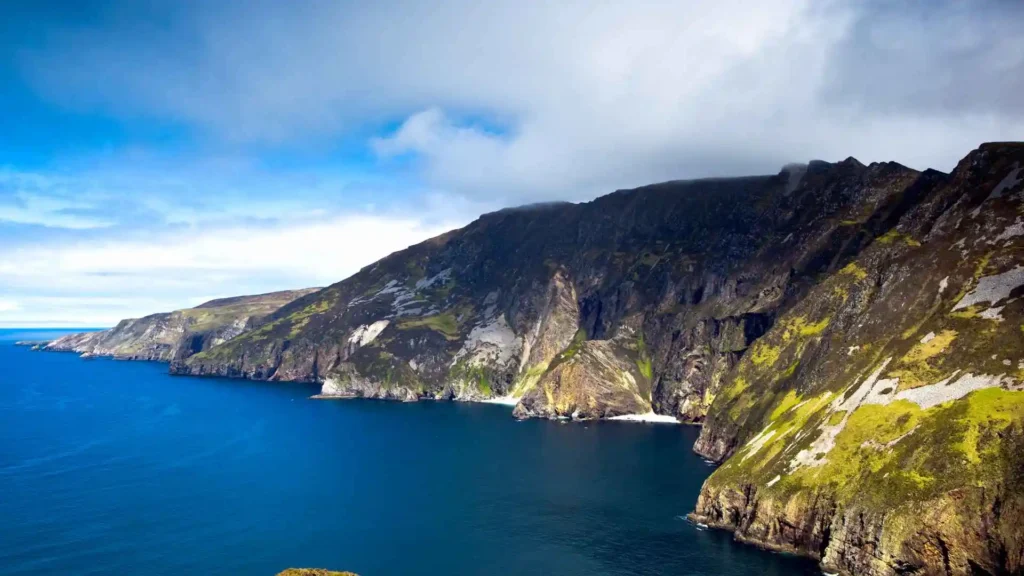
The most convenient hike is from the visitor centre close to Teelin to Bunglass viewpoint. The views are amazing, and it is around 2 km back – less than an hour. Hundreds of metres below are waves rolling in the sea, and hundreds of metres above the sea, seabirds flying by.
If you are steady on your feet, the whole trail goes on along the cliff path to the narrow, knife-edged and steeply sided One Man’s Pass. It’s not for the faint-hearted, but according to seasoned walkers, it’s one of the best walks along the coast of Ireland.
If you don’t want to walk up the hill, then there is a shuttle bus running from the lower car park to an upper viewpoint in the summer (June to August). A visiting centre, toilet and parking facilities are available at the base.
The best way to reach Slieve League is from Donegal Town (via Killybegs, about 50 minutes). Signs to Carrick village then Bunglass. The last part of the road is quite narrow, so take care.
2. Glenveagh National Park
Glenveagh is a kind of place that halts the sentence. The second largest national park in Ireland has a total area of more than 16,000 hectares of mountains, lakes, bogs and native woodlands in the heart of Donegal.
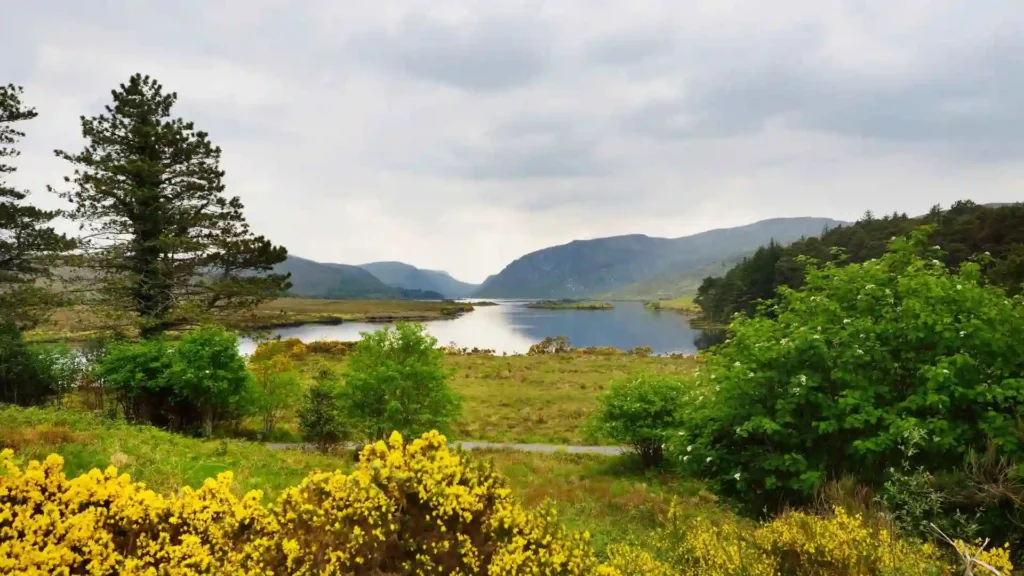
The castle, Glenveagh (19th century), is at its heart a highland-style castle overlooking Lough Veagh. Over the years the castle has had many prominent visitors, including Marilyn Monroe and John Wayne and its gardens, including a Gothic orangery, Italian terrace and Tuscan garden, are amongst the best in Ireland. The Glenveagh National Park is open to the public for free.
The Lough Veagh Lakeside Walk (3.5km) is suitable for all levels of walkers and leads from the visitor centre to the castle. For a more difficult challenge, the ViewPoint Trail is above the castle with panoramic views of the Derryveagh Mountains.
Watch for red deer which move onto the upper mountains during the summer and down to the valleys in the autumn.
3. Malin Head
To reach the northernmost point of the mainland, Malin Head , drive all the way up to the top of the island of Ireland. The views here are stark and dramatic, and with clear skies, out along the coast.
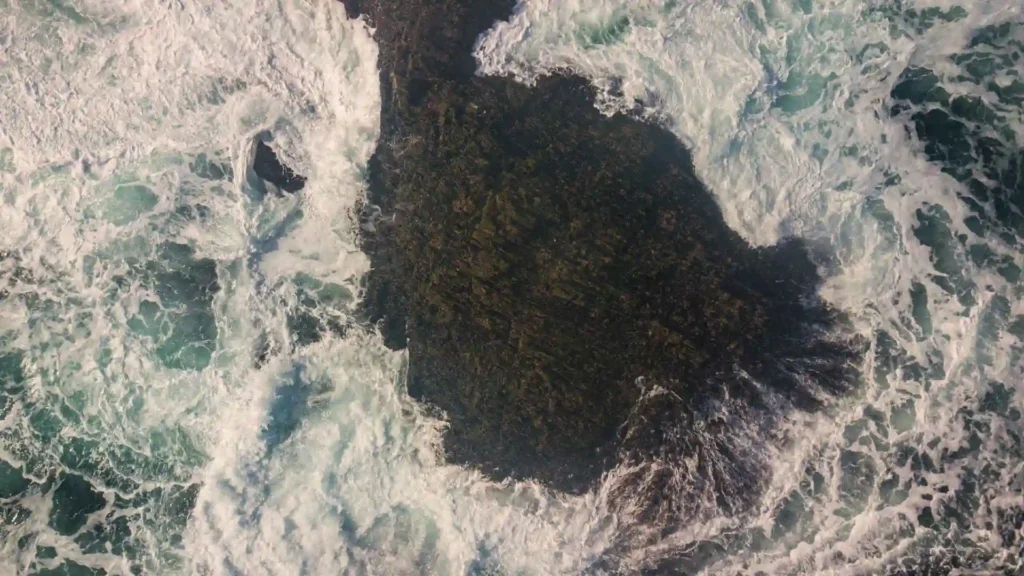
Malin Head also served as a location for the recent Star Wars: The Last Jedi film giving it a new lease on life. However, it has already been attracting visitors for much longer than that, not only for its ‘end of the world’ feel, but also because of its topmost pub in Ireland, Farren’s Bar. It’s the end of the day, and a pint is well-deserved.
4. Errigal Mountain
Errigal is Ireland’s highest peak in Donegal and one of the most iconic mountains in the country. The white quartzite peak stands out over the surrounding boglands, being visible for miles around.
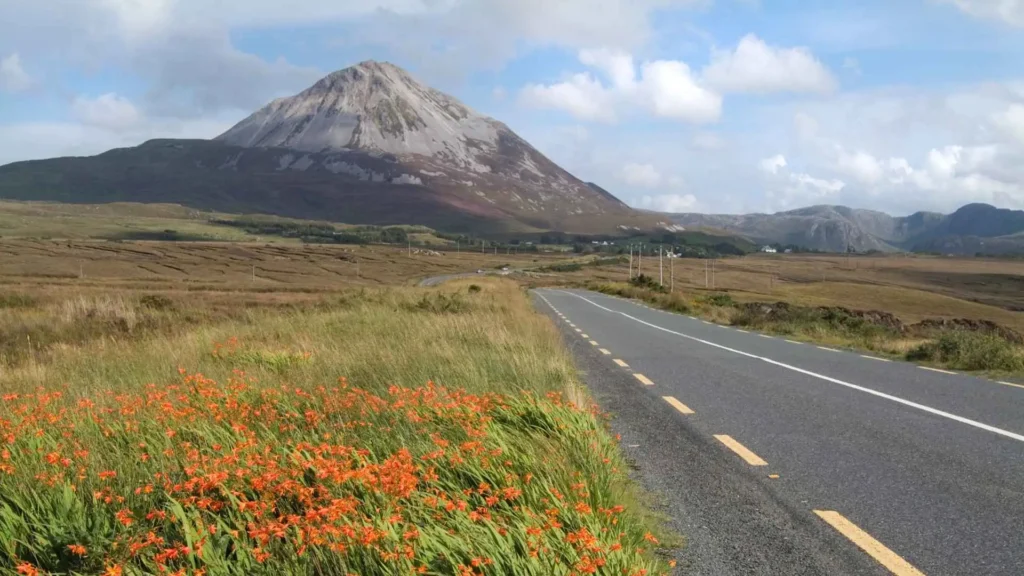
It will take around a three-hour hike to the top from the car park on the R251 near Dunlewey. The last section is a narrow ridge between the two summits, confidence is recommended on the exposed terrain. The pay-off is a panorama of Donegal, Glenveagh and Poisoned Glen far below.
5. The Inishowen 100
Inishowen 100 is a 160km circuit which follows the dramatic coast of the Inishowen Peninsula in the north of Donegal. Traverse sea stacks, abandoned forts, golden beaches and mountain passes.
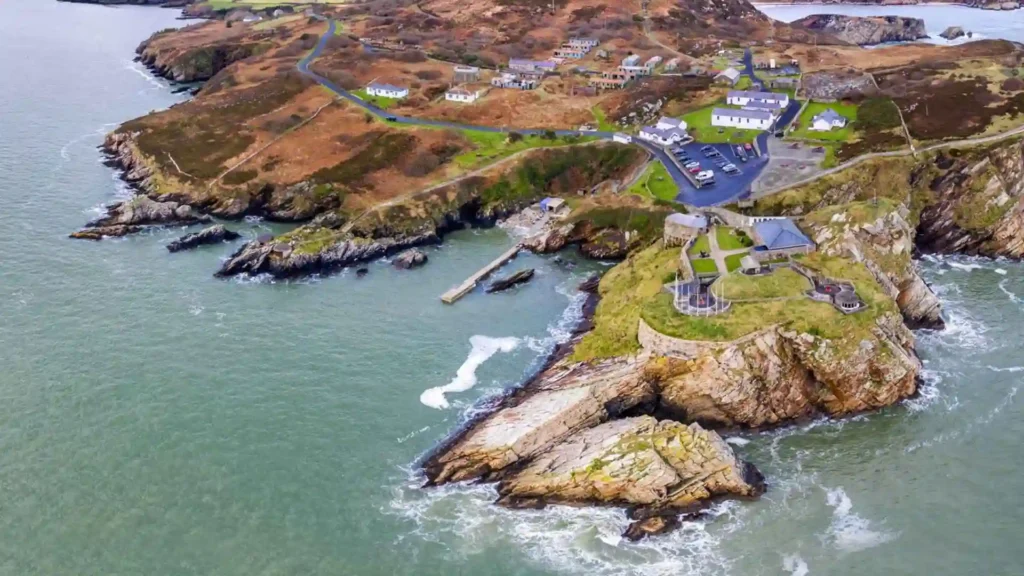
The highlights on the way include Mamore Gap , a steep and winding gap with expansive views across the valleys , and Five Finger Strand (wild beach with huge sand dunes). One of the great Irish road trips, preferably a day or two.
6. Horn Head Drive
Outside of Dunfanaghy, Horn Head has one of the most compact drives in the county in terms of scenery with some of the most spectacular views. The Atlantic cliffs are steep here, and on a clear day can be seen across to Tory Island.
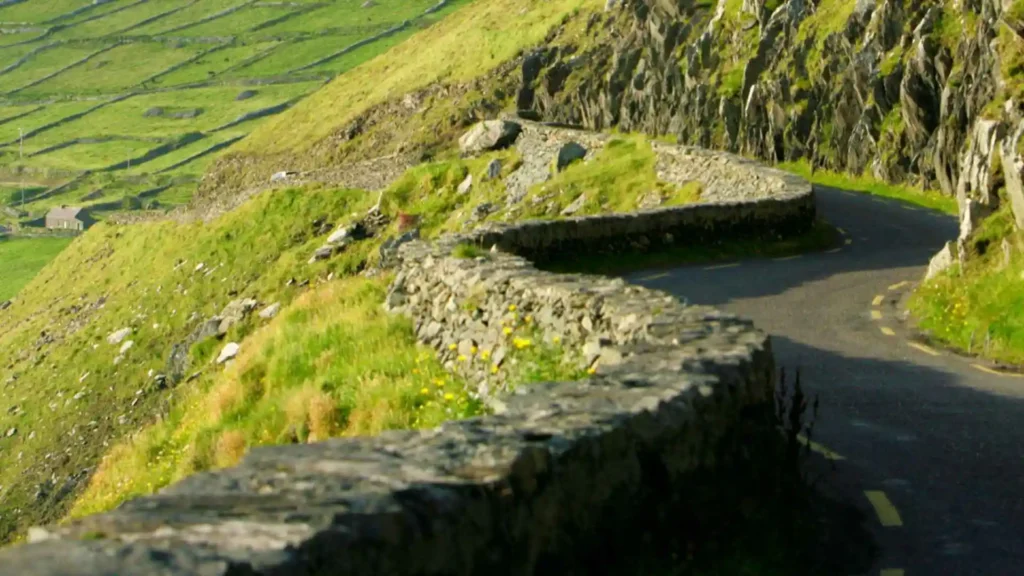
Be aware: in some places, the road is very narrow and has no guardrails. Always take your time and do not rush it, and only do it when it has been well-lit. It’s worthwhile.
7. Glengesh Pass
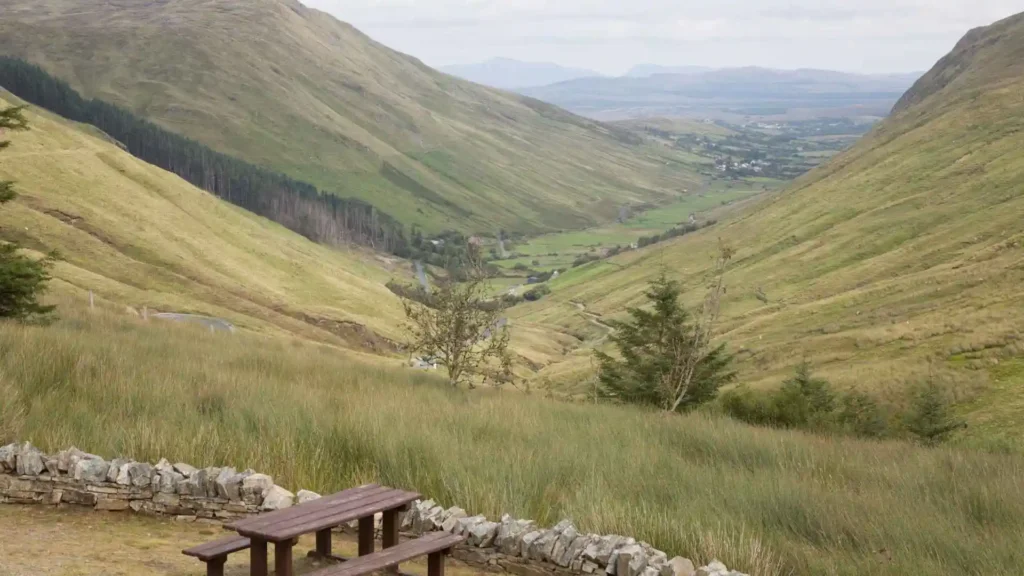
The road passes through the Glengesh Pass, a string of hairpin turns down a wild valley that seems like it’s on another planet between Ardara and Glencolmcille. It’s a road where people do not look at their phones.
8. Knockamany Bends
This is a point of view on the Lagg road above Five Finger Strand, which is easy to miss but shouldn’t be. At the top of the pull-off is a bird’s-eye view of the beach and the extensive dune field behind it. One of the best Donegal photography locations.
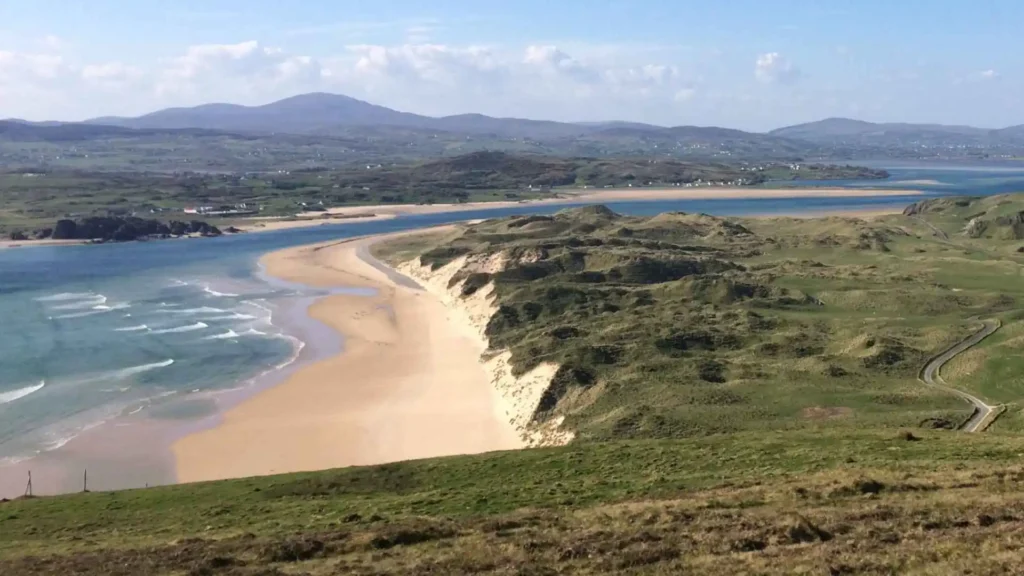
9. Malin Beg (Silver Strand)
The horseshoe-shaped Malin Beg beach is bordered by high cliffs and the water has a striking turquoise hue on a sunny day. It takes 174 steps to reach here, cut into the cliffside, but what’s there is worth it.
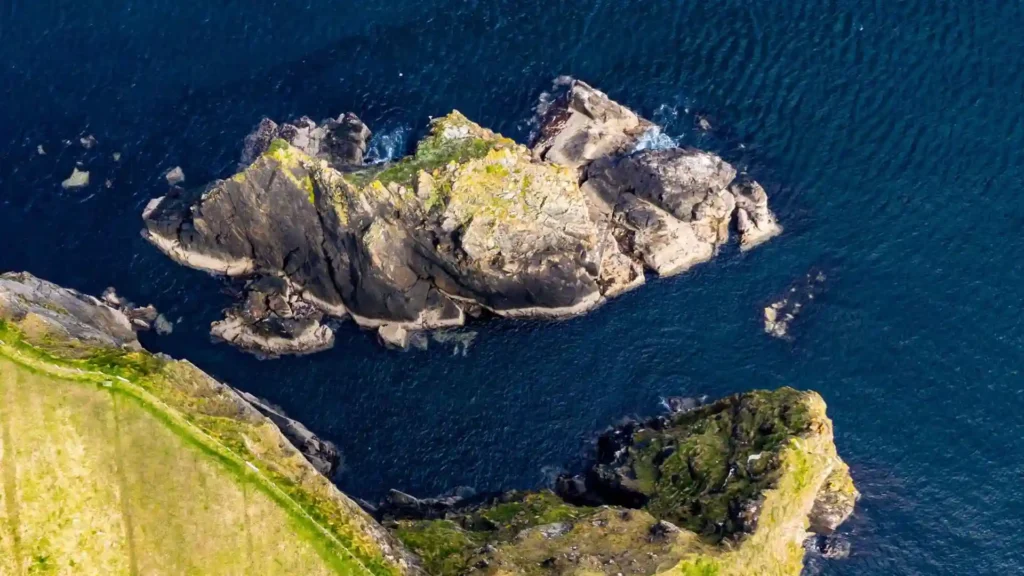
One of those beaches that are truly off the beaten path. If you do visit in the summer, do so early.
10. Tramore Beach, Dunfanaghy
The route to Tramore Beach is not signposted and that’s part of its charm. It can be accessed by a short sand dune cross crossing from a road located near Dunfanaghy. The beach is wild and wide, and is frequently deserted. It is not a place for swimming because of the strong currents, but as a walk through place to clear the mind, it is hard to beat.
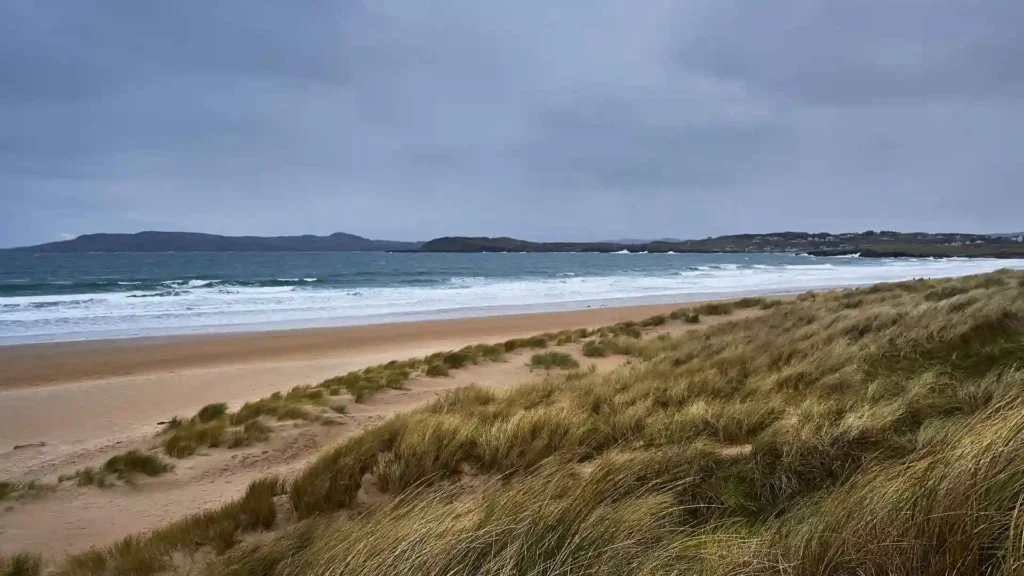
11. Caves of Maghera
Maghera beach in the Gaeltacht is surrounded by massive sea cliffs which hide more than 20 sea caves. They can only be visited on foot at low tide and the timing is important as the caves are not accessible at high tide.
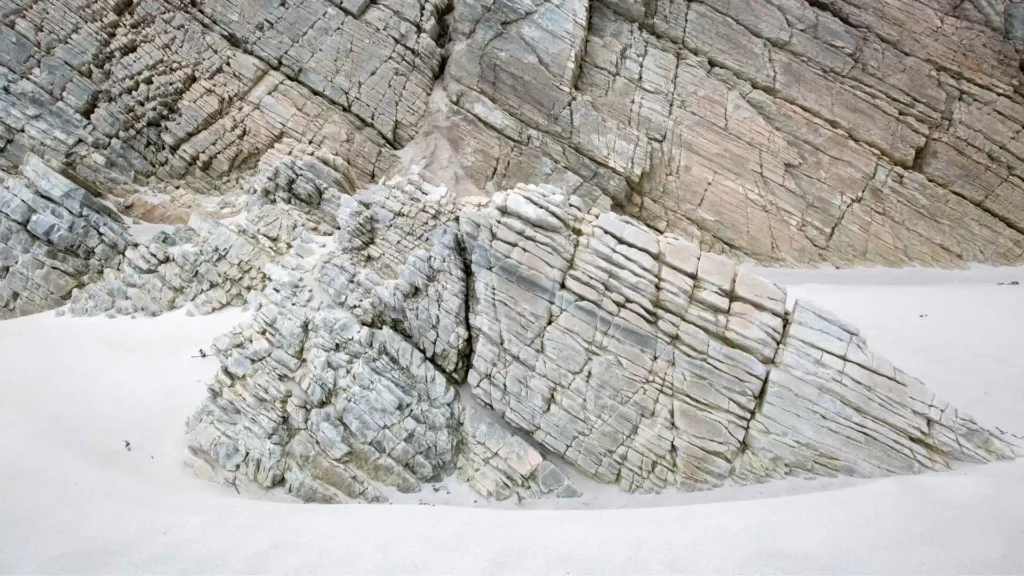
Don’t go out without knowing the time of low tide, and do not overstay your welcome. The beach is actually a destination in its own right, with the dramatic cliffs outlining the view, even if you’re not into the sea.
12. Marble Hill Strand
A broad, golden sand strand, Marble Hill Strand at Sheephaven Bay is sheltered by dunes and gentle headlands which lend a tranquil, protected atmosphere to a beach that is more mellow than the rougher coves of Donegal. A popular Blue Flag beach, it has clear waters and soft sand, perfect for walking, swimming and relaxed coastal views.
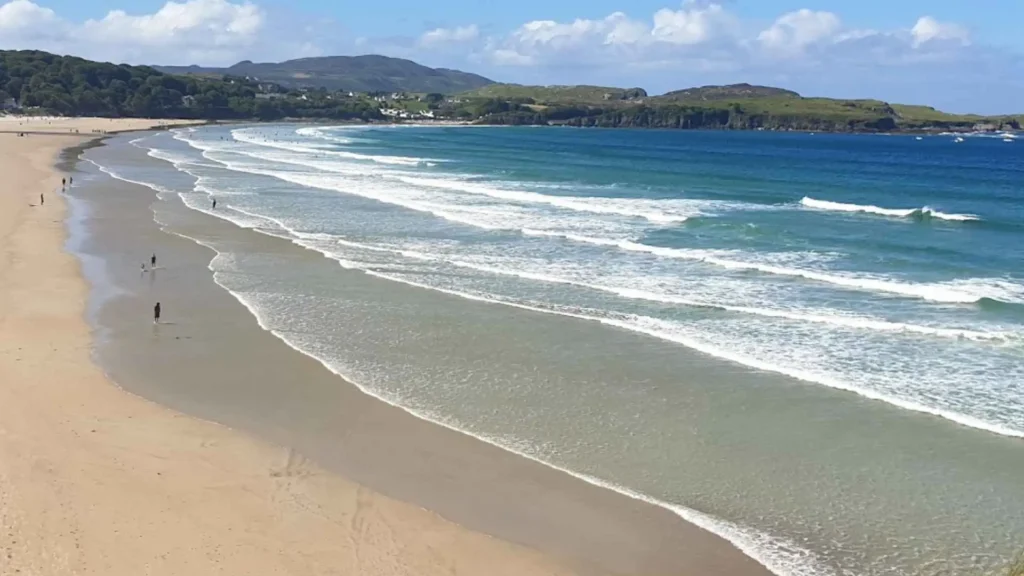
The beach is long and wide at low tide, ideal for a stroll. Although not as secluded as the hidden beaches, it is quite outside the busiest summer months, particularly early in the morning when the bay is calm and less crowded.
13. Donegal Castle
The castle, which gave the county its character, is located in the heart of Donegal Town. Constructed in the 15th century by the O’Donnell family, it was remodelled in the early 1600s by Sir Basil Brooke, who added the Jacobean manor house to the existing tower.
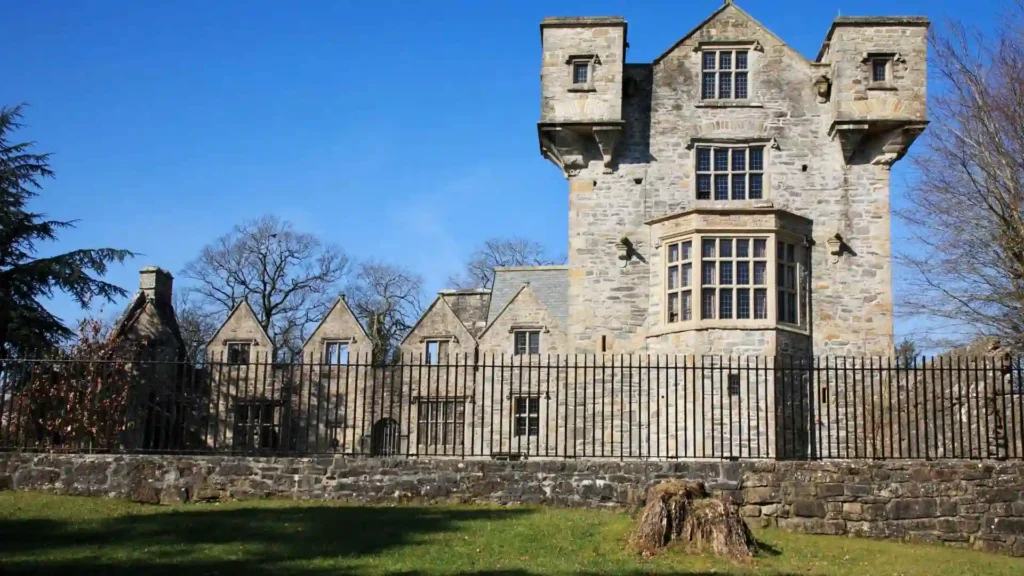
It is one of the best-preserved castles in the north west, and the guided tours provide a good representation of how power and life were lived in mediaeval Donegal.
14. Grianán of Aileach
The Grianán of Aileach is an ancient stone ringfort on a hilltop on the Inishowen Peninsula and is believed to be approximately 4,000 years old. The dry stone walls are several metres high, and visitors are free to walk to the top of the walls overlooking Lough Swilly on one side and Lough Foyle on the other.
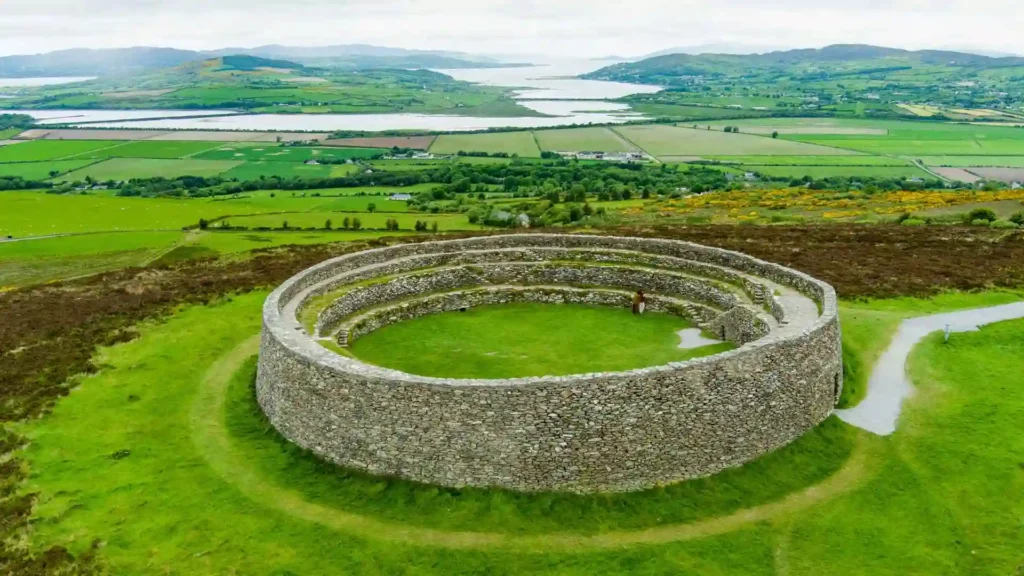
An airy place, not heavily controlled, no admission charge, and you can roam. This is a climb that’s worth it for the view.
15. Beltany Stone Circle
It’s Donegal’s version of Stonehenge, and most people have never heard of it. The stones in the field at Beltany are 64 in total and are arranged in a circle, thought to be approximately 4000 years old, outside of the town of Raphoe. No entrance fee, no gift shop and often no other visitors.
The stones are accessible, walkable and will connect you to a very old thing. It’s a site that will make you pause and reflect.
16. Dunree Fort
Dunree Fort is a military museum on the coast, which stands majestically over Lough Swilly and dates from the Napoleonic Wars. The views of the lough and surrounding hills are stunning, and the museum inside is caring for the history of the coastal defences in Ireland with authenticity.
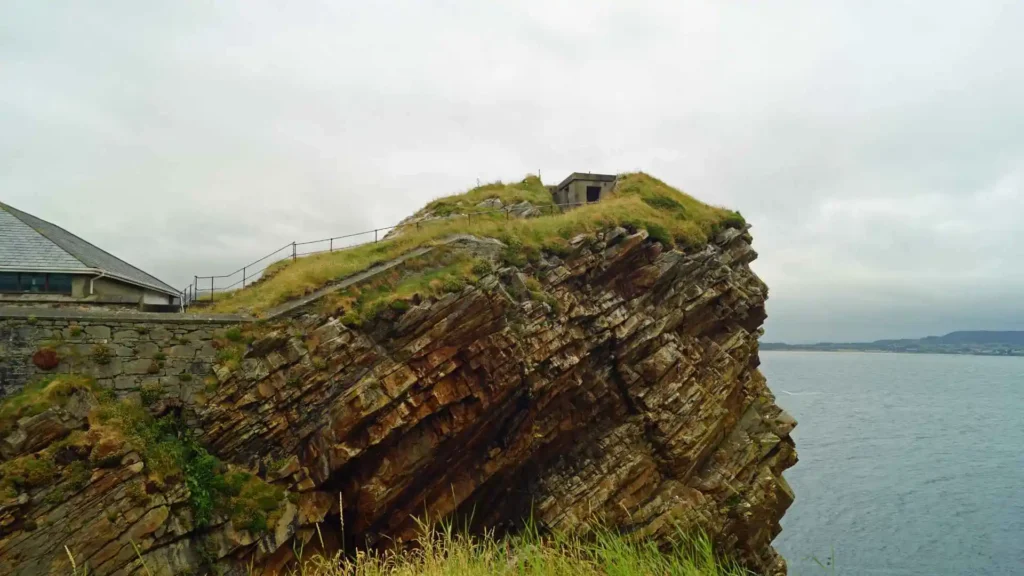
Onsite is a small cafe, set just at the edge of the world.
17. Doagh Famine Village
An open-air museum, the Inishowen Peninsula Museum is a display of Irish history from the Great Famine to today through reconstructed cottages, personal stories and artefacts. It’s immersive, moving and different from most tourist spots in Ireland.
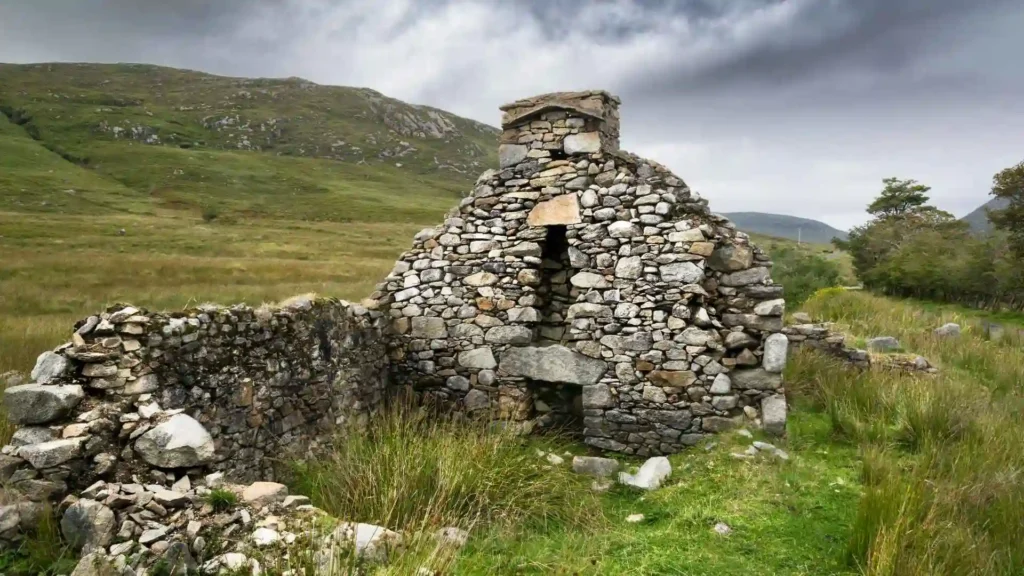
It’s a raw, unpolished experience, not a pretty one. Allow a minimum of 2 hours.
18. Glencolmcille Folk Village
This living history museum in the remote southwest of Donegal faithfully recreates a traditional Irish clachan (community of thatched cottages), each of which has been built for an era between the 17th century and the 20th century. An old school house, a fisherman’s cottage, a weaver’s workshop and a small café, serving traditional fare.
It’s a local institution and has been for the past 60 years. This sense of community is all throughout the visit.
19. Donegal craft village
The Craft Village, just outside Donegal Town, offers a group of studios to view artisans at work. It is the place of the glassblowers, jewellers, ceramicists and textile workers. A good place to buy something actually made in Donegal as opposed to being imported.
20. Belleek pottery
Belleek is on the edge of the county but is frequently suggested on Donegal trips and goes down a jolly good stroll. Pottery has been making its signature basketweave china since 1857, and the guided tours of the factory are interesting, particularly the hand-finishing process.
21. Donegal Railway Heritage Centre
If it’s a quirky and lovely place to go, then the Railway Heritage Centre in Donegal Town is for you to see all the history of the narrow-gauge railway that once ran throughout Donegal County. This modest attraction is well-displayed with original rolling stock and mementoes.
22. Tory Island (Toraigh)
Tory Island is nine miles from the Donegal north-west coast, it has its own king, art movement and community that have lived out here for thousands of years. It’s the most remote inhabited island in Ireland.
The ferry to Bunbeg or Magheroarty will take about an hour, and you’ll end up in a place that truly feels out of the ordinary. There is a 7th-century round tower, a long tradition of storytelling and pubs that stay open till the company holds.
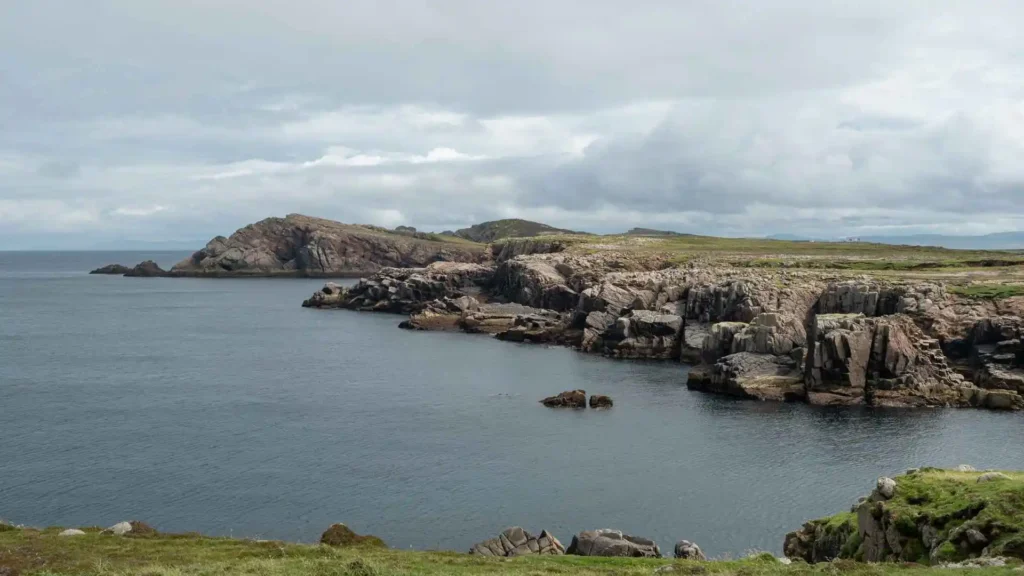
A night stay is preferable, or at least an entire day. There’s no rushing Tory Island.
23. Arranmore Island
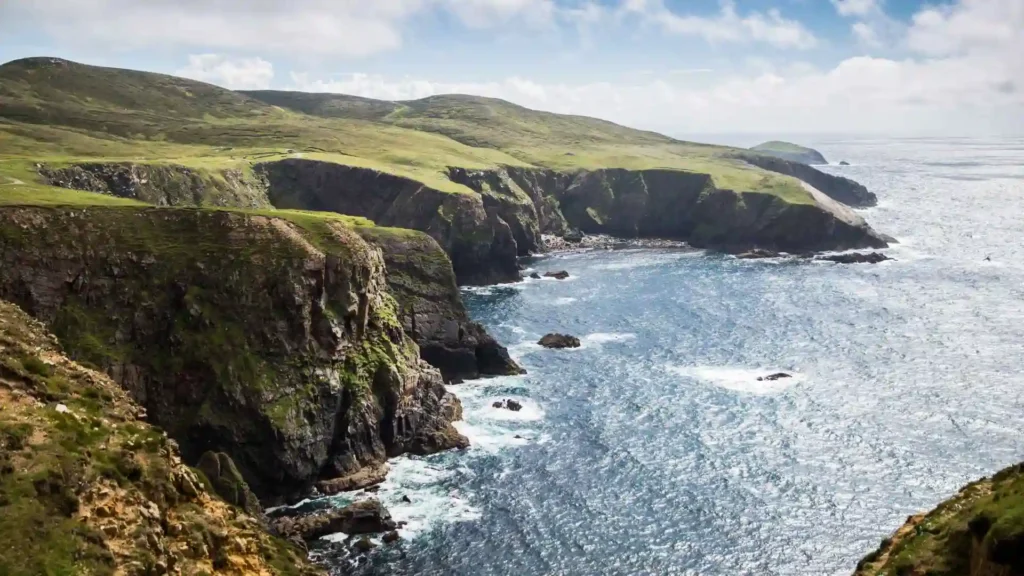
If you aren’t going to Tory but still want to see something worthwhile, then Arranmore is only a 15-minute ferry from Burtonport. It boasts dramatic cliffs, good walking and friendly pubs and has a small permanent population who are more than happy to see visitors. A more relaxed, calm island experience.
24. Surfing in Bundoran
Bundoran is said to be the surf capital of Ireland, and it’s not hard to see why. The Peak is a reef break directly in front of the town and is a popular spot for experienced surfers from all over Europe. For novices, Tullan Strand is just north of town for less choppy waters, and several surf schools provide lessons and board rental.
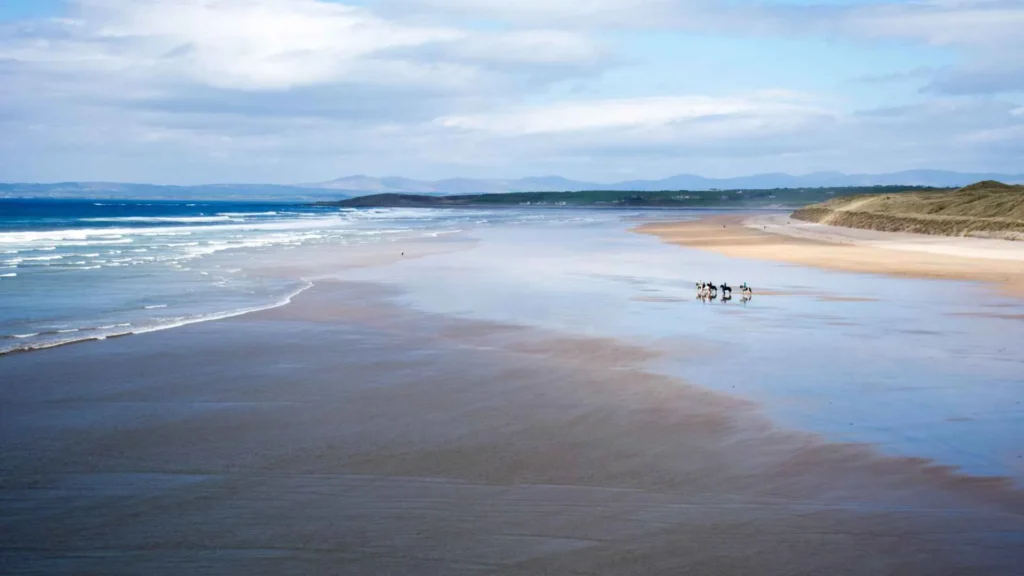
The reliable beach at Rossnowlagh, 20 km up the coast from Bundoran, has a 3 km beach and is home to one of Ireland’s first surf clubs.
25. Wild Swimming and Lake Jumping at Lough Dunlewey
Donegal is a growing hotspot for wild swimming and not without reason. The county has a dozen or more clean lakes and waterfront locations to dive into. Lough Dunlewey, below Errigal, is a popular swimming site in the summer, and numerous less-populated beaches on the north-west coast are swimming beaches when the weather is good.
Don’t enter any unfamiliar water unless you check the safety of the water and local guidance.
26. Horse-riding on the beaches
There are several horse centres in Donegal that provide beach riding too, the Donegal Equestrian Centre being one of the longest established. Nothing lasts like riding a Donegal beach with the Atlantic in the background, and it’s available to those who are beginners.
27. Ards Forest Park
Ards Forest Park near Creeslough has more than 480 hectares of woodland, sand dunes, salt marsh and beach. There are nine different walking trails, eight of which are easy walks and one longer one, picnic areas and a small play area. One of the best family days out in the county all year round.
28. Wild Ireland and Castle Adventure Park
Wild Ireland near Burnfoot is a wildlife sanctuary that features wolves, bears, lynx and other native species that once roamed Ireland. It is so educational, well organised and a real wonder to children and adults.
Younger children can enjoy a more hands-on experience with farm animals and playgrounds, as well as outdoor activities at Castle Adventure Farm in Donegal Town.
29. Arena 7 and Bundoran Adventure Park
Arena 7, Letterkenny, offers bowling, laser tag and arcade games for a a rainy day when the weather goes sour – and it does. Bundoran Adventure Park is a traditional funfair and has been a mainstay in the town for years, providing funfair rides and amusements.
30. Fanad Head Lighthouse
Located on the beautiful Fanad Peninsula between Lough Swilly and Mulroy Bay, Fanad Head Lighthouse is one of the most photographed lighthouses in Ireland. It was first lit on St. Patrick’s Day 1817 and was constructed in response to the wrecking of HMS Saldanha that resulted in the loss of more than 250 lives, although there is a tale that the only one to survive was the ship’s parrot.
There are guided tower tours for several languages, a virtual reality experience and a multi-sensory audio experience. For something a little more unusual, you can stay overnight in the restored lighthouse keeper’s cottages.
Enjoying the drive to Fanad Head through the Fanad Peninsula is its own reward — lots of rolling countryside, views of the sea and minimal traffic. Give at least a half-day minimum.
31. Glenevin Waterfall
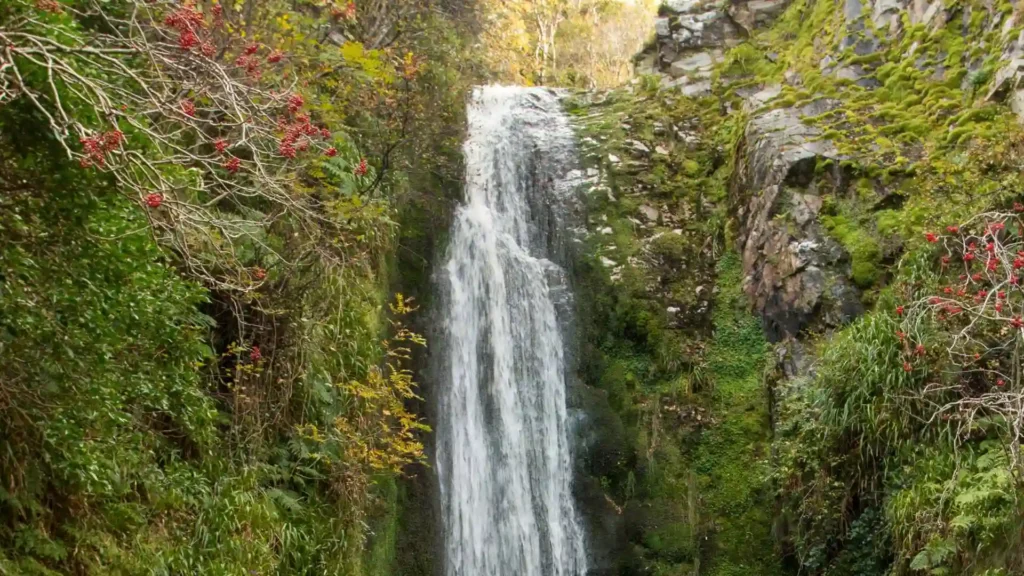
Glenevin Waterfall is located near Clonmany in the Inishowen Peninsula, which can be accessed from there in about 30 minutes on a walk through the forest. The trail is well-kept, good for the whole family, and the final waterfall is very impressive. It’s a low-effort, high-reward win.
32. Assaranca Waterfall
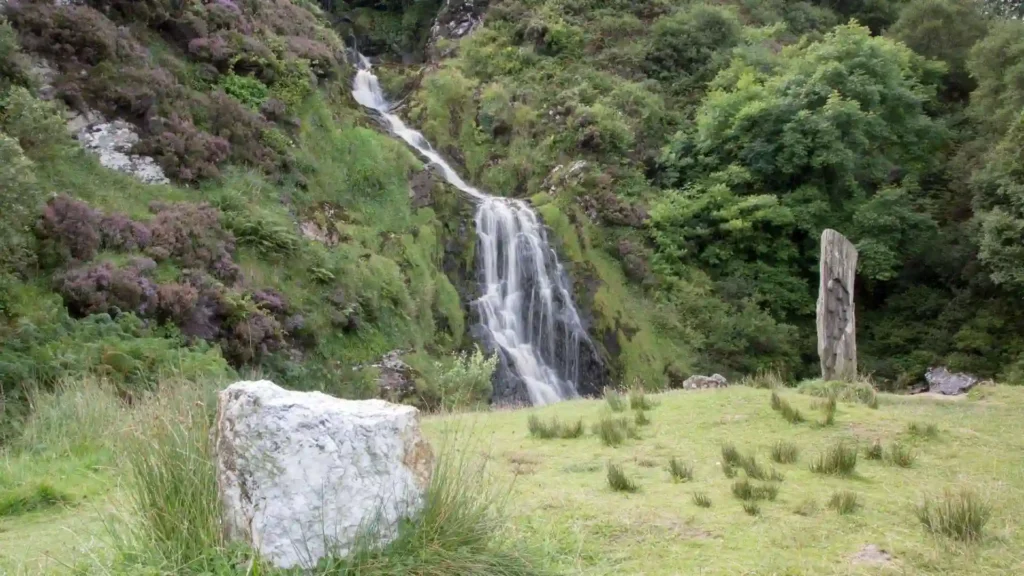
Assaranca is one of Donegal’s easiest waterfalls to access and stands right beside the road near Ardara. There it is — a broad, powerful waterfall plunging over dark rock, and you pull over and walk a few steps to the edge, and there it is. No hiking required.
33. Ardnamona Woods, Lough Eske
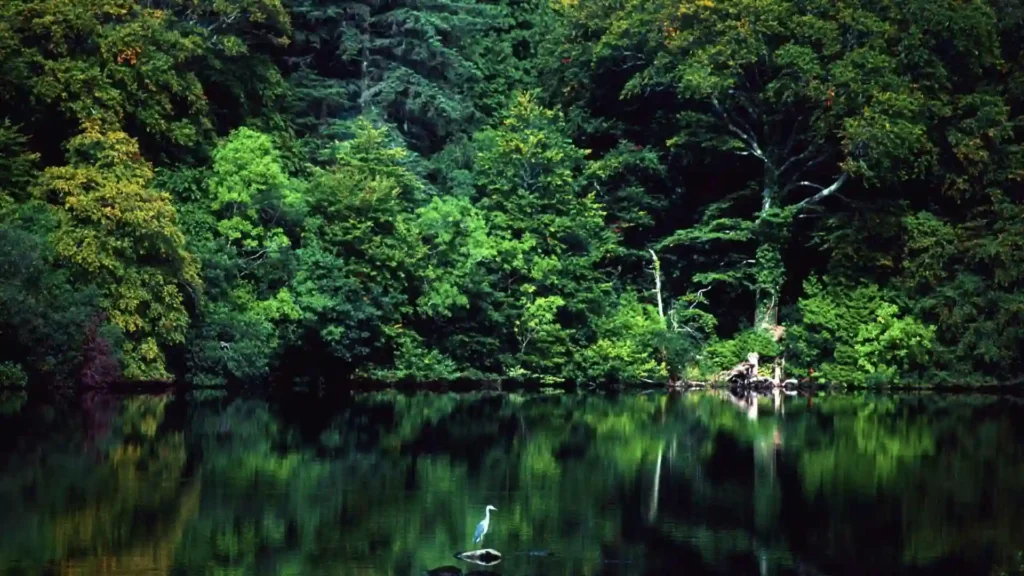
The woodland walk at Ardnamona by Lough Eske is a quiet, pretty trail which is a favourite one to be missed. The rhododendron gardens here were once regarded as amongst the best in the country, and during the late spring, the colours are very spectacular. Have dinner at Harvey’s Point overlooking the lake.
34. Killybegs Seafood
One of Ireland’s biggest fishing ports and fish and chip consumption here is less than your average fish and chips: this is the fish that actually got brought in that morning. There are several restaurants located along the harbour that offer fish and shellfish from the local fishing fleet.
There are an awful lot of restaurants in this region that specialise in local seafood, scallops, hake and whatever the Killybegs fleet managed to catch that day. It’s not a “chi-chi” dining experience, but it’ll be some of the freshest fish of any place in Ireland.
35. Traditional pubs and Trad sessions
Live music has a long tradition in Donegal, and the pub sessions here are not for tourists but rather for musicians that have been playing together for years.
The Gaeltacht villages in the north-west, particularly those around Gweedore and Glencolmcille, are particularly well-endowed with trad music scenes. The family of musicians behind Clannad and Enya live in Leo’s Tavern, near Gweedore, where live music sessions have been held for decades.
The Bridge Bar is the perfect place to come back from a surf in Bundoran with bowls of seafood chowder, pints of Guinness and a surf cam with live action from The Peak.
36. Donegal Town Bank Trail and Walking Tour
Small enough to be walked through completely, Donegal Town has a history all the way around its streets more than meets the eye. The Bank Trail tours the town’s most important historical and cultural landmarks, beginning at The Diamond and ending at the ruins of the abbey on the water’s edge and the castle.
A walking tour, led by one of the guides, will help you appreciate the full story – particularly for first-time visitors. Partially destroyed in 1601, the abbey, founded in 1474, is easy to overlook from afar but very extraordinary when viewed up close.
37. Ramelton
Ramelton is a small heritage town on the River Lennon in east Donegal and is well worth an hour or two of any visitor’s time. It reflects a Scottish planter past in its architecture; the riverbank is lined with trees and is one of the most picturesque areas in the county.
Here are good cafés and a real feeling that the town has been left to get on. That’s a compliment.
Practical tips and best time to visit
What is the Best time to visit Donegal
The ideal weather and daylight hours are during the months from May to September. The longest days are in June and July, great for long walks on the cliffs or visits to islands. But Donegal during autumn – particularly October – has a moody, spectacular quality and is a traveller’s delight for a different sort of traveller.
Try not to have days filled with outdoor activities on bank holiday weekends during the summer months of July and August, as the more popular areas such as Slieve League and Glenveagh become somewhat more crowded.
Getting around Donegal
In Donegal, a car is a must-have to explore the area adequately. Town-to-town transport is available but is limited, and not all of the best features are accessed by bus. But if you are travelling by air, Donegal Airport near Carrickfinn is a small airport with a good location for the northwest. There is the option to cross from Dublin, which takes about three and a half hours.
Roads in more remote areas of the county are generally narrow, some of which may be single-lane. Go slow, use passing places and give way freely.