
St Patrick’s Day Parade Dublin: Route, Time, Tickets & Travel Guide
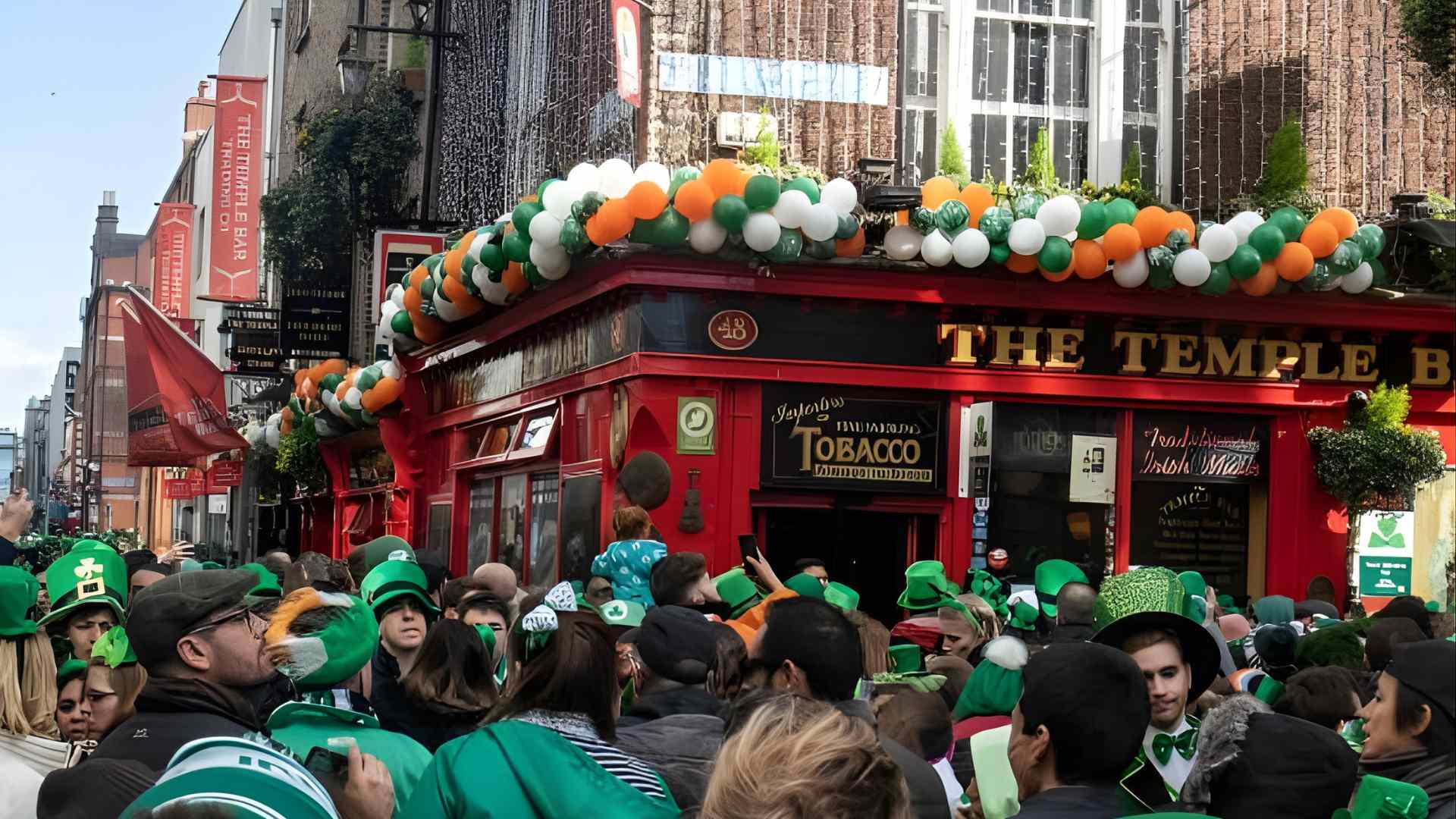
The St Patrick’s Day Parade in Dublin is an international event held every year on March 17. The city centre turns green as more than 500,000 people from around the world gather to watch Ireland’s main national celebration. The parade usually takes place in the morning and starts around 12.00 PM.
It features large floats, international marching bands, and theatrical performances that reflect Irish creativity and culture. Whether you are a local or visiting for the first time, it is important to understand the scale of the event and plan other things to do in Dublin around parade day.
Full Parade Route and Timing Explained
Traversing the Dublin parade route helps you choose a good viewing spot. The parade usually starts at Parnell Square North on the north side of the city. It then moves down O’Connell Street, crosses the River Liffey via O’Connell Bridge, and continues through the city centre.
From there, the route follows Westmoreland Street, passing Trinity College, before turning onto Dame Street. The final stretch brings performers past Christchurch Cathedral and finishes near St Patrick’s Cathedral and Kevin Street.
The full parade route covers around 2.5 kilometres. While the leading floats complete the route in under 90 minutes, the large number of participants means the parade takes about two hours to pass any single point. This includes mechanical floats and internationally recognised dance groups.
Parade Logistics: Tickets, Accessibility and Rules

The St Patrick’s Day parade in Dublin is free to watch. You can stand along the route without a ticket and view the parade from the street barriers.
If you want a seat and a clear view, you can book grandstand tickets in advance. These are located at Parnell Square, O’Connell Street, and near Christchurch. Tickets are sold through the official St Patrick’s Festival website. Prices usually range from €25 to €40, with child discounts available. These seats sell out early, so advance booking is essential.
Accessible viewing zones are available for wheelchair users and visitors with sensory needs. These areas are free but must be reserved in advance via the official festival website. Capacity is limited.
Street drinking is not allowed during the parade. Large bags are impractical in crowds. Bring a small backpack and rain gear, as Dublin weather can change quickly.
Travel and Transport on Parade Day
Transportation of the Dublin parade is the task that needs a proactive approach, and the city centre turns into a pedestrian area at least temporarily. In order to facilitate the crowds that are very large, a road closure St Patrick’s Day Dublin schedule is adhered to.
The majority of the major roads around the parade course, such as O’Connell Street, Dame Street, and the Quays, are shut down as early as 4.00 AM or 5.00 AM on March 17th and remain closed until late in the evening.
Best Transport Modes
- DART and Commuter Rail: This is the location that is usually the most likely to get to the city. The Irish Rail tends to add additional services; however, be prepared for standing room only. Use Pearse Street, Tara Street, or Connolly, all within walking distance of the route.
- LUAS (Tram): The Luas Green and Red lines will provide service, albeit there is usually limited service. As an example, during the event, the Green Line is normally terminated at Dominic or St Stephen’s Green and does not stop at the points along the parade route.
- Bus Services: Dublin Bus has a Sunday schedule, where it has considerable diversions. It will see a lot of buses end at the city edges (such as Phibsborough or Rathmines) instead of passing through the centre.
Parking Alternatives
It is highly recommended that one should not drive into the city centre. In case you have to drive, one of your parking options would be to park at Park and Ride centres of outer stations on the LUAS or DART.
When you want to use car parks in the city centre, it might happen that you will be locked up until the removal of road closures in the evening. Many visitors wait out road closures by relaxing in nearby areas such as St Stephen’s Green Park once the parade ends.
Always make sure not to miss the latest update on the National Transportation Authority (NTA) or the Real Time Ireland app prior to leaving your accommodation to consider any last-minute alterations in the Dublin parade transport system.
Parade History in Dublin
St Patrick’s Day has been celebrated for centuries. It is only recently that the St Patrick’s Day parade in Dublin has been celebrated as a formal and organised event. In 1931, the first official “State” parade was held.
During those early days, the affair was far different than the vibrant event seen today. It was to a great extent a solemn, religious, and military procession.
This changed in the mid-1990s when the Irish government formed the St Patrick’s Festival group. It was aimed at turning the 17th of March into a multi-day cultural event that would be able to compete with the rest of the world.

This development led to the introduction of high-concept pageantry floats, which shifted the traditional themes to more modern artistic perceptions of Irish folklore and Irish identity.
Other traditions special to the city are the Grand Marshal – the title of a person of some importance (including athletes and actors) who takes part in the lead of the march. The parade has been developed over the years to be a mixture of cultures in Dublin. Therefore, it represents modern, multicultural Ireland, whilst remembering the heritage of the St Patrick’s Day parade in Dublin, using traditional music and the representative shamrock.
Other St Patrick’s Day Events in Dublin
The festival is simply the highlight of a much more extensive festival programme that Dublin has to offer. During the St Patrick’s Festival (usually 4-5 days long), the city is a busy place. You will hear traditional music, chants, and Irish expressions throughout the city during the celebrations.
The Collins Barracks Festival Quarter is a significant centre with day-to-night programming such as concerts, markets, and exhibitions. Families may have fun on the so-called Festival Big Day Out with the presence of street theatre and workshops, and music lovers may find traditional Irish “sessions” in nearly every pub in Temple Bar.
The other St Patrick’s Day events which the Dublin visitors cannot afford to miss are the ” Green Lands” cultural trails and spectacular light shows, whereby the iconic buildings in the city are lit with the colour green lights.
Conclusion
The Dublin St Patrick’s Day parade is a free citywide event that attracts huge crowds of people across the world. Due to the extraordinary level of traffic congestion, prior planning is the only method of having a hassle-free and pleasant experience.
Keep in mind that the parade is only a part of the long and colourful multi-day event that is full of concerts, family-friendly events, and cultural events. So, plan well beforehand and have the best March of your life in Dublin.