Celtic Gods and Goddesses: A Complete Guide to Ancient Mythology
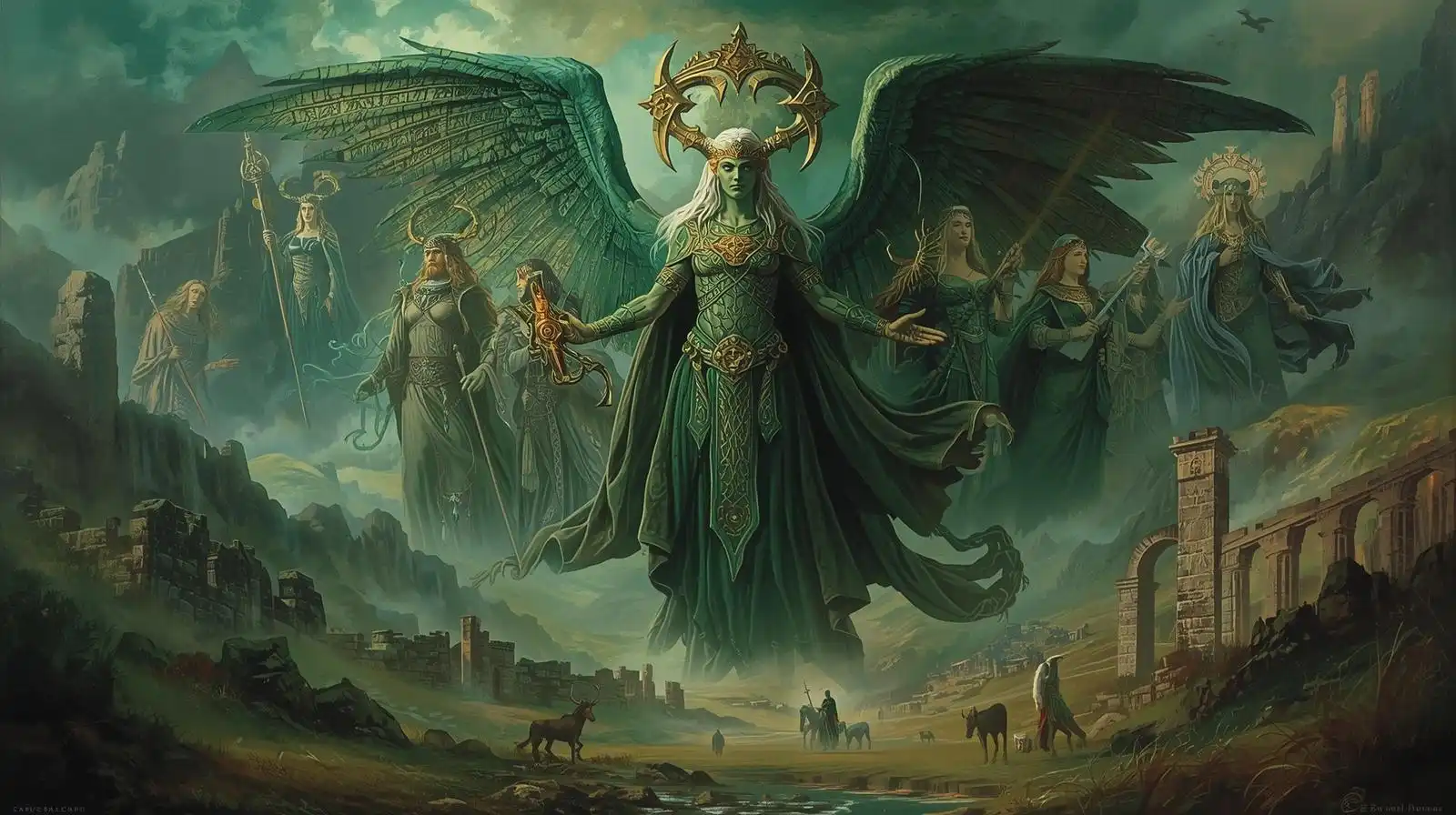
Celtic mythology refers to a set of traditional stories and beliefs passed down to Europeans by the Celts. It is a polytheistic religion, meaning that the Celts worshipped many deities associated with nature, war, fertility, and the supernatural world. It was believed that Celtic gods and goddesses had divine power. They were powerful enough to influence their daily life, nature, and destiny.
Tuatha Dé Danann, a central group in Irish mythology, is described as a supernatural race. It represents many of the pre-Christian deities. They were believed to have supernatural powers and exist between humans and the other world. Together, these beliefs and stories form Irish mythology. They help us understand how Celtic societies believed in the influence of these gods and goddesses.
Origins of Celtic Mythology
Ancient Celtic societies of Ireland, Europe, and Britain developed these Celtic mythologies. Celtic belief systems were primarily polytheistic, focusing on nature, seasonal cycles, and spiritual forces associated with rivers, land, and other worlds. These traditions were passed to later generations through oral storytelling by bards and druids. Many myths evolved over centuries before they were recorded somewhere.
Most common Celtic myths were written by Christian monks in the early medieval period. They preserved these stories in manuscripts such as the Book of Leinster. These stories retained pre-Christian beliefs while reshaping some details.
Celtic mythology is categorised into different cycles. The four main cycles include the Mythological Cycle, Ulster Cycle, Fenian Cycle, and Historical Cycle. Together, these cycles have preserved the Celtic identity, heroic traditions, and cultural memory.
Understanding the Tuatha Dé Danann
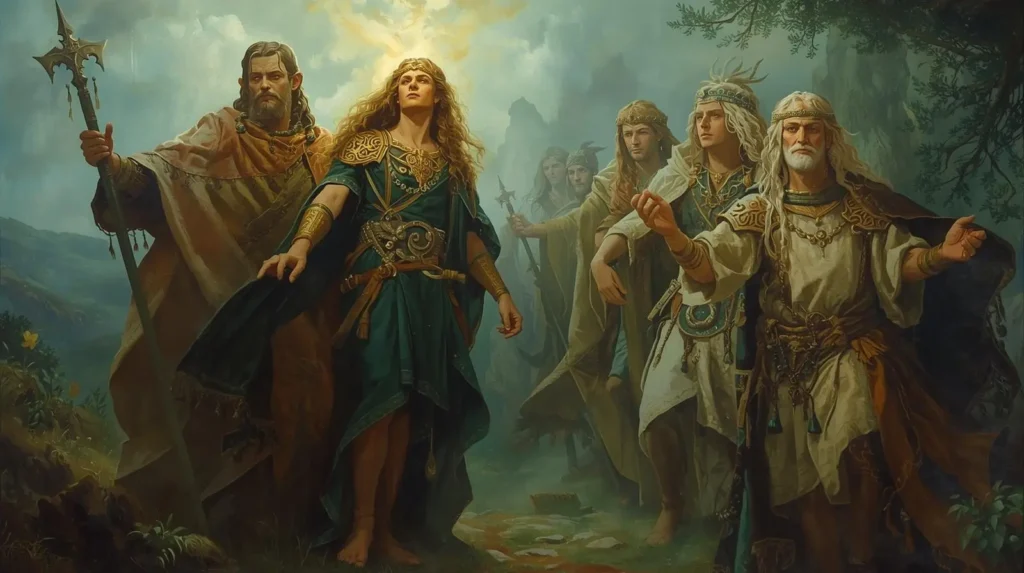
Tuatha Dé Danann, the most important divine group in Celtic mythology, is translated as People of the Goddess Danu. The name suggests a connection to the mother goddess. They are believed to possess advanced knowledge of magic, art, and science.
According to mythology, the Tuatha Dé Danann arrived in Ireland and became its rulers after defeating the inhabitants. The famous gods and goddesses, including Dagd, Brigid, and Lugh, are considered members of the divine race. Most of these gods interact with humans as powerful supernatural beings.
With the passage of time, these gods and goddesses retreated into the other world. They became associated with folklore and supernatural worlds rather than acting as physical rulers.
According to Celtic mythology, Tautha De Dannan represents a connection between ancient Celtic gods and later folklore traditions. This shows their importance in understanding the Celtic belief system
Key Celtic Gods and Goddesses List
There is a wide range of gods and goddesses in Celtic mythology, including those related to nature, war, craftsmanship, sovereignty, etc. The majority of these deities belong to Irish mythology, some are believed to come across celtic regions such as Britain and Gaul. Let’s have an overview of these deities, including their region, power, and stories.
Dagda
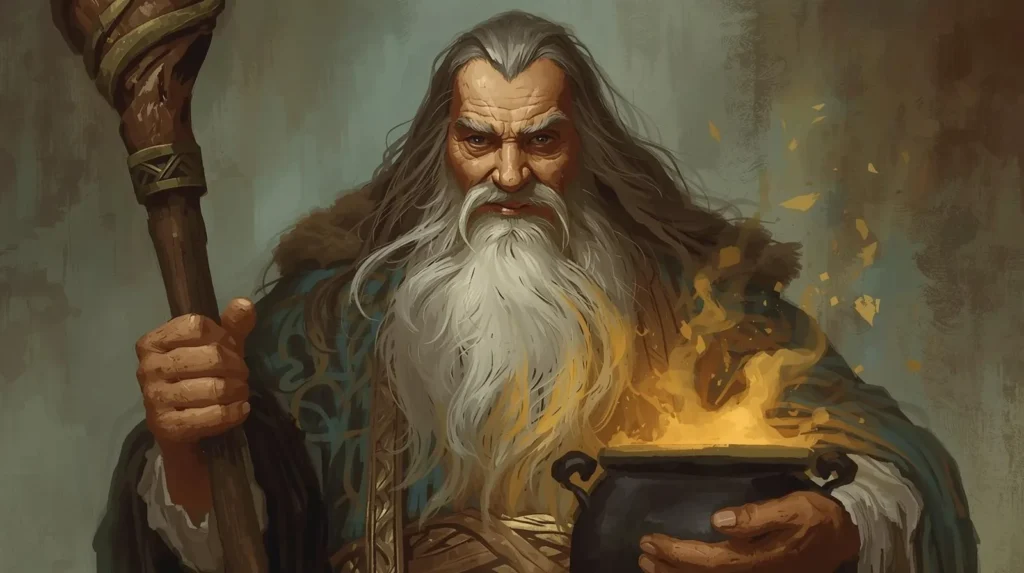
The main powerful figure in Irish mythology is Dagda, and a key member of Tuatha Dé Danann. Known as a good God, he is associated with fertility, protection, and wisdom. The title “Good” implies his great powers rather than moral goodness.
He is known as a father figure. His symbols include a cauldron and a harp, which never left anyone hungry. According to various myths, Dagda played an important role in wars and served as a leader. He had control over weather, seasons, balance, and prosperity.
Lugh
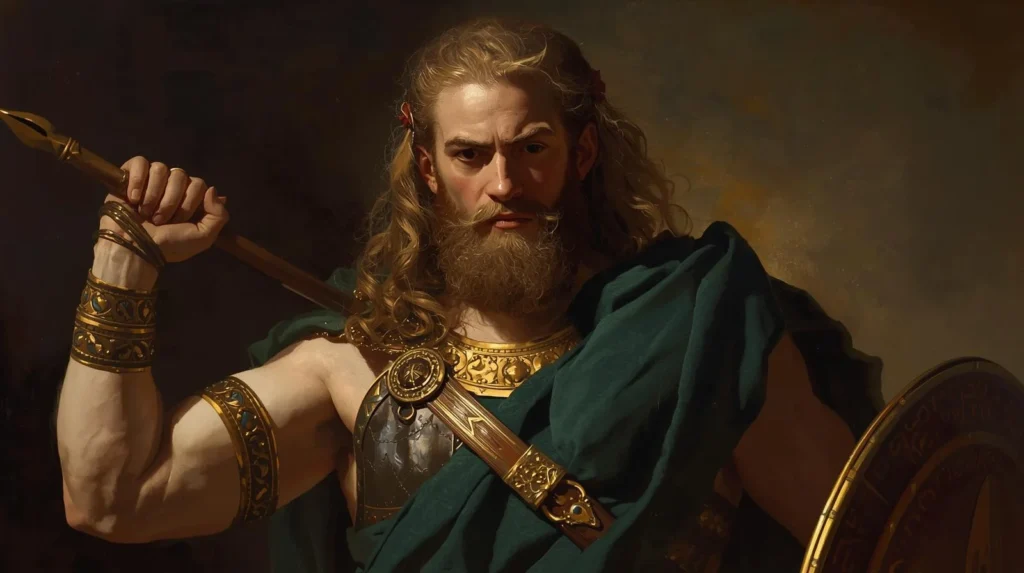
The Celtic god Lugh is famous as an expert in many skills. He is known as a craftsman, warrior, and king. His name is associated with light, skill, and victory. His symbols include a magical spear and a sling stone that ensures success in battles. It also symbolizes heroic strength.
He is also known as Samildánach, meaning “master of many skills.” Lugh is also associated with the festival of Lughnasadh, which celebrates harvest and skill. Irish mythology also shows his connection to Cú Chulainn, who is portrayed as sharing a divine lineage with Lugh.
Brigid
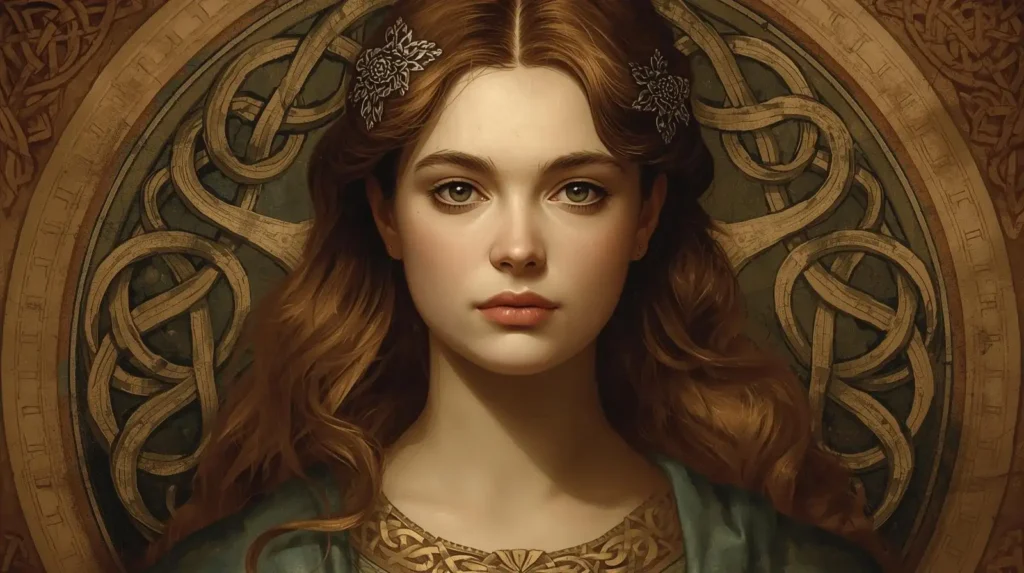
Brigid goddess, is known as the goddess of fertility, healing, agriculture, poetry, and protection. She is the symbol of creativity, both spiritual and physical. She was believed to have two sisters of the same name. Often described as a triple aspect, she shows different but related forms of divine power, including healing, inspiration, and smithcraft.
The symbols of fire, wells, and sacred animals represent her. According to a Christian tradition, Brigid later became connected with Saint Brigid. It shows how Celtic beliefs got blended with religious influence.
Morrigan
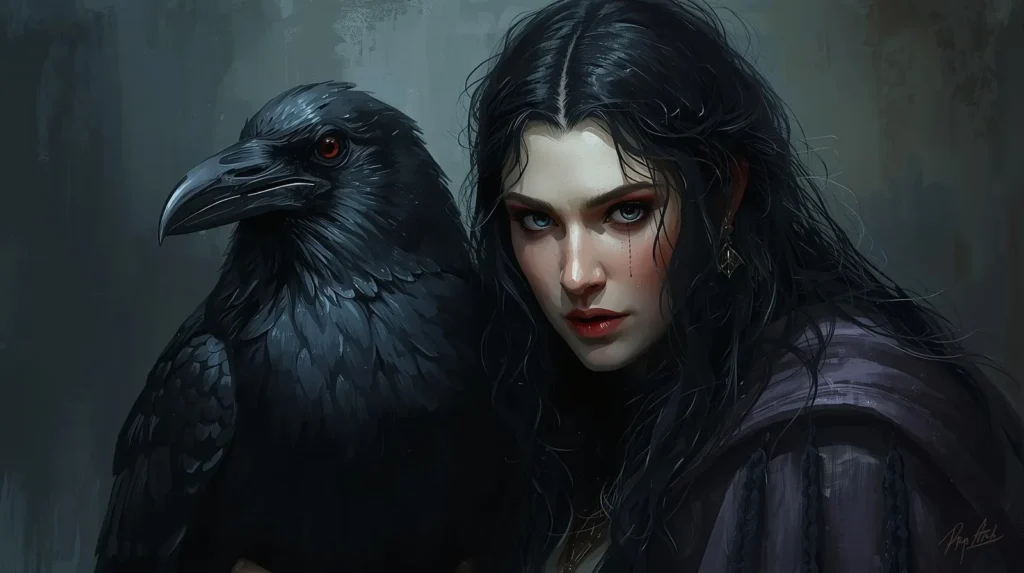
Morrigan, a Celtic goddess, is known as the goddess of war, fate, and prophecy. There are two views about her: sometimes as a single goddess and sometimes as a triple war goddess. As a triple war goddess, she includes Badb and Macha.
She predicts victory or doom in wars and mostly appears in the form of crows. Her appearance as a crow either scares or inspires the warriors, leading them to their final outcome. Some of the most famous myths show her connection with Cú Chulainn, where she challenges him during battlefields.
Cernunnos
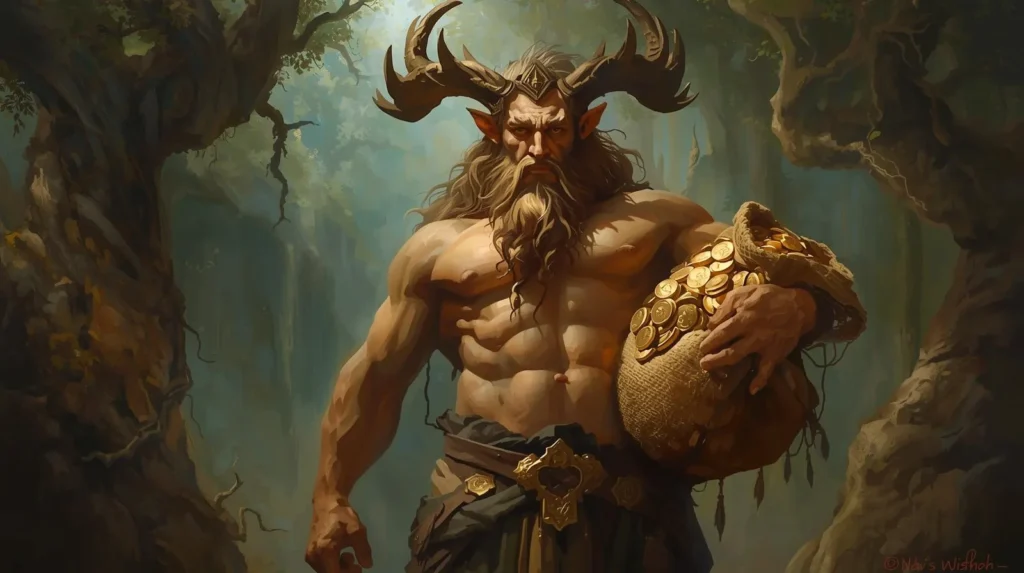
The Cernunnos, a Celtic god also known as the horned one, represents fertility, animals, and wealth. He is often shown holding bags of coins and grains, showing his ties to wealth. He is also depicted with antlers and horns, symbolizing his connection to the wild and the seasons.
His symbols include animals, snakes, deer, and torcs. There are fewer myths about Cernunnos than about other Irish gods. Archaeological evidence shows that he was worshipped across Celtic Europe.
Danu
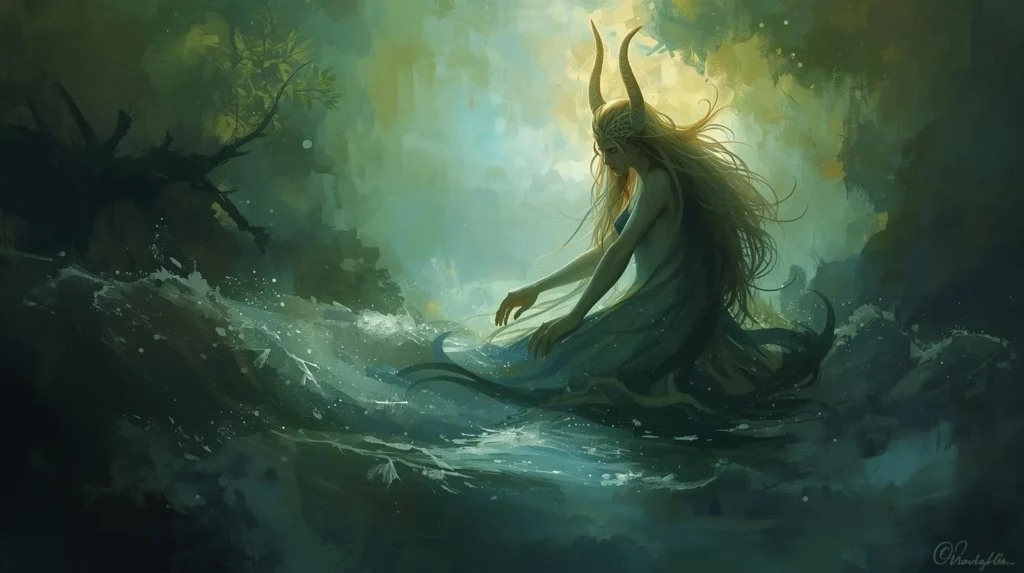
The Danu, a Celtic goddess, is known as the mother goddess of Tuatha Dé Danann. All the supernatural beings of the clan get their name from the Danu. Despite her importance in Irish mythology, her origins are unclear. She is connected to rivers, flowing water representing fertility and creativity.
Her importance stems mainly from her spiritual ancestors among many divine beings. She represents nourishment, wisdom,protection, and the sustaining forces of nature. It is believed that she passed her wisdom to the members of Tuatha Dé Danann.
Donn
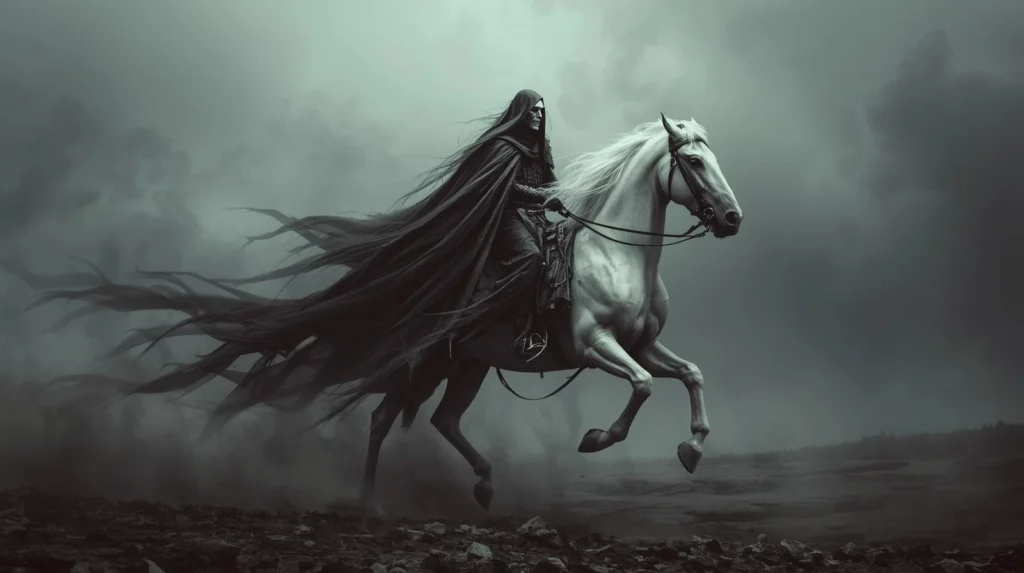
The Donn celtic god of death, is associated with life after death and the journey of souls. It is believed that he gathers souls in Tech Duinn, a mythical house, before they travel to another world.
He is often shown as a phantom horseman riding a white horse. Donn is represented as the guardian of the dead. In Irish mythology, he represents the natural cycle of death and transitions. It also describes the famous Celtic view that sees a spiritual journey as part of an ongoing process rather than an ending.
Ériu and Irish Sovereignty Goddesses
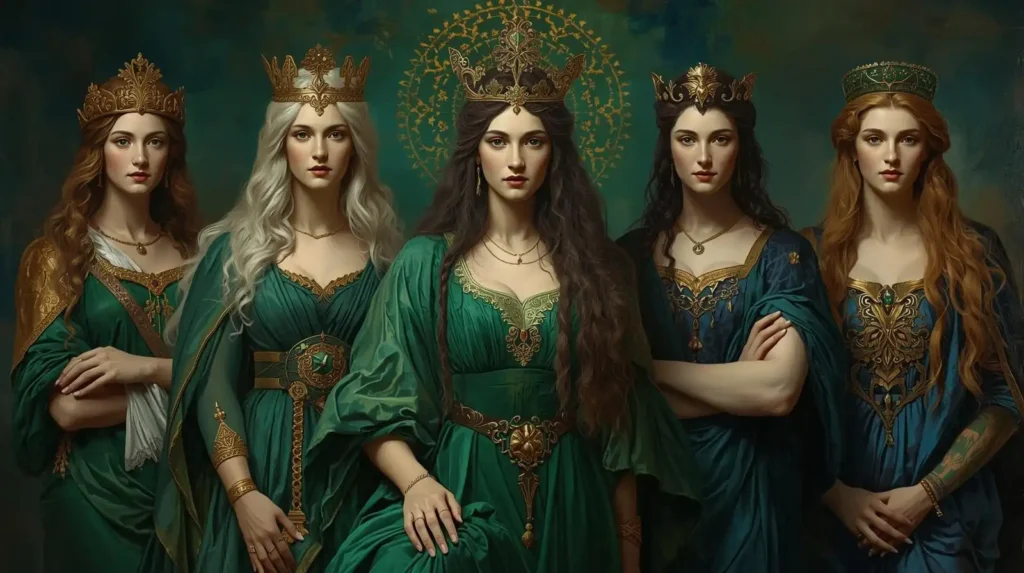
The Ériu Celtic goddess is one of the three sovereignty goddesses of Ireland. The other two are Banba and Fodla. The goddess Eiru holds cultural importance as the name Ireland comes from Eriu.
Queen Medb, a historical queen, also represents power through rulership and authority. The sovereignty queens granted legitimacy to kings, linking power to spiritual approval. Eriu goddess represents abundance, bounty, and fullness.
Other Relevant Celtic Deities
There are many other deities in Celtic traditions. Aed is a symbol of fire and the underworld. Nannotsuelta is the goddess of home and nature. Manannan mac Lir is the god of the sea and is responsible for taking souls to other worlds. Aengus is the goddess of youth and love. Badb, a war goddess, is linked to battle prophecy. Boann has ties with the River Boyne and fertility myths. Li Ban is responsible for the transformation.
Together, these supernatural figures make a long list of Celtic gods. It shows how Celtic mythology combines traditions, spirituality, and nature worship.
Themes in Celtic Mythology
Themes in Celtic mythology revolve around nature, the cycles of life, and the connection between the physical and spiritual worlds. The theme of death and rebirth is one of the strongest. According to this theme, death is not the end, but rather a transition. Just as winter leads to the beginning of spring, the same is the case with life cycles. The seasonal festival, like Samhain, represents this shift between life, death, and renewal.
Themes of war and fate are represented through battle myths and warrior deities. The war stories explore destiny, heroism, and the balance between chaos and order.
The theme of nature and elements is another important theme. The theme depicts a world alive and sacred with animals, plants, fire, and water symbolizing transformation and protection.
These themes represent a belief system revolving around cycles, balance, and harmony between humans and nature.
Celtic Myths and Legends You Should Know
There are several stories found across Irish myths and legends that explain the role of gods and goddesses. One such story is the Battle of Magh and Tuireadh. According to the story, Tauthe De Dannon fought the Fomorians to end cruelty. The fight shows a struggle between order and chaos. Lugh’s defeat of the destructive Balor symbolizes the victory of goodness and light over darkness.
The tragic tale of the children of Lir tells about four royal children. The children transformed into swans for ages, representing transformation, endurance, and emotional strength.
The Tale of Lugh and Balor shows heroic victory and prophecy. The stories of Morrigan explore the role of fate and transformation through shape-changing and battlefield predictions.
These mythical stories are cultural narratives that explain the role of life, power, and the link between the human and supernatural worlds.
Influence and Legacy
Celtic mythology has a strong effect on modern-day culture and literature. These myths have influenced literature, art, and storytelling, such as the battles Magh Tuireadh has affected films and novels.
People use Celtic symbols and deities in modern spiritual practices, tattoos, and designs. These deities are often associated with protection, strength, and connection to nature. Since these myths focus on universal and relevant themes, such as fate, courage, and transformation, stay true to all times.
Place names and cultural identity have also preserved Celtic traditions in the form of local traditions and landscapes.
Modern culture is proof that Celtic mythology survives not just in history. It continues to shape modern cultural expression and artistic creativity.
Conclusion
Irish mythology is a rich collection of Celtic gods and goddesses that represent the beliefs and values of ancient times. The Celtic stories range from the heroic deeds of Lugh and Dagda to the mystical powers of Tauth De Dannon. These mythical stories focus on themes of power, nature, and the cycles of life and transformation. Today’s culture and art have been profoundly influenced by Celtic society.
These myths keep storytelling traditions alive for today’s generation. Discovering these legends helps us understand the roots of earlier European societies.
To dig deeper into ancient myths, discover more legends, and explore the heroic traditions, visit Irish Insider. Explore Irish culture in depth.
Frequently Asked Questions