
Ogham Stones Ireland: Explore The Celtic Heritage Guide
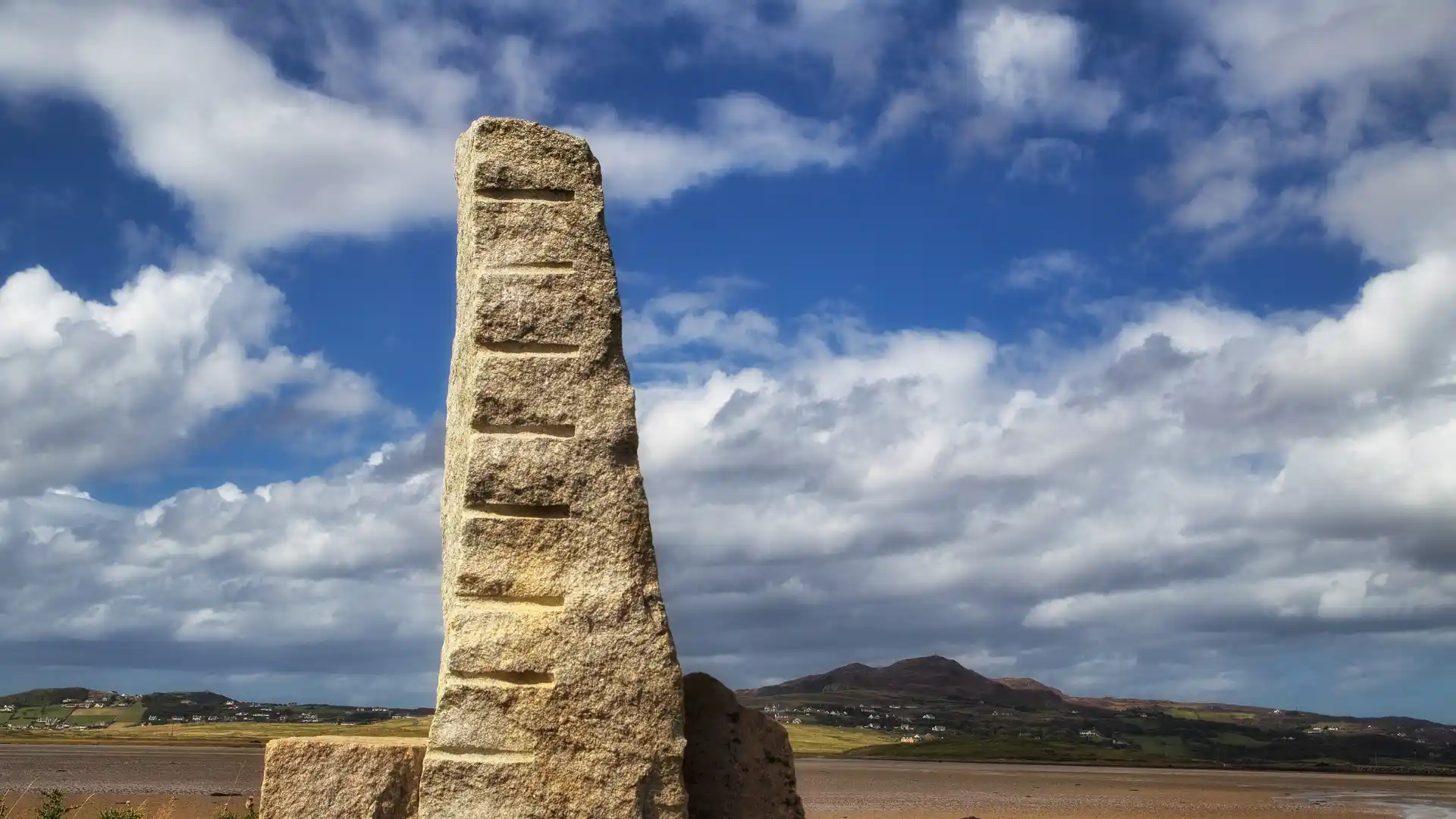
Ogham stones in Ireland are known as the oldest remains of Celtic communication. They give a glimpse of the first form of Irish writing, known as Ogham. These vertical stones were carved with lines and notches along the stone edge, known as the Ogham alphabet. These alphabets were used to write names, territories and ancestral connections. These early inscriptions, in the form of ancient Irish writing, show how people identified themselves and marked the places.
These powerful stone carvings are usually found in fields, church sites and remote landscapes. You can visit the powerful artefacts at the National Museum of Ireland.
What Are Ogham Stones in Ireland?
Ogham stones are the ancient stone monuments carved with vertical lines and notches at the edge of the stones. These vertical lines were carved to record the names of people, territories, names of tribes and tribal connections.
The ogham stones date back to the time between the 4th and 9th centuries. These upright pillars were carved in the Middle Ages to inscribe the territorial boundaries, memorial markers and symbols of power among early communities. The inscriptions used the ogham alphabet, small vertical lines carved at the edge of the stones, reading from the bottom or left to the right.
These stones have preserved the ancient Irish writing. Some of these stones are still preserved at their original place where they were erected. While some of the stones have been preserved in museums to keep them preserved. The Ogham stones are rare evidence of the old Irish manuscripts.
Why Do These Stones Matter in Irish History?
Ogham stones hold historical value because they recorded important names at a time when information was passed orally. So carving a name on a stone at that time gave a permanent place in history. These inscriptions often comprised the names of ancestors, tribes, and territories. This is the reason these stones are considered as memorials and burial markers.
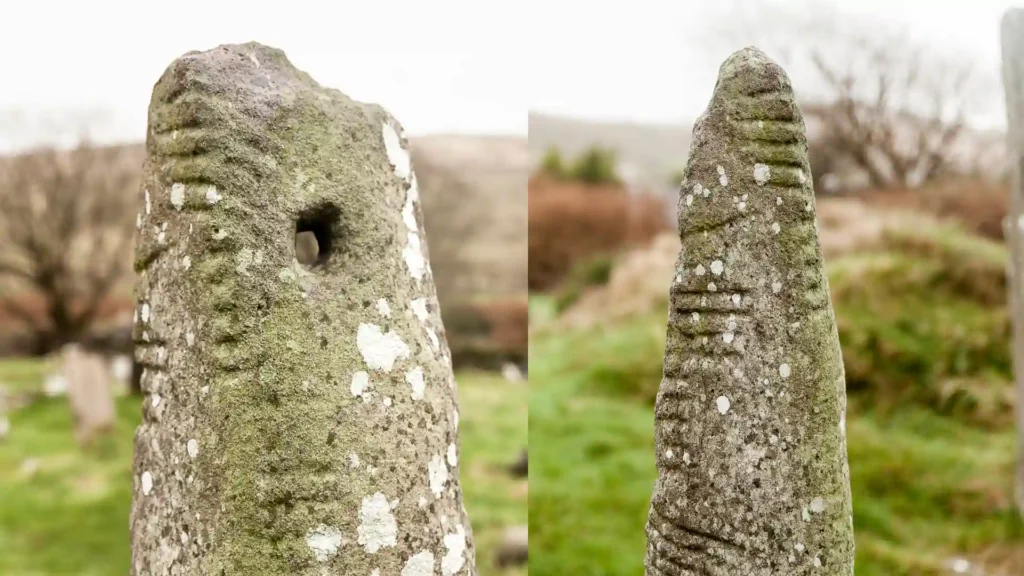
Ogham stones also reflect the ancient belief system of Irish communities. Some communities carved the names or symbols as an indication of Ogham wishes. These Ogham wishes were the spiritual meaning tied to a place, memory and legacy. This aspect of spirituality adds an emotional meaning to the stone carvings.
The significance of the stones even grew more when they were used as a form of Irish writing. These stone carvings give a sign of some territory, names and ancient migration patterns. In short, they show the evolution of the Irish language, the transformation from oral to written, and the preservation of history.
Where Can You Find Ogham Stones in Ireland?
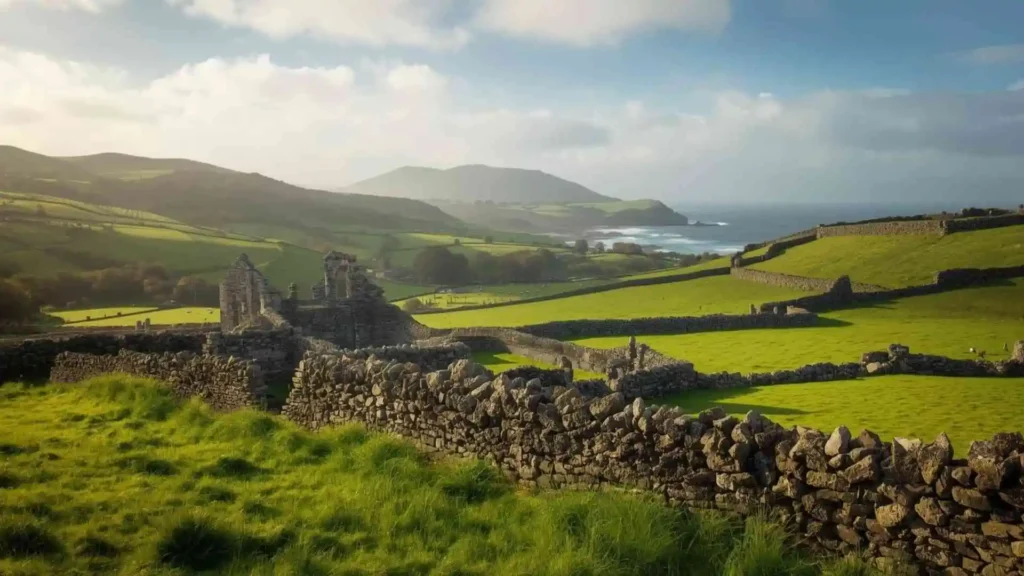
Ogham stones are scattered at different places. The majority of them are found in the south and southwest of Ireland, where the Celtic tribes once lived. At outdoor heritage sites, you can find them in their original settings, such as in fields, cliffs, and small rural areas. Some of the names include the Coumeenoole Ogham Stone in Kerry and the tall Ballycrovane Ogham Stone in Cork, one of the tallest stones.
You can find a large collection of these stones in counties Kerry, Cork, Waterford and Kilkenny. The National Museum of Ireland also has a collection of these stones, which you can easily view. The exact number of Ogham stones keeps changing because of the continuous discoveries. Ireland is known to have over 400 Ogham stones, with County Kerry holding the most of these. The stones at these sites show the history, archaeology and storytelling tradition, giving an insight into Irish history.
| Region | Notable Ogham Stone |
| Kerry | Dunloe Ogham Stones, Coumeenoole Ogham Stone, Ballintaggart Stones |
| Cork | Ballycrovane Ogham Stone, Roovesmore Stones |
| Waterford | Ardmore Stones, Coolbeg Stone |
| Kilkenny | Gowran Stones, Barrow Valley finds |
| Clare | Lack East Stone |
| Mayo | Drummin Stone |
| National Museum of Ireland | Preserved examples from various counties |
How Do You Read the Ogham Alphabet?
Ogham alphabets are formed by a group of short lines carved on the right, left or across the stem. They go from bottom to top to reconstruct the names carved on them.
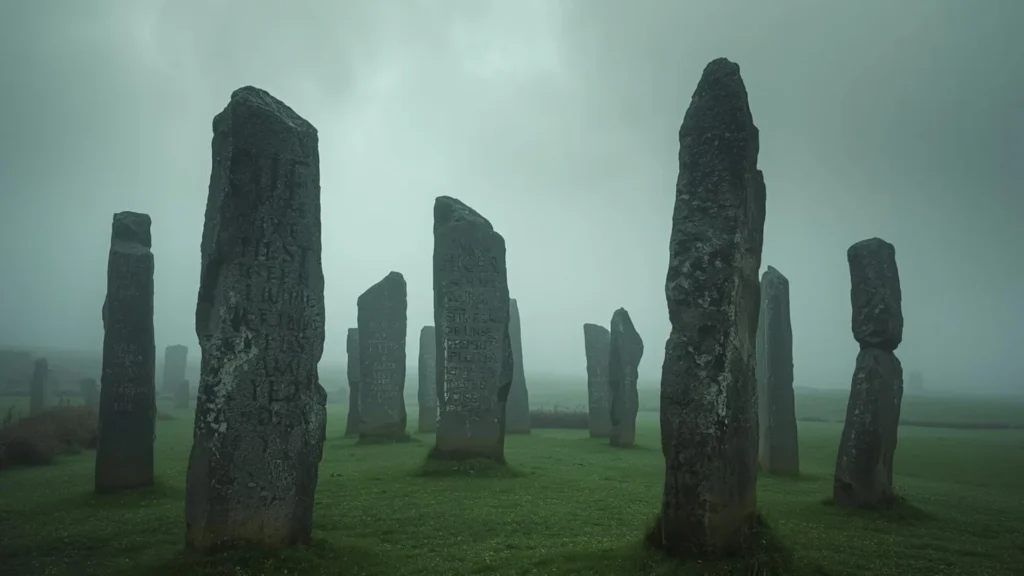
An ogham alphabet comprises a single vertical or horizontal line with a set of one to five short lines. Each line represents a letter. In order to read
- First, identify the stem line with which the strokes attach.
- Now determine the orientation. If the stem line is vertical, read from bottom to top. If the stem line is horizontal, read from left to right.
- The strokes can be on the right, left or crossing the stem line. There are 1-5 strokes per letter.
- Translate the letter groups into Gaelic sounds. Use a reference chart for that.
- Now interpret the words. These inscriptions are usually names, places or short phrases.
The Stories Behind Famous Ogham Stones
Each Ogham stone in Ireland carries a story with it, each story reflecting a lineage, landscape or tribe that carved it. These stones have the memories of the old families, their memories and ancient traditions. Two of the most well-known examples are on the southwest coastline of Ireland.
Coumeenoole Ogham Stone
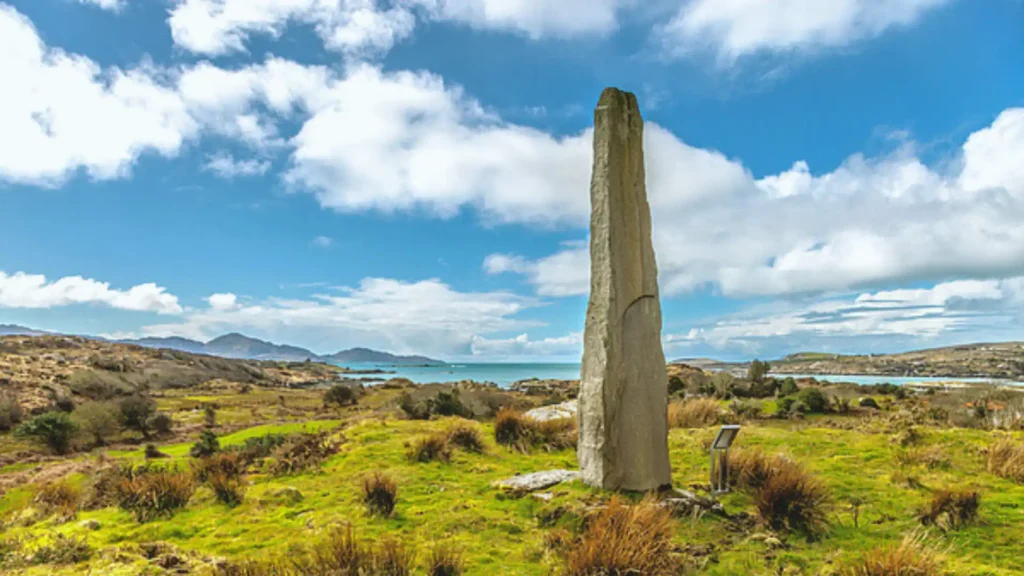
The Coumeenoole Ogham Stone is located above the Dingle Peninsula, overlooking the oceans and cliffs. Its location suggests that it served as a marker to guide the people to the shoreline. The carving on the stone is believed to be a name, preserving a personal identity.
Ballycrovane Ogham Stone
The Ballycrovane Ogham Stone is known as the tallest stone located in County Cork. With a height of 5 metres, the stone conveys a message of power, remembrance and clan importance. The inscription is likely to belong to some honoured ancestors. This shows how the ancient communities express their power through monumental height.
Do Ogham Stones Hold Any Modern Meaning?
Although these stones belong to ancient times, they inspire modern-day artists and jewellers. These symbolic carvings on stones express connection, remembrance and heritage. The new interest towards these stone carvings has contributed to cultural revival.
Another rising trend is of Ogham wishes. People use a certain letter or word to associate with personal will, such as a new beginning or peace, etc. People are using this as a bridge between the present and the past.
For some, the stones are symbols of continuity. The names and memories carved on the stones serve as a strong reminder of the connection between past and present. The ogham stones are evidence of Irish history and identity while inspiring today’s world.
How to Visit and Respect Ogham Sites
The Ogham stones show Ireland’s earliest writing. However, these stones are fragile and require utmost heritage protection. The majority of these stones stand in open areas where visitors, weather changes and animals can damage them. If you plan to see them, take care of the conservation steps to ensure the safety of archaeological sites.
Quick tips for visitors
- Stay on the signed path.
- View the carving from a short distance.
- Take photographs instead of rubbing to protect the delicate markings.
- Check if the site is closed for preservation work.
- Respect the rules by sticking to the designated route.
What not to touch
- Avoid touching the stone surface.
- Do not trace the carving with anything.
- Do not push or attempt to straighten the stone.
Small efforts can help preserve this archaeological treasure for future generations.
Conclusion
Ogham Stones in Ireland are not just archaeological remains; they are historical expressions of Ireland’s written expression. They have kept records of names, memories and identities for over a period of a thousand years. Visiting these sites with care not only protects them but also keeps them preserved for future generations.
If you want to explore further, you can check resources from the Heritage Council of Ireland. You will surely get valuable insights into preservation, history, and cultural heritage.