National Minimum Wage in Ireland: The Complete Guide for 2026
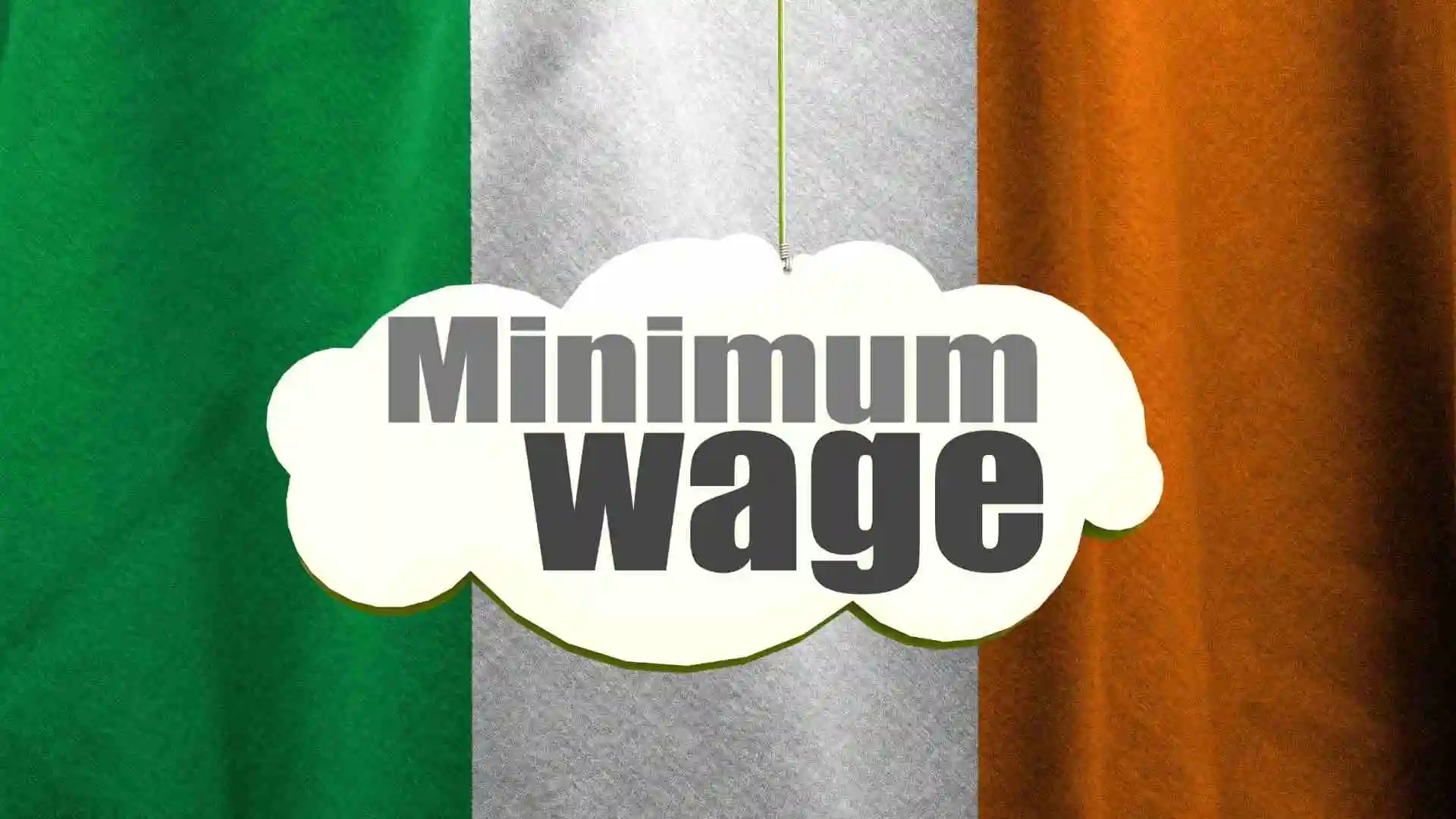
Navigating employment rights can often feel complex, but understanding the basics of the national minimum wage is essential for both workers and employers. As of 1 January 2026, the national minimum wage in Ireland stands at €14.15 per hour for employees aged 20 and over. This rate is set by the government following expert recommendations from the Low Pay Commission, aimed at balancing the cost of living with economic sustainability.
Whether you are an employee looking to ensure you are being paid fairly or an employer seeking to remain compliant with the latest legislation, this guide provides a comprehensive overview of how the minimum wage operates in Ireland for 2026.
Current National Minimum Wage Rates for 2026
The national minimum wage in Ireland is not a single flat rate for everyone. While the adult rate applies to the vast majority of workers, there are statutory sub-minimum rates based on age. These tiers ensure that younger, less experienced workers have a path into employment while protecting the baseline for all.
| Age Category | Hourly Rate | % of Adult Minimum Wage |
| Aged 20 and over | €14.15 | 100% |
| Aged 19 | €12.74 | 90% |
| Aged 18 | €11.32 | 80% |
| Under 18 years | €9.91 | 70% |
These rates have been in effect since 1 January 2026. It is a legal requirement for employers to ensure that payroll systems are updated to reflect these figures. Paying below these rates is a breach of employment law and can result in enforcement action by the Workplace Relations Commission (WRC).
Who Is Entitled to the National Minimum Wage?
The national minimum wage applies to almost every worker in Ireland, regardless of the nature of their contract. If you are in employment, you are generally entitled to at least the statutory minimum, whether you are:
- A full-time, part-time, temporary, or casual employee.
- A seasonal worker.
- On probation or completing a mandatory training period.
- An intern or on a work experience placement.
Are There Any Exceptions?
Exceptions to the national minimum wage are extremely limited. They are primarily designed for specific family-run business models or formal apprenticeship schemes. You are generally not entitled to the national minimum wage if you are:
- A close relative of the employer, such as a spouse, parent, or child, and the employer is a sole trader.
- A craft apprentice registered under the Industrial Training Act 1967 or the Labour Services Act 1987.
How “Reckonable Pay” Is Calculated

A common point of confusion is what actually counts towards your hourly pay. When determining compliance with the minimum wage, employers must calculate your “reckonable pay”. This is your gross pay, meaning your earnings before any deductions for tax, PRSI, or pension contributions are made.
What Is Included in the Calculation?
- Your normal basic hourly pay.
- Shift premiums.
- Performance-related bonuses, commissions, or service charges that are processed through the official payroll.
- Payments related to zero-hours contracts.
What Is Excluded from the Calculation?
Crucially, certain extra payments are never included when calculating whether you are receiving the minimum wage:
- Overtime premiums.
- Sunday or unsocial hours premiums.
- Tips or gratuities, even if they pass through the payroll.
- Expenses incurred during the course of work.
- Benefits in kind (such as company cars or health insurance).
Board and Lodging Allowances
In some sectors, such as agriculture or hospitality, an employer may provide food (board) or accommodation (lodgings) as part of the employment agreement. These can be factored into the minimum wage calculation, but only up to specific, fixed statutory maximums. As of 2026, the maximum amounts that can be attributed are:
- Board only: €1.27 per hour worked.
- Accommodation only: €33.42 per week, or €4.77 per day.
Sector Specific Wage Agreements
It is vital to check if your specific industry is covered by an Employment Regulation Order (ERO) or a Sectoral Employment Order (SEO). These are binding agreements negotiated by Joint Labour Committees.
They often set higher minimum pay rates and different employment conditions for sectors such as contract cleaning, security, or construction. If an ERO or SEO applies to your industry, your employer must pay the higher rate stipulated in that order. The national minimum wage serves only as an absolute floor; industry-specific agreements are permitted to set the bar higher, but never lower.
How to Resolve Wage Discrepancies
If you suspect you are being paid less than the legal minimum, the recommended first step is to discuss the matter with your employer. There may be a misunderstanding regarding hours recorded or pay components included.

If the issue cannot be resolved informally, you have the right to request a written statement from your employer confirming your average hourly rate of pay for any pay period within the last 12 months. Should this not clarify or resolve the matter, you can lodge a formal complaint with the Workplace Relations Commission (WRC). The WRC is the statutory body responsible for enforcing employment rights in Ireland.
Conclusion
The national minimum wage is a fundamental pillar of fair employment in Ireland. With the 2026 increase to €14.15 per hour, the government continues its commitment to improving standards for low-paid workers. For employees, knowing your rights is the first step toward financial security.
For employers, maintaining accurate records of hours worked and ensuring full compliance with the updated legislation is not just a legal obligation but a necessity for maintaining a fair and reputable workplace. Always stay informed through official sources like the Workplace Relations Commission and Citizens Information to ensure that your pay or payroll practices remain fully compliant with current laws.