Irish Folklore Stories: Myths, Legends and Characters
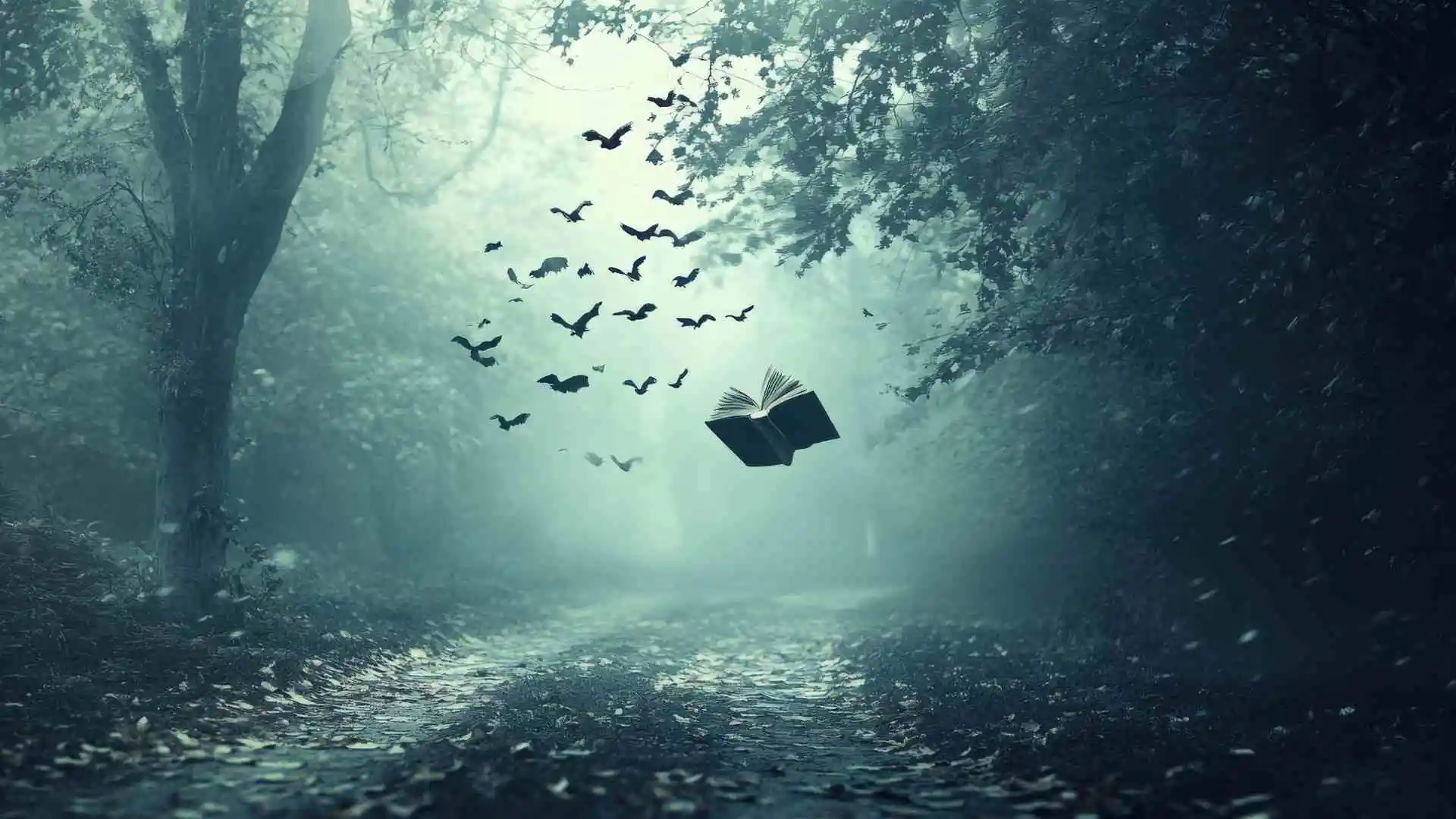
Irish folklore stories offer a blend of myths, legends, and customs from ancient Ireland.These rich traditions are a result of various storytelling practices. At the core of these traditions lies the power of oral storytelling. This allowed communities to share tales, convey cultural identity, and teach moral lessons.
Formal history involves verified accounts and documentation. However, Irish folklore consists of the customs, beliefs, and narratives of the ordinary. They tend to shape the heritage of the region. In Ireland, folklore is influenced by Celtic god and hero myths. There are everyday fairy and spirit tales and other legendary creatures as well.
Such legends are a testimony to the Irish people’s creativity. They serve as a link to ancient Ireland. Hence, Ireland’s folklore meaning is valuable in shaping the cultural identity today.
What is Irish Folklore meaning?
Essentially, Irish folklore comprises the stories, beliefs, and customs. They were passed down mainly through oral tradition. Unlike the Celtic myths, which focus on the gods and great battles, folklore draws upon ordinary life. However, there is a hint of supernatural phenomena as well. It displays the narrative of people in ancient and rural Ireland about their surroundings. These narratives are often tales filled with magic, morality, and mystery.
Folklore vs. Mythology:
- Mythology consists of gods and goddesses, like the Tuatha Dé Danann, and creation legends.
- Folklore consists of the stories shared by ordinary people, like tales of fairies and ghosts.
Core characteristics of Irish folklore are:
- Irish fairies (the helpful and the mischievous)
- Folklore heroes such as Finn MacCool and Cú Chulainn
- Folklore creatures the Banshee, selkies, and púca
- Moral lessons and warnings embedded in everyday storytelling
To learn more, you can go to the UCD National Folklore Collection. This is one of the most valuable archives of Irish oral traditions in the world.
Famous Irish Folklore Stories
Stories are the foundation of Ireland’s cultural identity. Irish folklore stories were passed down through generations of oral storytelling; they are still retold with the same passion today. Irish mythology is filled with folklore creatures like Irish fairies, Irish heroes, and romantic tragedies. Ancient Ireland speaks through the tales of legendary Celtic gods and Irish magical creatures. Here are ten of the most popular stories that are still being retold during fireside chats, in school classrooms, and at tourist stops.
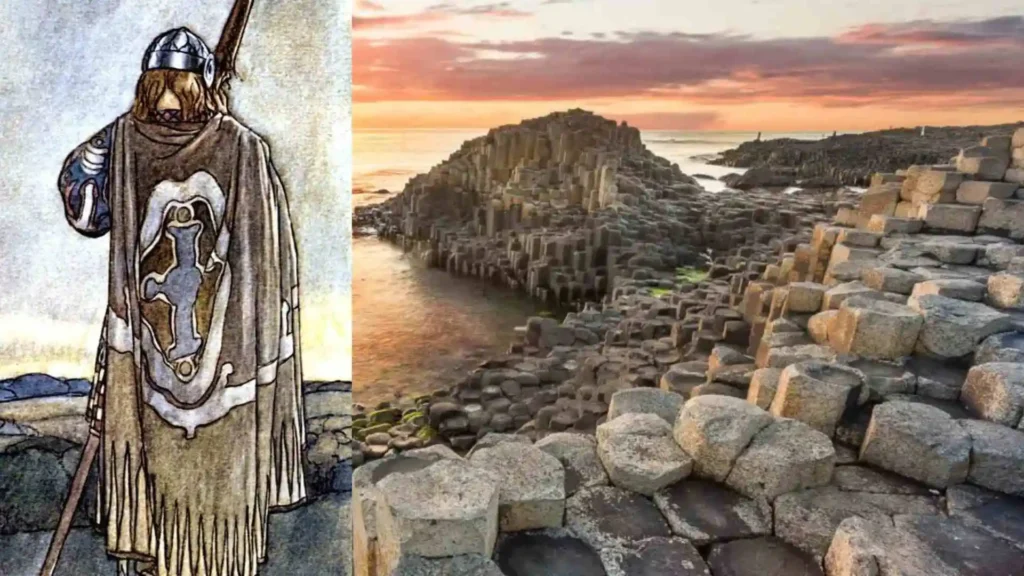
Finn MacCool and the Giant’s Causeway
Finn MacCool, also known as Fionn MacCumhaill, is among the most popular Irish heroes. Legend says he built the Giant’s Causeway as a bridge to Scotland. There, a giant, Benandonner, lay waiting for him to come. Finn, realizing his enemy was so big, tricked him. He made Benandonner think he was a baby, and that his father must be a giant. The Scottish giant, Benandonner, scared for his life, fled and ripped the bridge apart. The story displays how clever and strong Finn was. These qualities made him a symbol of Irish heroes, wise like the druids.
The Children of Lir
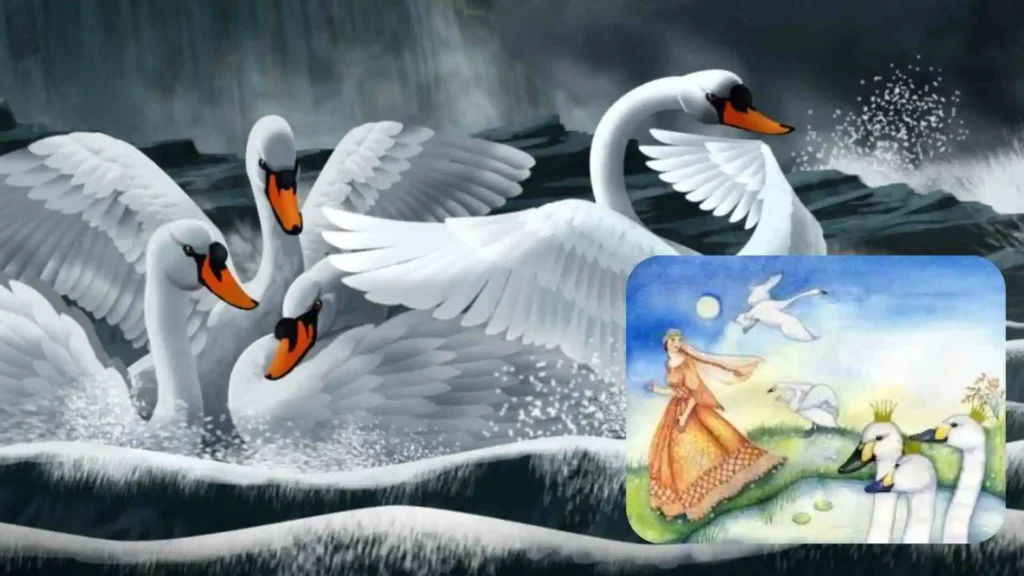
Children of Lir is a heartbreaking tale in Irish oral tradition. It tells a story of ancient Ireland where 4 siblings were cursed by their jealous stepmother, Aoife. She was so evil that she turned them into swans. They wandered the seas and lakes of Ireland for 900 years. However, the sufferings failed to separate the children. Hence, the legend is a symbol of endurance and love. It reminds everyone that loss and resilience are great aspects of ancient Ireland.
The Banshee (banshee legend, Irish folklore creatures)
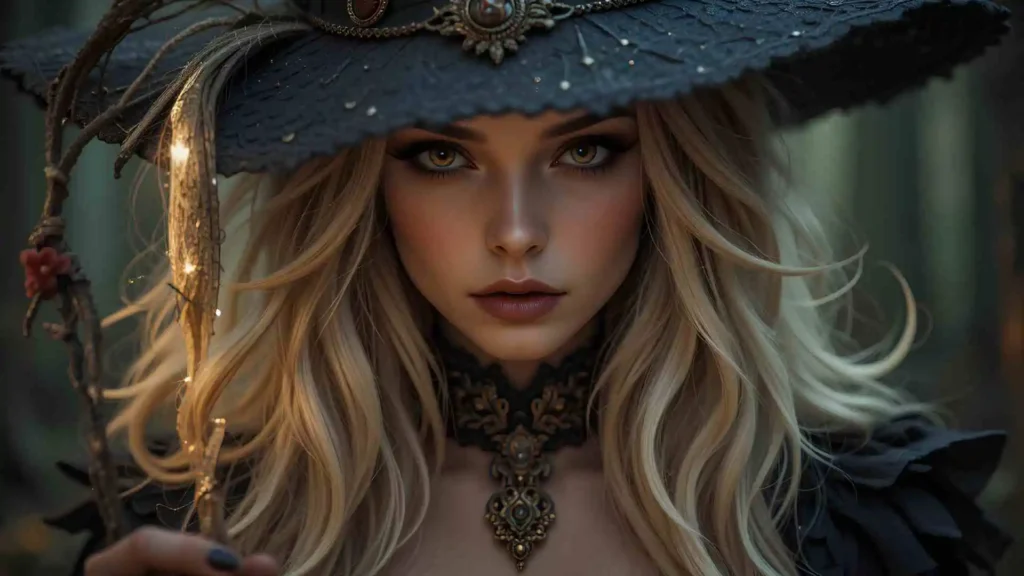
One of the greatest legends in Irish mythology is the banshee legend. According to Irish folklore, the Banshee is an Irish folklore creature that seems like a ghostly woman. She screams to indicate that death is going to happen in a family. This woman with long hair has a cry so mournful that it can make anyone afraid of her. However, in the Otherworld, it holds utmost respect. The Banshee shows how deeply the Irish people are connected to the mysteries of life, death, and fate.
Cú Chulainn, the Hound of Ulster
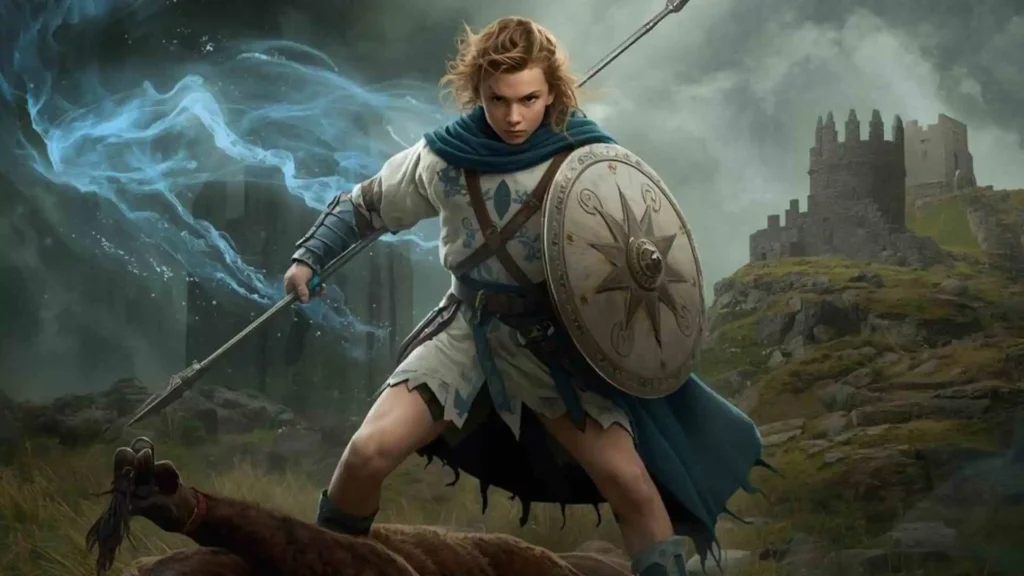
Cú Chulainn is one of the most popular Irish heroes in Celtic myths. It is often celebrated in the Ulster Cycle. The legend tells that when he was a boy, he became known for slaying a fierce hound. He vowed to protect its owner’s home. Hence, the extraordinary strength and battle rage gained him popularity. He went on to defend Ulster against powerful enemies. However, the story ended tragically as prophecy had predicted. Despite the high price he had to pay, his courage and loyalty made him a famous Irish hero.
Diarmuid and Gráinne
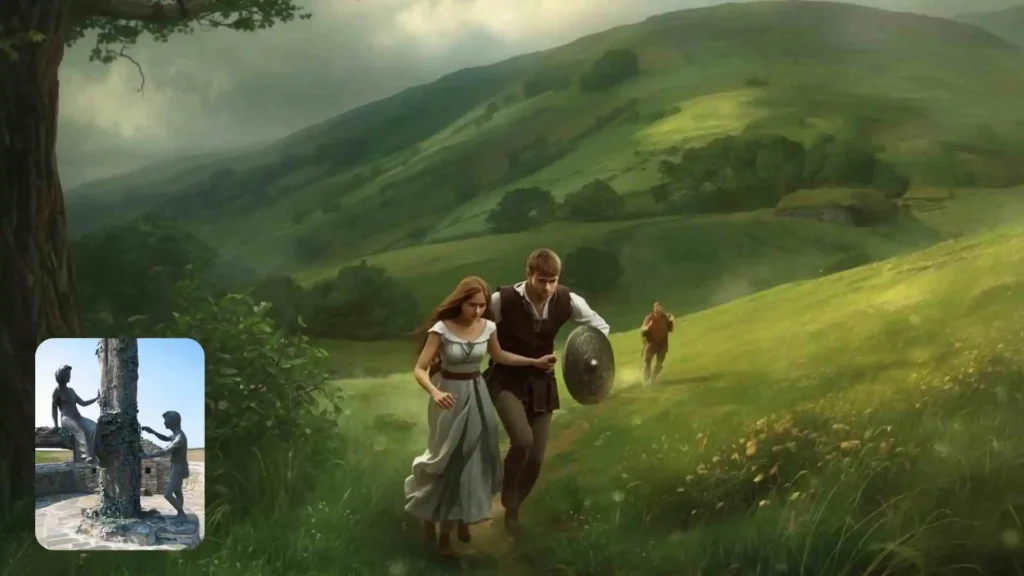
Tragic lovers is another known theme in Irish mythology. The oral storytelling narrates the tale of Gráinne and Diarmuid involves Gráinne being promised to the older Finn MacCool. However, she falls for the young warrior Diarmuid. They both flee across Ireland. However, Finn and his men keep pursuing them. In the end, their romance leads to heartbreak. During a hunt, Diarmuid gets wounded and dies. However, it is because of Gráinne’s grief that the story is seen as Ireland’s most enduring love legend.
Tír na nÓg
The legend of Tír na nÓg talks about the Land of Eternal Youth. It tells how humans long for immortality. In one story, it narrates how warrior Oisín was taken to the land. He was helped by a fairy woman, Niamh. Despite living in paradise, he longed for Ireland. So, he decided to return. When he came back, he saw that centuries had passed. As he touched the ground, he began to advance in age, ultimately becoming an old man. This Irish folklore shows the magical pull of the Otherworld. It displays an ideal blend of Celtic gods and ancient Ireland’s folklore.
The Selkies
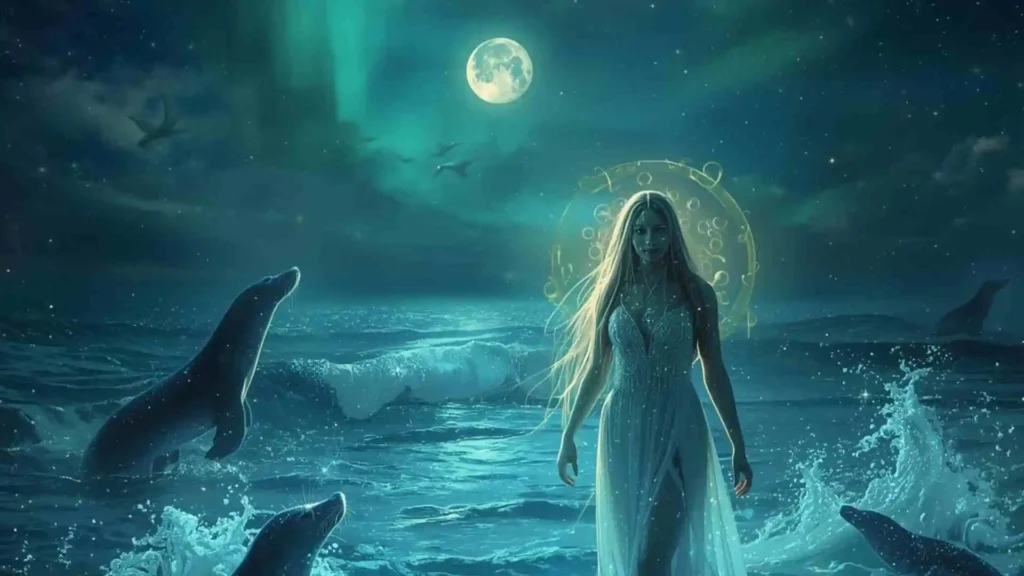
Selkies inhabit Ireland’s coastline. When not in human form, selkies are seals. Most stories tell of fishermen capturing selkies and stealing their skins for marriage. However, the selkies eventually escape back to the sea. These folklore creatures leave behind family and sorrow. This Irish folklore creature depicts the dual nature of the sea. It is both dangerous and beautiful. It also associates the rhythm of nature with Irish fairies.
Tuatha Dé Danann
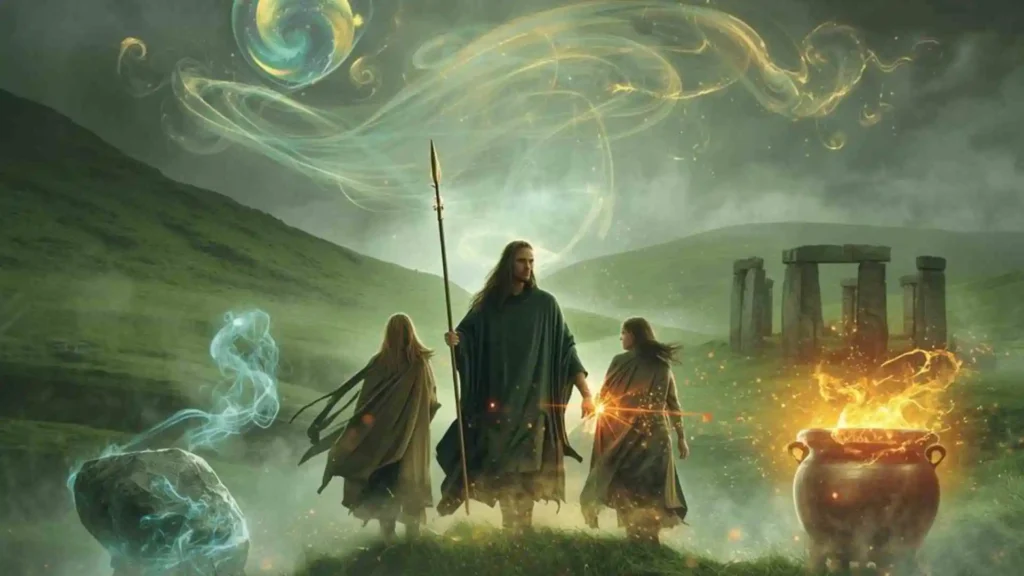
Tuatha Dé Danann is the term used to describe a mythical race of Ireland’s ancient Celtic gods. They were powerful beings who possessed magical knowledge, including druidic knowledge. After having ruled Ireland and subsequently losing a power battle, they retreated to the Otherworld. Legendary tales place them in fairy mounds. There, they keep on influencing the land. Their stories associate divine power with human conflict, making them the focal point of Irish mythology.
The Morrígan
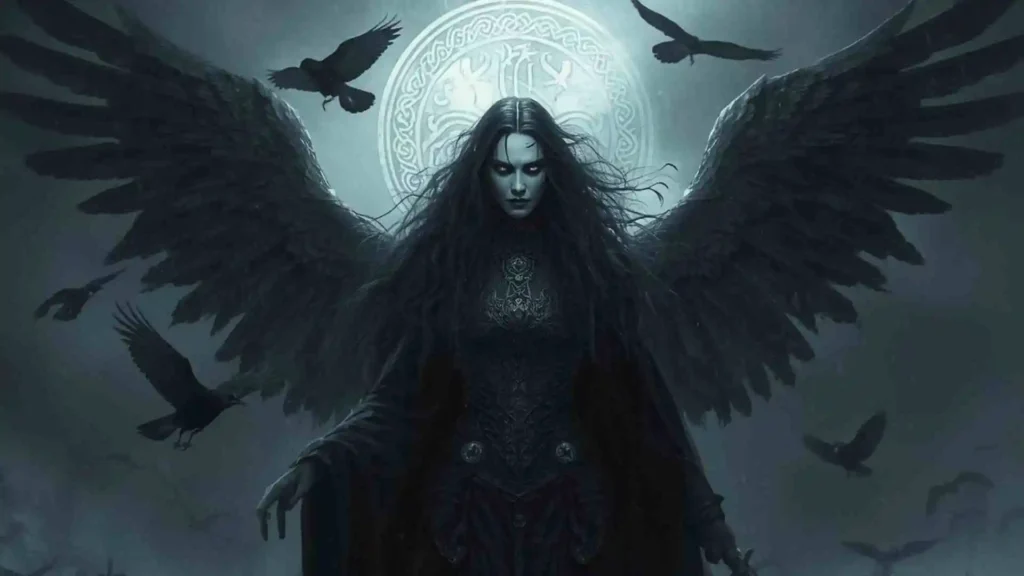
The Morrigan, a goddess of war and fate, appears in Celtic myths as a crow and as a phantom woman. She is largely associated with death and prophecy. Most importantly, she can manipulate the outcomes of battles and the fates of warriors, including Cú Chulainn. Some versions of the Morrígan legend associate her with the Banshee legend. This is because both foretell death in a prophetic and supernatural manner. The Morrígan showcases a blend of power, mystery, and inevitability. This is a darker and more terrifying aspect of the Irish deities.
Irish Fairies and the Púca
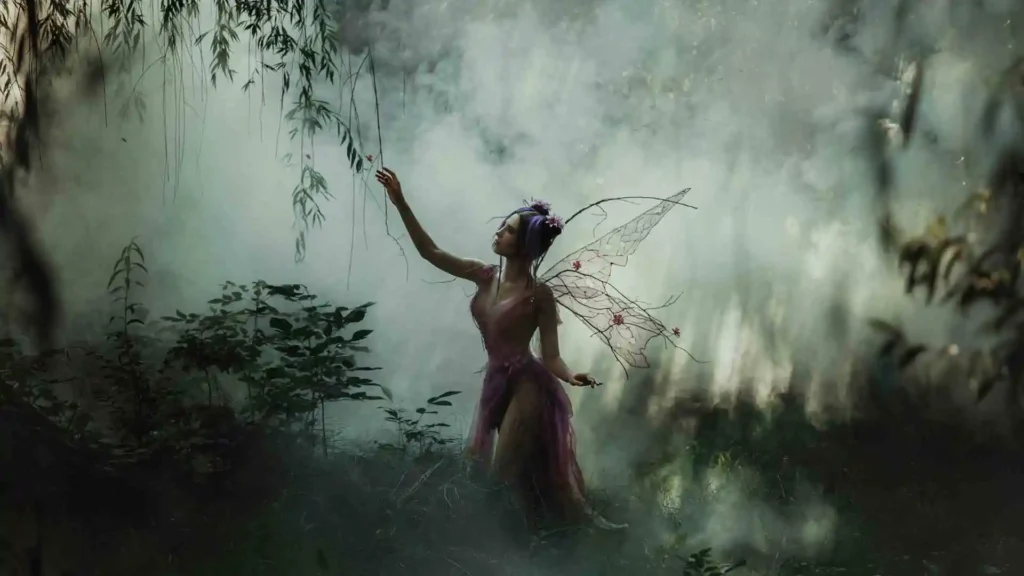
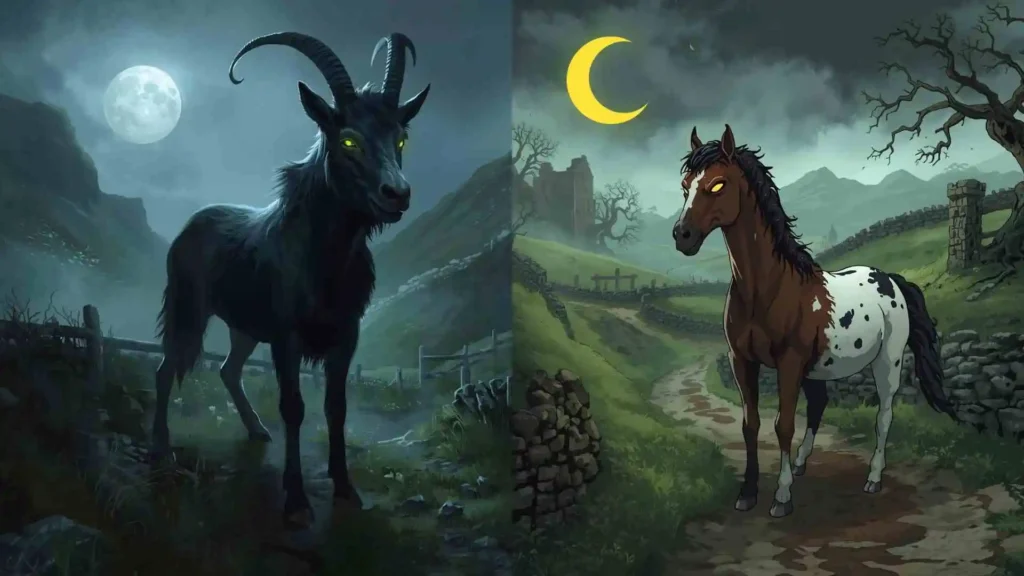
The Púca is a mischievous shapeshifter in Irish folklore who can become a horse, goat, or dog. Púca is notorious for leading people and travelers astray. Hence, it is both feared and revered in the countryside. However, Púca displays the Irish fascination with stories that contain magical and mischievous folklore creatures. The Púca also teaches a valuable lesson. It allows you to reflect upon the fact that not all Irish fairies are friendly. Some exist in order to remind people to be alert and smart.
Below is a table that compares the famous Irish Folklore stories.
| Story | Main Characters | Theme |
| Finn MacCool & Giant’s Causeway | Finn MacCool, Benandonner | Wit over strength, Irish heroes |
| The Children of Lir | Four swan children, Aoife | Tragedy, resilience |
| The Banshee | The Banshee | Death, supernatural warning |
| Cú Chulainn | Cú Chulainn, Ulster warriors | Heroism, sacrifice |
| Diarmuid and Gráinne | Diarmuid, Gráinne, Finn MacCool | Love, betrayal, fate |
| Tír na nÓg | Oisín, Niamh | Immortality, loss |
| The Selkies | Selkies, human lovers | Freedom, love, sorrow |
| Tuatha Dé Danann | Celtic gods, druids | Magic, myth, divine rule |
| The Morrígan | The Morrígan, Cú Chulainn | War, fate, prophecy |
| Irish Fairies & the Púca | Púca, villagers | Trickery, folklore |
If you want to view the traditional versions of these legends, visit the National Library of Ireland’s folklore and fairy tales resource.
What Are the 4 Cycles of Irish Mythology?
Ireland’s legendary traditions are built on the four cycles of Irish mythology. These cycles shaped how stories were recounted during the oral storytelling traditions of ancient Ireland.
These Irish mythology cycles organised the myths according to specific themes. The themes include the gods, heroes, and kings. This demonstrates the various ways Celtic culture framed and understood the world around it.
- The Mythological Cycle
Tales of the Tuatha Dé Danann. Celtic gods, druids, and magical beings who fought for Ireland.
- The Ulster Cycle
Heroic tales of Cú Chulainn and the warriors of Ulster. Famed for their valor, tragic glory, and fierce battles.
- The Fenian Cycle
Based on Fionn MacCool (Finn MacCumhaill) and his warrior band, the Fianna. It intertwines the elements of Irish oral tradition with bravery and wisdom.
- The Historical (Kings) Cycle
Accounts of legendary Irish kings, merging myth and early history. It assigns a sacred or heroic legacy to rulers.
All of these cycles demonstrate the intertwining elements of Celtic myths, divine will, heroic exploits, and political power. These cycles have ensured that the myths from ancient Ireland survive centuries of oral storytelling.
Irish Folklore Creatures and Characters
In addition to epic heroes, Irish folklore characters also contribute to oral history in Ireland. Some of the Irish Folklore creatures are:
The Banshee Legend (legendary Irish folklore creature)
The Banshee is known for her deathly wailing. In the banshee legend, she screams to warn families of the death of a loved one.
Selkies (folk tale from coastal Ireland)
In contemporary tragic love stories, selkies are shape-shifting characters. They live in the sea as seals and shed their skin to live on land as humans.
The Púca (mischievous folklore character)
According to Irish oral tradition, this shape-shifting trickster immediately vanishes. It is more often terrifying than helpful.
The Leprechaun (famous Irish fairies)
Leprechauns are Irish fairies who play tricks, guard golden treasure, and represent both luck and cunning efforts in Irish folklore.
Finn MacCool’s Companions
The magical salmon and warrior companions of Finn MacCool, a giant hero. They demonstrate the integration of Celtic gods and human bravery in narratives.
For more details, see our Irish Mythological Creatures article. For symbolic meanings, see the Celtic Symbols guide.
What is the Scariest Irish Folklore?
Irish folklore does not only focus on heroes and fairies. It also features some chilling stories. Rooted in Celtic myths and druids warning, there are darker tales too. These are entertaining but also lessons to learn from. Some of the scariest Irish folklore tales are the following:
- The Banshee Legend:
A ghostly woman whose wailing cry foretells death. Families who heard a Banshee cry within their homestead would believe a death was imminent.
- Abhartach:
This cruel chieftain rose from the grave and demanded blood. Some described him as an early vampire. Some say Bram Stoker’s Dracula was inspired by this Irish folklore tale.
- The Púca:
A mischievous shape-shifting creature that sometimes appears as a dark horse, goat, or dog. While not always evil, it performs unpredictable and mischievous tricks. These would scare and terrify ancient Irish villagers.
These terrifying Irish folklore stories showcase how supernatural elements were common everyday fears. These Irish folklore stories are some of the most haunting in Europe.
Irish Folklore in Modern Culture
Irish folklore originated in ancient Ireland. However, its impact can be felt in literature, seasonal traditions, and contemporary storytelling. The oral storytelling that once articulated and preserved these tales have transformed. These are now adapted into books, movies, and public commemoration around the globe.
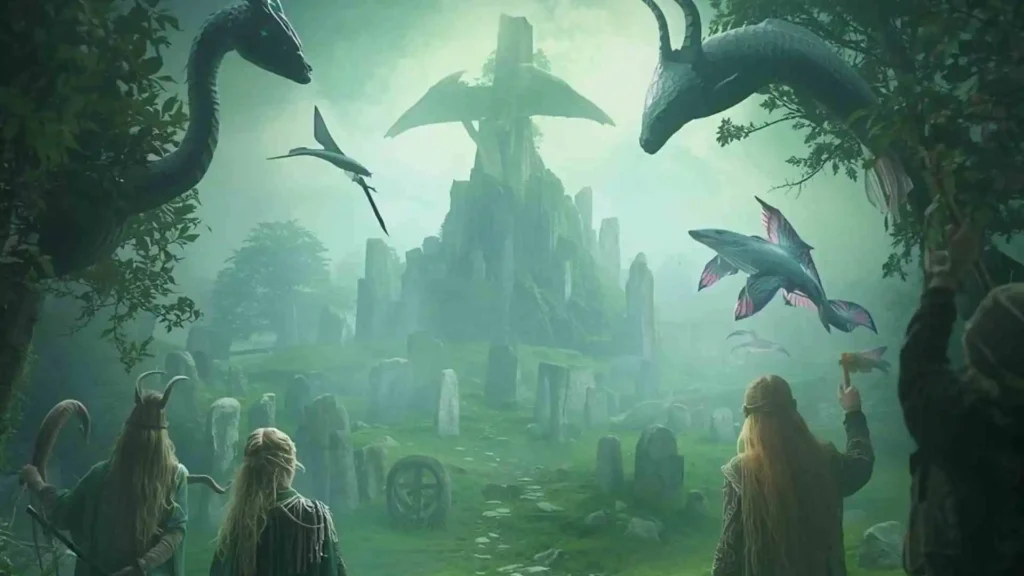
Folklore is most prominent during Halloween. The holiday has Celtic origins and is tied to the ancient festival of Samhain. A famous part of Halloween folklore is the ghostly figures, such as the Banshee. Furthermore, Bram Stoker was influenced by the Irish legend of the vampire Abhartach while writing Dracula.
Hence, Ireland’s dark tales have motivated some of the world’s greatest literature.
There are also many Irish folklore books that have been published. If you want to dive deeper, you can read the following:
- Fairy and Folk Tales of the Irish Peasantry by W.B. Yeats
- Irish Fairy Tales by James Stephens
- The Táin by Thomas Kinsella,
- Complete Irish Mythology by Lady Gregory
- Mythologies by W.B. Yeats
In addition, the Goodreads Irish Folklore collection features many other works. These include classic anthologies and contemporary adaptations. Irish folklore seamlessly transitions from campfire stories to modern bestsellers. They remain a vibrant link between contemporary culture and the mythical ancient Ireland.
Final Thoughts
Irish folklore stories are not just a collection of myths. They encapsulate Ireland’s culture, richness, and heritage. Cú Chulainn and the Banshee are just a couple of the fascinating characters. They have been immortalized by generations of oral storytelling. These folklores have kept the Celtic heritage preserved.
Whether you like tragic romantic tales, magical fairies, or horror creatures, Ireland’s ancient legends are all captivating. Each story offers a glimpse into the soul of ancient Ireland.
If you liked this guide, bookmark Irish Insider for more of Ireland’s captivating history, culture, and stories.