
Wild Atlantic Way Ireland | The Road Trip That Will Change How You See Ireland
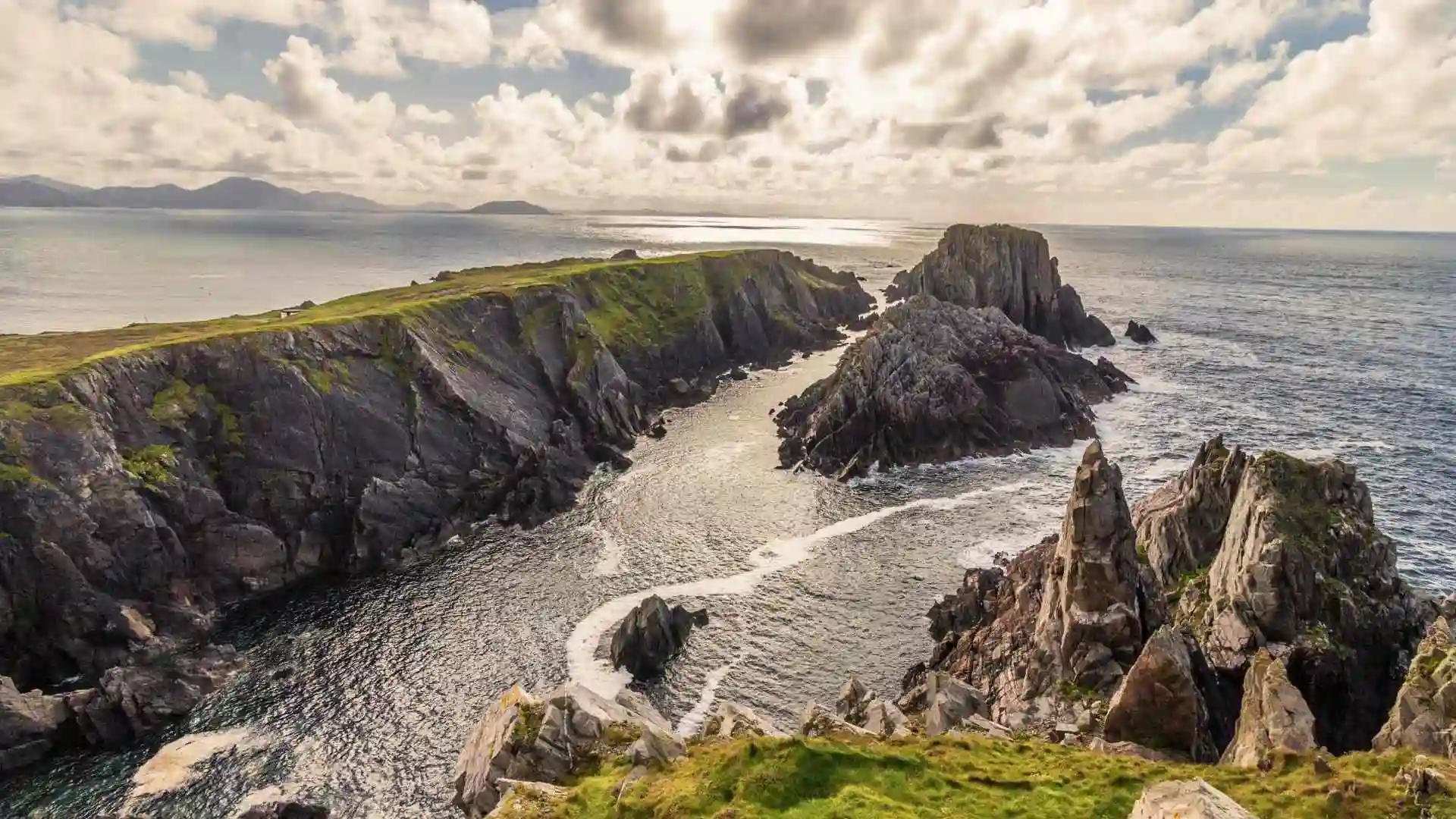
We are here with another exciting travel guide. Forget anything you had expected about road trips. This is not any fast trip down the countryside. It is an adventure journey of a lifetime that rattles the soul and is one of the most dramatic coasts of the world.
Welcome to the Wild Atlantic Way Ireland, a phenomenal 2,600km drive, which follows the entire western coast of Ireland. It is, in fact, the trip of a lifetime, as it includes everything from small villages and magnificent cliffs to the mythical scenery. This dramatic route is rightly called the Wild Atlantic way because of how it represents the wild Irish soul.
In case you have ever dreamed of chasing the storms and sunrises, you are at the right place. We are about to discuss the Wild Atlantic Way route, ways and tips to explore it with ease and comfort.
What Is the Wild Atlantic Way?
Wild Atlantic Way is the longest defined Coastal route in the world. It is about 2,600 kilometers (approximately 1,600 miles) in length. It follows the entire length of the rugged windswept coast-line of Ireland. Starting from Co Donegal in the North to the quaint harbour town of Kinsale, Co Cork in the South.
It was inaugurated in 2014 and designed to guide tourists through a marvellous network of meandering roads. It displays the most astonishing natural marvels and bustling cultural centres in Ireland.
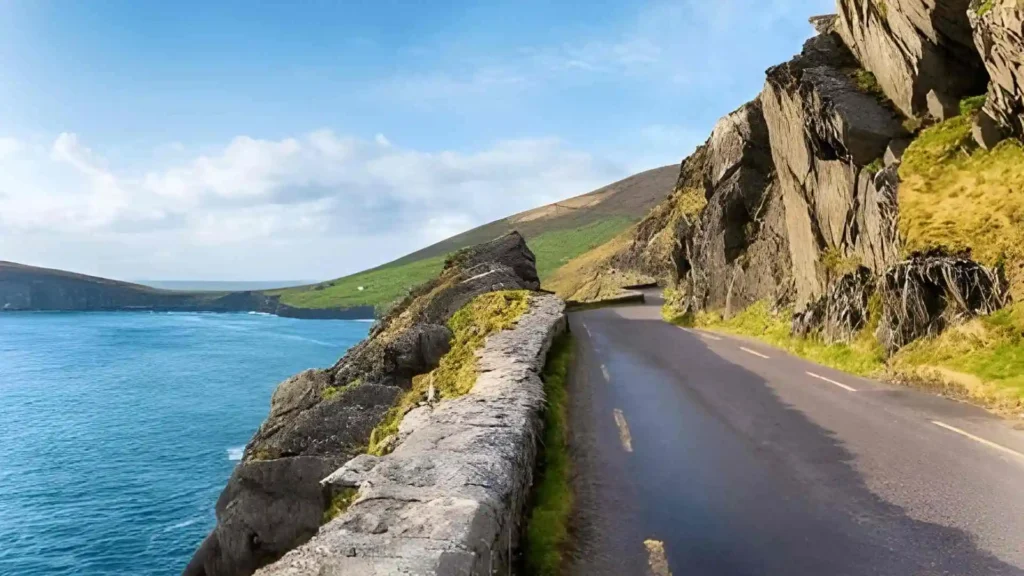
Travelling this road means passing through the dramatic sea stacks, soaring cliffs and secluded beaches and old castles. The road is well marked with unique white-on-blue wave signs. So, even if you switch off your GPS, you won’t lose your way.
Travelling the Wild Atlantic Way offers a real taste of Irish life. It offers the most beautiful experience of this coastal route. Have you ever travelled any section of this road? Which part do you like the most?
How Long Does It Take to Drive the Wild Atlantic Way?
This is the question that any ambitious traveller asks, and the answer is so marvellously flexible. It is as long as you please it to be. The total 2,600 kilometres distance has an actual drive time of about 40 to 45 hours.
But to finish the whole of it in less than a week would be almost lunatic. If you want to visit all key spots, you must plan the visit to take at least two or three weeks.
The trip can be divided into sections in accordance with your time. To fully experience the wild atlantic way route, a 14 day trip will be more than sufficient.
This will enable you to spend your days hiking, boating, or merely sightseeing in a cosy B&B without the constant hurry. This should answer the question of how long it takes to do the full route properly.
| Itinerary Length | Focus | Counties Covered (Approx.) | Pace and Style |
| 3 Days | One Peninsula or County | Clare (Moher/Burren) or Kerry (Dingle/Ring) | Fast, focused sightseeing |
| 7 Days | One Half of the Route | Donegal to Galway OR Galway to Cork | Medium, focused exploration of one region |
| 14 Days | Full Route Immersion | All Nine Counties (Donegal to Cork) | Relaxed, allows for many detours and activities |
To the ones short on time, however, you may still have a huge dose of Irish seaboard magic. A 3 day speedy plan may concentrate on a single part of the route such as the ‘Bays and Islands’ (Galway/Clare) or the Southern Peninsulas’ (Kerry/Cork).
An ideal 7 day trip will be either an in-depth tour of the north half (Donegal/Mayo/Galway) or the south half to take time off, seeing the towns, and having a few pubs. Keep in mind that this is a marathon and not a sprint. It is the diversion on the way that brings the true pleasure, and thus do not plan too far ahead.
The Wild Atlantic Way Route – From Donegal to Cork
Creating your course along the Wild Atlantic Way map is the most exciting part of the planning process. Traditionally, travellers follow the north-south route. It begins at the tip of the Inishowen Peninsula, County Donegal, Home to Malin Head.
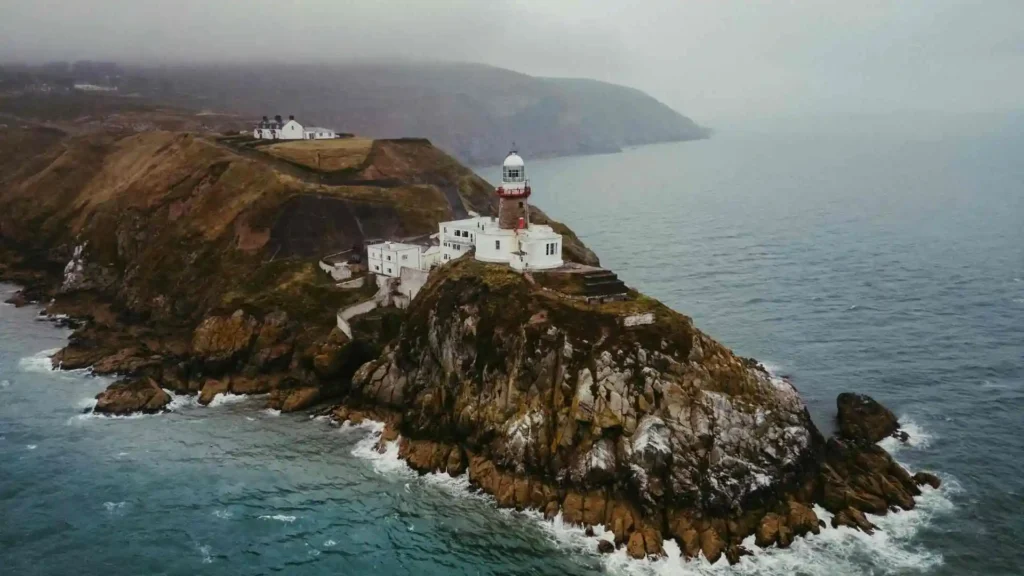
Here the Wild Atlantic Way route unfolds like a green and blue ribbon which takes you through nine counties. Eventually, it ends in the beautiful Kinsale harbour town in County Cork.
The path can be divided into many sections to plan the trip with ease. You will be travelling through
- County Mayo with its rocky islands and beautiful cliffs;
- County Galway, with its wild Connemara land and its busy metropolis;
- County Clare, with its natural wonders, known to the whole world;
- County Kerry, with its beautiful peninsulas;
- County Cork, culinary and coastal bliss.
This driving experience will bring you closer to the heritage of the country and its people. You will notice official discovery points on the way. These places are marked with special signs highlighting the scenic or cultural significance.
Key Counties Along the Wild Atlantic Way
To really understand just how big the Wild Atlantic Way is, we just need to briefly divide the locations you’ll travel through. The persona, history and landscape of each county varies, making this route a mix of everything.
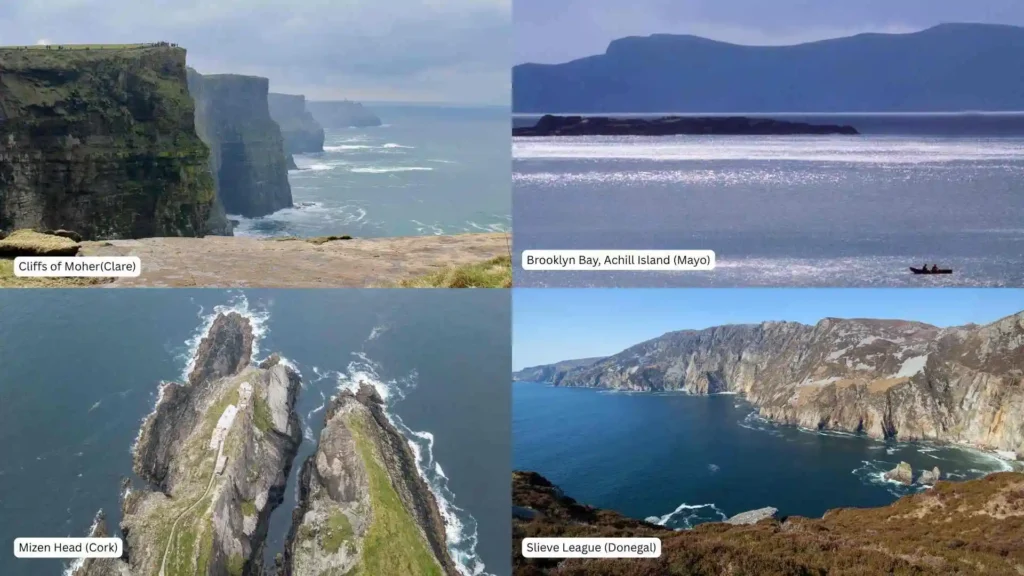
- Donegal: This is home to the beginning of the route and is a rugged and isolated county. The sheer size of the Slieve League cliffs (three times higher than the Cliffs of Moher) will mesmerise you. The theatric beauty of Fanad Head lighthouse, which seems to have been cut-out of the postcard.
- Mayo: Island and city of history. Ensure to take time out for the beautiful Achill Island (reachable by bridge) home to Keem Bay, and the geological marvel of Downpatrick Head, a gigantic sea stack which guards the waters at the point.
- Galway: This part has frequently been home to the popular Connemara Loop. It is a boggy, mountainous and shimmery lake landscape. Take a stop in the city of Galway where live performances and music can be enjoyed. Here, you can experience a lively atmosphere before driving south to experience the limestone karst region leading to the next county. You must visit the magical Connemara National Park.
- Clare: The undisputed star here is the jaw-dropping Cliffs of Moher, a vertical wall of rock plunging into the sea. Beyond the crowds, take a trip to the lunar scenery of The Burren and head down to the dramatic Loop Head, where the Atlantic coast truly shows its strength.
- Kerry: Kerry is often referred to as the jewel of the south and it is also home to the Ring of Kerry. The best features are the breathtaking Dingle Peninsula (personal favourite) and the mythical Skellig Islands, which have been featured in Star Wars.
- Cork: The last destination is a combination of beach and food. You should also not overlook Mizen Head, the most extreme point in Ireland, and the harbour town of Kinsale. This town has amazing food and colourful local scenery. It is an ideal spot to end your trip with a pint.
Top Discovery Points Along the Route
Although the whole trip following the Wild Atlantic Way trail serves views. However, there are certain destinations which require an extended break and the camera roll. Such designated stops offer the most distinct scenery that makes your stay along the route memorable.
- Malin Head (Donegal): It is the beginning. Keep an eye at the Banu’s nose, It’s a kind of a face-shaped rock.
- Slieve League (Donegal): Huge sea cliffs. The perspective of the highest platform of viewing is free to everybody, though, to the hikers, the One Man’s Path is pure adrenaline rush.
- Downpatrick Head (Mayo): A mind-blowing sea stack. Go there at sunset to get the dramatic effect and make sure you peep down the blowhole called Poll na Seantainne.
- Keem Bay, Achill Island (Mayo): One of the best beaches in Europe. Before you even get out of the car, drive over the mountain road that takes you down to the bay and get a view. It is unbelievably breathtaking.
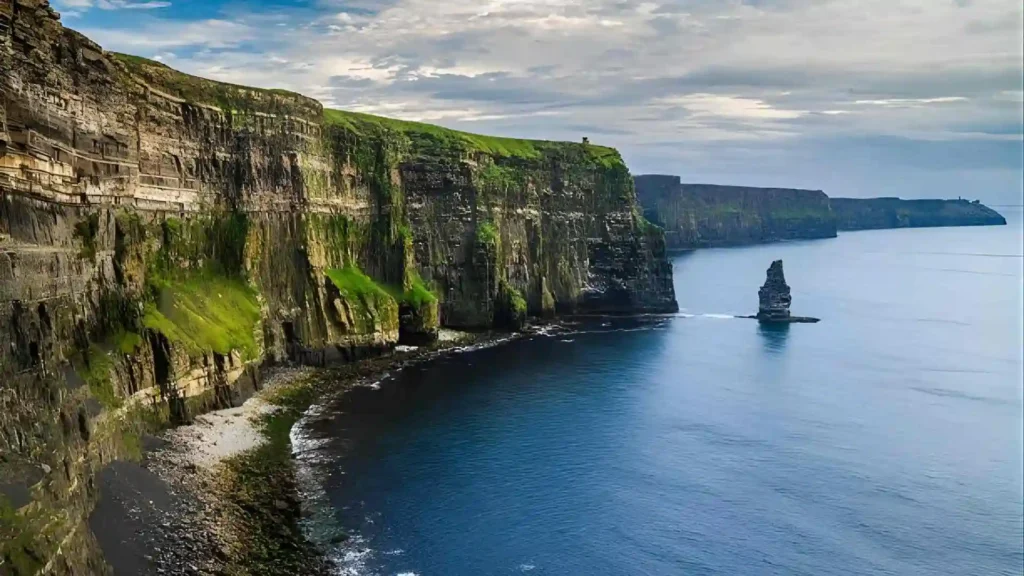
- Cliffs of Moher(Clare): The archetypal Irish image. Bypass the masses of visitors at the main visitor centre and walk along the coast at either Doolin or Hags Head to see other aspects.
- The Burren (Clare): The special ecosystem of rocks. Watch out for rare Arctic and Mediterranean flowers which grow in the crevices of the limestone.
- Slea Head Drive (Kerry): The circumnavigation of Dingle Peninsula. Drive this clockwise to avoid having stuck behind the tour buses and keep the ocean on your left.
- Mizen Head (Cork): The signal station on a dramatic and cliff side. You will have to pass the famous bridge in order to enter the signal house and feel the entire strength of the ocean.
Planning Your Wild Atlantic Way Itinerary
Mapping out your adventure to Wild Atlantic Way is all about personalising your journey. In case you want to cover most of the Wild Atlantic Way, it is essential to plan it using a map.
1. Select Your Start/End Point:
The route is supposedly from Donegal to Cork. But most people may choose to start in Shannon or Dublin and drive to some midpoint such as Galway to start. You can easily approach the north or south side in case you do not have much time starting in the middle.
2. Control Your Pace:
The primary choice is between speed and immersion. You can ride 100-150km/day (not in a hurry, leisure), or 200-250km/day (fast, ground covered) on average. We strongly recommend the slower pace. The most desirable places are frequently little off-roads which are not indicated by the official signs. Doing it at a slower pace allows you to absorb the atmosphere.
3. Book Your Stays (Smartly):
Accommodation is offered as far as camping, glamping, up to luxurious castles, and the well-known Irish B&Bs. To ensure your travel in peak season (June-August) you will have to make reservations, particularly in the major hubs of Doolin, Clifden, and Westport.
Think of booking three nights in a larger town as a base to day trip instead of travelling each and every day. Setting time aside to go out and have a full time is much easier.
Since you can see as much as you can instead of spending time packing and unpacking. It would make your journey much easier. This is a holiday, and you should enjoy the planning process.
Conclusion
The Wild Atlantic Way is not a mere trip, but rather an experience spread over weeks of absorbing culture, history, and even scenery. From the soaring cliffs of Slieve league to the friendly pubs of Kinsale, it has so much to offer in the form of dramatic sceneries and memorable Irish experiences.
We have established the path, discussed the thoughtful time investment, segmented the gorgeous counties and pinpointed the breathtaking points to discover. Now it’s your turn to commit to cover this 2,600-kilometer drive. The payoff is a lifetime of memories. The only thing left to do is now on your part since you are now equipped with the knowledge and the map. So pack your bags and begin your trip.