
Irish Superstitions and Folklore: Signs, Luck, and Daily Life
Irish folklore is rich with stories that merge ancient Celtic beliefs, Christian traditions, and everyday customs. Over the centuries, Irish superstitions have guided how people understood nature, approached danger, and sought luck in daily life. From predicting the weather to protecting homes and families, these beliefs influenced choices, celebrations, and even farming practices.
Many of these old customs, passed down through generations, are still spoken about today, keeping the old ways alive in modern Ireland. Learning about Irish superstitions offers insight into the culture, history, and mindset of the Irish people, showing how tradition and everyday life have long been intertwined in fascinating ways.
What Superstitions Tell Us About Irish Culture
rish superstitions reveal a lot about the country’s culture and way of life. They often come from respect for nature and belief in the unseen, mysterious world. Many are linked to rural life, weather, farming, and family traditions. People paid close attention to animals, trees, and natural signs, seeing them as messages or warnings. Simple actions, like spilling salt or greeting a magpie, could carry meaning.
Fairies and other spirits also feature heavily, showing how the Irish mixed everyday life with stories of the supernatural. These superstitions shaped how people lived, worked, and celebrated over generations.
Lucky Signs and Protective Beliefs
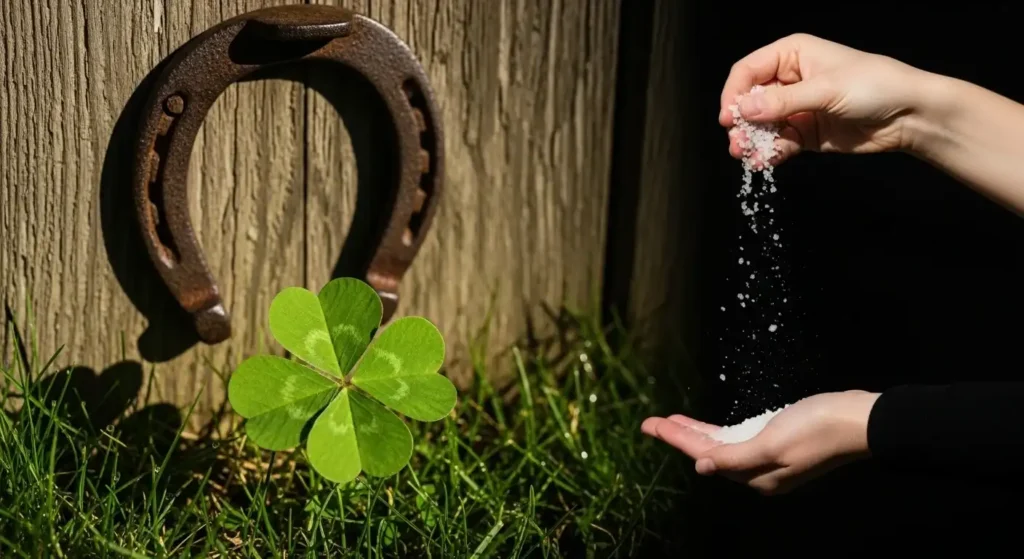
Irish people have long relied on symbols and actions to attract luck and protect against misfortune. These superstitions often involve nature, everyday objects, or small gestures. They are simple to follow but carry deep cultural meaning, showing how the Irish connected with the unseen world while going about daily life. Many of these beliefs are still observed today, especially during festivals, at home, or on farms.
Four‑Leaf Clover
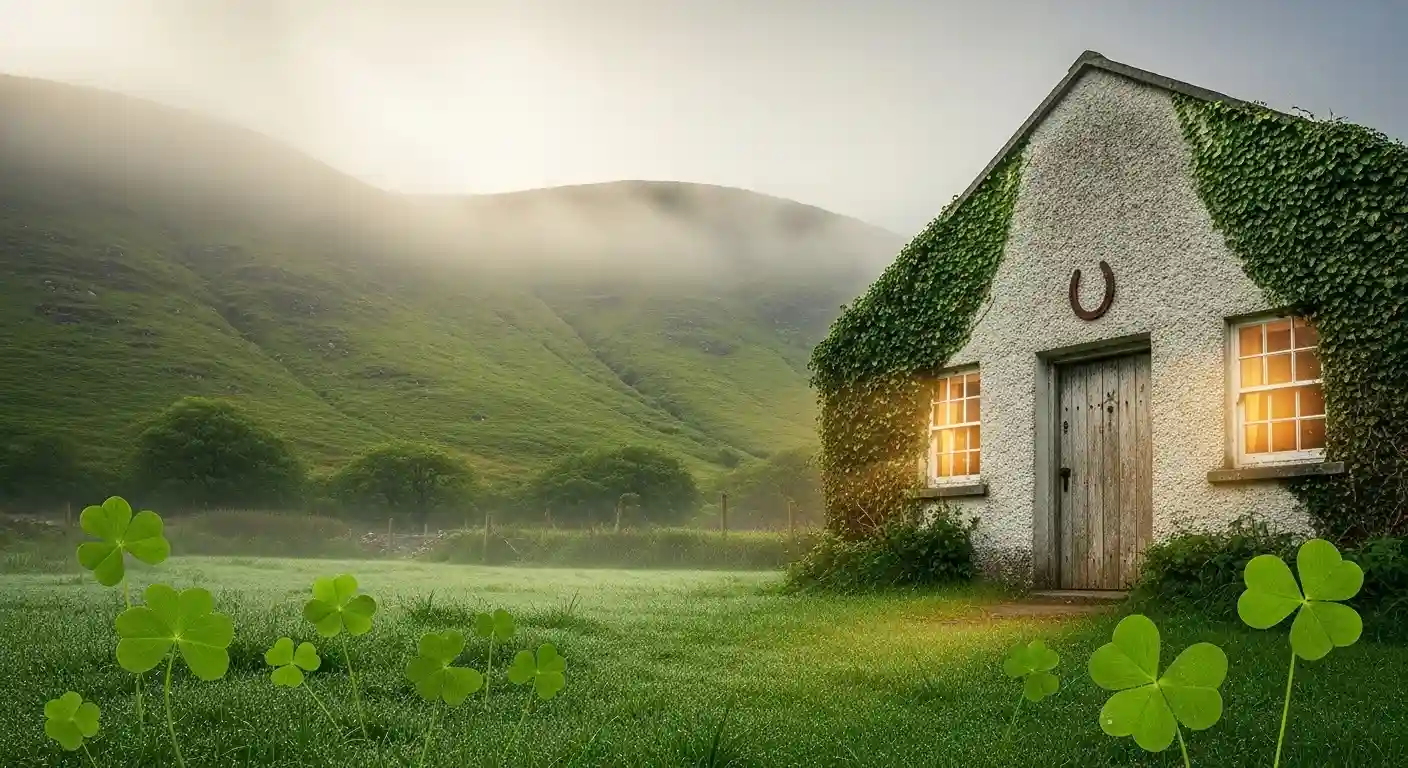
A four‑leaf clover is rare and considered very lucky in Irish tradition. Each of the four leaves represents faith, hope, love, and luck, making it more than just a plant. People often keep one in a wallet or press it in a book for protection. Finding one is seen as a special omen, and many still associate it with good fortune in life, love, and business.
Horseshoes Over Doors
Horseshoes are hung above doorways to protect homes from evil spirits and bring good fortune. The open end should face upwards so luck stays inside rather than spilling out. Traditionally made of iron, which was believed to repel spirits, the horseshoe also symbolises strength. Families, especially in rural Ireland, often keep one above the front door or inside the home, seeing it as a simple but powerful charm.
Throwing Salt Over Your Shoulder
Spilling salt is seen as bad luck, but throwing a pinch over your left shoulder can protect you from mischief-making spirits. The gesture is thought to blind the spirits waiting behind you. Salt has long been valued in Ireland as a symbol of purity and protection. People often carry small packets or use table salt in this way during meals or special occasions.
Itchy Palms
An itchy palm can signal financial events. An itchy right palm traditionally means money is coming your way, while an itchy left palm may warn of money going out. This belief is common across Ireland and still talked about today in households and markets. Many people playfully rub or tap their palms to either attract good fortune or stop loss. It connects everyday body signs with luck in a practical, simple way.
Catching Autumn Leaves
When a leaf falls near you in autumn, it is sometimes seen as a sign of good luck for the coming season. Many Irish people take note of oak, ash, or rowan leaves, which are traditionally linked to protection and strength. This superstition reflects the close relationship between Irish people and nature, observing small signs to guide daily life, farming decisions, or family events.
Animals and Omens
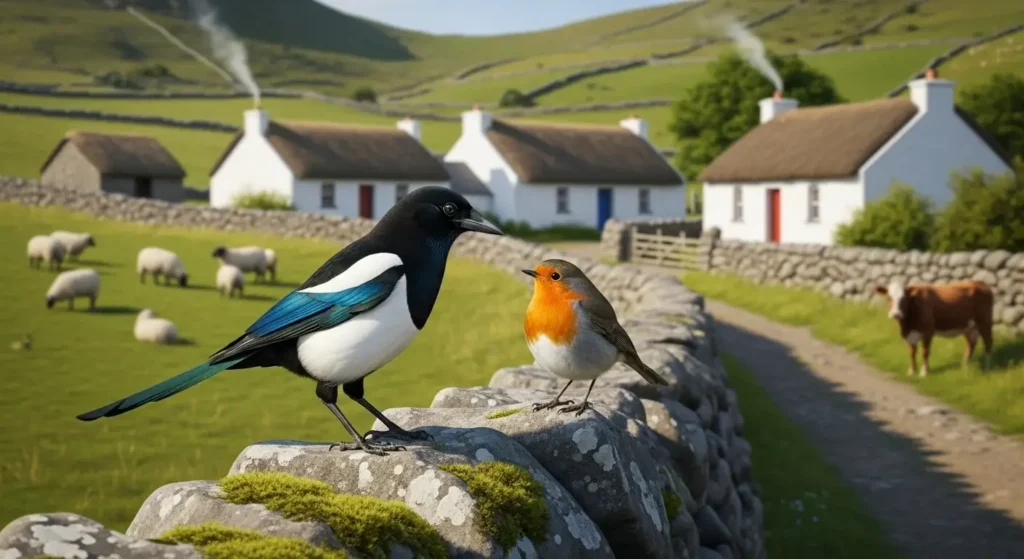
Animals play a strong role in Irish superstitions. They are seen as messengers or signs from the natural and supernatural world. Birds, in particular, often signal fortune, warnings, or messages from ancestors. These beliefs helped rural communities interpret events and make decisions about daily life, work, and celebrations. Many still notice animal behaviour today, keeping old traditions alive in a modern setting.
Saluting Magpies
Magpies are among the most famous omens in Ireland. The old rhyme says: “One for sorrow, two for joy, three for a girl, four for a boy.” Saluting a lone magpie can ward off bad luck. Farmers and townspeople alike would acknowledge the birds on sight to maintain good fortune. Counting magpies and greeting them remains a common superstition in Irish towns and villages.
Robins at the Door
Seeing a robin at your home is considered significant in Irish folklore. It is often viewed as a sign that a loved one who has passed is nearby or sending a message. Some people leave small offerings like crumbs or water to show respect. Robins are particularly associated with Christmas and winter months, reflecting the Irish connection between birds, seasons, and messages from the otherworld.
Birds Pooping on You
Though it may seem odd, birds pooping on someone is considered good luck in Ireland. Folklore suggests that a small, messy incident can actually bring fortune. This superstition highlights the Irish tendency to find positive meaning in everyday events and natural occurrences. Many still jokingly celebrate it as a sign of future wealth or success.
Animals as Omens in Daily Life
Beyond birds, other animals like cats, horses, and cows were observed for signs of luck or danger. A black cat crossing the road, for instance, could mean misfortune, while cows moving in a certain way might predict weather changes. These beliefs guided daily decisions in farming, travel, and home life. Observing animals remains an intuitive way the Irish connected with both nature and superstition.
Everyday Actions and Beliefs
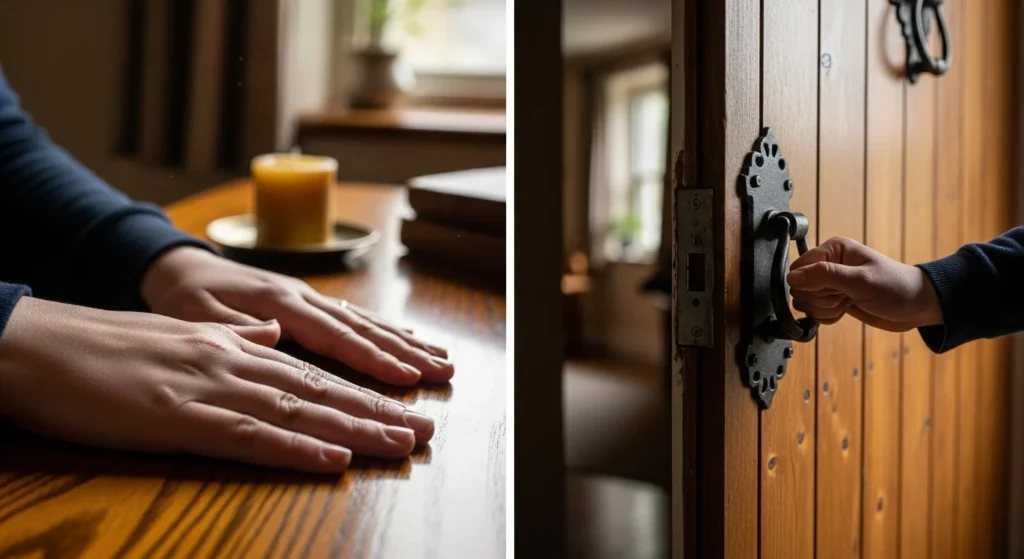
Simple actions and small gestures carry meaning in Irish superstition. Many relate to protecting the home, attracting luck, or avoiding misfortune. These beliefs developed from daily life, practical observations, and spiritual ideas, and they remain part of Irish culture today. Ordinary acts like knocking, touching wood, or welcoming visitors can influence fortune, showing how superstition blends seamlessly with everyday habits.
Touch Wood
Tapping or touching wood while speaking of future plans is believed to prevent bad luck. This superstition has roots in both pagan and Christian practices, where wood symbolised strength and protection. Many Irish families still touch wooden furniture or door frames when talking about hopes, work, or travel, treating it as a small, protective gesture against misfortune in daily life.
Knocking Twice
Knocking twice before entering a house or room is thought to invite good energy and protect against evil spirits. The practice is simple but widely observed in rural areas and among older generations. It reflects caution and respect for the unseen world, reminding people that even everyday movements can influence luck or misfortune. Many still knock on doors out of habit or for reassurance.
First Footing on New Year
The first visitor to enter a home after midnight on New Year’s Eve sets the tone for the year’s luck. Traditionally, a dark-haired guest was considered best. This superstition continues in parts of Ireland, with people welcoming neighbours or friends early in the year. Small gifts like coal or bread may be offered to symbolise warmth and prosperity for the coming months.
Not Placing Shoes on a Table
Placing new shoes on a table is considered bad luck in Ireland. It is believed to invite misfortune, especially in homes and workplaces. Families and shopkeepers alike avoid this, particularly when shoes are gifts or freshly bought. The superstition reflects how ordinary objects in the home are linked to fortune, showing that careful handling of everyday items can have symbolic importance.
Sacred Trees and Fairies
Irish tradition places great importance on trees and natural sites, linking them to the supernatural world. Certain trees, bushes, and ringforts are thought to house fairies or spirits. Respecting these places avoids misfortune and honours old beliefs. These customs show how the Irish blended everyday life with spiritual awareness, observing nature closely while keeping traditions alive in homes, farms, and villages.
Fairy Trees and Fairy Forts
Trees or ringforts, often called fairy forts or fairy trees, are believed to be homes of the “Good People.” Disturbing them could bring bad luck or misfortune. Communities sometimes built roads or fences around these spots to avoid offence. Many forts date back centuries, connecting folklore with Ireland’s ancient landscape. People still respect these sites today, leaving them untouched or marking them as sacred.
Leaving Offerings for Fairies
Leaving small offerings like milk, bread, or coins for fairies was thought to bring protection and blessings. Farmers and households would perform these acts to ensure crops, livestock, or family members were safe. Offerings were left quietly near trees, wells, or paths. These rituals show the close relationship between daily life and the supernatural, with small gestures believed to maintain balance and harmony.
Sacred Trees in Modern Ireland
Certain oak, rowan, or ash trees are still respected for their historical and spiritual importance. People avoid cutting them unnecessarily and sometimes mark them as protected. These trees are symbols of strength, protection, and connection to ancestors. Walking past or leaving gifts at these trees continues in rural communities, blending modern life with ancient superstition and keeping Ireland’s folklore visible in everyday practice.
Superstitions Around Life, Death and the Otherworld
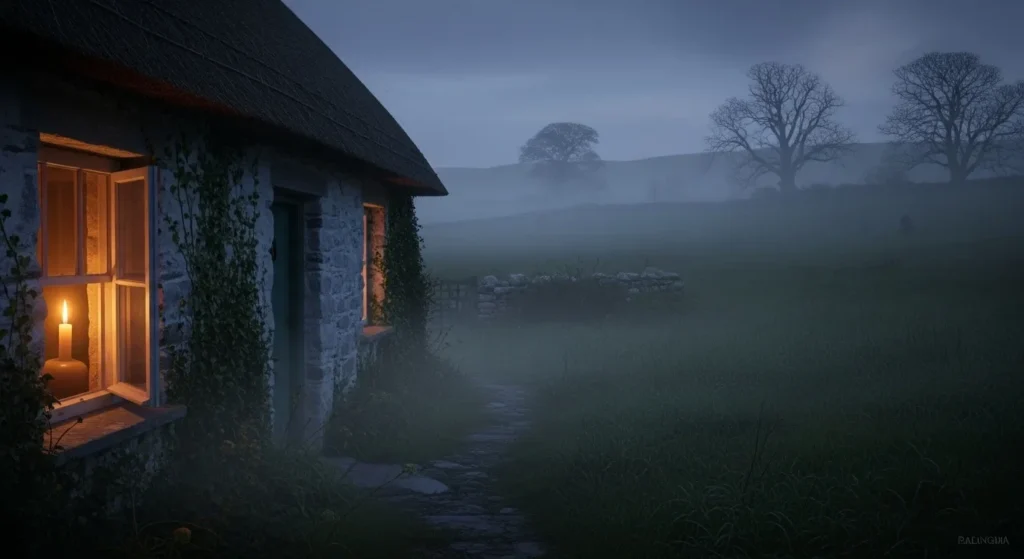
Irish folklore often links everyday life with the unseen world. Superstitions about birth, death, and the otherworld guided families in times of joy, danger, or grief. These beliefs reflect respect for ancestors, spirits, and natural cycles. Many practices continue in modern Ireland, showing how past customs shaped daily life and cultural understanding.
Open Windows After Death
When someone died, Irish families often opened a window to allow the soul to leave the home freely. This custom was thought to prevent the spirit from becoming trapped and bringing misfortune. It shows a deep respect for the dead and the connection between family, home, and the unseen world. Even today, the gesture is remembered in rural communities as part of death traditions.
Wren Day Traditions
On Saint Stephen’s Day (26th December), people traditionally hunted a wren, believed to bring luck for the year ahead. Today, symbolic versions continue, with groups parading or singing songs to honour the tradition. The wren represents both mischief and fortune, showing how Irish superstition mixes nature, ritual, and seasonal celebrations. Many rural villages still observe Wren Day with processions and music.
Banshee Wails
The banshee is a female spirit whose wail is said to forewarn death in a family. Hearing a banshee was taken seriously in rural Ireland, often prompting prayer or ritual protection. Stories of banshees vary across counties, with descriptions ranging from old women to young maidens. The belief connects family, death, and the supernatural, showing how Irish people interpreted signs from the unseen world.
Funerary Customs
Irish superstition influenced practices like covering mirrors, carrying coins, or avoiding certain rooms when someone died. These actions were meant to protect the living from spirits or misfortune. Funeral wakes and rituals combined social gathering with careful observance of the supernatural, blending grief with respect and tradition. Many of these customs are remembered today, reflecting Ireland’s long history of linking life and death with spiritual belief.
Food, Rituals and Symbols
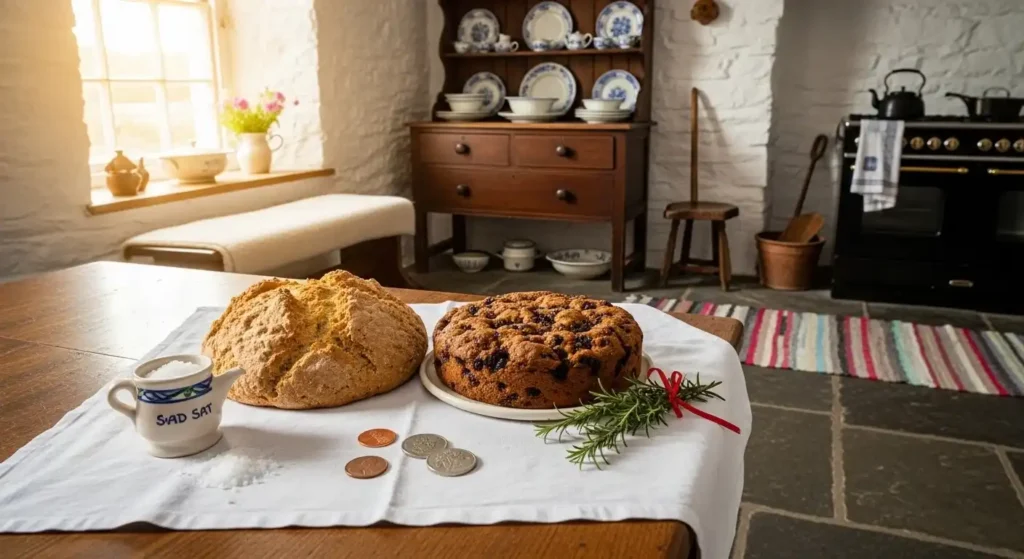
Irish superstitions often appear in food, household rituals, and symbolic gestures. These practices link daily life with protection, luck, and spiritual belief. Many are tied to festivals, farming, and family gatherings. Observing these customs preserved tradition while giving meaning to ordinary actions. They show how the Irish found guidance and fortune in both work and celebration, keeping folklore alive through everyday rituals.
Soda Bread Cross
Before baking soda bread, many Irish families would score a cross on top. This was believed to release bad spirits and protect the household. The act combined Christian symbolism with older pagan beliefs about safeguarding food. Baking the bread carefully ensured both sustenance and spiritual protection, and the tradition continues in many homes, especially during family meals or festive occasions.
Barmbrack at Halloween
Barmbrack is a traditional Irish fruit bread baked at Halloween, often with small items hidden inside. Finding a ring could signal marriage, a coin meant wealth, and other items predicted fortune or challenges. Families use it to celebrate Samhain, connecting the living with the unseen world. The practice remains popular in rural and urban Ireland, keeping the old customs alive in modern celebrations.
Protective Kitchen Rituals
In many Irish homes, rituals like sprinkling salt, placing a broom upright, or avoiding leaving spoons on the table were observed to protect the household. These small acts reflected practical life combined with superstition. They helped maintain a sense of order, luck, and safety, especially during cooking, meals, or family gatherings, showing how deeply folklore influenced everyday domestic routines.
Seasonal and Festival Foods
Certain foods carried luck depending on the season or festival. For example, cakes, bread, or milk offerings at harvest or Samhain were meant to attract prosperity and blessings. These rituals reinforced community bonds and connected people to the cycles of nature. Observing these traditions helped families ensure protection, abundance, and harmony, blending food, superstition, and cultural identity.
Final words
Many Irish superstitions continue to shape daily life and celebrations. People still salute magpies, touch wood, or observe signs from animals and nature. Seasonal rituals, protective gestures, and respect for sacred trees remain part of homes, farms, and villages.
These customs show how Ireland’s past blends with the present, keeping folklore relevant and meaningful. Learning about Irish superstitions offers insight into culture, history, and the ways ordinary actions carry symbolic importance even today.