Irish Mythology Explained: Cycles, Gods, Heroes and Legends
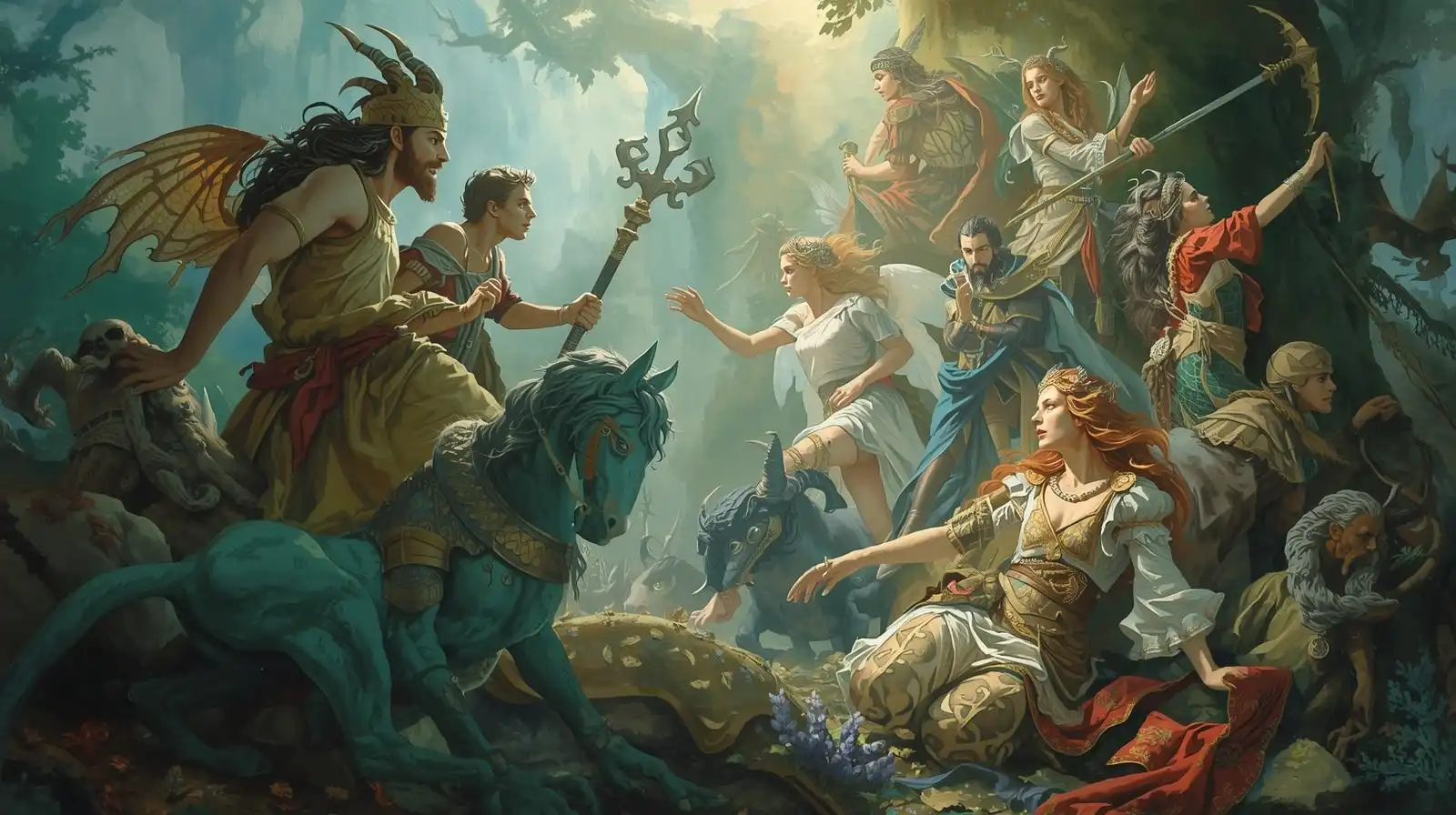
Irish mythology is an abundant network of oral narrations, which has been preserved over thousands of years. It is necessary to differentiate between the three pillars of Gaelic tradition: myths (ancient stories about gods), legends (heroic acts of semi-historical characters), and folklore (local superstition and fairy tales) to interpret the Irish myths and legends.
The essence of Celtic mythology in Ireland is in the fact that it has strong roots in the landscape. The oral traditions of the Druids were preserved by the early Christian monks who wrote these traditions down.
These tales have been traditionally divided into four different so-called Cycles: Mythological, Ulster, Fenian and Kings Cycles. This guide provides an account of the Irish myths, their history and the magic that has always characterised the Irish identity even today.
The Four Cycles of Irish Mythology
Irish storytelling is structured in a distinctive way and divided into four chronological and thematic groups. These groups are referred to as the Irish mythology cycles. The various periods of the Irish psyche are marked by each of the cycles, shifting between the divine and the human.
The Mythological Cycle is concerned with the Tuatha Dé Danann, a people of godlike beings who introduced magic in Ireland. The Ulster Cycle is the Iliad of Ireland, the heroic deed of warriors in the north.
The Fenian Cycle is a cycle based on the adventures of a hunter-warrior, Fionn mac Cumhaill, with the focus on nature and fraternity. The last category is the historical cycle (also known as the historical cycle), which represents a mixture of both the supernatural and genealogy. It is the life of historical and fictional high kings.
These cycles give an outline of the transformation of Ireland from a country of gods to a land of men.
Mythological Cycle
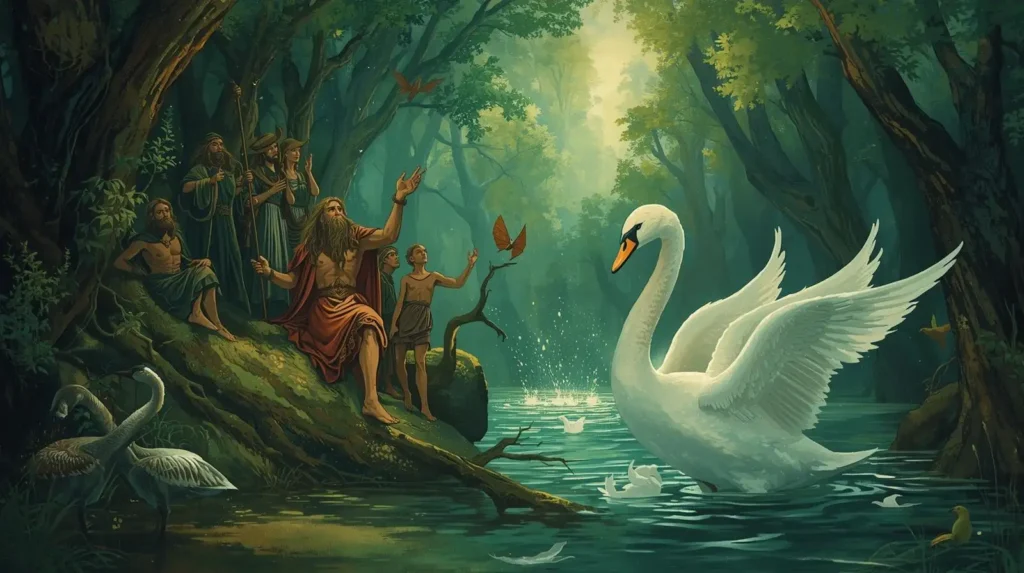
The Mythological Cycle is the creation myth of the magical origins of Ireland.It explains the numerous invasions of the island with the most notable being the one by Tuatha Dé Danann. The Children of Lir is considered to be one of the best stories to read about.
It is an emotional tale of four brothers who had been turned into swans by an envious stepmother. This cycle creates the “Otherworld”, and the reason why the gods eventually moved back into the sidhe (mounds) to become the fairies of the subsequent folklore.
Ulster Cycle
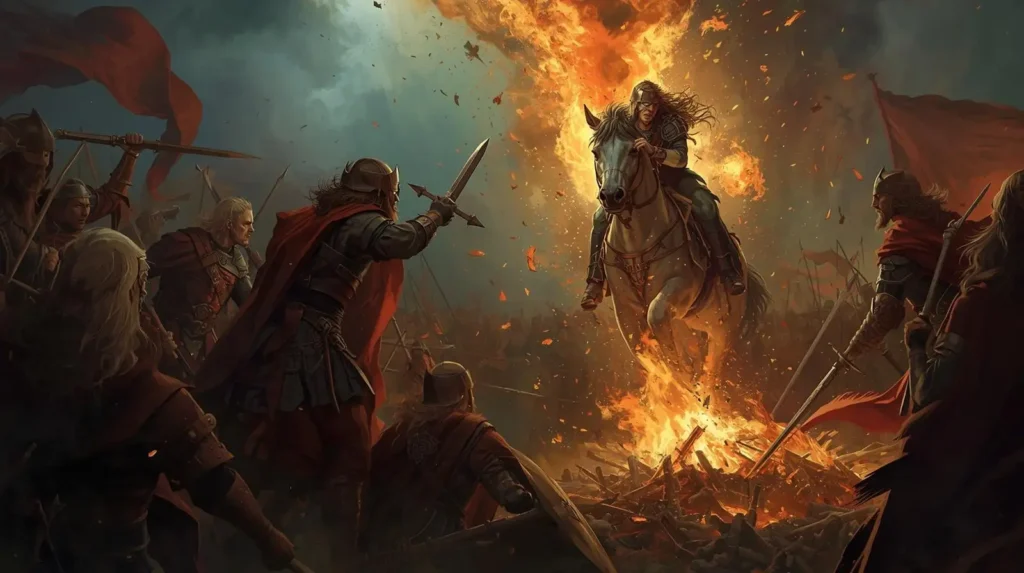
According to the Cooley Peninsula and Armagh, the modern day Ulster Cycle is marked by the Táin Bó Cúailnge (The Cattle Raid of Cooley). This cycle centres on Cú Chulainn, the Hound of Ulster.
He is a hero of incredible martial strength and unfortunate fate. It explores the theme of honor, geis (sacred taboos) and cruelty of the ancient war and often with the intervention of the war goddess, The Morrigan.
Fenian Cycle
The tales are also known as the Ossianic Cycle and the tales revolve around Fionn Mac Cumhaill and his band of super warriors the Fianna. The Fenian legends are populist and romantic as opposed to the aristocratic Ulster Cycle.
The eating of the Salmon of Knowledge by Fionn and the adventures of his son, the poet Oisín are some of the principal stories. It is an adventure of travelling through the wilderness, hunting, and seeking justice.
Kings Cycle and Other Tales
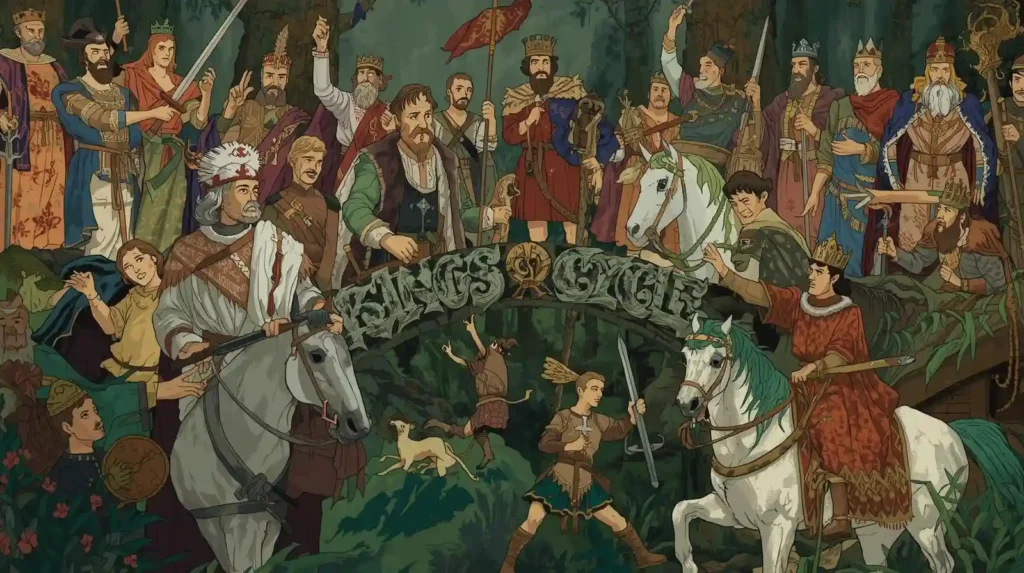
Kings Cycle is the bridge between myth and history. It provides a narrative of the exploits of such kings as Niall of the Nine Hostages and Brian Boru, frequently giving them a mystic meaning to justify their rule.
This section also includes the “romance” stories, including the sad story of the unattainable love of Diarmuid and Grainne, the story of a love triangle, which is later biased in a similar fashion to the Arthurian legend of Lancelot and Guinevere.
Famous Irish Myths and Legends You Must Know
In addition to the academic cycles, there are certain narratives that have become the world icon of Irish culture. Such legends tend to be the initial exposure of people to the folklore of the Emerald Isle.
The Giant’s Causeway and Fionn McCool
The most popular geographical myth is probably the Giant’s Causeway myth in Ireland. Although the volcano basalt is suggested by science, Fionn Mac Cumhal (Finn McCool) built the causeway, according to legend, in order to access another giant in Scotland.
It is a comic story of the wit compared to the brawn because his wife, Oonagh, masquerades as Fionn as an infant to frighten away the Scottish giant, Benandonner.
Cú Chulainn
Being the main Cú Chulainn, the Irish hero, his life is a flow of miraculous deeds. Being born Setanta, he received his name because he killed the guard dog of Culann and volunteered to replace him.
Having a reputation for a warp-spasm (fearful battle frenzy), he had been fighting Queen Medb’s armies single-handedly. He is the icon of Irish power and resistance.
The Salmon of Knowledge
The last tale of accidental wisdom is the Salmon of Knowledge Irish myth. Young Fionn burned his thumb on the skin of the magical fish that he was cooking to his master, the poet Finneigeas, and sucked on it to relieve his suffering. Doing this he acquired all the wisdom of the world. This story brings out the value of intelligence and spirituality in Gaelic society.
Tír na nÓg and Oisín
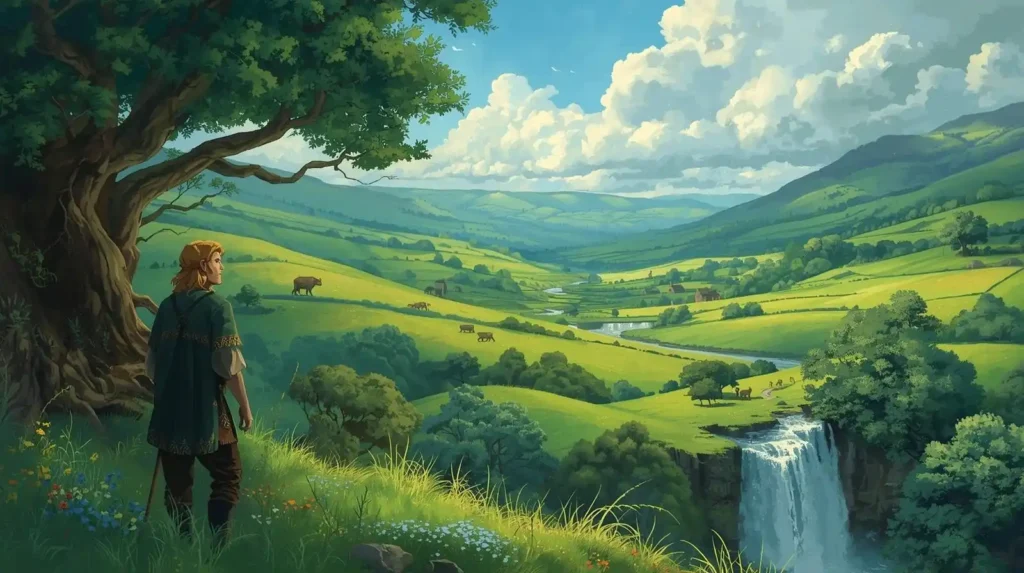
Tír na nÓg is a folk tale concerning the Land of Youth or Otherworld and there is neither sickness nor time there. Oisín, the son of Fionn, falls in love with a girl with golden hair, Niamh and she arrives at the location of the love affair on a magic horse.
However, it ends up tragically, 300 years later, Oisín arrives at his family in Ireland, and his feet touch the ground, and he instantly becomes an old man.
The Banshee and Irish Fairies
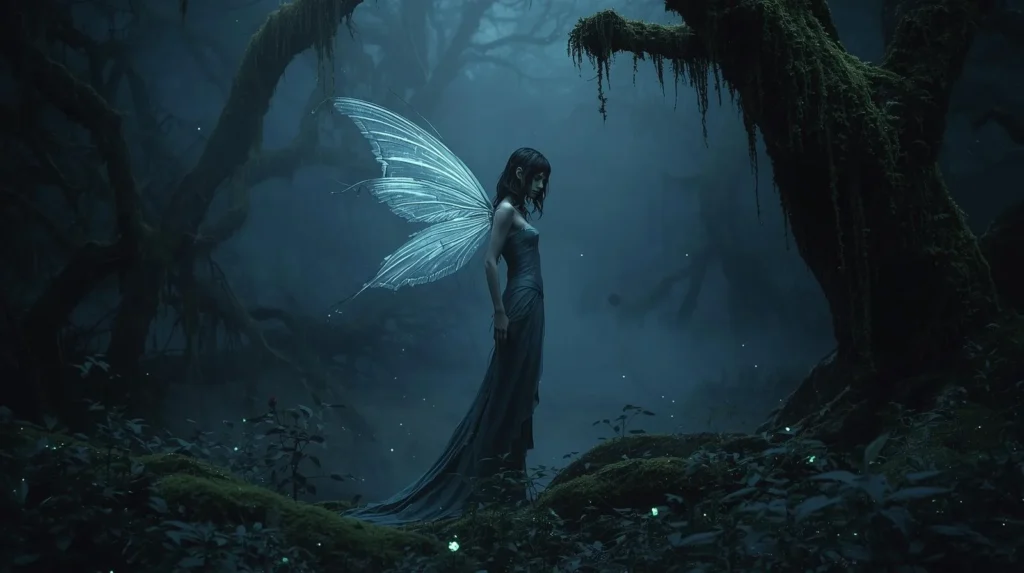
This cry of a wailing woman is a spirit in the folklore of the Irish banshee, whose cry foretells a death in some ancient families. As opposed to the evil ghosts of the horror films, a banshee is commonly regarded as a serious protector of the family’s bloodline.
Equally, Irish fairies (the Aos Si) are not the Tinkerbell but strong, haughty creatures that should be respected lest they cause misfortune.
The Púca and Other Creatures
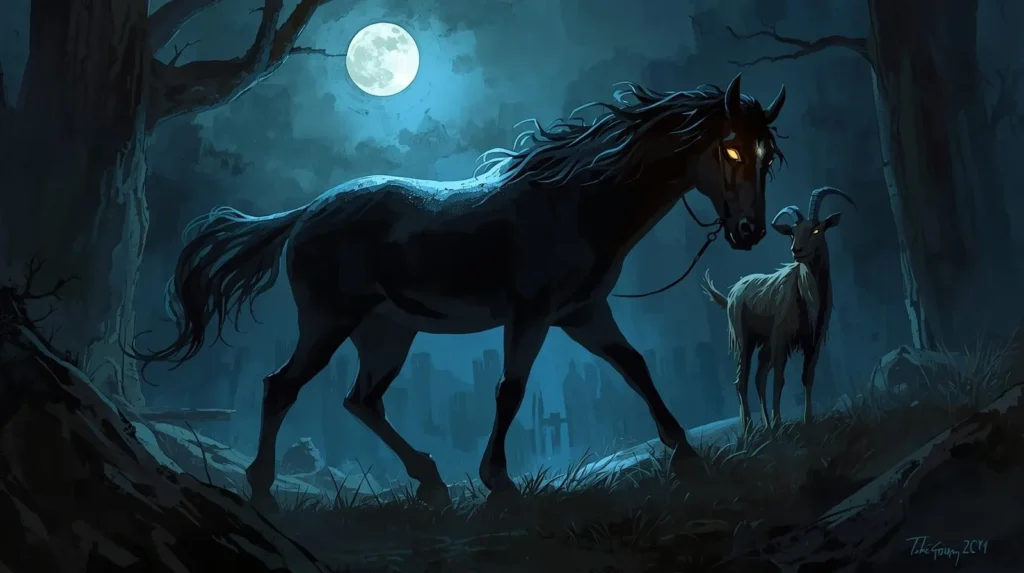
The púca of Irish folklore talks of a shapeshifting animal that can either be a good or a bad omen, they come in various forms such as black horse or goat. It is a trickster of the night.
Other monsters, such as the headless Dullahan or the capricious Leprechaun, typify the darker and lighter elements of the Irish imagination, usually concerned with a certain rural custom.
Mythological Figures and Deities
Irish mythology has a complicated system of gods which tend to be rather more human-like than the Greek or Roman gods- with their own flaws, defeat and politics.
Tuatha Dé Danann
The Tuatha Dé Danann myth has its focus on the people of the goddess Danu. They were the masters of druidry and magic, and they conquered the monstrous Fomorians. The most important figures of this group include Dagda (the “Good God” and Lugh (the “Long-Handed”), among others.
They were defeated by the Milesians (described in legend as the ancestors of the Irish people), and as a result, they vanished in an invisible world through magic.
The Morrigan
The Irish goddess Morrigan is a frightening and intriguing creator of war, fate and sovereignty. She often disguises herself as one goddess or a combination of three sisters, often in the form of a crow. She is called upon in the Ulster Cycle, in which she predicts the demise of heroes and the fate of battles with the help of prophecies and magic.
St Brigid Myth vs History
The legend of St Brigid of Ireland is an interesting illustration of how pagan and Christian cultures had been blended. Previously a deity of fire, poetry and smithing, Brigid was changed in the later years into one of the patron saints of Ireland. Traditions of St Brigid’s Day today hail her as a connector between the old and the new world.
Other Mythical Figures
Although the principal gods receive the limelight, Irish mythical characters, such as Mug Ruith (a mighty blind druid who could fly) and Eriu (the goddess after whom the name Ireland/Eire was derived), can provide more insight into Irish values of ancient times. These characters symbolise the sovereignty of the land and the authority of spiritual vision in comparison with physical ones.
How Irish Mythology Influences Culture Today
In contemporary Ireland, Irish culture can be observed everywhere. Halloween is based on Samhain the night when a veil between our world and the Otherworld was the weakest. Landscapes (such as Sligo (associated with Queen Medb)) and the Hill of Tara continue to be pilgrimage sites.
Moreover, the symbol is extensively used in the literature written in modern Ireland, ranging all the way to W.B. Yeats and Seamus Heaney in order to define what it means to be Irish.
Common Misconceptions About Irish Myths
Irish mythology facts vs fiction is a contention. The first prevalent myth is that Leprechauns were never the stars. They were in fact moorsome water sprites which have been commercialised by contemporary tourism.
The other reason is that they were fairytales to children and in fact they were complicated legal and social codes that were meant to be read by adults. Lastly, most of the so-called Celtic symbols are also Neolithic in nature, and thousands of years older than the Celts.
Conclusion
Irish culture cannot be separated by old tales since the Irish myths and legends of the Emerald Isle are DNA of Irish culture. From the heroic wrath of Cú Chulainn to the sagacity of the Salmon, these stories bring to mind the time when the world was full of mystery and even the land was animate. If you are visiting the Giant’s Causeway or reading the Tain, you are following the footsteps of a thousand-year-long tradition.