
Aran Islands Ireland Guide: Things to See, Do and Travel Tips
The Aran Islands are located off the rugged western coast of Ireland, facing the powerful Atlantic Ocean. These islands are famous for dramatic cliffs, ancient forts, and traditions that have survived centuries of change. Located in Galway Bay, the islands offer visitors a rare glimpse into authentic coastal Irish life.
The Aran Islands in Ireland include three windswept limestone islands known as Inis Mór, Inis Meáin, and Inis Oírr. Together, these Islands of Aran create a landscape shaped by stone walls, sea winds, and resilient island communities. Visitors come for prehistoric forts, quiet beaches, and cultural traditions that feel largely untouched by modern tourism.
In this guide, we explore the top things to do, what to see, and how to visit the Aran Islands.
Things to Do on the Aran Islands
Below are some of the best things to do on the Aran Islands.
Visit Dún Aonghasa and the Ancient Stone Forts
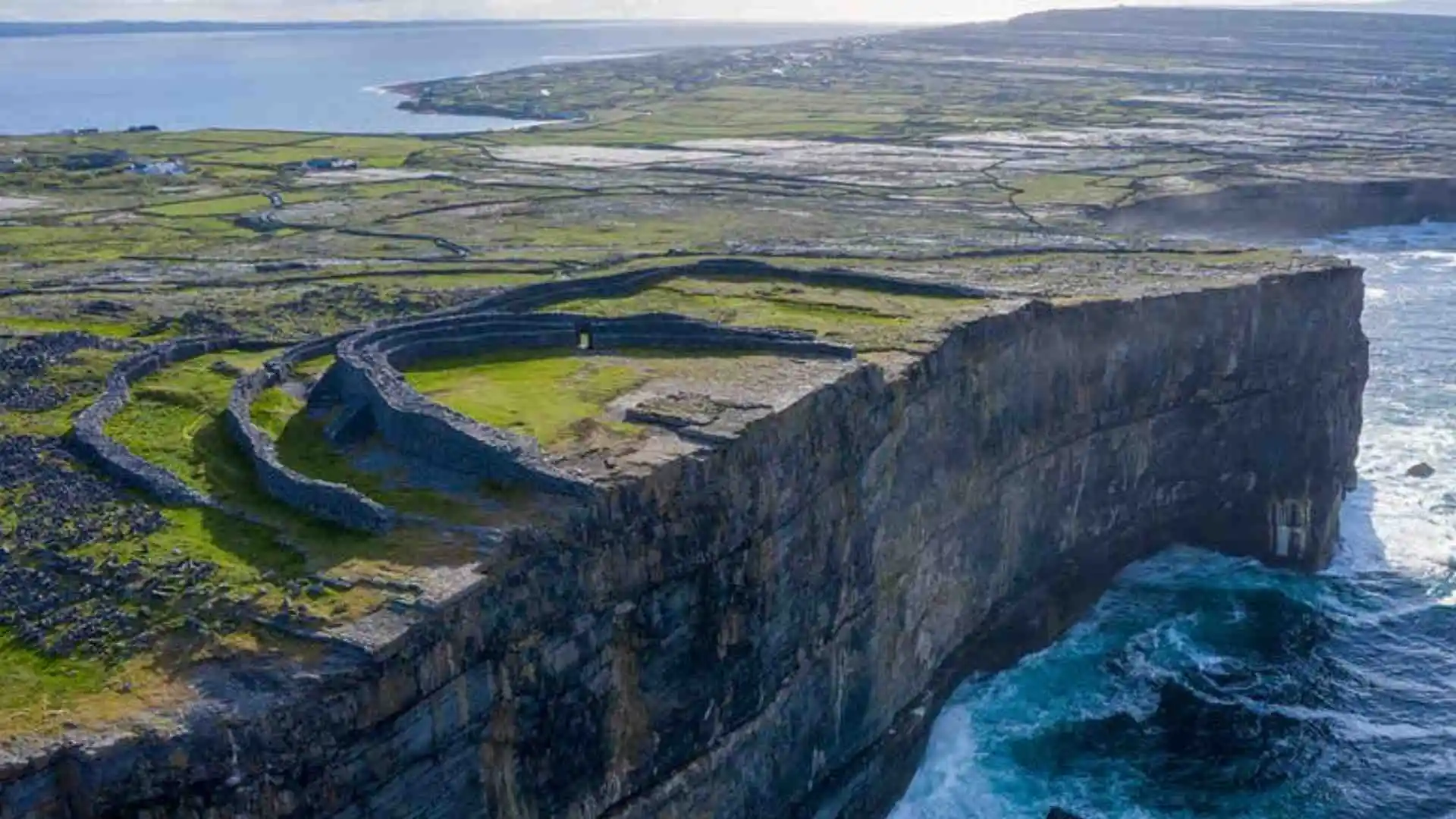
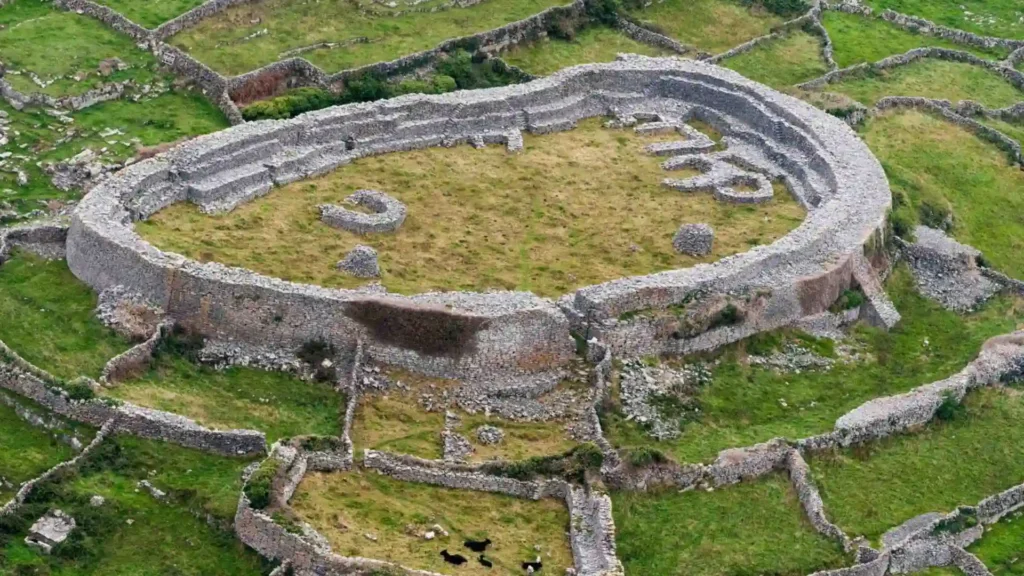
One of the most unforgettable experiences on the Aran Islands is visiting the legendary fort Dún Aonghasa. This prehistoric structure stands dramatically on a cliff edge nearly 100 metres above the Atlantic Ocean. Archaeologists believe the fort dates back more than two thousand years to early Iron Age communities. Massive stone walls form a semicircle that once protected the settlement from inland approaches. Visitors walk across limestone terrain before reaching breathtaking ocean views surrounding the dramatic stone fort.
Beyond Dún Aonghasa, several impressive stone forts remain scattered across the Aran Islands. These ancient structures reveal how early inhabitants defended settlements and adapted to the rugged island landscape.
Cycle the Coastal Roads
Cycling remains one of the most popular ways to explore the scenic landscapes of the Aran Islands. Flat winding roads pass limestone fields, historic ruins, quiet villages, and dramatic Atlantic coastal views. Many visitors arrange bike hire on the Aran Islands immediately after arriving at Kilronan Pier on Inis Mór. Exploring by bicycle allows travellers to discover hidden viewpoints, beaches, and farms beyond the main routes.
See the Plassey Shipwreck on Inis Oírr
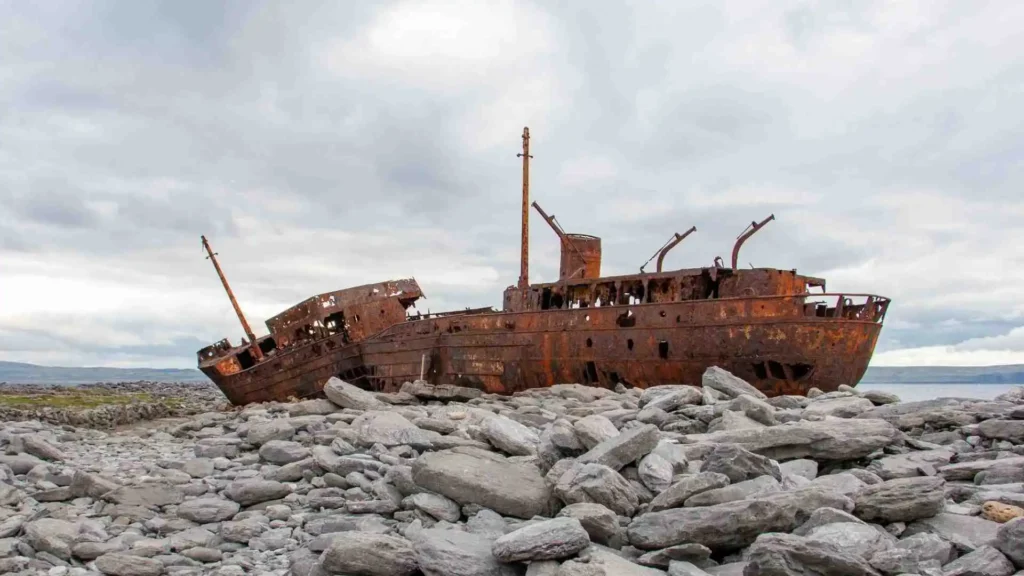
The rusting Plassey shipwreck rests dramatically along the rocky coast of Inis Oírr. This cargo vessel ran aground during severe storms in 1960, though the entire crew was safely rescued. Today the wreck remains a striking photography location against turquoise waters and windswept island scenery. The site also gained wider recognition after appearing in the opening credits of the television comedy Father Ted.
Swim at Poll na bPéist and Island Beaches
The natural swimming pool called Poll na bPéist sits between dramatic limestone cliffs on Inis Mór. During calm weather, some adventurous visitors jump into the clear Atlantic water surrounded by rugged stone formations. However, the area can be extremely dangerous. Strong waves, sudden surges, and slippery rocks make swimming risky, and many locals advise visitors not to swim at Poll na bPéist.
Several Aran Islands beaches also provide peaceful swimming spots with white sand and spectacular ocean views. Kilmurvey Beach remains especially popular because its clear waters and wide shoreline attract visitors every summer.
Experience Island Music and Local Food
Traditional pubs across the islands host lively evenings filled with Irish music and storytelling. Visitors often gather inside small Aran Islands pubs where fiddles and accordions create unforgettable sessions. Fresh seafood, hearty stews, and homemade bread appear frequently on menus throughout island restaurants. Sharing food and music with locals offers visitors a deeper understanding of island culture and hospitality.
What and Where Are the Aran Islands
The Aran Islands lie at the mouth of Galway Bay along the wild Atlantic coast of Ireland. These islands sit roughly 40 kilometres west of Galway City along Ireland’s dramatic western shoreline.
Geologically, the islands consist mainly of limestone, creating a distinctive rocky landscape shaped by centuries of Atlantic erosion. Thin soil layers forced islanders to build countless stone walls to separate small farming fields across the countryside.
From above, the islands resemble a patchwork pattern of grey limestone and green fields. The rugged terrain faces the open Atlantic Ocean, exposing the islands to strong winds and dramatic weather.
Despite these harsh conditions, communities survived through fishing, farming, and close cultural traditions for centuries. Today visitors travel here to experience the raw landscapes and historic character of Ireland’s western frontier.
A Guide to Each of the Aran Islands
Below is a guide to each of the Aran Islands.
Inis Mór
Inis Mór is the largest and most visited of the Aran Islands. Most visitors arrive through Kilronan, the main harbour village filled with small shops, cafés, and guesthouses. From Kilronan, travellers explore the island using bicycles, minibuses, or traditional pony and trap tours.
The island’s most famous attraction is the prehistoric clifftop fort Dún Aonghasa. Standing high above the Atlantic Ocean, this ancient structure offers one of the most dramatic viewpoints in Ireland.
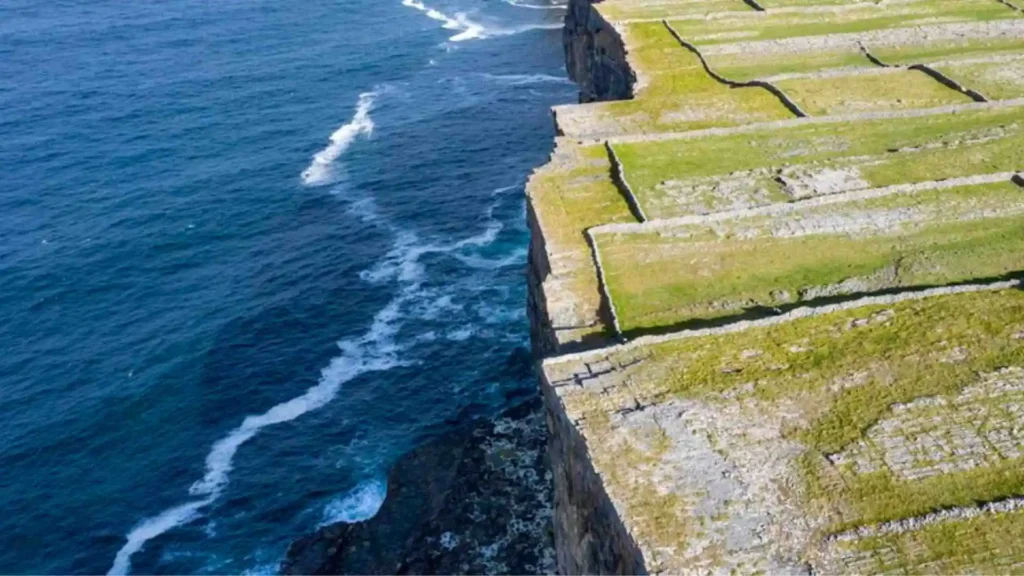
Other attractions include the Seven Churches ruins, seal colonies, and scenic coastal cycling routes. Stone walls stretch endlessly across the countryside, dividing small fields created by generations of farmers.
Visitors often spend a full day exploring cliffs, beaches, and historic sites across the island. Because of its size, Inis Mór offers the widest range of attractions on the islands.
Inis Meáin
Inis Meáin sits quietly between the larger Inis Mór and the smaller Inis Oírr. This island attracts travellers seeking peaceful landscapes, cultural heritage, and slower island experiences.
The impressive hilltop fort Dún Chonchúir overlooks limestone valleys and traditional stone walls across the island. Nearby stands Teach Synge, a historic cottage museum honouring playwright John Millington Synge.
Visitors appreciate the island’s calm atmosphere, scenic walking trails, and authentic community traditions. Because tourism remains limited here, the island preserves a quieter rhythm of daily life.
Inis Oírr
Inis Oírr is the smallest island but remains one of the most charming destinations. Colourful houses, sandy beaches, and friendly local pubs give the island a welcoming atmosphere.
One of the island’s most famous landmarks is the dramatic Plassey shipwreck along the coastline. The skeletal remains of the vessel create a striking contrast against bright Atlantic waters.
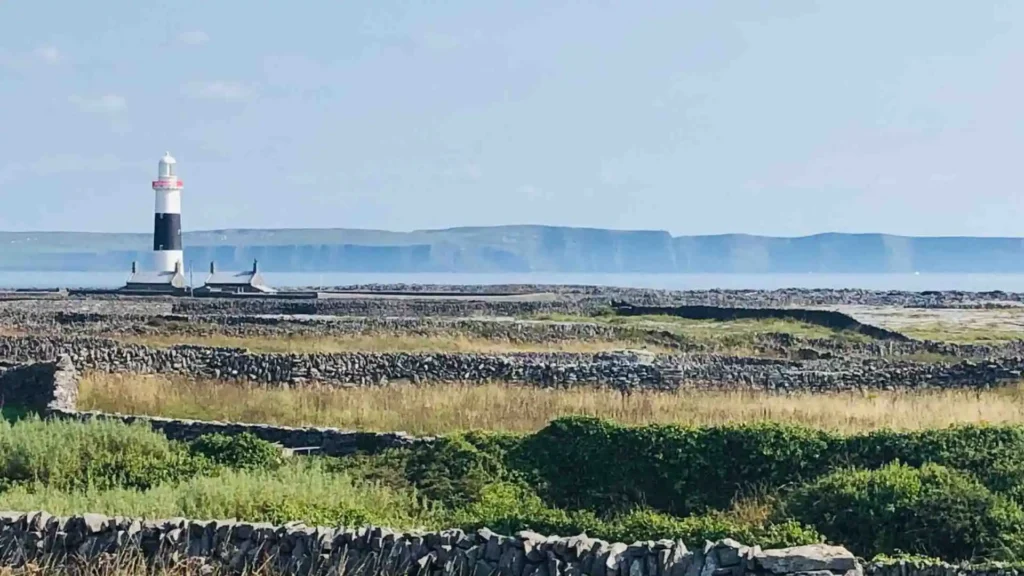
Visitors also explore O’Brien’s Castle and the island lighthouse, both offering views across the surrounding ocean. Cycling remains an excellent way to discover beaches, stone walls, and scenic viewpoints.
Despite its small size, Inis Oírr offers memorable coastal scenery and warm island hospitality.
How to Get to the Aran Islands
Below are the main ways to reach the Aran Islands.
Ferry Routes from Rossaveel and Doolin
The most common way to travel is by taking a ferry to the Aran Islands from mainland Ireland. Most ferries depart from Rossaveel Harbour, located about 40 minutes west of Galway City. The crossing usually takes around 40 minutes depending on weather and sea conditions. Passengers enjoy open ocean views while sailing across Galway Bay.
Another popular route departs from Doolin in County Clare. This route can offer views of the Cliffs of Moher during the journey. Ferry services operate frequently during summer, though travellers should book early during busy tourist seasons.
Flights to the Aran Islands
Travellers seeking faster transport sometimes choose flights to the Aran Islands from Connemara Airport. Small aircraft operated by Aer Arann Islands connect the mainland with all three islands. The short flight usually lasts about ten minutes and provides impressive aerial views of the coastline.
Passengers often photograph the patchwork stone walls and limestone terrain from above. Although flights cost more than ferries, they offer a memorable and efficient travel experience.
Best Time to Visit the Aran Islands
The best time to visit the Aran Islands generally falls between May and September. During summer months, visitors enjoy longer daylight hours, warmer weather, and more frequent ferry services. However, summer also brings larger crowds and higher accommodation prices across the islands.
Spring and early autumn offer quieter conditions while still providing pleasant weather for exploring. Regardless of the season, strong Atlantic winds and sudden rain showers remain common. Travellers should always prepare for changing sea conditions and unpredictable island climates.
Culture and History of the Aran Islands
The culture of the Aran Islands reflects centuries of resilience shaped by isolation and harsh Atlantic conditions. These islands form part of the Gaeltacht, where many locals still speak the Irish language in daily life.
The famous Aran sweater originated with local knitters who created thick wool garments for fishermen. Many sweater patterns developed unique stitches that became associated with island traditions.
Writers and artists long admired the islands, including playwright John Millington Synge, who spent time living on Inis Meáin. Stone walls covering the landscape represent generations of farmers clearing land and building fields by hand.
Practical Travel Tips Before You Go
Planning ahead improves any trip when visiting the Aran Islands for the first time.
Bike Hire: Rent bicycles early because cycling remains the easiest way to explore each island.
Weather Gear: Pack windproof jackets and sturdy shoes because island weather can change quickly.
Cash and Payments: Some smaller shops and cafés still prefer cash, although card payments are becoming more common.
Accommodation: Book accommodation early during summer because small island guesthouses fill quickly.
Time Planning: Allow extra time for ferries because strong winds occasionally delay departures.
Conclusion
The Aran Islands offer a rare glimpse into Ireland’s rugged landscapes, deep history, and enduring cultural traditions. From ancient stone forts and dramatic cliffs to lively pubs and peaceful coastal roads, every corner reveals something memorable.
Whether visitors explore by bicycle, ferry, or scenic walks, the islands provide a refreshing escape from busy modern life. For travellers seeking authentic experiences, natural beauty, and timeless Irish heritage, the Aran Islands remain one of the most rewarding destinations along Ireland’s Wild Atlantic Way.