
Surprising Facts About Dublin | History, Culture, Landmarks & Fun
Dublin is a city where every cobblestone and every pub (heart) carries its history. The Irish capital has many layers. You might wander under the neon lights of Temple Bar or pause among the stained glass windows of a medieval cathedral. There is no experience like this city that can be found in the tourist brochure.
This city carries a history of revolt, literature, and powerful social energy. In this article, we have curated a plethora of information about Dublin to assist you in peeling off those layers.
You will find out the rough Viking history of the city, its cultural landmarks in the world and those curious, curious things about Dublin which make it one of the most fascinating capitals in the whole Europe.
History Facts About Dublin
The history of Dublin is a very interesting combination of invasion and shift. You must look back more than a thousand years to see what the city is like today.
Viking Origins of the City
Viking Dublin started with the tale in the 9 th century. In 841 AD, the Vikings established a longphort, or ship enclosure. It was not a short-lived camp, but it turned into one of the largest and most significant Viking trading centers in Northern Europe.

They were then assimilated into the native Gaelic people to create a hybrid Hiberno-Norse culture by the Norse settlers. The significant facts concerning the origin of Dublin disclose that the medieval city was formed by these early inhabitants.
You stand on the same ground today in the Wood Quay area, where the archaeologists found the ancient seafaring civilisation in large remnants.
Meaning of Dublin’s Name
A story of two waters is the etymology of the city. It is a derivation of the Irish words dubh linn, which literally means a black pool.
These Dubh Linn facts refer to a dark, tidal pool, which existed where the river Poddle joined the river Liffey, near the present Dublin Castle. Interestingly, the modern Irish name of the city is Baile Átha Cliath, meaning the City of the Ford of the Reed Hurdles.
However, most of the world uses the ‘Black Pool’ derivative. The two names act as a continuous reminder of the geography of the city in the early days, and how it was originally connected with its waters.
Historical Milestones
Dublin has endured blazes, epidemics and vicious uprisings. In the 18th century, Dublin was often described as the second city of the British Empire. The period provided us with the beautiful Georgian architecture with its typical colourful doors that determine the aesthetic of the city.
The city streets would later become a battlefield during the 1916 Easter Rising, and the General Post Office was the base of Irish rebels. This historic moment later led to Irish independence and transformed Dublin from a colonial centre into the proud capital of a free country.
Famous Landmarks and City Icon Facts
You will not have to go far, not even a few minutes in Dublin, before you stumble on a relic. The landmarks of the city are the roots of the Irish identity.
Bridges and River Facts
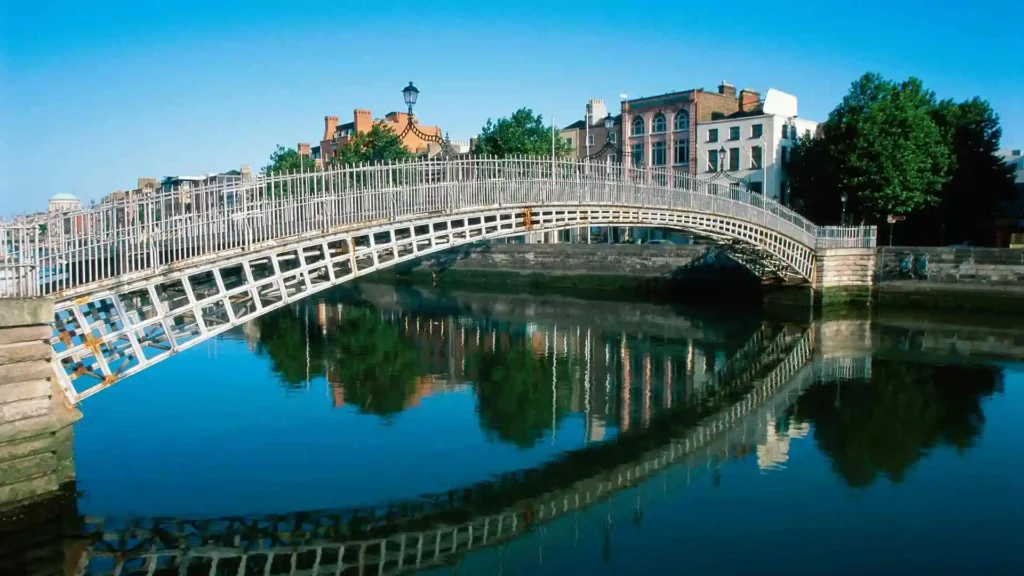
The River Liffey is the blood of the city, and its bridges belong to the history of engineering works and social development. The history of the Ha’penny Bridge is one of the most renowned facts of Dublin bridges. Constructed in the year 1816, it was the first pedestrian bridge across the Liffey. The citizens were required to pay half-penny to cross over it, and this was a century long.
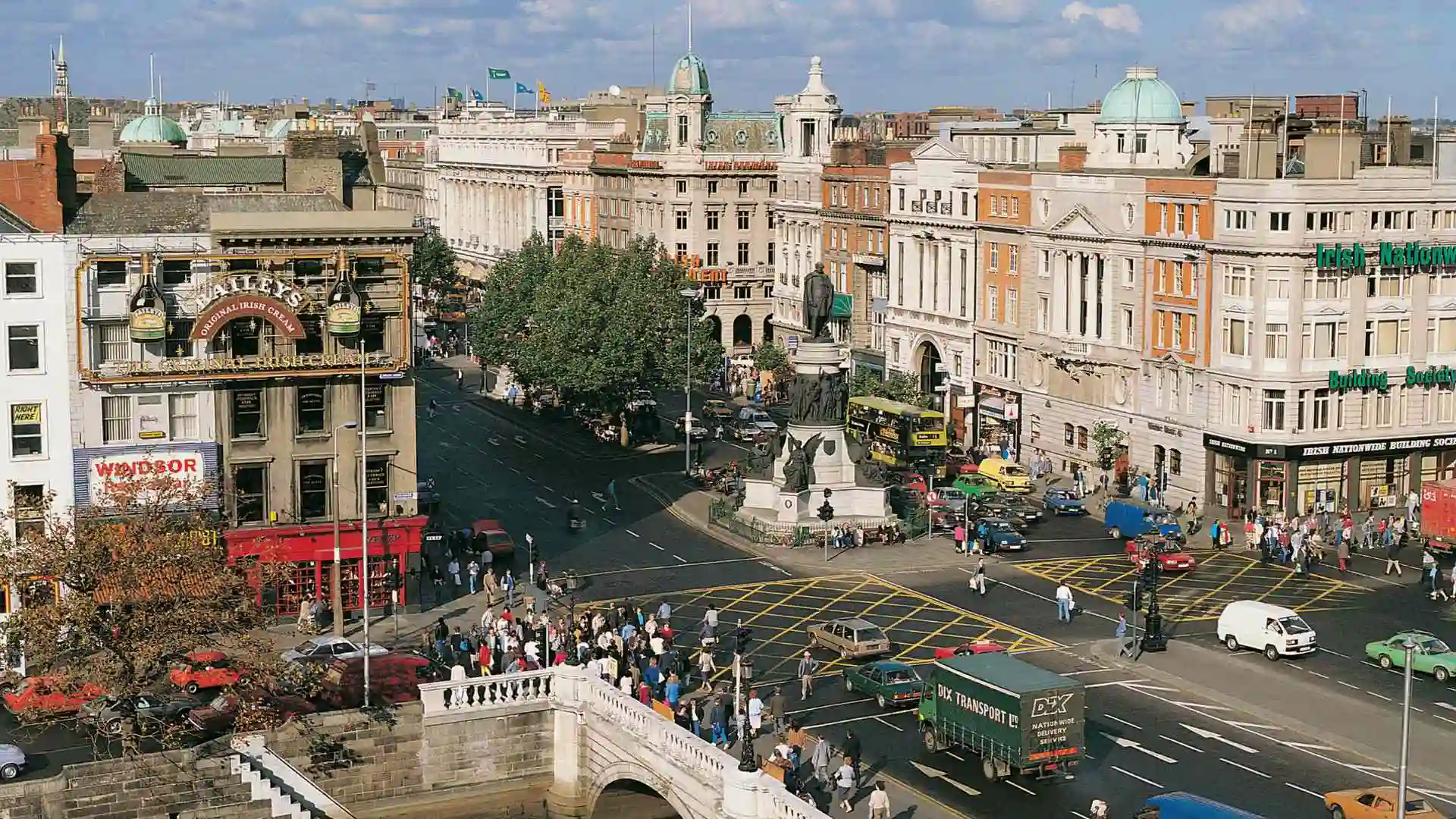
O’Connell Bridge is another marvel in that it is unique in Europe in being wider than long. More than simple transit points, these structures show how the River Liffey is woven into the city’s development and daily life.
Castles and Historic Buildings
Among Dublin’s historic buildings, Dublin Castle stands out. It was built in 1204 as a medieval castle and it was the seat of British rule in Ireland for 700 years.
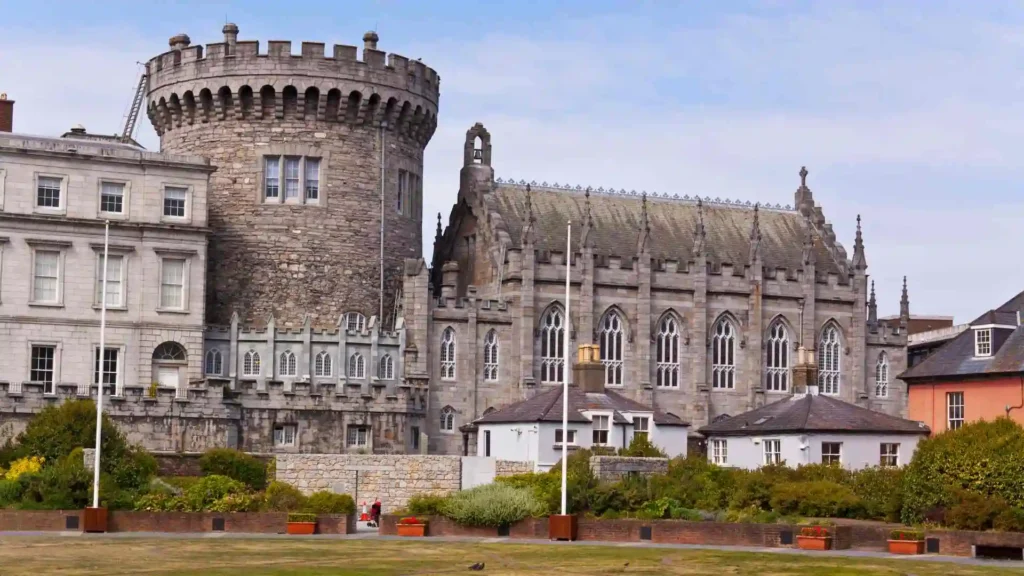
The St. Patrick Cathedral and Christ Church Cathedral are next to each other and can be regarded as the reflection of the religious history of the city. St Patrick’s Cathedral is closely associated with Jonathan Swift, who served as its Dean.
The older of the two is Christ Church Cathedral, known for its enormous medieval crypt and the famous mummified cat and rat. These are the Dublin landmarks facts, which show that the city has remained in its medieval bones despite the contemporary development.
Parks and Monuments
Surprisingly, Dublin is captivatingly green, and Phoenix Park speaks no better than any other landmark. The size of Phoenix Park is also one of the most stunning facts associated with it. It is one of the largest fenced recreational areas of any European capital, and its size is 1,750 acres.
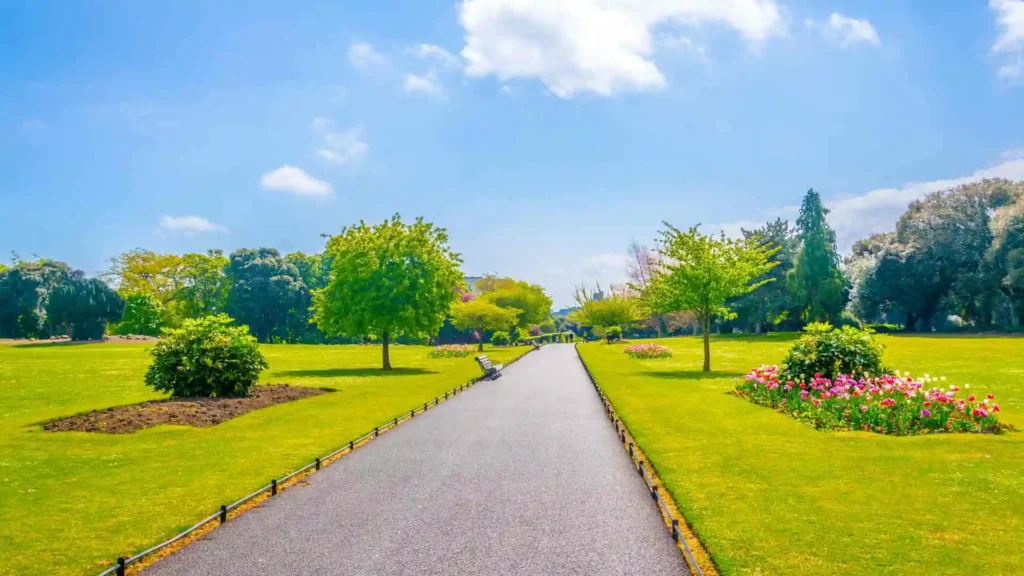
It also houses a wild herd of fallow deer, which has been wandering the premises since the 17th century. The Spire of Dublin is a 120 metres stainless steel needle right in the centre of the city, and it is a contrast to other antique structures. These facts about Dublin parks make us remember that nature and contemporary art are not very far from the capital.
Culture and Lifestyle Facts About Dublin
Dublin is characterised by its culture, which is described as the craic, a term that is exclusive to the Irish, which means fun, entertainment and talking a lot.
Pub and Social Culture
Dublin pub culture is legendary. There are over 700 pubs throughout the city. Temple bar is the most famous nightlife in Dublin that is said to have traditional music live and cobblestone walks. However, being more local the natives tend to visit the older pubs.
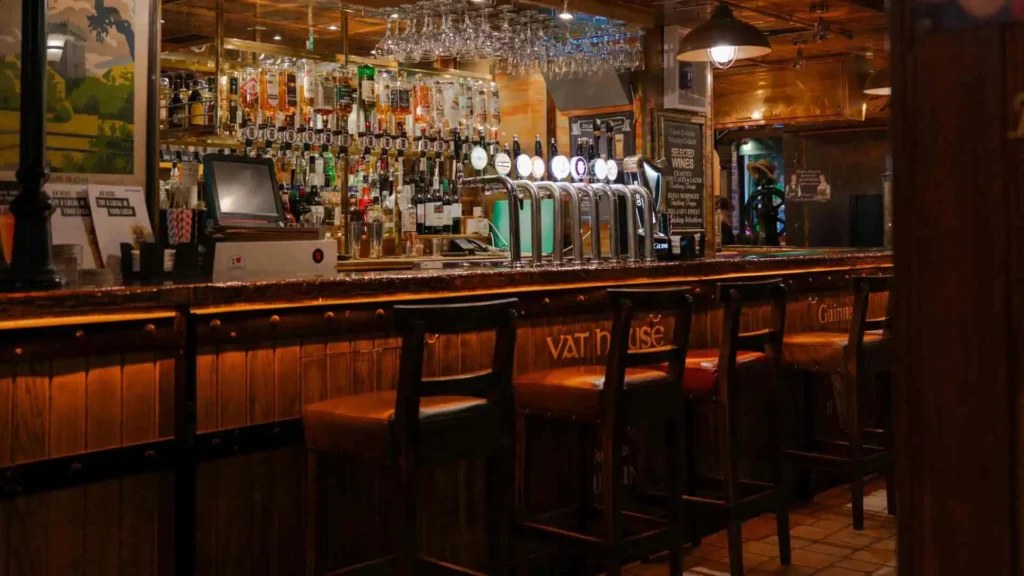
These pubs include the Brazen Head, the oldest pub in Ireland, and its history dates back to 1198. The pubs in Dublin are not just drinking houses, but they are the community centres where politics are argued, and music is being played.
Literature and Famous Figures
Dublin is a Literary City of UNESCO. The Dublin literary city facts are hard to believe.The place has had four Nobel Prizes in literature. As you stroll along the streets, you are in the footsteps of James Joyce, who wrote about the city’s immortality in Ulysses and Oscar Wilde, whose sarcasm lives to this day in the theatres of the city.
It is a living legacy of the literary side of the city, and is honoured in bookstores and at the Trinity College Library, which has been the home of the Book of Kells since the 9th century.
Festivals and Celebrations
The most well-known of all Dublin festivals facts is St. Patrick’s Day. The city is celebrating all year round. Bram Stoker Festival celebrates the Dublin born writer of the Dracula book annually during the month of October.

While the TradFest shows traditional Irish music in the street of Temple Bar. These festivals are a combination of traditional and contemporary creative vitality. It ensures that visitors have a party mood at all times, no matter where they are.
Fun and Unusual Facts About Dublin
In addition to the history books, Dublin has some really peculiar secrets that visitors recollect the most.
Strange City Facts
Did you ever hear that the MGM Lion was a Dublin-born roaring lion who opens most films? His name was Leo.
Moreover, Dublin also boasts of the narrowest street in Ireland (Copper Alley) and much of the modern day structures are constructed literally over Viking ruins.
These bizarre facts of Dublin give the impression of a hidden city that is directly below the surface.
Hidden Stories and Surprises
Among the more surprising things that Dublin has to offer is that the remains of St. Valentine are located in the Whitefriar Street Church. The relics of the patron saint of love were gifted to an Irish priest by the Pope during the 19th century.
They have ever since then become a tourist destination by lovers who want to be blessed. It is a snippet of Roman history in some out-of-the-way part of the city.
Fun Records and Trivia
The city has some pretty records in terms of fun facts about Dublin. Guinness was at one time the largest brewery in the world.
The 9,000 years lease that Arthur Guinness had signed on the brewery at St. James on the Gate is a source of pride on the part of the Irish.
In addition, although Dublin may have a bad reputation in terms of rainfall, the city receives less annual rainfall than many parts of the west of Ireland.
Quick Dublin Facts Visitors Should Know
Whenever you intend to visit Dublin, these useful Dublin travel facts will guide you around the city as if it were your business.
Travel Friendly Facts
Dublin is a highly pedestrian friendly city. Most of the major attractions are within a radius of 20 minutes. If you are short on time, here is a practical guide to things to do in Dublin for a day.
Later, you will have access to amazing sea views with the DART (Dublin Area Rapid Transit) which will take you to beach suburbs like Howth or Dalkey.
Another fact is that it is also a famously friendly city as it is repeatedly ranked among the most hospitable cities in the world.
Weather and Location Facts
The weather in Dublin can be described as variable. The city has a temperate maritime climate due to its coastal position on the Irish Sea. It is rarely too hot and rarely freezing.
Such a temperate climate makes it an all year round destination, although a waterproof jacket can never be a negotiable item to be packed.
More Interesting Dublin Facts
There are some other random facts about the city we all adore.
Bonus Dublin Facts
And to the rest who have an insatiable appetite here are some other facts about Dublin. At one time, Dublin was a major centre of whiskey production in the world and Old Jameson Distillery is one of the monuments of that era.
Interestingly, the popular “Oscar” statuette was the brainchild of a Dublin born man, Cedric Gibbons. These relationships reveal the expansion of the capital city of a small island to all the corners of world culture.
Conclusion
Dublin is not only a capital city but a compilation of tales, of its Viking origins, its literary heights. You may be attracted by the details about Dublin in terms of its old cathedrals, or the vibrant music-loving atmosphere in Dublin pubs. There is no use denying the fact that the city is unique. We hope these details will make you come and see its streets and find your personal story about Dublin.